Johan Budi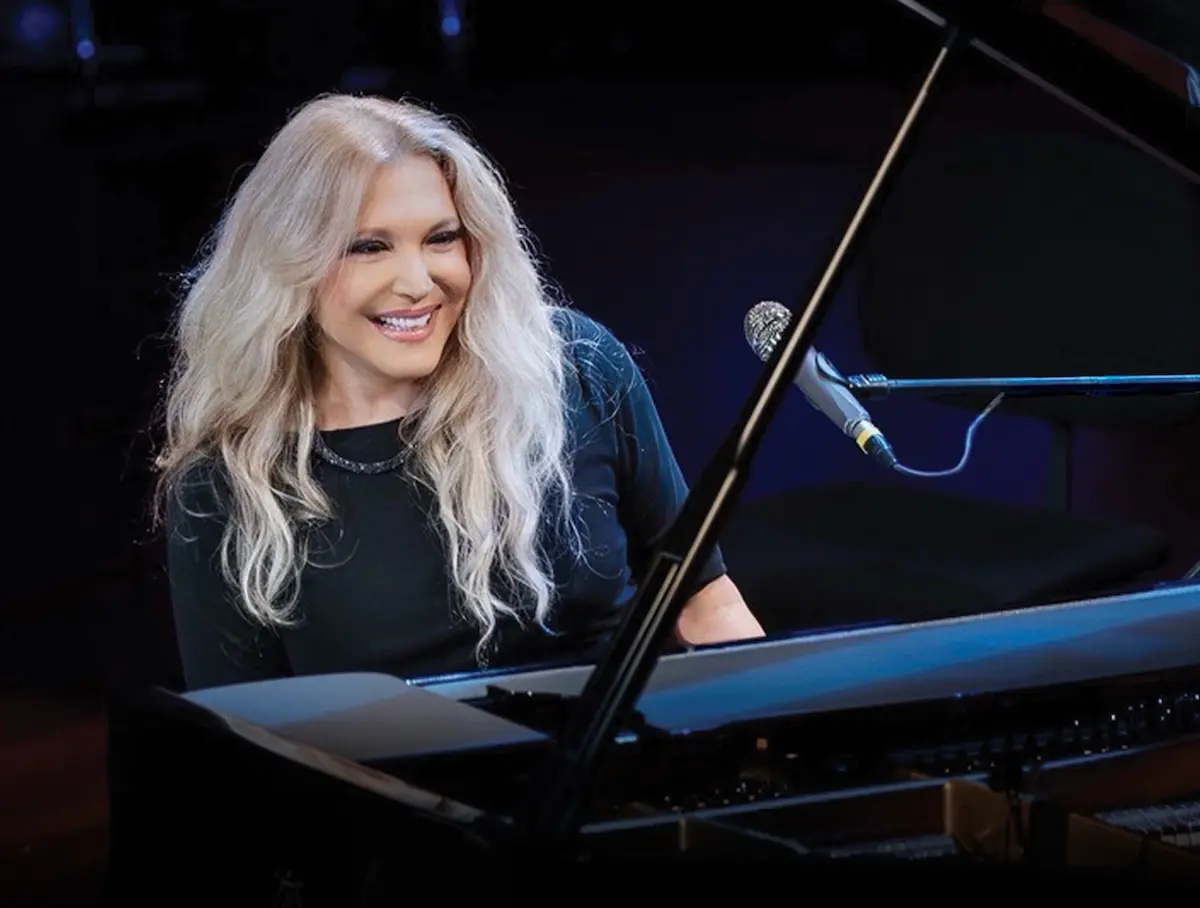
The global jazz landscape is currently witnessing a significant period of diversification, characterized by a blend of archival rediscoveries, cross-genre collaborations, and the evolution of large-scale ensembles. Recent data from the recording industry suggests a resurgence in live performance captures and a growing interest in the intersection of jazz with cinematic and digital storytelling. This comprehensive survey examines the latest contributions to the genre, ranging from established multi-Grammy winners to emerging independent voices across Europe, North America, and the Caribbean.
Live Mastery and Archival Rediscoveries
The tradition of the live jazz album continues to serve as a vital document of the genre’s improvisational core. Eliane Elias, a multi-Grammy and Latin Grammy Award winner, has announced the release of AO VIVO, a recording captured at the SFJAZZ Center’s Miner Auditorium on October 21, 2023. Released via Candid Records (CDCND3396), the album features Elias in her dual capacity as a virtuoso pianist and vocalist. She is supported by a quartet including guitarist Leandro Pellegrino, bassist Marc Johnson, and drummer Rafael Barata. Industry analysts note that Elias’s return to the live format reinforces the commercial viability of high-fidelity concert recordings in the post-pandemic era.
In tandem with contemporary live recordings, the jazz world is experiencing a surge in archival releases that bridge historical gaps. A notable example is the Pierre Favre Trio’s Bird Food, recorded in Zurich in 1968 but only recently rediscovered. Released by Samuel Blaser on the Songs label (004CD), the album features Favre on drums, the pioneering Irène Schweizer on piano, and George Mraz on bass. This recording serves as a historical waypoint, documenting the transition from bebop foundations to the European avant-garde. The release of such "time capsules" provides essential context for the development of free jazz on the continent.
Similarly, the collaboration between Mick Goodrick and Fred Hersch, Feebles, Fables & Ferns, represents a significant archival find for ECM Records (602488251655). Recorded in August 1988 at Hersch’s New York studio, the session captures a period when both musicians were influential figures in the Boston jazz scene. Reflecting on the session from a 2025 perspective, Hersch emphasized the "profound listening" that defined the interplay, a sentiment that highlights the enduring value of intimate studio dialogues.
The Evolution of the Jazz Ensemble and Big Band Structures
The structural definition of the "jazz ensemble" is undergoing a shift toward more flexible and politically conscious configurations. The UK-based group Empirical has navigated the relocation of long-standing vibraphonist Lewis Wright to the United States by embracing a modular lineup for their eighth album, Like Lambs: To The Slaughter (Whirlwind Recordings WR4854). Featuring Nathaniel Facey, Tom Farmer, and Shaney Forbes, the group has integrated Ivo Neame and David Preston to maintain their reputation for complex, socially relevant compositions.
In Leeds, Ferg’s Imaginary Big Band continues to challenge the conventions of the large ensemble with The New Atomic (Trash City Records). This 25-piece orchestra incorporates punk ethos and experimentalism into the traditional swing framework. Such movements suggest a broader trend where big bands are no longer viewed solely as heritage acts but as vehicles for contemporary political and social commentary.
The debut of the Glorious Assembly Jazz Orchestra on May 2, 2024, further illustrates the health of the large-ensemble format. Led by Emmy-winning film composer David Mitcham and featuring a 21-piece lineup of prominent UK session players—including Mark Lockheart and Laura Jurd—the project (Manor Barn Records GA1001) represents a significant investment in orchestral jazz production.
Cross-Genre Intersections and Cinematic Narratives
A defining characteristic of the 2024–2026 release cycle is the erasure of boundaries between jazz, indie-folk, and digital media. The collaboration between Luise Volkmann’s ensemble Été Large and Irish songwriter Wallis Bird on an EP for Boomslang Records exemplifies this trend. By blending experimental jazz with Bird’s indie-folk and blues background, the project highlights the "orchestral side" of avant-garde jazz while maintaining a folk-centric lyricism.
The intersection of music and digital storytelling is perhaps most prominent in Freyja Garbett’s Sowden House (Earshift Music), scheduled for release on June 26, 2026. Originally conceived as a score for a virtual reality project directed by Brendan McNamara (known for the video game L.A. Noire), the music has transitioned into a standalone work. Analysts suggest that the convergence of jazz with video game narratives represents a burgeoning market for composers seeking to reach younger, tech-savvy audiences.
In the realm of pop-adjacent jazz, the duo of Toby Gad and Dave Eggar has produced The Eureka Concert for Kite Records. Gad, a prolific songwriter for artists such as Beyoncé and John Legend, utilizes this project to explore stripped-down, improvised dialogues between piano and cello. This shift from high-production pop to improvisational instrumental music underscores the versatility of contemporary producers.
Regional Developments and Global Perspectives
The geographic diversity of recent releases highlights the globalized nature of the jazz industry. In Quebec, the Greenhouse Ensemble’s Mezzanine blends contemporary jazz with Québécois folk influences. This septet focuses on a unique sonic palette involving voice, violin, and trumpet, signaling a mature regional sound that is increasingly prepared for international distribution.
Italian jazz remains a robust contributor to the global scene. Guitarist Gianmarco Ferri’s Sweet and Lovely (WoW Records WJ0124) features American bassist Doug Weiss and drummer Luca Santaniello, demonstrating the ongoing creative exchange between Italy and the United States. Concurrently, Alessandro Florio’s Controra Avenue marks the return of his Hammond Trio after a decade. Recorded in New York but inspired by the Mediterranean, the album explores the "stillness" of Southern Italy through the lens of urban American groove.
In Cuba, Alejandro Falcón continues to delve into the core of the island’s musical language with Falcón in Blue (Dot Time Records, DT9189), while Norwegian composer Terje Evensen explores the atmospheric intersection of rhythm and electronics on Reclusive Mountain (Records Abstract Goat, RAG 011), slated for release in May 2026.
Emerging Voices and the Soloist’s Vision
The independent sector remains the primary incubator for new talent. Eddie Gripper’s Americana (MultiRingoRecords MR0001D/CD) serves as a musical diary of a hitchhiking journey from Alaska to Los Angeles. His compositions reflect on the "contradictions of the American spirit," providing a narrative depth often associated with folk traditions.
French-Italian pianist Milena Granci is set to debut To Some Place New on May 14, 2026. Leading a six-piece ensemble in London, Granci’s work is noted for its cinematic atmosphere and folk lyricism. This follows the debut of Marie-Paule Franke’s Through The Cracks The Light Is Born (MariPosa Records, MP003), where the vocalist presents a series of haunting originals supported by a New York-based quartet.
Traditionalism also maintains a steady presence. Christine Fawson’s It Could Happen To You features the singer-trumpeter performing jazz standards with a focus on infectious rhythm section interplay. Furthermore, the reissue of Stan Getz and Charlie Byrd’s Jazz Samba on clear vinyl (Waxtime 526032) serves as a reminder of the historical foundations of the bossa nova movement, which continues to influence contemporary artists like Elias.
Industry Implications and Market Trends
The breadth of these releases indicates several key trends in the jazz market:
- Archival Value: Labels are increasingly looking toward "lost" recordings (Favre, Goodrick/Hersch) to provide prestige and historical weight to their catalogs.
- Extended Lead Times: With release dates stretching into mid-2026, artists and labels are adopting longer promotional cycles, likely to navigate the crowded digital distribution landscape.
- Genre Fluidity: The successful integration of "Italian library music," "space-jazz," and "Arabic pop"—as seen in the work of the duo Guess What (Luke Warmcop and Graham Mushnik)—suggests that the modern jazz listener is increasingly open to eclectic, multi-disciplinary sounds.
- The Rise of the Independent Label: A significant portion of these releases is produced independently or via small boutique labels, reflecting a shift away from major-label dominance toward artist-led initiatives.
The upcoming years promise a period of significant creative output for the jazz community. From the raucous big bands of Leeds to the introspective piano-cello improvisations of New York, the genre continues to adapt, ensuring its relevance through a combination of historical reverence and forward-thinking experimentation. These releases collectively document a global art form that is as much about personal travelogues and political statements as it is about technical virtuosity.