 Nana Wu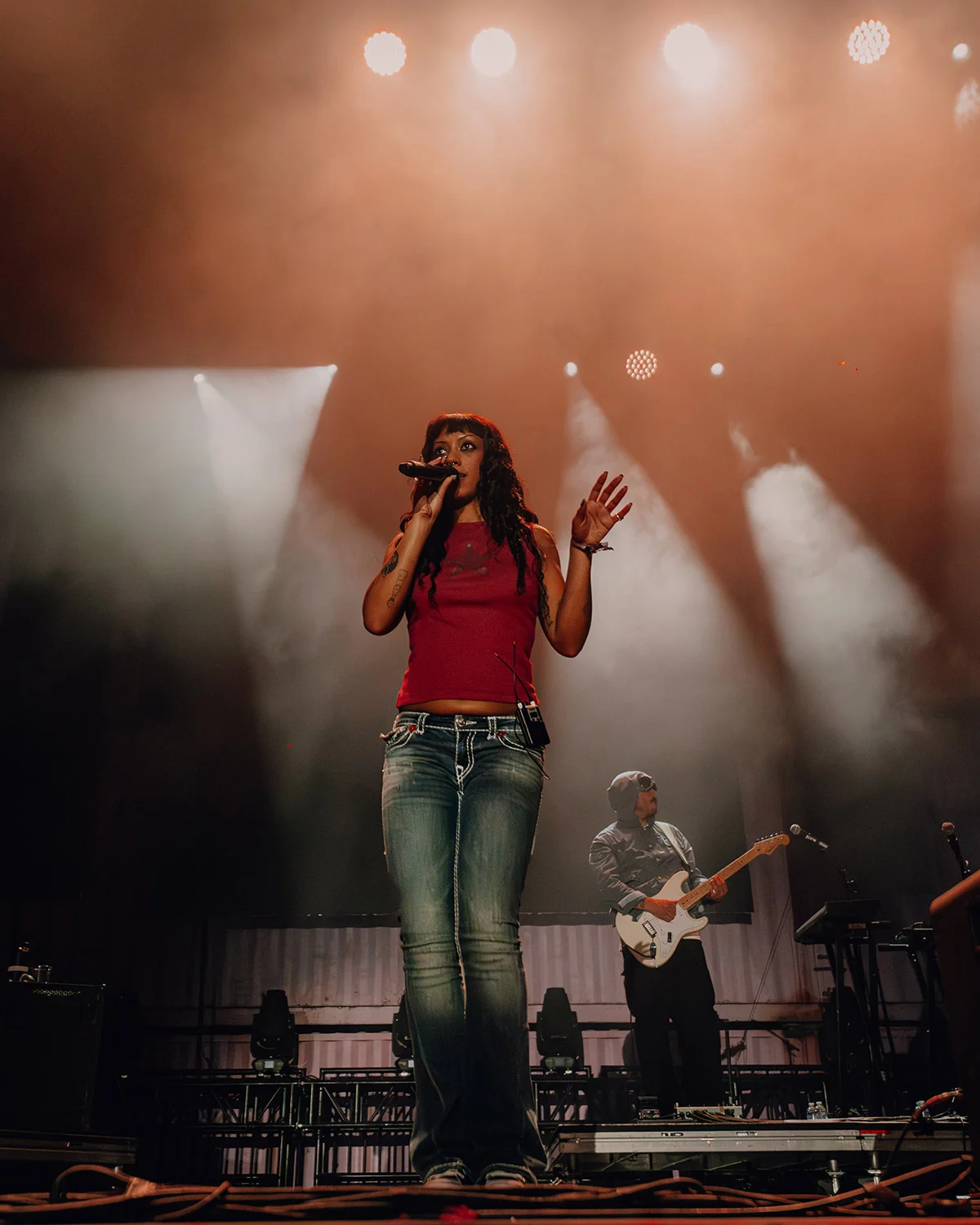
The 23rd annual Lightning in a Bottle (LiB) festival concluded its four-day run at the Lake Buena Vista Recreation Area near Bakersfield, California, attracting an estimated 25,000 attendees to its sold-out event. Held from May 21 to May 24, the festival upheld its reputation for a unique blend of electronic music, immersive art, and transformative workshops, despite challenging environmental conditions. The Do LaB, the visionary collective behind LiB, once again curated an experience that transcends a typical music festival, integrating elements of sustainability, community engagement, and personal enrichment into its core programming.

The Evolution of a Cultural Phenomenon: LiB’s Enduring Legacy
Lightning in a Bottle began humbly in 2004 as a private birthday party for The Do LaB founders, brothers Jesse, Josh, and Dede Flemming, evolving from smaller gatherings into a full-fledged public event. Its genesis was rooted in a desire to create a space that fostered connection, creativity, and conscious living, drawing inspiration from Burning Man’s principles of self-expression and community. Over its 23-year history, LiB has navigated various Southern California locations, including Silverado, Oak Canyon Park, and San Antonio Lake, before settling into its current home at the Lake Buena Vista Recreation Area. Each relocation brought new logistical challenges and opportunities, but the festival’s core ethos – a commitment to "Leave No Trace," fostering a diverse artistic community, and providing educational programming alongside world-class music – has remained steadfast. This consistent vision has allowed LiB to cultivate a loyal following, distinguishing itself in an increasingly crowded festival market by offering a holistic experience rather than solely focusing on musical acts. The festival’s growth from a niche gathering to an internationally recognized event attracting 25,000 attendees underscores the enduring appeal of its multi-faceted approach.
The 23rd Edition: Dates, Location, and Attendance Overview
The 23rd iteration of Lightning in a Bottle took place over a four-day period from Tuesday, May 21st, to Friday, May 24th, 2026. This timing, slightly earlier in the calendar year compared to some previous editions, aimed to provide a fresh experience for attendees. The Lake Buena Vista Recreation Area, situated near Bakersfield, California, served as the expansive canvas for the event. This specific location, known for its vast open spaces and proximity to a significant body of water, has become synonymous with the contemporary LiB experience. The site offers ample room for the festival’s numerous stages, art installations, camping zones, and workshop areas, facilitating the diverse programming that defines the event.

Attendance figures for the 2026 festival reached approximately 25,000 individuals, marking another sold-out success for The Do LaB. This consistent high demand for tickets highlights the festival’s strong appeal and its established position as a premier destination for those seeking an immersive cultural experience in Southern California. Managing a gathering of this scale in a relatively remote, outdoor environment necessitates meticulous planning and extensive infrastructure, from sanitation and medical services to traffic management and environmental protection protocols. The organizers’ capacity to consistently draw and accommodate such a large audience while maintaining the festival’s intimate, community-driven atmosphere is a testament to their operational expertise and deep understanding of their attendee base.
A Kaleidoscope of Sound: Headliners and Musical Diversity
The musical programming for LiB’s 23rd edition showcased one of the festival’s most high-profile lineups to date, reflecting a deliberate effort to blend established electronic music giants with emerging talents across a broad spectrum of genres. Headlining acts included Mau P, known for his infectious house beats; Sara Landry, a prominent figure in the techno scene; the ethereal Australian duo Empire of the Sun; dubstep pioneers Zeds Dead; drum & bass stalwarts Chase & Status; and the burgeoning electronic artist Barry Can’t Swim. This diverse roster underscored LiB’s commitment to offering a rich auditory experience, catering to varied tastes within the electronic music landscape.

Beyond the headliners, the festival featured a swath of other acts spanning dubstep, drum & bass, house, techno, and experimental electronic sounds. This broad curation ensured that attendees could explore different sonic environments across LiB’s multiple distinct stages. Adding another layer of dynamism, the festival hosted nightly stage takeovers by venerable Los Angeles party collectives, injecting specific cultural flavors into the nocturnal programming. Respect Drum & Bass brought its signature high-energy sound, A Club Called Rhonda offered its renowned eclectic house and disco selections, and Baile World showcased the vibrant rhythms of global bass music. These takeovers provided curated micro-experiences within the larger festival, fostering unique atmospheres and further diversifying the musical journey available to attendees throughout the four days.
Beyond the Beats: Art, Learning, and Wellness Immersion
What truly sets Lightning in a Bottle apart from many contemporary music festivals is its profound emphasis on experiences beyond the main stages. The festival is renowned for its comprehensive programming dedicated to art, learning, and holistic wellness, creating a truly immersive and transformative environment. Throughout the Lake Buena Vista Recreation Area, attendees encountered a vibrant tapestry of interactive art installations, ranging from large-scale sculptures and intricate light displays to performance art and live painting. These artistic expressions often carried themes of environmentalism, community, and introspection, encouraging active engagement rather than passive observation.

Central to the LiB experience are its extensive workshops, designed to foster personal growth and skill development. The 2026 edition continued this tradition, offering a diverse array of sessions covering topics such as sustainable food practices, various art forms, discussions on intimacy and relationships, health and nutritional guidance, and spiritual practices. Yoga classes were a ubiquitous presence, offered at multiple locations throughout the day, providing opportunities for physical and mental rejuvenation.
The festival also featured several unique communal spaces that exemplified its ethos. A sacred fire served as a central gathering point for reflection and connection. The gong tent offered deep sonic healing sessions, inviting attendees to relax and meditate amidst resonant vibrations. For those seeking cosmic wonder, a giant telescope was set up, allowing festival-goers to line up and observe celestial phenomena, including the famous Butterfly Cluster of stars, fostering a sense of awe and connection to the universe.

One of LiB’s most celebrated non-musical attractions was the brilliant Mixtape area. This meticulously designed space transported attendees back in time, replicating the aesthetic of a parent’s basement after a house party in 1998. DJs spun tracks exclusively from cassette tapes, creating a nostalgic soundscape that encouraged dancing and reminiscing in an environment steeped in retro charm. This blend of educational workshops, artistic expression, and unique communal experiences solidifies LiB’s identity as a "transformational festival," offering a rich tapestry of activities that nourish the mind, body, and spirit alongside its world-class musical offerings.
Navigating the Heat: Environmental Factors and Attendee Experience
The 2026 Lightning in a Bottle festival was marked by exceptionally high temperatures, with the mercury hitting upward of 95 degrees Fahrenheit throughout the weekend. This significant environmental factor presented both challenges and unique opportunities for attendees and organizers alike. The intense heat necessitated robust hydration strategies and ample access to shade, prompting festival staff to emphasize water station locations and encourage frequent breaks from direct sun exposure. Medical teams were also on heightened alert to address any heat-related illnesses, demonstrating the organizers’ commitment to attendee safety under extreme conditions.

Despite the discomfort of the heat, the presence of the site’s expansive lake became an even more crucial element of the festival experience. The lake transformed into a vibrant hub of activity during the daytime hours, offering a much-needed respite from the sun. Thousands of attendees flocked to its cool waters, many floating on an array of colorful inflatables shaped like ducks, unicorns, and sharks. This communal cooling-off ritual became an iconic visual of the festival, with the sound of music from nearby stages drifting across the water, contributing to a "hot and heady vibe" that was both challenging and exhilarating. The lake’s role underscored the importance of site selection for outdoor festivals, particularly in arid climates, highlighting how natural features can significantly enhance or mitigate environmental stressors. The collective adaptation to the heat, turning a potential drawback into a shared experience of playful relief, further cemented the festival’s unique atmosphere of resilience and camaraderie.
Logistics and Sustainability: The Do LaB’s Commitment
Organizing a multi-day camping festival for 25,000 people in a semi-remote location like the Lake Buena Vista Recreation Area presents substantial logistical challenges. The Do LaB’s operational prowess is evident in their ability to manage everything from extensive infrastructure setup – including multiple stages, power grids, water systems, and sanitation facilities – to complex traffic flow and emergency services coordination. Prior to the event, a significant period of planning and construction is undertaken, transforming the raw landscape into a functional and aesthetically engaging festival ground. Post-event, a rigorous cleanup process ensures that the "Leave No Trace" principles are upheld, returning the site to its original condition as much as possible.

Sustainability is a cornerstone of the Lightning in a Bottle philosophy, a commitment that has evolved over the festival’s 23-year history. The Do LaB has consistently pioneered initiatives aimed at minimizing the environmental footprint of large-scale events. These efforts typically include ambitious waste diversion programs, striving for high recycling and composting rates to significantly reduce landfill contributions. Water conservation measures are crucial, particularly in California’s often drought-prone climate, involving efficient water usage across the site and public awareness campaigns for attendees. The festival also explores the use of renewable energy sources, such as solar power, to offset its energy consumption. Educational workshops on sustainable living and environmental stewardship are integrated into the daily programming, empowering attendees with knowledge and tools to adopt more eco-conscious lifestyles. These comprehensive sustainability efforts not only align with the festival’s core values but also position LiB as a leader in responsible event production within the global festival circuit, setting a benchmark for environmental consciousness in the industry.
Economic and Cultural Footprint
The Lightning in a Bottle festival, by drawing 25,000 attendees and a substantial operational team to the Bakersfield area, generates a significant economic impact on the local economy. While precise figures for the 2026 event are still being compiled, festivals of this scale typically contribute millions of dollars through various channels. This includes direct spending by attendees on local goods and services before and after the event, such as fuel, food, and lodging in surrounding towns. Furthermore, the festival’s operations create temporary employment opportunities for hundreds of individuals, ranging from event production staff and security to vendors and medical personnel. Local businesses, from suppliers to transportation services, also benefit from the increased demand generated by the event.

Beyond the immediate economic boost, LiB holds a substantial cultural footprint. It has established itself as a pivotal event in the "transformational festival" movement, influencing other gatherings worldwide to incorporate elements of art, education, and wellness alongside music. The festival serves as a melting pot for creative expression, fostering a vibrant community of artists, musicians, educators, and free-thinkers. Its emphasis on community, self-expression, and conscious living resonates deeply with a demographic seeking more meaningful and enriching experiences than traditional entertainment venues often provide. The exposure it brings to emerging artists and thought leaders also contributes to broader cultural dialogues around sustainability, mindfulness, and alternative lifestyles. The consistent success and evolution of LiB over two decades underscore its enduring relevance as both an economic driver and a significant cultural institution in Southern California and beyond.
Organizer’s Perspective and Attendee Experience
While no direct statements from The Do LaB were immediately available following the conclusion of the 23rd edition, it can be logically inferred that the organizers would express satisfaction with another successful, sold-out event. Their consistent dedication to the festival’s unique ethos – a harmonious blend of music, art, education, and community – has been the driving force behind LiB’s longevity and appeal. One could anticipate a statement highlighting the vibrant atmosphere, the diversity of the lineup, and the positive engagement with the non-musical programming, all of which contribute to the festival’s distinct identity. The Do LaB consistently aims to deliver an experience that is both "fun and meaningful," a sentiment widely echoed by attendees year after year.

From the perspective of the 25,000 festival-goers, the 2026 edition, despite the challenging heat, appears to have delivered on its promise. Attendees frequently laud LiB for its ability to foster a strong sense of community and belonging. The diverse workshops on topics ranging from intimacy to spirituality provide avenues for personal growth and introspection that are not typically found at other festivals. The opportunity to connect with nature, whether floating on the lake or gazing at the stars through a giant telescope, adds a layer of depth to the experience. The Mixtape area, with its nostalgic charm and unique musical format, often stands out as a beloved, quirky highlight. Ultimately, the collective sentiment from past events and the strong attendance figures suggest that LiB continues to offer a truly transformative experience that resonates deeply with its audience, providing not just entertainment but also opportunities for connection, learning, and self-discovery.
Looking Ahead: Implications for the Festival Circuit
The successful execution of Lightning in a Bottle’s 23rd edition, particularly under challenging environmental conditions and with a sold-out attendance of 25,000, carries several implications for the broader festival circuit. Firstly, it reinforces the growing demand for multi-faceted experiences that go beyond mere musical performances. In an increasingly competitive landscape, festivals that integrate comprehensive wellness, educational, and artistic programming alongside a strong musical lineup are proving to be resilient and highly attractive to a discerning audience. LiB’s model, which has been honed over two decades, serves as a blueprint for "transformational festivals" and inspires similar initiatives globally.

Secondly, the festival’s continued commitment to sustainability and "Leave No Trace" principles sets a high standard for environmental responsibility in large-scale events. As climate concerns intensify, the ability of festivals to demonstrate genuine ecological stewardship will become an even more critical factor in their public perception and long-term viability. LiB’s efforts in waste diversion, water conservation, and renewable energy adoption highlight practical strategies that other organizers can emulate.
Finally, the festival’s capacity to manage a large gathering in a remote, outdoor setting, especially when confronted with extreme weather like the 95-degree heat, underscores the importance of robust logistical planning and attendee safety protocols. As festivals push the boundaries of location and scale, the operational expertise required to ensure a safe and enjoyable experience for all participants becomes paramount. The enduring success of Lightning in a Bottle suggests that its unique blend of conscious community, immersive art, and diverse music continues to carve out a vital and influential niche in the global festival landscape, solidifying its status as a significant cultural event that shapes trends and inspires new generations of festival-goers.