Mia Khoirunisa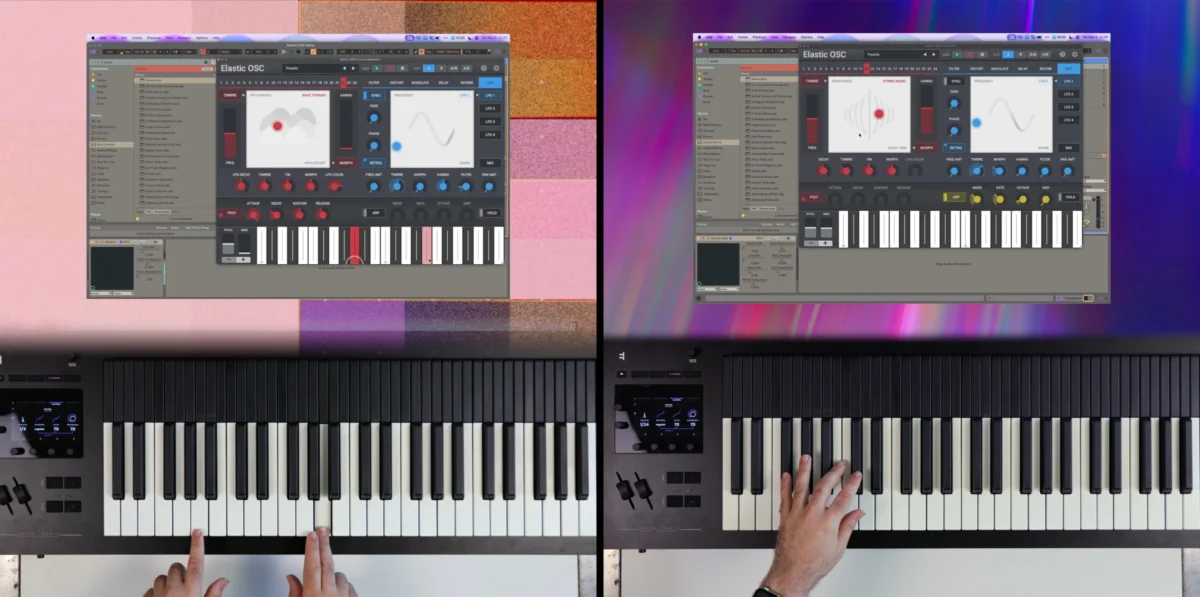
The realm of digital music creation is constantly evolving, pushing the boundaries of how musicians interact with their instruments and translate their artistic visions into sound. A recent demonstration by acclaimed electronic musician and writer Peter Kirn has shed considerable light on the potent synergy between Expressive E’s innovative Osmose keyboard and the versatile Elastic OSC software synthesizer. This collaboration highlights the transformative power of MPE (MIDI Polyphonic Expression) and its ability to unlock a new level of intuitive, hands-on sonic control, moving beyond traditional playing techniques to embrace a truly expressive musical dialogue.
At its core, the magic lies in the concept of polyphonic expression. This paradigm shift allows musicians to imbue each individual note with a wealth of performance nuances – such as pitch bend, vibrato, and timbre changes – independently and in real-time. This contrasts sharply with conventional MIDI, where such expressive gestures are often applied globally to all notes or require laborious post-production editing. Kirn’s demonstration, captured in a series of video presentations, showcases how the multi-axis sensitivity of the Osmose keyboard directly translates these nuanced gestures into sound without the need for intermediaries or cumbersome parameter adjustments.
The Osmose, whether in its standard or CE (Composer’s Edition) configuration, features a groundbreaking keyboard that goes beyond simple velocity sensitivity. Each key offers X, Y, and Z axis control, allowing for per-note pitch bending, continuous pressure modulation, and even subtle side-to-side movements that can be mapped to various synthesis parameters. This inherent expressiveness makes it an ideal companion for MPE-compatible software, and Kirn’s work with Elastic OSC exemplifies this compatibility.
Seamless Integration and Effortless Configuration
A key takeaway from Kirn’s exploration is the remarkably low barrier to entry for integrating the Osmose with Elastic OSC. The Osmose keyboard is designed to communicate MPE data natively, and Elastic OSC, in turn, is built with robust MPE support. For users employing digital audio workstations (DAWs) like Ableton Live, the process involves a few straightforward steps.
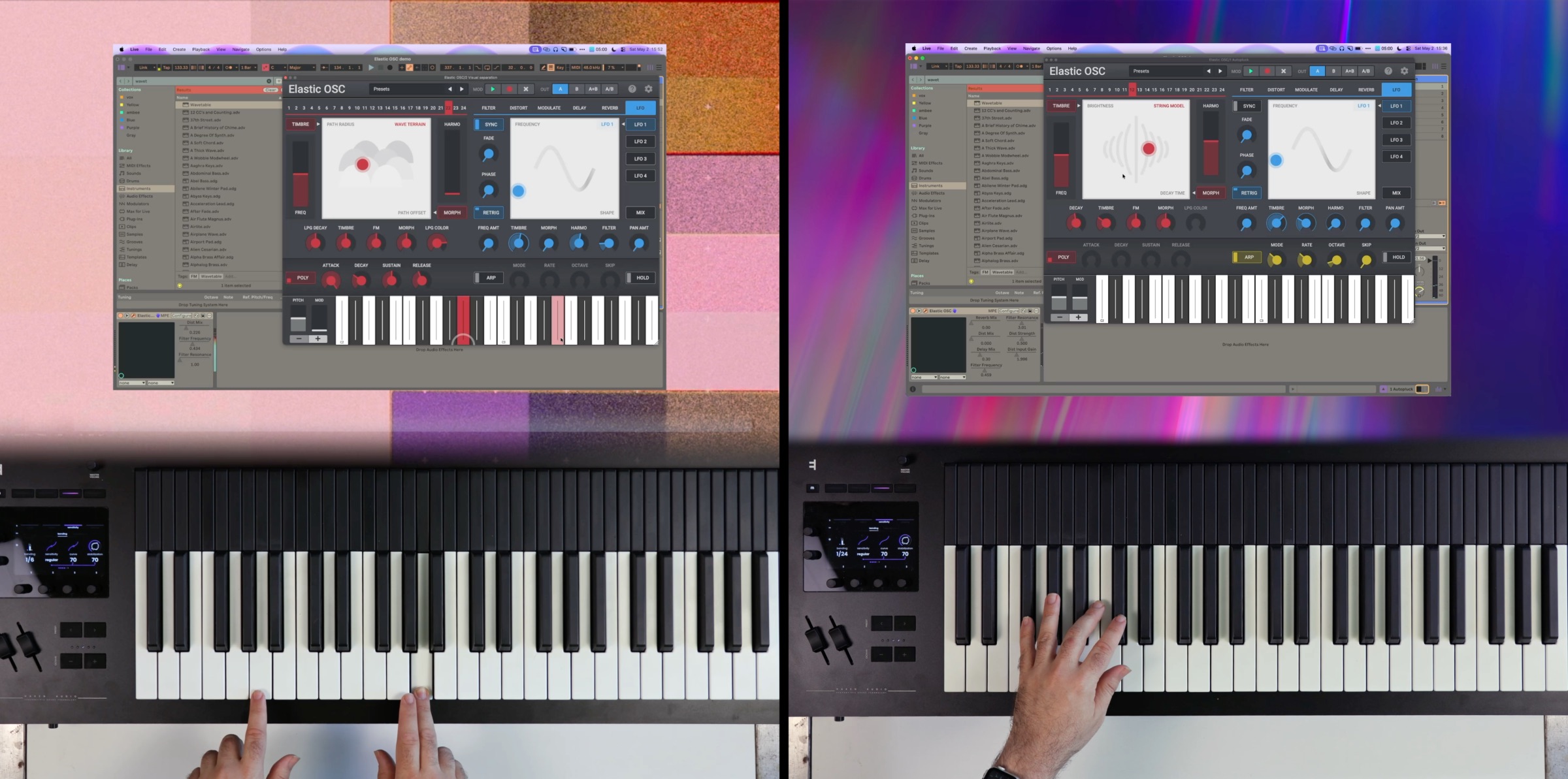
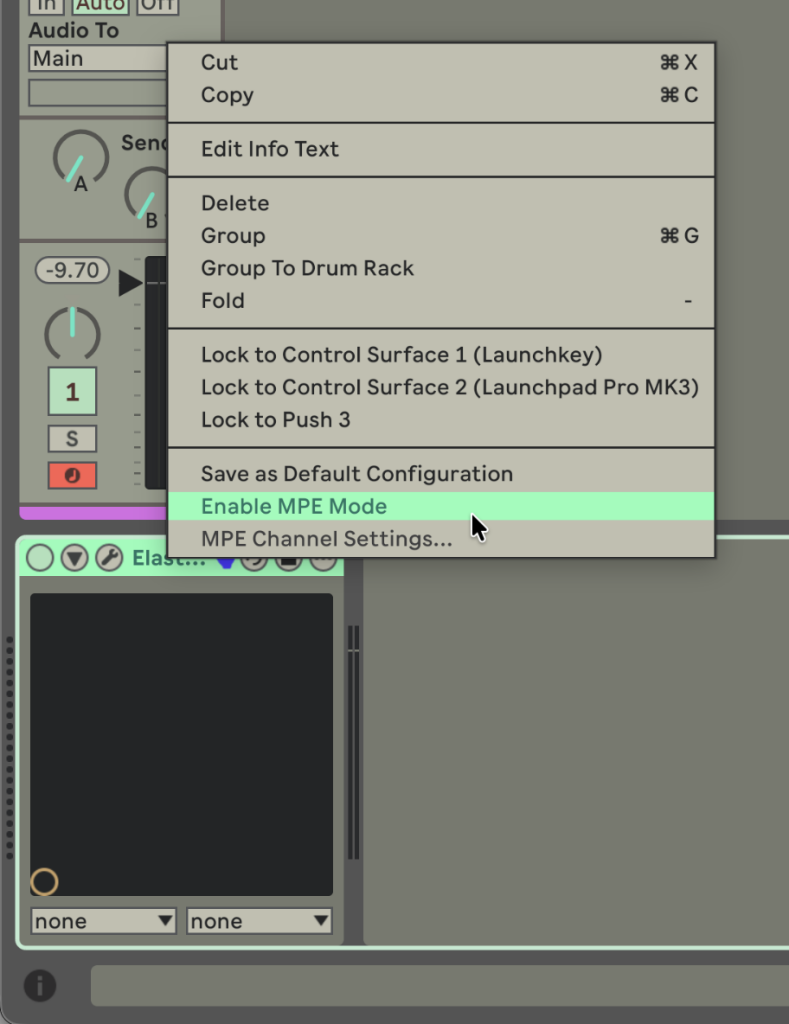
First, MPE needs to be enabled within the DAW’s settings for the specific plugin instance. In Ableton Live, this is typically achieved by right-clicking on the Elastic OSC plugin and selecting "Enable MPE mode." This setting is often disabled by default, reflecting a cautious approach to MPE implementation by some software developers, but once activated, it unlocks the full expressive potential of MPE-enabled controllers. Kirn notes that enabling MPE in Ableton Live also automatically activates support for Ableton’s advanced Tuning Systems, offering an additional layer of sonic flexibility.
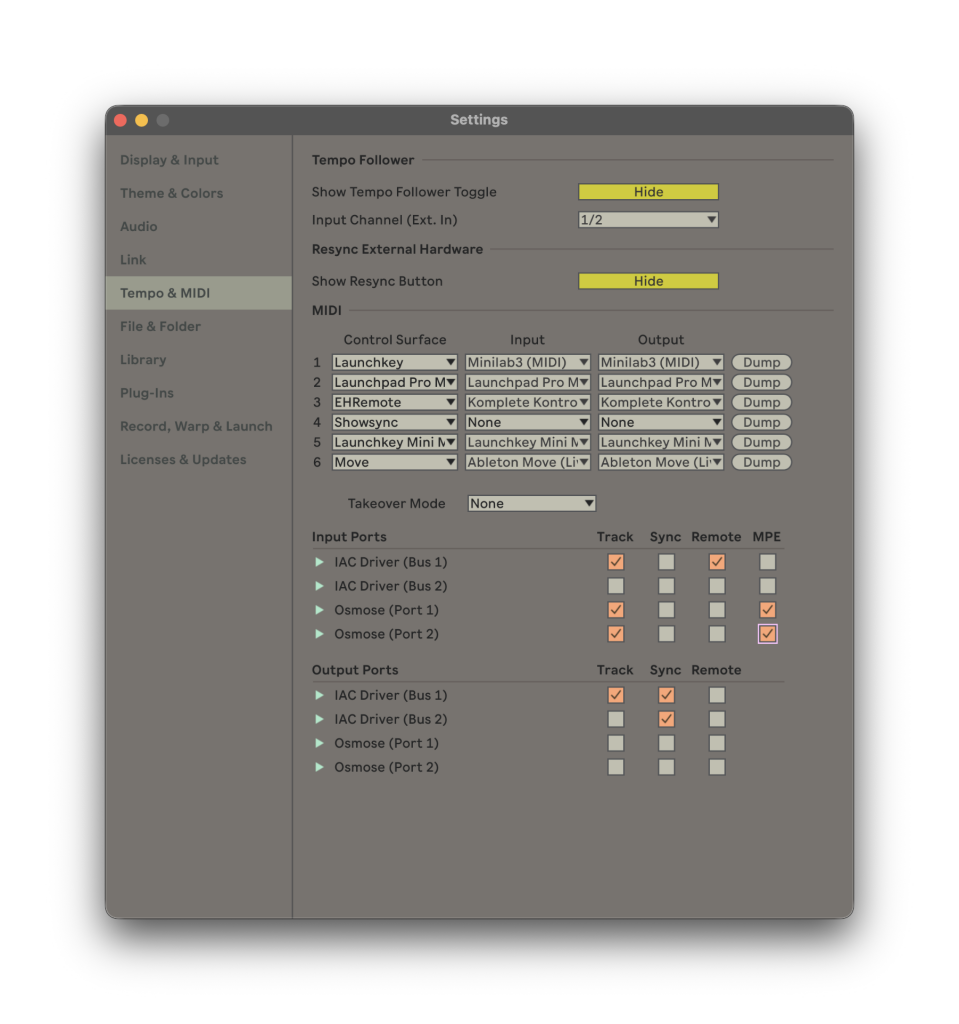
Secondly, the input device, in this case, the Osmose, must also be configured to send MPE data. Within Ableton Live’s preferences, under "Tempo & MIDI" and "Input Ports," users can find a dedicated column for MPE, where the Osmose can be designated as an MPE-capable input. This ensures that the rich gestural data generated by the Osmose is correctly interpreted by the DAW and passed on to the plugin.
The setup on the Osmose itself is even simpler. Users can select an MPE configuration directly from the keyboard’s intuitive menu system. This streamlined approach is a significant advantage, as it minimizes the need for complex menu diving or external editing software. Kirn specifically praises the Osmose’s on-board display, which provides immediate access to frequently used parameters, allowing for on-the-fly adjustments to settings like pitch bend range, which he demonstrates during his performances to achieve varied sonic effects.
Elastic OSC: A Canvas for Expressive Sound Design
Elastic OSC, developed by Oliver, is a powerful and flexible software synthesizer that truly shines when harnessed with MPE controllers. It offers a wide array of synthesis engines and modulation possibilities, and its ability to seamlessly handle MPE data is central to its appeal for expressive musicians.
Kirn highlights that the factory presets he developed for Elastic OSC, which are now included with the plugin, are designed to take full advantage of the Osmose’s capabilities. These presets are not merely static sound banks; they are dynamic sonic architectures waiting to be sculpted by the performer’s touch. The inherent multi-axis control offered by each key on the Osmose allows for an unprecedented level of expressiveness, leading to sonic results that can be astonishingly nuanced. In one instance, the developer Oliver reportedly inquired if Kirn was using background clips, a testament to the organic and intricate soundscapes he was generating solely through his performance on the Osmose.
The software allows for granular control over MPE parameters, mapping X (glide), Y (slide), and Z (press) axis data to various synthesis elements. While X and Y are readily visualized within the graphical user interface (GUI), the Z axis (pressure) requires a controller that transmits this data, making the Osmose an ideal partner. Kirn emphasizes the intuitive nature of designing patches within Elastic OSC, often using the GUI in conjunction with the physical keyboard to visualize and tweak modulation amounts.
One particularly compelling example of Elastic OSC’s expressive potential, as demonstrated by Kirn, is the ability to map MPE data to modulate between the synthesizer’s multiple oscillator engines. This capability, which Elastic OSC handles without audible clicks or glitches, allows for fluid transitions and evolving timbres that can lead to unique and "leftfield" sonic territories, especially when combined with external effects processing.
Beyond the Keyboard: MPE with Ableton Push 3
While the Osmose is a prime example of a dedicated MPE keyboard controller, Kirn also explores the application of MPE with other expressive controllers, notably the Ableton Push 3. This comparison provides valuable insight into the diverse ways MPE can be implemented and experienced.
Kirn expresses admiration for the Push 3, noting its distinct approach to MPE. Unlike the piano-style layout of the Osmose, the Push 3 utilizes an 8×8 grid of pads, each capable of transmitting multi-axis expression. This offers a fundamentally different playing experience, both in terms of physical gesture and sonic mapping. The "pitch spacing" of the Push 3’s grid differs significantly from a traditional keyboard, opening up new avenues for rhythmic and melodic exploration. Kirn suggests that the combination of the Osmose and the Push 3 could offer compelling possibilities for live performance setups, allowing for a dynamic interplay between different expressive control surfaces.
Historical Context and the Rise of MPE
The advent of MPE represents a significant milestone in the evolution of electronic musical instruments. While polyphonic synthesis has existed for decades, the ability to control individual notes with distinct gestures in real-time is a more recent development, largely enabled by advancements in MIDI protocol and controller hardware.
Early pioneers in the field, such as the ROLI Seaboard, laid the groundwork for modern MPE controllers by demonstrating the potential of touch-sensitive surfaces to capture nuanced performance data. The Expressive E Osmose builds upon this legacy, offering a more traditional keyboard form factor that appeals to a broader range of musicians while pushing the envelope of gestural control.
The increasing adoption of MPE by software developers, including the robust implementation within Elastic OSC, signifies a growing recognition of its importance in contemporary music production and performance. As more artists embrace MPE, the demand for sophisticated controllers and versatile software instruments that can fully leverage this technology continues to grow.
Broader Implications for Music Creation and Performance
The synergy between controllers like the Osmose and MPE-enabled software like Elastic OSC has profound implications for the future of music creation and live performance.
- Enhanced Expressivity: MPE empowers musicians to infuse their performances with a level of emotional depth and nuance previously only achievable with acoustic instruments. This allows for more dynamic and engaging musical narratives.
- Intuitive Workflow: By translating sonic ideas directly to the hands, MPE reduces the reliance on complex menu navigation and mouse-driven editing, fostering a more fluid and intuitive creative process.
- Bridging the Gap: MPE controllers can help bridge the perceived gap between traditional instrumentalists and electronic musicians, offering a familiar keyboard interface while unlocking new sonic possibilities.
- Innovation in Sound Design: The ability to map multiple gestural dimensions to various synthesis parameters opens up vast new territories for sound design, leading to the creation of entirely novel timbres and textures.
- Live Performance Evolution: The combination of expressive controllers and versatile software is transforming live electronic music performance, allowing for more improvisational, interactive, and visually compelling shows.
Mobile Music Making: MPE on the Go
An important aspect of Kirn’s discussion, and a testament to the accessibility of this technology, is the support for MPE on mobile platforms. Both iOS and Android devices can now fully embrace the expressive capabilities of MPE. By connecting the Osmose (or other MPE controllers) via USB-C and utilizing appropriate adapters or hubs, musicians can harness the power of MPE synthesizers like Elastic OSC on their tablets and smartphones. This democratizes access to advanced expressive music-making tools, enabling artists to create and perform with sophisticated sonic control wherever they are. The availability of MPE presets for mobile versions of Elastic OSC further solidifies its position as a powerful tool for musicians on the move.
Conclusion: A Glimpse into the Future of Musical Interaction
Peter Kirn’s detailed exploration of the Expressive E Osmose and Elastic OSC provides a compelling case for the transformative power of MPE. The seamless integration, intuitive control, and expansive sonic possibilities demonstrated by this pairing offer a clear vision of the future of electronic music. As technology continues to advance, the ability to translate artistic intent directly into sound through nuanced physical interaction will undoubtedly become an increasingly integral part of the musician’s toolkit, fostering a more expressive, intuitive, and ultimately, more magical approach to music creation. The ongoing development and adoption of MPE technologies signal an exciting era for sonic exploration and artistic innovation.