Kholidah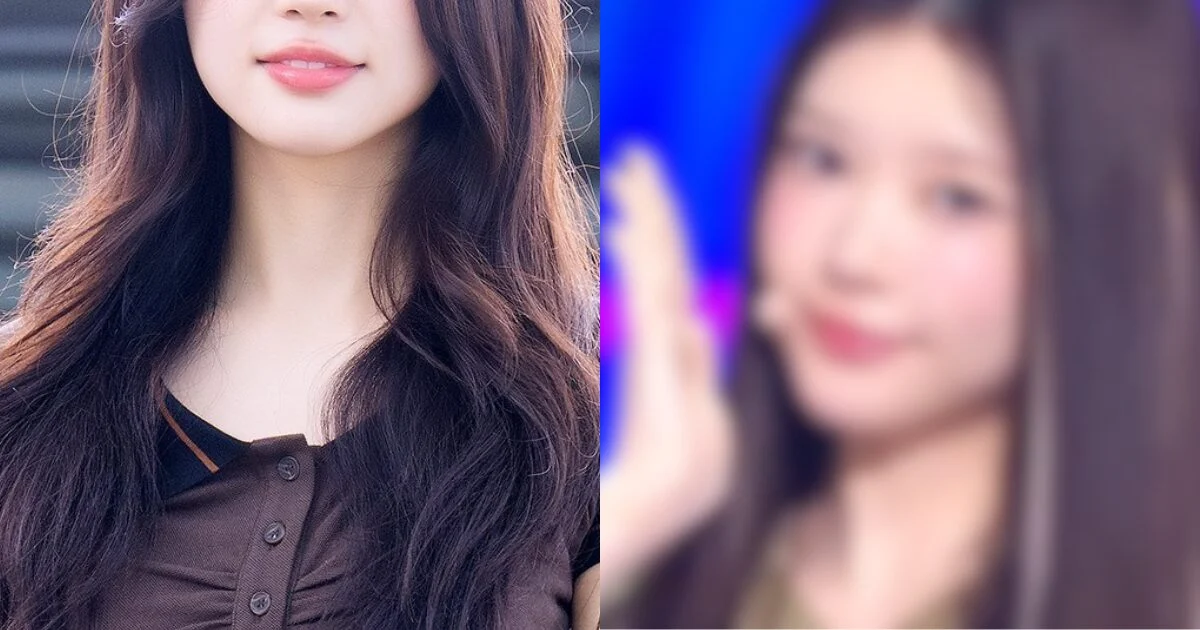
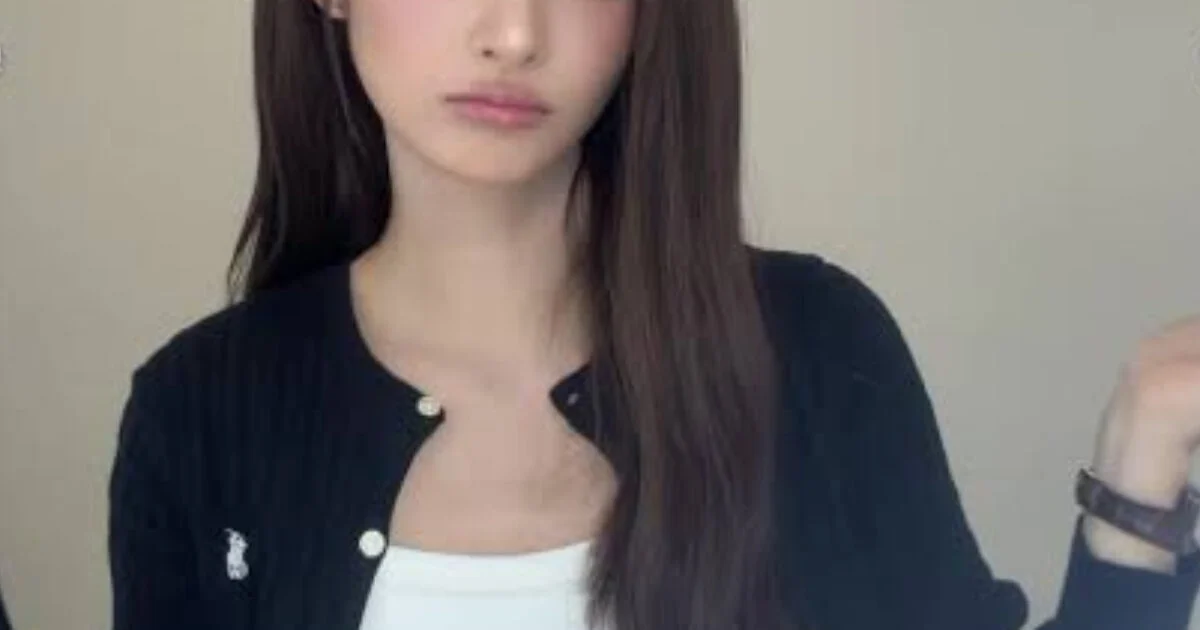
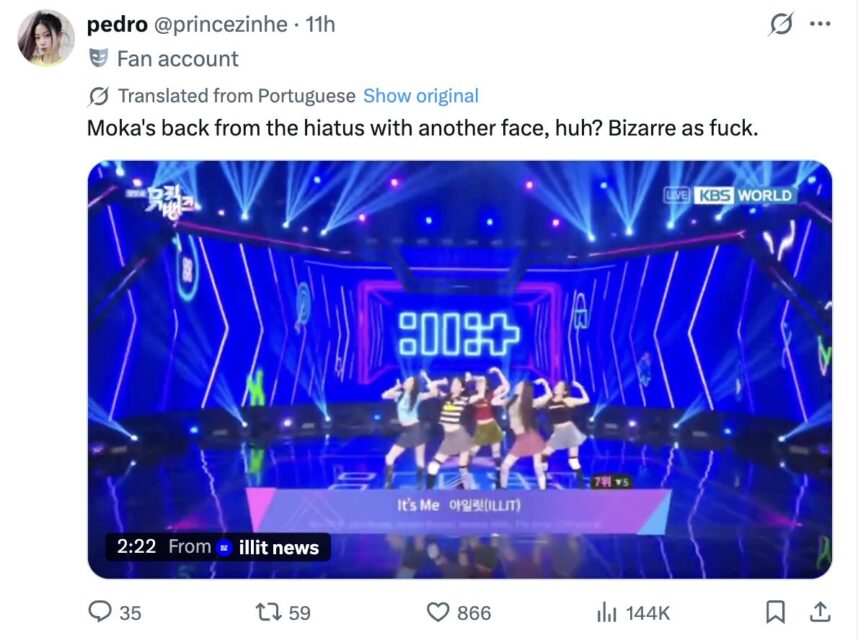
The discourse began to gain significant traction shortly after ILLIT’s performance on recent music broadcasts, where high-definition fan-taken photos and official broadcast clips were circulated across various social media platforms and K-pop community forums. Observers pointed to specific nuances in Moka’s features—particularly her eyes and lip shape—suggesting that they appeared different compared to her appearance prior to the hiatus. These observations quickly spiraled into a broader debate, highlighting the persistent and often unforgiving gaze directed at K-pop idols, especially those belonging to high-profile agencies like HYBE.
Chronology of Events and the "IT’S ME" Comeback
The timeline leading to the current controversy began with the announcement of ILLIT’s first major comeback of 2026, titled "IT’S ME." The group, which debuted in early 2024 following the survival show "R U Next?", had already established a significant domestic and international following. The "IT’S ME" era was positioned as a critical moment for the group to solidify their identity within the competitive "fifth generation" of K-pop.
However, mid-way through the promotional period, Belift Lab issued an official statement informing fans that Moka would be taking a temporary hiatus. The agency cited health issues and the need for adequate rest as the primary reasons for her absence, a move that is increasingly common in the industry as companies prioritize the long-term well-being of their artists. During this period, the remaining four members of ILLIT continued scheduled appearances as a quartet, maintaining the group’s momentum on music charts and variety programs.
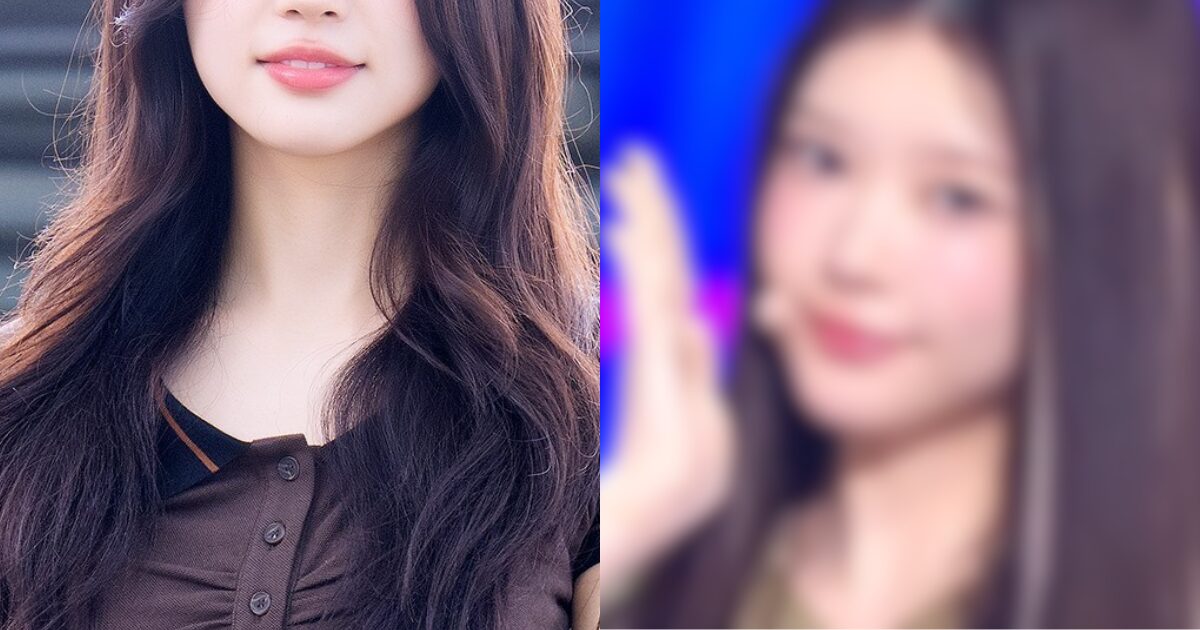
Moka’s return was strategically timed for the final week of "IT’S ME" promotions, intended to be a celebratory reunion for the full lineup. Her first appearance back on stage was met with enthusiastic cheers from the "GLLIT" (ILLIT’s fandom), but the narrative shifted within hours as "before and after" comparison photos began trending on platforms such as X (formerly Twitter) and South Korean community portals like Pann and TheQoo.
Analysis of Online Allegations and Fan Counter-Arguments
The allegations primarily center on the "visual" aspects of Moka’s return. Some netizens argued that the idol’s double eyelid line appeared more pronounced and that her lip volume had increased, suggesting she may have utilized her time away from the spotlight to undergo minor cosmetic procedures. One viral post on X claimed to see "a whole new lip and set of eyes," a sentiment that was echoed by several anonymous users who scrutinized her recent close-up shots from music show "ending fairies."
Conversely, a large contingent of fans and objective observers have moved to debunk these claims, attributing the perceived changes to standard industry variables. The primary arguments in defense of the idol include:
- Stage Makeup and Styling Techniques: K-pop is renowned for its transformative use of makeup. Different "concepts" for music videos and stages often involve varying techniques in contouring, eyelid tape, and over-lining lips. Fans pointed out that the styling for the final week of "IT’S ME" was notably different from the initial debut stages, which could easily account for a change in appearance.
- Weight Fluctuations and Health Recovery: Given that Moka’s hiatus was health-related, it is plausible that her face shape could have changed due to weight gain or the reduction of inflammation as she recovered. In the idol industry, even a slight change in facial "fullness" can drastically alter how features are perceived under harsh stage lighting.
- Lighting and Camera Angles: Professional music show cameras use intense lighting and various filters that can flatten or exaggerate facial features. Fans shared photos from different angles taken on the same day to demonstrate how lighting can create the illusion of cosmetic changes.
- The "Glow-Up" Phenomenon: As young idols mature, their facial features naturally sharpen and change. This "natural maturation," combined with professional skincare and grooming provided by top-tier agencies, often results in a more refined look that is frequently mistaken for surgery.
The Cultural Context of Plastic Surgery in the K-pop Industry
The scrutiny Moka is currently facing is not an isolated incident but rather a reflection of a long-standing cultural phenomenon within the South Korean entertainment industry. South Korea is often cited as a global hub for plastic surgery, and the pressure on K-pop idols to maintain "perfect" visuals is immense. This environment creates a paradox: while cosmetic enhancements are common and sometimes encouraged by agencies to meet rigorous beauty standards, the discovery or suspicion of such procedures often leads to public criticism or "shaming."
For idols under HYBE, the scrutiny is often magnified. As the most powerful conglomerate in the industry, HYBE’s artists are held to a standard of "natural yet perfect" beauty. When an idol takes a hiatus—regardless of the stated medical reason—it has become a recurring trope among cynical netizens to speculate that the break was actually a "recovery period" for cosmetic work. This cynicism often ignores the very real mental and physical toll that the idol lifestyle takes on young performers.
Official Responses and Artist Protection Measures
As of the time of reporting, neither Belift Lab nor HYBE has issued a specific statement addressing the plastic surgery rumors surrounding Moka. Traditionally, major agencies refrain from commenting on such allegations unless they cross into the territory of severe defamation or malicious harassment. Engaging with every online rumor is often seen as counterproductive, as it can give more visibility to the speculation.

However, HYBE has a well-documented history of taking strict legal action against "malicious commenters." The company frequently releases updates regarding legal proceedings against individuals who spread false information, post sexual harassment, or engage in personal attacks against their artists. In the case of ILLIT, who are still relatively early in their careers, the agency is likely monitoring the situation closely to ensure that the online discourse does not impact the mental health of the members or the brand reputation of the group.
Industry experts suggest that the "silence" from the agency is a strategic move to allow the news cycle to move on. In the fast-paced world of K-pop, rumors of this nature are often replaced by new headlines within days, provided the artist continues to perform and engage with fans normally.
Broader Implications for the Idol-Fan Relationship
The controversy surrounding Moka’s return highlights a growing tension in the K-pop ecosystem between the demand for transparency and the right to privacy. While fans feel entitled to know why an idol looks different, the dehumanizing nature of "analyzing" a young woman’s face for surgical scars or changes is increasingly being criticized by mental health advocates.
The impact of such allegations on an artist’s psyche cannot be understated. Returning from a health-related hiatus is already a vulnerable period for any individual; to have that return overshadowed by a public debate over one’s physical appearance adds a layer of stress that can impede actual recovery. This incident serves as a reminder of the "visual-centric" nature of the industry, where talent and performance are often secondary to aesthetic perfection in the eyes of the digital public.
Future Outlook for ILLIT
Despite the noise on social media, ILLIT’s "IT’S ME" comeback has been statistically successful. The group’s ability to maintain high chart positions even during Moka’s absence speaks to the strength of the group’s brand and the loyalty of their fanbase. As the group moves toward their next project, it is expected that the focus will shift back to their musical output and performance capabilities.
For Moka, the support from the "GLLIT" community remains a vital buffer against online negativity. In recent fan-sign events and live streams following her return, the idol has appeared in high spirits, focusing on her gratitude for being back with her members. Whether the rumors persist or fade, the incident underscores the intense environment in which modern K-pop idols operate—a world where every hiatus is questioned, and every return is scrutinized under a microscope.
In the final analysis, the "plastic surgery allegations" against Moka may say more about the observers than the subject herself. In an era of deepfakes, filters, and high-definition scrutiny, the line between reality and perception continues to blur, leaving idols like Moka to navigate a career where their very existence is a subject of public debate. Moving forward, the industry may need to address the sustainability of these beauty standards and the protection of artists’ dignity as they balance the demands of stardom with the realities of human growth and health.