Muhammad Ibadurrohman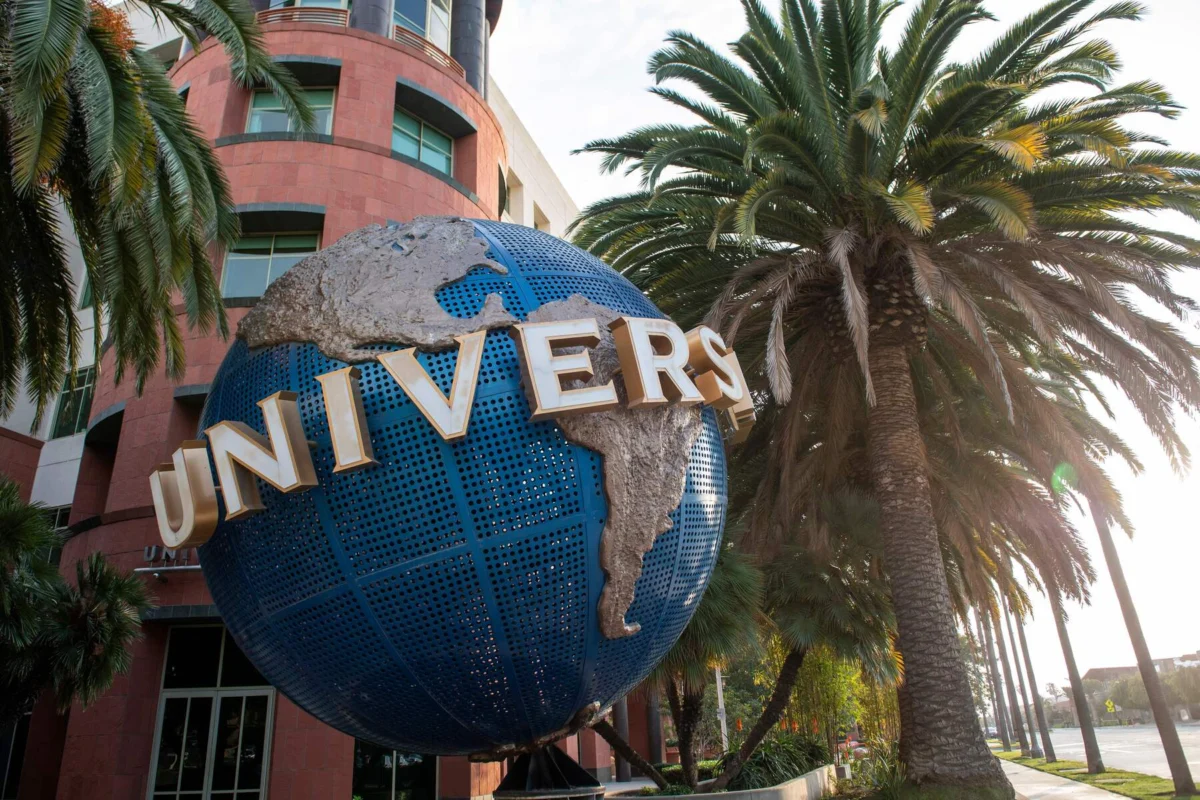
Universal Music Group (UMG), the world’s leading music company, announced on Friday, May 29, that its board of directors has decisively rejected a merger offer from investment firm Pershing Square, led by billionaire investor Bill Ackman. The proposal, initially submitted on April 7, sought to relocate UMG’s primary stock listing to a U.S.-based exchange. UMG’s board articulated its position in a press release, stating that Pershing Square’s bid "fundamentally and materially undervalues UMG and will not deliver superior value creation" for its shareholders. This rejection signals UMG’s commitment to its current strategic trajectory and its robust performance as an independently listed entity on Euronext Amsterdam.
The Rejected Proposal: A Bid for U.S. Listing and Restructuring
Pershing Square’s ambitious offer was designed to merge UMG with Pershing Square SPARC Holdings, a special purpose acquisition rights company (SPARC), and subsequently shift UMG’s corporate headquarters from the Netherlands to Nevada, United States. The ultimate goal was to list the combined entity on the prestigious New York Stock Exchange (NYSE). This move was a long-held ambition for Bill Ackman, who had reportedly been lobbying for a U.S. listing for UMG since at least 2024, believing it would unlock greater value for the music giant.
The financial contours of Pershing Square’s proposal were intricate and ultimately contentious. The offer valued UMG at approximately 55.55 billion euros (equivalent to about $64 billion at the time of the bid), predicated on Pershing’s expectation that UMG’s stock would reach 30.40 euros ($35) per share by the end of 2026. However, the proposal included alternative structures for shareholders, allowing them to elect to receive cash or a combination of cash and stock. Under these scenarios, the offer could have been as low as 22 euros per share, translating to a total valuation of approximately 40.34 billion euros ($43 billion). Crucially, this lower valuation would have positioned the deal at a price point below UMG’s valuation when it first went public in 2021, a point of significant contention for existing shareholders.
UMG’s Firm Stance and Investor Consensus
In its official statement, UMG highlighted that its board had engaged with a broad spectrum of concerned shareholders during its deliberation process. The company expressed confidence in a "strong consensus" among its investor base for declining Pershing Square’s offer. This widespread agreement underscored a collective belief that the bid failed to adequately reflect UMG’s intrinsic value and future growth prospects.

Sherry Lansing, Chairman of UMG’s board, unequivocally affirmed the board’s conviction in the company’s leadership and strategic direction. "UMG has built an unrivaled position in the music industry through clear vision and strong execution," Lansing stated. "The Board has full confidence in [UMG CEO Lucian Grainge] and his team’s ability to deliver sustainable growth and continued value creation for all stakeholders." This statement reinforced the board’s view that UMG’s current management is best positioned to guide the company’s trajectory without the proposed merger.
The Bolloré Group’s Decisive Opposition
A pivotal factor in the board’s rejection was the vocal opposition from UMG’s largest shareholder, the Bolloré Group. Owning a substantial combined 28% of UMG’s shares, the French conglomerate’s stance carried significant weight. Cyrille Bolloré, CEO of the Bolloré Group, publicly urged UMG’s board to reject the offer, emphasizing that the bid required his group’s support to succeed. His primary critique centered on the valuation, which he deemed too low. More pointedly, Bolloré questioned the structure of Pershing Square’s takeover bid, asserting that it was orchestrated "with our money, the company’s money…not with [Pershing founder Bill Ackman’s] own money." This criticism highlighted concerns that Pershing Square was leveraging UMG’s own capital or that of its existing shareholders to finance a deal that would disproportionately benefit the acquiring entity while diluting the value for current long-term investors. At the time of the bid, Pershing Square held roughly 5% of UMG’s stock, a figure that had decreased from a peak of around 10%. The proposed deal would have resulted in Pershing owning approximately 11% of the new, merged company.
UMG’s Strategic Counter-Measures and Strong Performance
In response to market criticisms and to proactively demonstrate its commitment to shareholder value, UMG had already initiated several strategic measures prior to the formal rejection of Pershing’s offer. During the company’s most recent earnings call, CEO Lucian Grainge announced that the UMG board had approved a doubling of its share buyback program, bringing the total to 1 billion euros. This move signaled a strong belief in the company’s undervalued stock and a direct mechanism to return capital to shareholders.
Furthermore, UMG disclosed its decision to sell half of its equity stake in Spotify, the leading audio streaming service. A significant and artist-friendly aspect of this sale was the commitment to distribute a portion of the proceeds to UMG artists in the form of non-recoupable checks. This move not only diversified UMG’s asset portfolio but also underscored its dedication to its core talent, reinforcing its reputation as an artist-centric label group. The company also pledged to disclose more detailed financial information, addressing one of Bill Ackman’s earlier criticisms regarding a perceived lack of transparency.
UMG’s robust financial performance since its initial public offering (IPO) in 2021 further buttressed its argument against Pershing’s undervaluation. The company reported a remarkable 60% increase in revenue and an almost 70% surge in adjusted earnings before interest, tax, depreciation, and amortization (EBITDA) since becoming a publicly traded entity. Beyond financial metrics, UMG has consistently demonstrated its unparalleled artistic prowess and market dominance, representing nine of the top 10 best-selling artists globally, according to the IFPI Global Artist Chart, for the past three consecutive years. This consistent track record of commercial and critical success paints a picture of a thriving enterprise with significant organic growth potential.

Bill Ackman’s Rationale and Unfulfilled Vision
In a letter outlining Pershing Square’s offer, Bill Ackman had presented a compelling case for the proposed merger and U.S. listing. He argued that UMG’s share price was "hurt by not being listed in the U.S.," which he believed limited its exposure to a wider pool of institutional investors and potentially hindered its inclusion in major stock indices. Ackman also pointed to a perceived "lack of publicly disclosed capital allocation plan and other key financial information" as factors that prevented investors from fully understanding the company’s intrinsic value and future prospects.
Ackman’s vision was rooted in the belief that a U.S. listing would provide UMG with enhanced liquidity, greater analyst coverage, and a more favorable valuation multiple typically associated with U.S.-listed media and entertainment companies. He envisioned a scenario where UMG, operating from a U.S. base and listed on the NYSE, would gain greater recognition and appeal among North American investors, thereby unlocking its true market potential. The rejection of his offer, however, means this vision for UMG will not materialize under Pershing Square’s leadership, at least for now.
A Brief History of UMG and its Market Dominance
Universal Music Group boasts a storied history and an unparalleled position within the global music industry. Originating from the consolidation of various historic record labels, UMG became a subsidiary of the French media conglomerate Vivendi. In September 2021, Vivendi spun off UMG, listing it on Euronext Amsterdam in one of Europe’s largest IPOs of the year. This move was intended to unlock value for Vivendi shareholders and allow UMG to operate with greater independence.
Since its IPO, UMG has continued to dominate the music landscape, housing an extensive roster of superstar artists across diverse genres and owning an expansive catalog of iconic recordings and publishing rights. Its global footprint, robust digital distribution network, and strategic investments in emerging markets have solidified its leadership. The company’s business model thrives on recorded music, music publishing, and merchandising, consistently adapting to the evolving digital consumption trends of the 21st century.
Broader Market Implications and Future Outlook

The rejection of Pershing Square’s offer carries several implications for both UMG and the broader financial and music industries. For UMG, it solidifies its commitment to its current independent growth strategy, focusing on organic expansion, strategic acquisitions, and continued innovation within the global music ecosystem. The board’s decision, backed by its largest shareholder and a "strong consensus" of investors, suggests that UMG believes it can continue to create significant value for shareholders while remaining listed on Euronext Amsterdam. The enhanced share buyback program, the Spotify stake sale, and the promise of greater financial transparency are clear signals of UMG’s proactive approach to addressing market concerns and optimizing shareholder returns.
For Pershing Square and Bill Ackman, this marks another high-profile attempt at a significant corporate restructuring that ultimately did not come to fruition. While Ackman has a track record of successful activist investments, the UMG bid underscores the challenges of navigating complex international corporate governance and securing broad shareholder support, especially when a powerful existing shareholder like Bolloré Group holds a substantial stake. The outcome may prompt Pershing Square to reassess its strategy for future SPARC or SPAC endeavors, potentially focusing on targets with simpler ownership structures or more receptive boards.
The wider market will observe how UMG’s stock performs in the wake of this rejection. On Friday, UMG’s share price stood at 19.50 euros ($22.63), showing a marginal increase of less than half a percent in after-hours trading. The company’s ability to continue its impressive growth trajectory and demonstrate superior value creation will be key to validating the board’s decision. Investors will be keenly watching for further details on UMG’s capital allocation plans and its performance metrics, especially in light of its promise for greater transparency.
Conclusion
Universal Music Group’s rejection of Pershing Square’s merger offer underscores its confidence in its standalone value and strategic direction. Backed by its largest shareholder and a broad investor consensus, the board’s decision highlights a belief that the bid fundamentally undervalued the music giant’s assets and future potential. As UMG continues to navigate the dynamic global music market, its commitment to maximizing long-term value for all stakeholders, attracting top talent, deepening fan engagement, and driving innovation remains central to its mission. CEO Lucian Grainge reiterated this commitment, stating, "We remain committed to leading the industry by attracting the world’s top talent, deepening fan engagement globally, and driving innovation. Central to that mission is fostering an environment that champions human creativity, protects artists, songwriters and entrepreneurs, and expands opportunities for growth and success. As we execute our strategy and deliver maximum long-term value, we look forward to providing shareholders with greater insight into the drivers of our performance and future direction of our business." The stage is now set for UMG to continue its journey as an independent powerhouse, charting its own course in the ever-evolving landscape of global entertainment.