Kholidah
The situation escalated following a recent live interaction where Dino, the youngest member of the world-renowned group SEVENTEEN, addressed the mixed reactions from his global fanbase, known as CARATs. His explanation, intended to provide clarity and reassurance, has instead intensified scrutiny toward his management agency, Pledis Entertainment, and raised questions regarding the creative direction of long-tenured idols within the HYBE subsidiary.
The Genesis of Pi Cheolin and the Solo Announcement
Pi Cheolin is a character born from the group’s highly popular self-produced variety series, Going SEVENTEEN. Portrayed by Dino, the character is the eccentric, trot-singing head of "BOMG," a fictional entertainment agency. While the character has been a source of significant humor and affection among fans for years, the transition from a variety skit to a professional solo music debut has proved polarizing.
In May 2026, Pledis Entertainment confirmed that Dino’s first physical solo mini-album would be titled Gilboard. The promotional materials immediately leaned into the Pi Cheolin persona, utilizing aesthetic cues from the Korean trot genre and comedic "ajusshi" (middle-aged man) tropes. This choice stands in stark contrast to the high-performance, contemporary pop image Dino has cultivated since SEVENTEEN’s debut in 2015.

The backlash was swift. Many fans expressed disappointment, arguing that after more than a decade of training and professional performance, Dino deserved a debut that highlighted his technical prowess in dance and his growth as a contemporary singer. The sentiment among the vocal segment of the fandom was that a comedic debut risked pigeonholing a versatile artist as a "gag character" rather than a serious soloist.
Dino’s Response: A Six-Month Deliberation
In a video clip that circulated widely across social media platforms on May 31, 2026, Dino addressed the skepticism directly. He revealed that the impetus for the Pi Cheolin solo project did not originate with him, but was a proposal put forward by Pledis Entertainment.
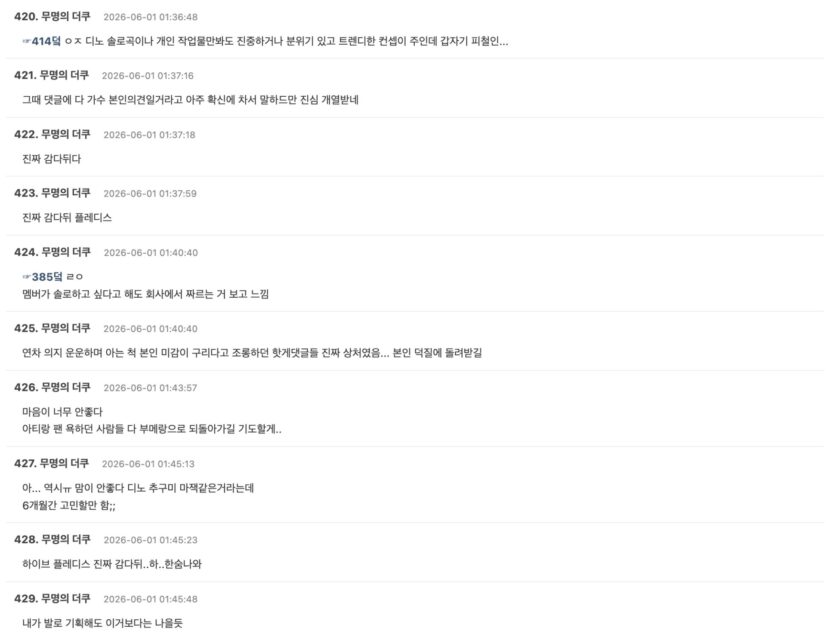
"I received the suggestion for this album from the company," Dino stated during the broadcast. He admitted to initial hesitation, revealing that he spent half a year contemplating the feasibility of the concept. "At first, I also thought, ‘Huh? Pi Cheolin? Really?’ I think I thought about it for six months. I kept running simulations in my head, like, ‘What would I look like if I came out as Pi Cheolin?’"
Dino explained that his eventual acceptance of the project was rooted in a desire for career longevity and artistic diversification. He suggested that as an artist who intends to remain in the industry for the long term, taking a "bold challenge" early in his solo career could broaden his artistic spectrum. He emphasized that the project allowed him to do something "other people had not done or could not do," framing it as a unique opportunity to showcase a different facet of his personality.

Fan Reactions and Agency Criticism
Rather than pacifying the audience, Dino’s transparency regarding the six-month deliberation period fueled further criticism toward Pledis Entertainment. Fans pointed to the length of his hesitation as evidence that the concept was not an organic creative choice, but one that the artist had to eventually "make up his mind" to accept.
The discourse online has split into two primary camps. One segment of the fandom supports Dino’s autonomy and his stated desire to take risks, arguing that the Pi Cheolin character allows for a level of creative freedom and "heung" (a Korean concept of joy and excitement) that a standard pop debut might lack. They contend that Dino’s skills are already well-documented and that this project serves as a high-concept performance piece.
However, a significant portion of the fanbase remains critical. Their concerns are grounded in several key areas:
- Artist Image: Critics argue that first impressions in a solo career are vital. By debuting as a parody character, Dino may struggle to be taken seriously as a soloist in the future.
- Opportunity Cost: Given the competitive nature of the K-pop industry and the busy schedule of SEVENTEEN, solo opportunities are rare. Fans feel this specific "slot" should have been used to cement Dino’s status as a "performance powerhouse."
- Company Influence: The revelation that the agency proposed the idea has revived long-standing complaints about Pledis Entertainment’s management of individual members’ branding.
Contextualizing the Soloist Landscape in K-pop
To understand the weight of this backlash, it is necessary to look at the precedent set by other members of SEVENTEEN. The group is known for its "self-producing" status, with members like Woozi, Hoshi, and Vernon having released solo mixtapes or singles that align closely with their established musical identities. Hoshi’s "Spider" and Dino’s own previous digital release "Wait" were lauded for their sophisticated choreography and modern soundscapes.

The shift toward a trot-inspired, comedic persona for a full mini-album represents a significant departure from this trajectory. In the broader K-pop landscape, solo debuts are typically designed to showcase "the real artist" behind the group identity. While comedic "sub-units" exist (such as SEVENTEEN’s own BSS), they are usually positioned as side projects rather than the primary solo debut of a main member.
The Trot Influence and Market Strategy
From a business perspective, the choice of a trot-inspired character may be a calculated move to tap into the massive domestic popularity of the trot genre in South Korea. Trot has seen a massive resurgence over the last five years, dominating television ratings and digital charts among older and middle-aged demographics.
By positioning Dino—a young, high-profile idol—within this genre, Pledis Entertainment may be attempting to bridge the gap between the idol fandom and the general public. If successful, Gilboard could achieve a level of domestic "viral" success that a standard pop release might not reach. However, this strategy carries the risk of alienating international fans, who are often less connected to the cultural nuances of Korean trot and variety-based humor.
Chronology of the Controversy
- Early 2021–2025: Pi Cheolin becomes a recurring character in Going SEVENTEEN, gaining a cult following for his comedic timing and exaggerated personality.
- November 2023: Dino releases "Wait," a solo digital single that showcases his skills as a contemporary performer, setting high expectations for his future solo work.
- May 2026: Pledis Entertainment announces Dino’s first solo mini-album, Gilboard, under the name Pi Cheolin.
- Late May 2026: Promotional teasers are released, confirming the comedic and trot-heavy theme of the album. Fans begin expressing dissatisfaction on platforms like X (formerly Twitter) and Weverse.
- May 31, 2026: Dino addresses the concerns in a live stream, admitting the concept was a company suggestion and that he deliberated for six months before agreeing.
- June 2026: The fandom remains divided as the release date for Gilboard approaches, with trending hashtags calling for better treatment and artistic respect for the artist.
Broader Implications for the Industry
The "Pi Cheolin" situation highlights a growing tension in the K-pop industry between "content-driven" branding and "artist-driven" branding. As variety shows and social media content become as important as the music itself, agencies are increasingly looking for ways to monetize the viral personas created in these spaces.
For Dino, the success or failure of Gilboard will likely determine the future trajectory of his solo career. If the album performs well on domestic charts and is embraced as a clever piece of performance art, it could validate Pledis Entertainment’s unconventional strategy. If it fails to resonate or permanently skews Dino’s professional image toward comedy, it may serve as a cautionary tale for other agencies considering similar "alter ego" debuts.
As of now, Dino appears committed to the project, stating that he is "preparing even harder and doing this with an even stronger determination." Whether this determination can bridge the gap between his comedic persona and his fans’ high expectations remains to be seen. The music industry will be watching closely when Gilboard officially drops, as it represents a unique experiment in the evolution of the K-pop soloist.