Mia Khoirunisa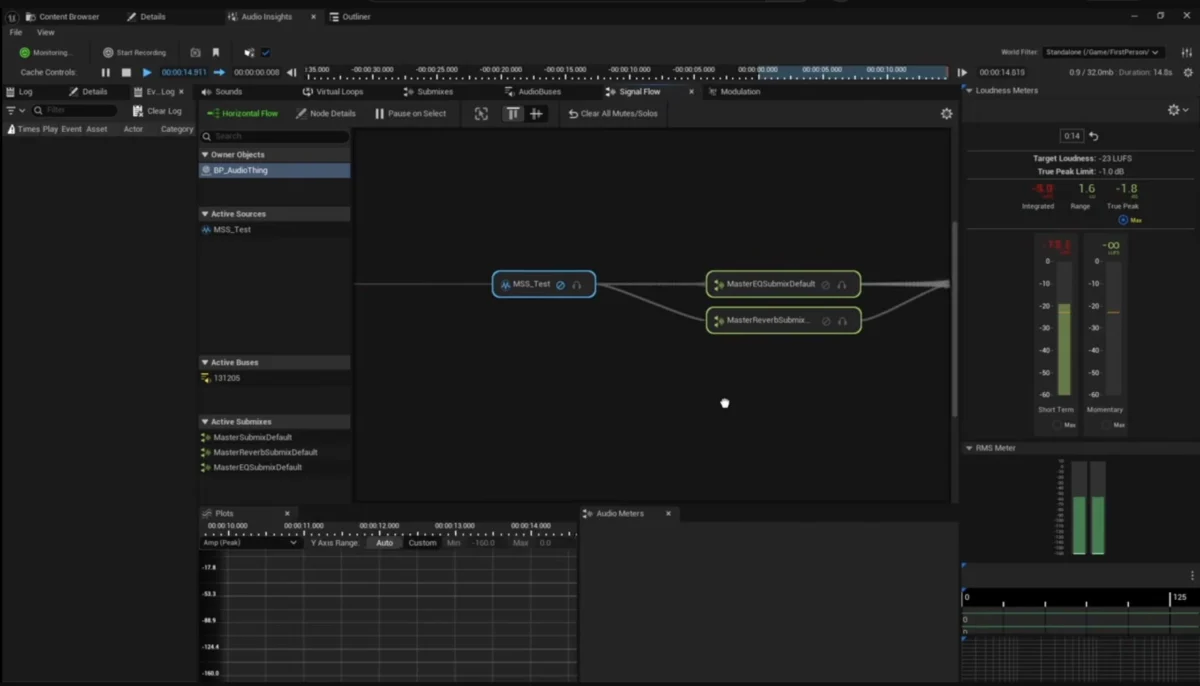
The recent wave of significant layoffs at Epic Games, which deeply impacted its audio and music development teams in March, has cast a shadow over the company. However, a beacon of hope for the continuation and evolution of their work emerges with the preview release of Unreal Engine 5.8. This latest iteration of the powerful game engine introduces a suite of advanced audio tools, including what many consider to be the most innovative sound development integrated into any game engine to date. The 5.8 release represents one of the most substantial advancements in audio capabilities for Unreal Engine, signaling a commitment to pushing the boundaries of sonic experiences in interactive media.
The Impact of Epic Games’ March 2026 Workforce Reductions
The layoffs, officially disclosed on March 24, 2026, saw approximately 1,000 employees depart Epic Games. The company cited a decline in "Fortnite engagement" as the primary driver for these significant workforce adjustments. For observers closely tracking the trajectory of Unreal Engine’s audio development, the strong emphasis on sound and music within the engine had long been perceived as intrinsically linked to the success and resource allocation of Fortnite. Consequently, a downturn in the game’s performance was always a potential precursor to cuts affecting these specialized teams. The March reductions indeed proved to be a profound blow to the audio and music divisions, notably resulting in the departure of Aaron McLeran, Unreal Engine’s Audio Director, alongside numerous other seasoned sound engineers and veterans with ties to Harmonix, a studio renowned for its pioneering work in music-based gaming titles such as FreQuency, Amplitude, Guitar Hero, Rock Band, and Dance Hero.
The departure of such a significant number of experienced professionals, many with decades of expertise in audio technology and game development, raises questions about the immediate future of ongoing projects and the long-term vision for audio innovation within Unreal Engine. The author’s personal connection to the work of these individuals, often followed more closely than the corporate entities they represent, underscores the human element of these workforce changes. The hope is that these talented individuals will find new avenues to apply their skills and continue to contribute to the advancement of audio technology in their subsequent endeavors.
Unreal Engine as a Crucial Platform for Audio Innovation
The continued integration and development of sophisticated audio tools directly within Unreal Engine are critically important. This internal development complements the robust functionality offered by leading third-party middleware solutions like FMOD and Wwise, which are industry standards for complex audio implementation in games and interactive experiences. Epic Games’ commitment to providing these advanced audio capabilities not only within the engine but also supporting their use in Fortnite, a platform with a massive global user base, has far-reaching implications for music and audio creators across various industries. Furthermore, the accessibility of Unreal Engine’s tools, which are provided free of charge, fosters an environment conducive to experimentation, learning, and the development of new sonic paradigms.
The sustained investment in Unreal Engine’s audio features, even in the wake of significant layoffs, suggests a strategic imperative to maintain and enhance its position as a leading platform for audio creation. This commitment is further evidenced by the continued work of key individuals, such as Ryan Challinor of Harmonix, who remains with Epic Games and was recently seen demonstrating advanced mixing features within Fortnite. This continuity is crucial for ensuring that the foundational work laid by the departed teams can be built upon and leveraged by those who remain and by the broader developer community.
A Deep Dive into Unreal Engine 5.8’s Audio Advancements
The preview release of Unreal Engine 5.8 signals Epic Games’ intent to continue delivering significant feature updates, even as the company navigates internal restructuring. The inclusion of advanced audio functionalities in this release offers encouraging signs that the innovative work undertaken by former employees will indeed see the light of day and continue to be developed.
Unreal Engine 5.8: A Comprehensive Update
Unreal Engine 5.8 is poised to be a significant release across its multifaceted specializations, extending far beyond audio. Enhancements are slated for rendering, character and animation systems (including physics rigging), MetaHuman Animator (now available on Linux and macOS), world-building tools (featuring mesh terrain capabilities), procedural content generation, and mobile development (with improved Android support, Gesture Events, and new iOS shaders). These broad advancements underscore Unreal Engine’s versatility and its application across a diverse range of industries, from augmented reality and industrial digital twins to VJing and the creation of 2D and 3D role-playing games.
Revolutionary Audio Features in UE 5.8
The audio-specific additions in Unreal Engine 5.8 are particularly noteworthy, promising to redefine sound design and implementation within the engine:
-
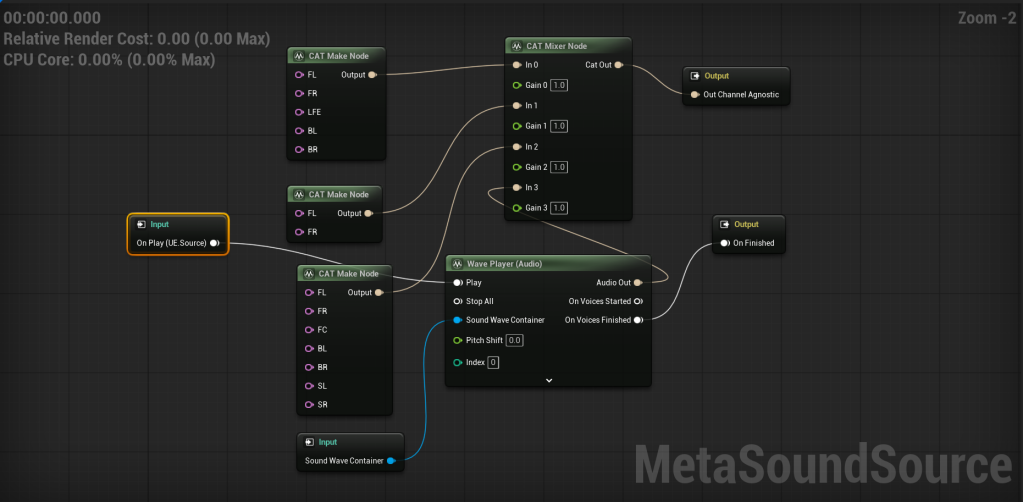
Format/Channel Agnostic Types (CAT): Arguably the most transformative feature, CAT technology allows MetaSound graphs to be rendered to virtually any channel configuration. This includes ambisonics, discrete channels, stereo, quad, surround, and advanced formats like Dolby Atmos. This experimental feature, while still in its early stages, offers musicians and composers unprecedented flexibility to explore and implement complex spatial audio designs. The "experimental" label on such advanced functionality often serves as an accessible entry point for creative exploration long before it becomes a production-ready standard for large-scale game development.
-
Channel-Agnostic Nodes: Complementing CAT, UE 5.8 introduces a suite of new channel-agnostic nodes. These include a revamped Wave Player 2.0, a CAT Mixer for channel-agnostic mixing, a Grain Player for granular synthesis, a Multiply node, and an updated Ladder Filter with multichannel capabilities. These nodes empower developers to build more intricate and flexible audio processing chains.
-
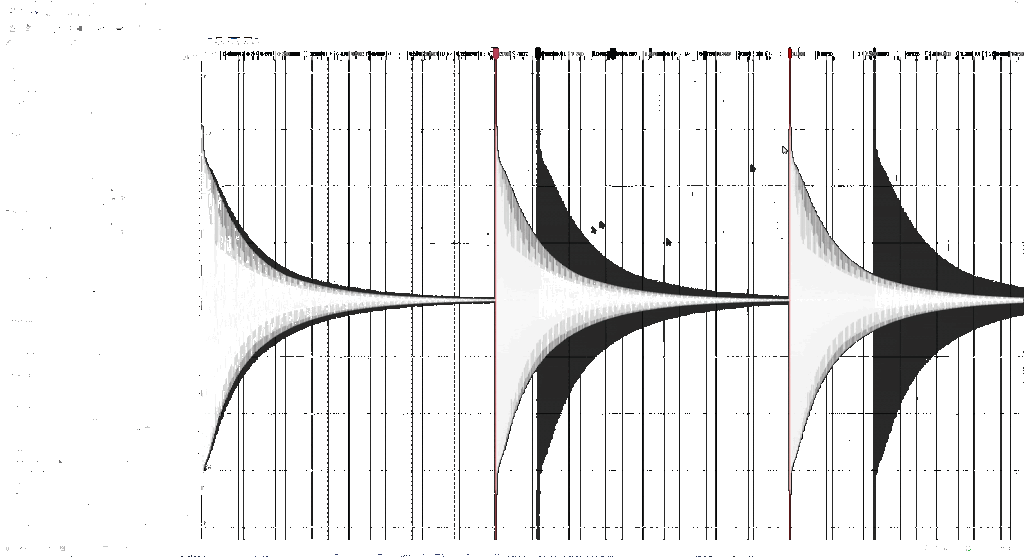
Enhanced Waveform Editor (Beta): The internal Waveform Editor receives a significant beta update, introducing much-anticipated features such as keyboard shortcuts, reimport options, Launch Transformations for simplified automation, and improved fade handling. A particularly valuable enhancement is the automatic updating of LUFS and Sample Peak metadata when transformation changes are applied to SoundWaves, ensuring asset metadata remains accurate without manual intervention.
-
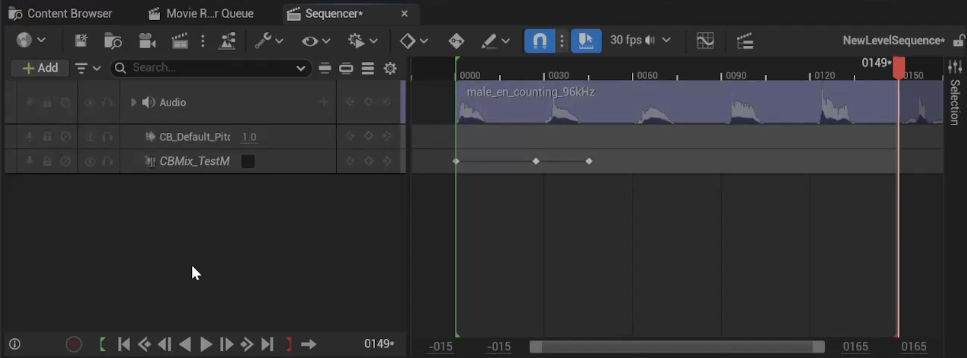
Audio in Sequencer: The integration of audio within the Sequencer timeline has been substantially improved. This update includes dedicated Control Bus and Control Bus Mix Tracks, refined looping mechanisms, deeper MetaSound integration, and a more intuitive workflow for audio-driven cinematics and animations.
-
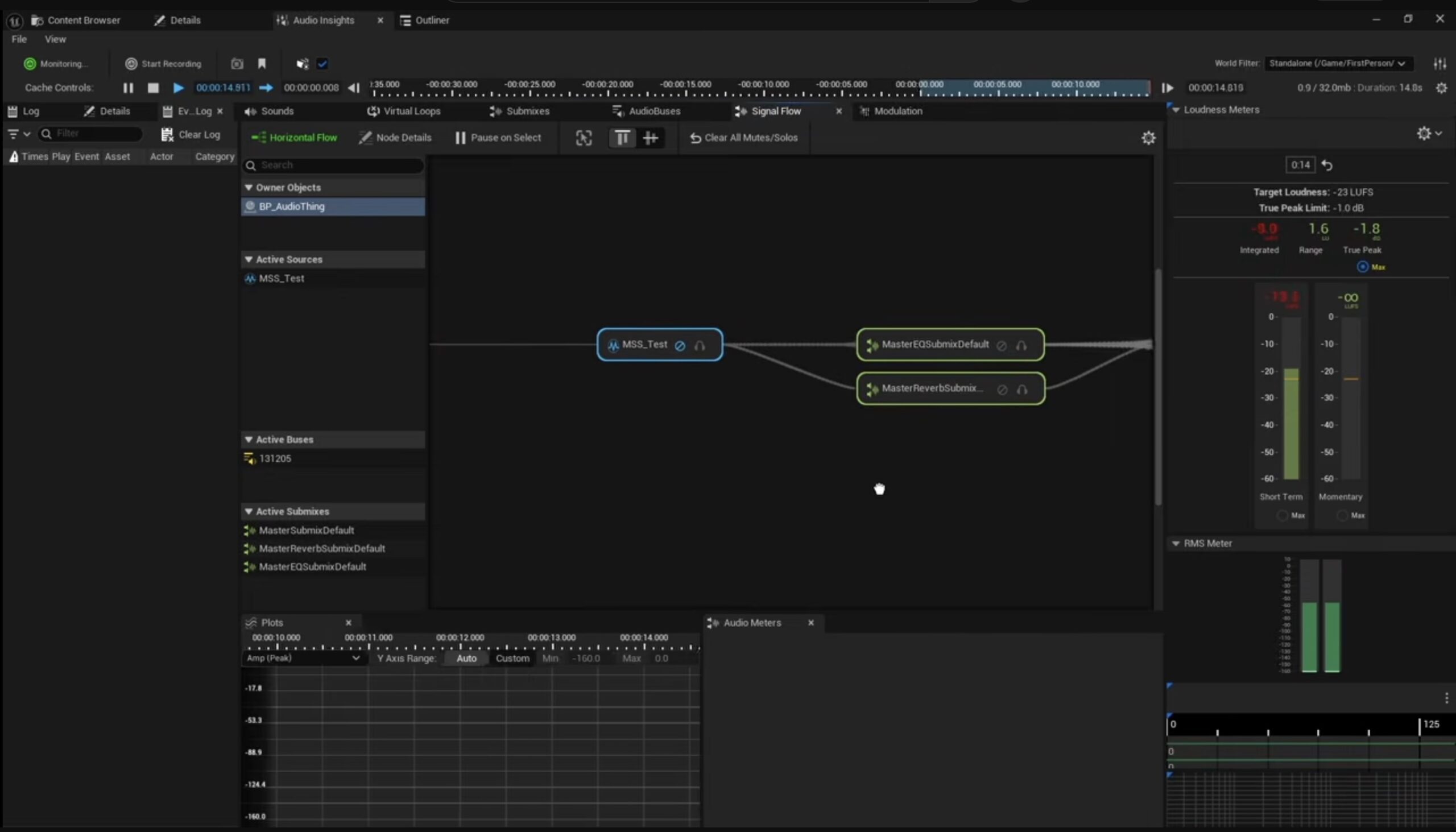
Audio Insights: This new feature provides a suite of visualizations and metrics for analyzing loudness metering, understanding signal flow, and monitoring live audio events. This is particularly relevant for Unreal Engine’s expanding use as a tool for live event production and broadcast.
-
Expanded Audio Subtitles (Beta): The audio subtitle system has been significantly expanded, offering more robust capabilities for localization, accessibility, dialogue, and chat integration. This feature is crucial for ensuring inclusive and immersive experiences for a wider audience.
-
MetaSound Templates and Node Configuration: The introduction of MetaSound Templates allows for the creation of reusable, C++ defined tools, which can be integrated with custom UMG widgets using the MVVM pattern. This feature, along with expanded experimental MetaSound Node Configuration, aims to reduce boilerplate code and streamline the process of designing complex sound systems within Unreal Engine. This opens avenues for developers to extend MetaSounds beyond Epic’s core offerings, addressing a wider range of creative and technical demands.
-
WASAPI on Windows: A critical backend update involves the transition from the legacy XAudio2 API to WASAPI (Windows Audio Session API) on Windows. This signifies a substantial modernization of Unreal Engine’s audio backend, moving away from an outdated architecture towards a more robust and efficient system. This module-based migration is a foundational improvement that underpins the entire audio pipeline.
The Broader Impact and Future Outlook
The innovations introduced in Unreal Engine 5.8, particularly in the audio domain, underscore Epic Games’ enduring commitment to providing cutting-edge tools for creators. Despite the challenges posed by recent layoffs, the continued development and release of such powerful features suggest that the company’s strategic investment in advanced audio technology remains a priority.
The implications for the game development industry are substantial. By integrating sophisticated audio tools directly into a widely accessible and free game engine, Epic Games democratizes access to high-fidelity sound design and immersive audio experiences. This empowers independent developers and smaller studios to compete with larger entities that may have previously relied on expensive proprietary solutions or extensive middleware licensing. The focus on channel-agnostic formats and advanced spatial audio technologies like Dolby Atmos aligns with the growing consumer demand for more engaging and lifelike audio in games and other interactive media.
The preview status of many of these features indicates that ongoing refinement and testing are expected. Developers adopting Unreal Engine 5.8 are encouraged to differentiate between "preview" functionality, which may be subject to change, and the more stable features available in official releases.
The preview of Unreal Engine 5.8, with its array of groundbreaking audio tools, serves as a testament to the innovative spirit and technical prowess that characterized the teams affected by recent layoffs. While the industry mourns the loss of talent, the continuation and advancement of this critical work within Unreal Engine offer a promising outlook for the future of interactive audio experiences. The dedication to providing powerful, accessible, and forward-thinking sound design capabilities solidifies Unreal Engine’s position as a leader in the game development landscape and beyond.