Mia Khoirunisa
Lebanon is grappling with a deepening humanitarian catastrophe, a stark paradox where the escalating state of emergency coincides with a noticeable decline in external support. In response to this critical juncture, the Lebanese music community has intensified its efforts, organizing a significant 12-hour global music fundraiser aimed at bridging Beirut with the international community. The event, spearheaded by Yaraka Radio, an independent online station, features a formidable lineup of international and Lebanese artists including DJ Haram, Hyper Gal, Marylou, Metro Al Madina, Model/Actriz, Moor Mother, Nabihah Iqbal, Snakeskin, Yasmine Hamdan, and Ziad Nawfal.
The broadcast commenced on Monday, running from 1 PM to 1 AM Beirut time, translating to noon to midnight Central European Time, 6 AM to 6 PM Eastern Time, and 3 AM to 3 PM Pacific Time. Yaraka Radio, known for its independent programming, has set a modest fundraising goal of $2,000, a figure that the organizers expressed hope to significantly exceed, underscoring the critical need for every contribution given the dire circumstances on the ground. Donations are being channeled through a dedicated GoFundMe campaign.
The Escalating Crisis: A Humanitarian Catastrophe and its Roots
The current humanitarian crisis in Lebanon is not an isolated event but rather a culmination of several interconnected factors, with recent escalations exacerbating existing vulnerabilities. At the heart of the current emergency lies the protracted conflict involving Israel and its impact on Lebanese civilians and infrastructure. Reports indicate that Israel’s actions have led to the forced displacement of over one million people from their homes in a country with a population of approximately five million. International humanitarian law unequivocally defines forced displacement as a war crime, highlighting the severe implications of these actions.
This widespread displacement exacerbates pre-existing inequalities and discrimination within Lebanon, disproportionately affecting vulnerable populations such as migrant workers. Compounding this crisis is the nation’s already collapsed currency and banking system, which has rendered essential services and economic stability virtually unattainable for a significant portion of the population. The breakdown of traditional infrastructure means that direct aid, bypassing potentially corrupt or inefficient systems, has become a crucial lifeline. This reliance on direct channels underscores the importance of local initiatives and the resilience of the Lebanese community in navigating multiple crises.
A Chronology of Escalation and Impact
The current wave of displacement and suffering is a direct consequence of escalating military actions. Evacuation orders, initially presented as temporary measures, have become de facto permanent displacements for many. Furthermore, the safety of returning to even relatively unaffected areas, including parts of Beirut, has been compromised. Israeli attacks, which reportedly did not cease even during periods of alleged ceasefire, have been particularly devastating for southern Lebanon. Thousands have lost their lives since the commencement of this latest cycle of hostilities. During a supposed ceasefire period, reports indicated an alarming rate of civilian casualties, with eleven children reportedly killed within a 24-hour span.
The targeting of vital infrastructure and essential services paints a grim picture of the conflict’s impact. Attacks have systematically targeted the ecosystem and food supply chains, impacting fishermen and beekeepers alike. Hospitals and medical facilities, crucial for treating the wounded and vulnerable, have also been hit. Water supplies have been disrupted, and residential areas have been directly attacked. The targeting of prominent civilian locations, including popular restaurant destinations, underscores the indiscriminate nature of some attacks.
A particularly grave concern is the systematic targeting and killing of paramedics and rescue workers. Reports detail instances of "double-tap" or "triple-tap" attacks, where rescue personnel arriving at the scene of an initial strike are subsequently targeted. These actions not only hinder immediate aid efforts but also constitute a direct violation of international humanitarian law protecting humanitarian workers. While Israel describes its targets as "Hezbollah" infrastructure, the collateral damage and civilian impact are undeniable, frequently amounting to collective punishment – another violation of international law. The article emphasizes that ignoring such violations, regardless of the actor involved (whether in Israel, the United States, Russia, or Sudan), erodes the universal value of human life and undermines international legal frameworks.
The repercussions of this crisis inevitably extend to the cultural and artistic spheres. The music scene, deeply intertwined with the fabric of Lebanese society, has been profoundly affected. Many artists and musicians have lost their childhood homes and face the devastating reality of their families being caught in the crossfire. Despite the historical sectarian and post-colonial complexities within Lebanon, the article notes a commendable sense of urgency and solidarity among the Lebanese artistic community, with individuals from across the country collaborating on mutual aid and fundraising initiatives.
Western Responsibility and the Power of Collective Action
The article highlights a particular obligation for Western nations to increase their support. It posits that industries, tax revenues, media narratives, and governmental policies in Western countries have, in various ways, contributed to arming Israel and defending its actions, thereby perpetuating regional instability and endangering citizens. In this context, the act of sharing and participating in fundraising efforts is presented not merely as an act of charity but as a crucial starting point for engagement and a tangible means of making a difference. The ripple effect of each individual contribution and each shared effort is seen as amplifying the message and raising awareness.
Previous Fundraisers and Their Impact
The current Yaraka Radio initiative builds upon a foundation of successful, community-driven fundraising efforts. "Labels for Lebanon," for instance, launched a fundraiser on Bandcamp during a May "Bandcamp Friday" and continued to collect donations over the weekend. Their appeal remains active, directing funds to Beit Aam, a Beirut-based arts NGO. The article expresses hope that this initiative will surpass its $10,000 goal, noting a significant increase in contributions since their last update.
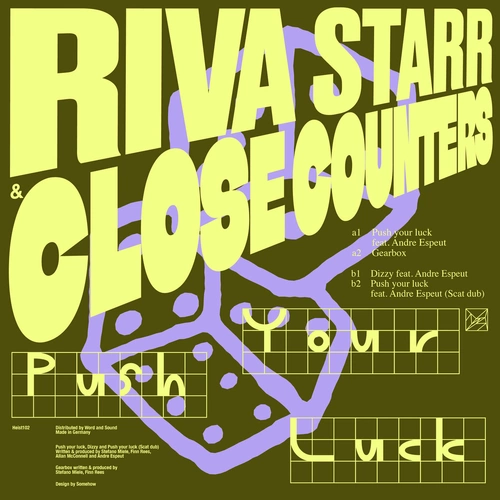
The "LAND compilation" is cited as another example of a successful fundraising project that generated substantial financial support. The organizers of this compilation have been commended for their transparent accounting of donations post-fundraiser, a practice crucial for maintaining trust and accountability. Images of the compilation’s artwork and social media updates demonstrate the visual and informational strategies employed to engage potential donors.
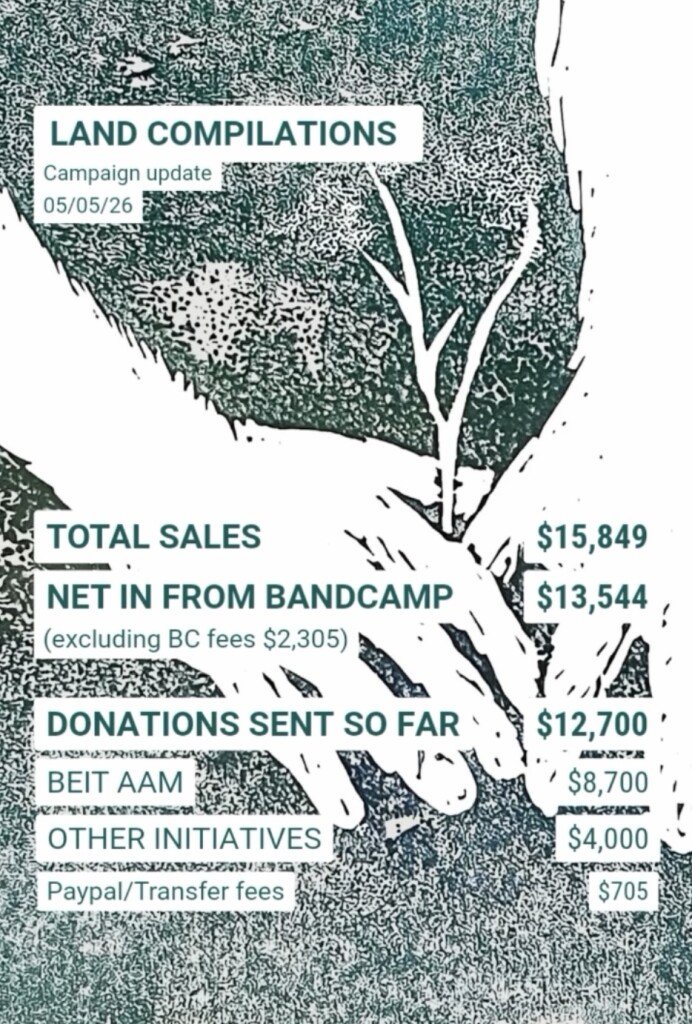
Beyond larger-scale compilations and label initiatives, the article emphasizes the importance of widespread, locally organized fundraising. It provides a powerful context for individual contributions, stating that even a few dollars can translate into multiple meals or essential supplies, citing a per-meal cost of approximately $1 USD reported by some NGOs. This highlights the profound impact of even modest donations in a country facing severe economic collapse and widespread food insecurity.
Yaraka Livestream: A Global Call to Action
The Yaraka livestream is presented as the latest iteration of this ongoing commitment from the Lebanese music community. The program for the 12-hour event is detailed, showcasing a diverse range of talent. The funds generated from this broadcast are designated for Beit el Baraka, an NGO dedicated to achieving food independence for Lebanese communities. A video featuring the director of Beit el Baraka, though older, remains relevant in its depiction of the ongoing crisis and the organization’s mission. The director’s testimony provides a human face to the statistics and underscores the critical nature of the work being done on the ground.
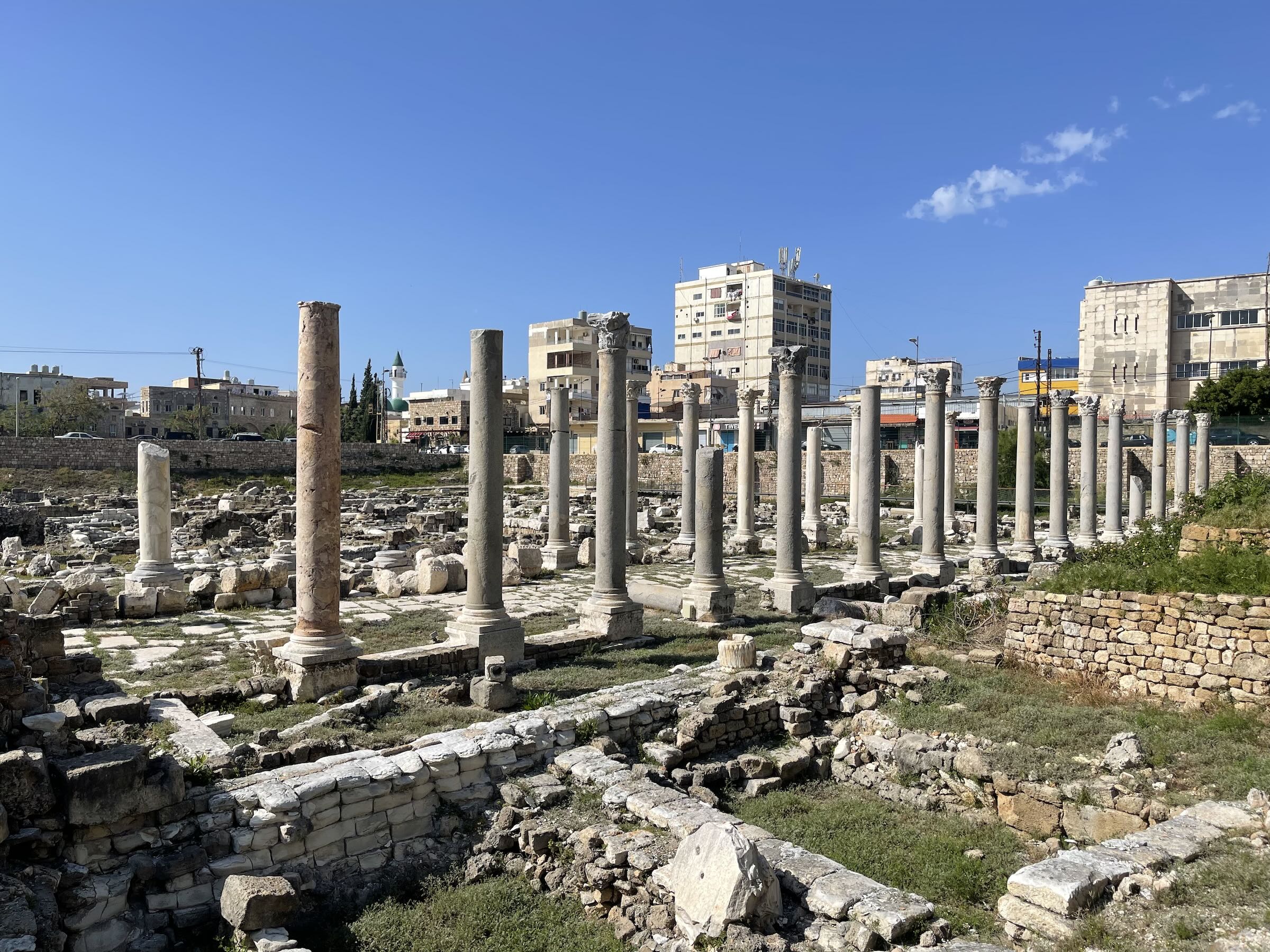
The article concludes with a poignant reminder of the tangible reality of the crisis, referencing a personal experience of witnessing a massive explosion near ancient ruins in Sour (Tyre), a site previously visited as a tourist destination. This personal anecdote serves to underscore that the conflict and its destructive impact are not abstract concepts but immediate and pervasive threats to Lebanon’s heritage and its people.
Call to Listen and Give
The article reiterates the direct calls to action: to listen to the livestream at https://yarakaradio.com and to contribute to the fundraiser at https://www.gofundme.com/f/yaraka-radio-fundraiser-for-lebanon?attribution_id=sl:279edfa8-f58a-445a-b8f7-8c9362cffd5f&lang=en_GB&ts=1779200031. The inclusion of specific links and timing information emphasizes the immediate and actionable nature of the appeal.
The ongoing efforts of Yaraka Radio and the broader Lebanese music community exemplify a powerful response to a multifaceted crisis. By leveraging their global reach and artistic networks, they are not only raising essential funds but also amplifying the voices of those affected and challenging the international community’s often-diminishing attention. The success of these initiatives hinges on continued awareness, solidarity, and tangible support from individuals and organizations worldwide. The article serves as a critical reminder that in the face of immense human suffering, collective action, however seemingly small, can forge a path towards resilience and recovery.