Reynand Wu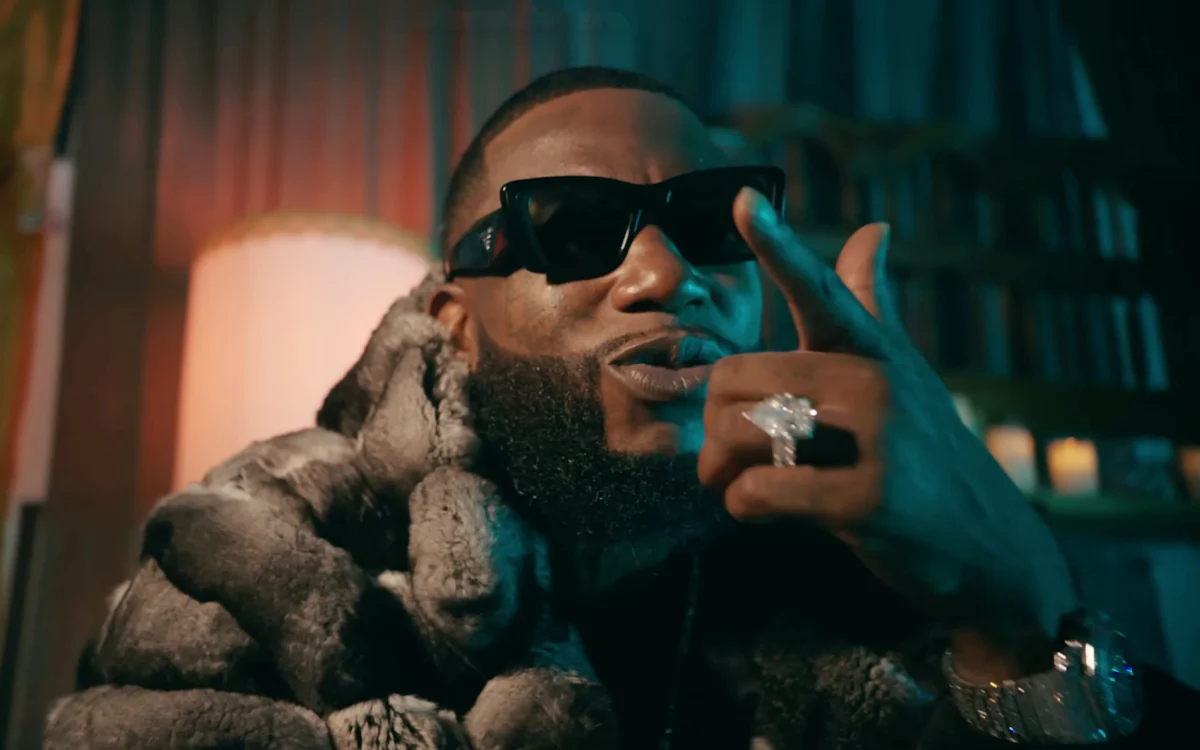
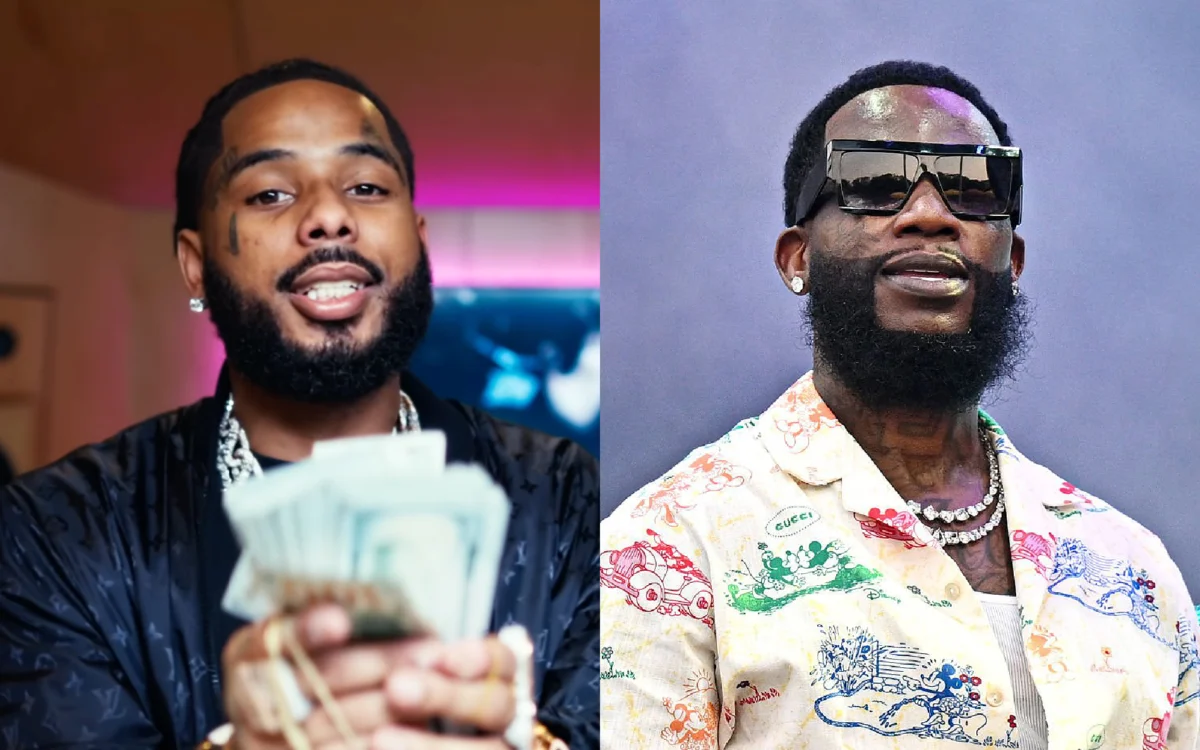
The landscape of modern hip-hop has been rocked by a dramatic legal and creative collision between industry mogul Gucci Mane and two of his most prominent former signees, Pooh Shiesty and Big30. Following the recent arrest of the Memphis-based artists on serious charges of kidnapping and robbery, Gucci Mane—born Radric Davis—has responded with a scathing new track titled "Crash Dummy." The song, produced by frequent collaborator Zaytoven, serves as both a musical rebuttal to the alleged betrayal and a defiant assertion of his dominance over his 1017 Records imprint.
The release of "Crash Dummy" on Friday, April 10, marks a significant escalation in a saga that began in a Dallas recording studio earlier this year. The track, which leans heavily into the minimalist, piano-driven trap aesthetic that defined Gucci Mane’s mid-2000s rise, finds the veteran rapper detailing his perspective on the January 10 incident. By addressing the allegations of extortion and contract coercion in his lyrics, Davis has effectively transformed a criminal case into a public-facing narrative battle, forcing the industry to confront the fragility of label-artist relationships.
A Chronology of the Conflict
The events leading to the release of "Crash Dummy" are grounded in a series of volatile developments. According to law enforcement reports and court filings, the incident occurred on January 10, 2026, at a professional recording facility in Dallas, Texas. The meeting, which was ostensibly arranged to discuss business operations and contract status, allegedly devolved into a high-stakes ambush.
Prosecutors allege that upon entering the studio, Gucci Mane and two other industry associates were confronted by Pooh Shiesty and Big30. The situation reportedly escalated when firearms were brandished, with the suspects allegedly demanding that Gucci Mane sign legal documents terminating Pooh Shiesty’s contract with 1017 Records. During the encounter, one of the victims was allegedly physically assaulted and choked to the point of near-unconsciousness.
The situation culminated in the arrest of nine individuals last week. Among those taken into custody was Lontrell Williams Sr., the father of Pooh Shiesty, highlighting the deep-seated nature of the alleged conspiracy. Following the arrests, a series of detention hearings revealed the gravity of the charges, with federal prosecutors pursuing severe counts of kidnapping and robbery.
Legal Ramifications and Detention Hearings
The judicial process has already yielded significant consequences for the defendants. During a hearing held earlier this week, a federal judge denied bond for Pooh Shiesty, citing his status as a repeat offender who was already on home confinement for separate federal gun charges at the time of the alleged studio ambush.
Judge Renee Harries Toliver noted the impossibility of setting bond conditions that would guarantee the safety of the community or ensure compliance, given the defendant’s previous disregard for judicial restrictions. Conversely, while Big30 was initially granted a $100,000 bond, the state successfully requested a stay, effectively keeping him in custody as the case proceeds toward potential trial. If convicted on all charges, both artists face the possibility of life imprisonment, a stark reality that underscores the severity of the alleged actions.
The investigation has also drawn public attention to the role of law enforcement and the cooperation of the victims. During the recent hearings, FBI Special Agent Pamela Hanson testified that the case against the nine defendants relies heavily on the detailed statements provided by Gucci Mane and his associates, who were contacted by members of the rapper’s security team shortly after the incident concluded. This cooperation, while standard in criminal proceedings, has sparked intense debate within hip-hop circles regarding the intersection of street culture, contractual disputes, and the legal system.
Analysis of the "Crash Dummy" Lyrics
In "Crash Dummy," Gucci Mane makes no effort to hide his disdain for his former proteges. The lyrics are layered with references to the specific nature of the betrayal. Davis raps, "I thought it was a business meeting, but it was a set up / I walk in the room, you can feel the pressure building." The track serves as a personal account of the emotional weight of the encounter, emphasizing his belief that he was targeted by individuals he had previously mentored and supported.
Perhaps most poignant are the lines addressing the financial and professional investment Davis made in Shiesty: "I’m that same n*gga that put money on your commissary." This reference to supporting the artist during his previous incarceration—which ended only in October 2025—highlights the irony of the situation. By framing himself as a mentor who was betrayed by those he elevated, Davis is attempting to control the narrative of his own victimhood while reinforcing his stature as the primary architect of the 1017 brand.
The track concludes with a somber, repetitive refrain: "I done been betrayed, now my heart turned cold." This suggests that the impact of the January incident extends beyond the immediate legal dispute, signaling a permanent shift in how Davis intends to manage his professional relationships moving forward.
Industry Implications and Broader Impact
The tension between Gucci Mane and the Memphis contingent of his label raises broader questions about the sustainability of modern hip-hop record labels. In an era where artists often leverage social media and direct-to-consumer platforms, the traditional label contract is increasingly viewed by some as an obstacle rather than a vehicle for success.
However, the alleged use of violence to resolve contractual disputes represents a dangerous evolution in the industry. The incident in Dallas serves as a cautionary tale regarding the lack of professional safeguards in high-pressure creative environments. Industry analysts suggest that this case could lead to increased security measures for major artists and a more rigid, formalized approach to high-level label meetings.
Furthermore, the legal fallout for Pooh Shiesty and Big30 serves as a sobering reminder of the consequences of resorting to criminal behavior to address professional grievances. As the court proceedings continue, the music community remains focused on the potential for a trial that could fundamentally alter the trajectory of these artists’ careers.
Conclusion
The release of "Crash Dummy" provides a visceral soundtrack to a complex legal drama. While Gucci Mane continues to navigate the aftermath of the robbery through the lens of his music, the judicial system is systematically dismantling the futures of those accused in the incident.
As the case moves toward potential litigation, the narrative is split between the creative expression of the victim and the cold reality of federal charges. For Gucci Mane, the song is a method of reclaiming his narrative; for the justice system, the focus remains on the specific statutes regarding kidnapping and armed robbery. Whether or not this track influences public opinion, the reality of the situation remains clear: a once-promising professional partnership has collapsed under the weight of alleged violence, leaving behind a trail of legal, creative, and personal destruction that will be felt throughout the industry for years to come. The coming months will likely see further disclosures as the trial dates are set, providing more clarity on the events of January 10 and the long-term implications for all parties involved.