Reynand Wu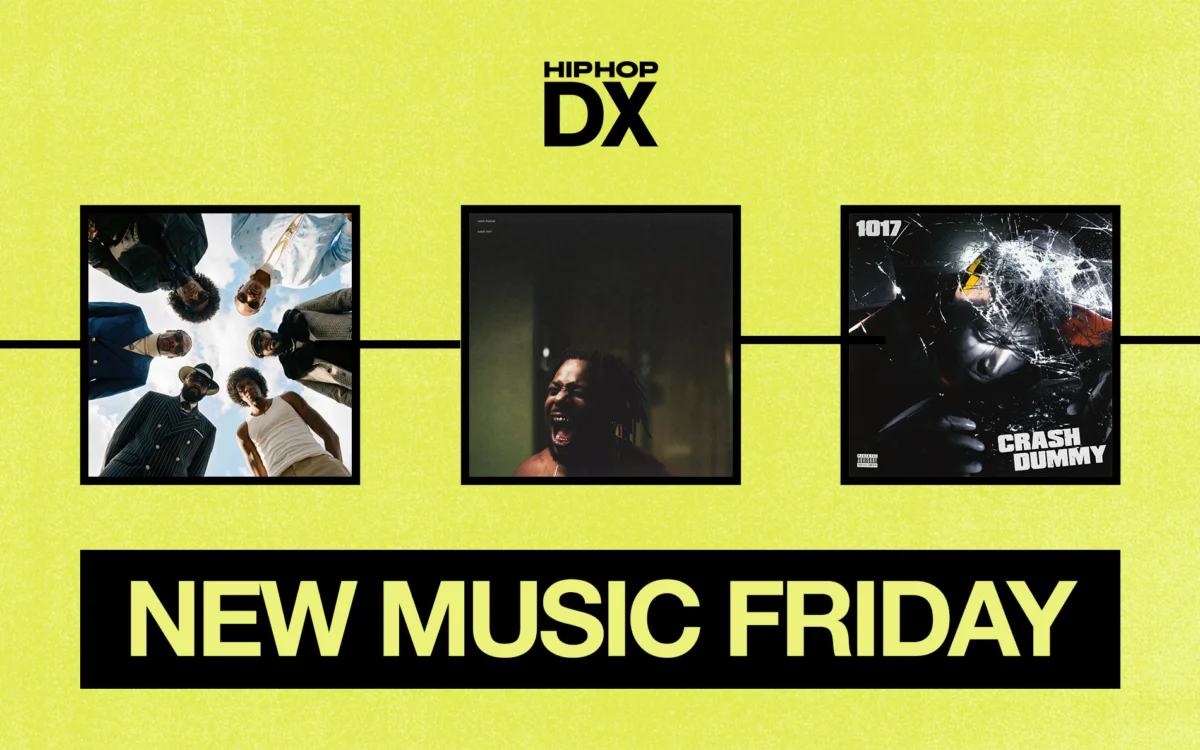
The landscape of modern music is defined by the constant tension between legacy and evolution, and this week’s industry-wide release cycle underscores that dynamic through a series of high-profile returns, strategic collaborations, and personal confrontations. From the long-awaited return of critically acclaimed lyricists to the calculated maneuvers of genre titans, the slate of music arriving this Friday reflects a broader trend toward long-form storytelling and the revitalization of established artistic identities.
The Return of the Lyricist: Isaiah Rashad’s Five-Year Hiatus
The most significant narrative in the hip-hop space this week centers on Isaiah Rashad. Following a five-year absence from solo studio albums, the Tennessee-born TDE signee has initiated the rollout for his third studio LP, It’s Been Awful, scheduled for release on May 1. The lead single, "Same Sh!t," serves as a thematic primer for the record, utilizing a heavy, southern-inflected production style—courtesy of Don Oskar, Mario Luciano, and Nate Hobden—to explore the repetitive psychological toll of stagnation.
Rashad’s return is particularly notable given the volatility of the current streaming era, where five years is often considered a career-defining gap. His ability to maintain a dedicated listener base during this hiatus highlights the endurance of the TDE brand and the specific, cult-like loyalty associated with Rashad’s introspective, often melancholic lyrical content. The implication of this release is twofold: it signals a stabilizing force for the Top Dawg Entertainment roster and sets a high benchmark for the "comeback" narrative in 2024.
Industry Titans and Strategic Collaborations
DJ Khaled, known for his proficiency in assembling star-studded commercial vehicles, has broken his own extended silence with "One of Them," featuring Future and Lil Baby. This track serves as the lead single for his 14th studio album, Aalam of God. The production, a collaborative effort involving Khaled, TM88, and a team of industry veterans, relies on the proven trap-pop synergy between Future’s melodic cadence and Lil Baby’s rapid-fire delivery. While the track adheres to the established "Khaled formula," its release prompts a conversation regarding the diminishing returns of high-budget collaborative singles in an era where algorithmic discovery often prioritizes niche, organic growth over star-power saturation.
Simultaneously, Snoop Dogg continues to leverage his ownership of Death Row Records to bridge the gap between classic G-funk sensibilities and modern production. His latest project, 10 Til’ Midnight, functions as a sonic companion to his recently released feature film. By reuniting with architects of his past sound—including Pharrell, Swizz Beatz, and Erick Sermon—Snoop is effectively curating a historical bridge, ensuring that his current output serves as both a contemporary album and a retrospective of West Coast production history.
Conflict as a Catalyst: The Gucci Mane and Pooh Shiesty Dispute
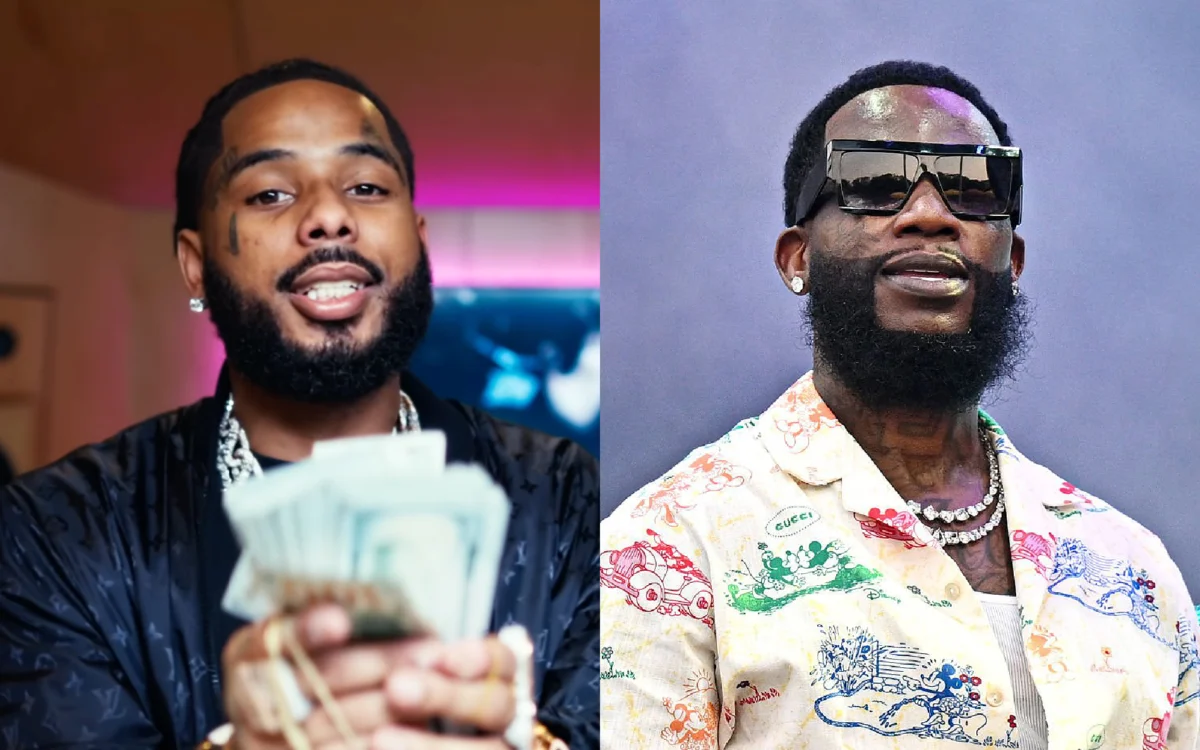
In a stark departure from the collaborative spirit of other releases, Gucci Mane’s "Crash Dummy" introduces a confrontational element to this week’s cycle. The track acts as a direct musical response to ongoing legal and interpersonal disputes involving former 1017 Records associates Pooh Shiesty and Big30. The legal context—stemming from federal charges related to the alleged kidnapping and robbery of Gucci Mane—provides a grim reality to the lyricism on display.
From an industry perspective, "Crash Dummy" highlights the persistent role of the "diss track" as a primary tool for public dispute resolution in hip-hop. By utilizing Zaytoven’s signature production, Gucci Mane reaffirms his position as a foundational figure in the trap subgenre, while simultaneously using his platform to address internal label betrayals. The release serves as a reminder of the often-precarious nature of artist-management relationships when legal liabilities are introduced.
Cultural Crossovers and Global Influence
The diversity of this week’s releases is further demonstrated by the unexpected genre-blending occurring at the intersection of pop and hip-hop. The collaboration between Doechii and Lady Gaga on "Runway," part of the The Devil Wears Prada 2 soundtrack, signals a strategic push to position Doechii within the mainstream pop consciousness. Produced by an A-list team including Bruno Mars and Andrew Watt, the track is indicative of the "prestige" soundtrack trend, where major films utilize high-profile musical pairings to generate pre-release buzz.
Similarly, the collaboration between Kehlani and Missy Elliott on "Back and Forth" serves as an intergenerational dialogue between two of R&B’s most distinct voices. The production, helmed by Khris Riddick-Tynes and The Stereotypes, emphasizes the cyclical nature of R&B trends, where legacy artists are frequently called upon to provide both validation and texture to the work of contemporary stars.
Analysis: The Proliferation of the "Surprise" Freestyle
The release of Yasiin Bey’s (formerly Mos Def) freestyle over the instrumentation of "Like That"—the track by Future, Metro Boomin, and Kendrick Lamar that recently dominated cultural discourse—represents a specific subset of modern music marketing. By utilizing a Substack channel for the release, Bey sidesteps traditional streaming platforms to offer a more direct, intimate engagement with his core audience.
This behavior is becoming increasingly common among legacy artists who prioritize creative autonomy over the competitive metrics of Billboard charts. The "freestyle" format allows for an immediate response to current events, effectively positioning the artist as a commentator on the state of the industry without the commercial pressure of a traditional studio cycle.
Comprehensive Overview of New Project Releases
The breadth of this week’s offerings is further bolstered by a wide range of projects catering to diverse sub-genres and regions:
- BossMan Dlow, Chicken Talkin Bastard: A project featuring a heavy rotation of regional heavyweights including G Herbo and DaBaby, reinforcing the dominance of the current Southern street-rap sound.
- Joyner Lucas, ADHD 2 Reloaded: This project demonstrates the "expanded edition" trend, where artists add star-studded features (Big Sean, Kodak Black, Chris Brown) to maximize the replay value of existing projects.
- DJ Muggs & T.F., Don’t Call Me Lucky: A masterclass in underground curation, featuring luminaries like Ghostface Killah and Boldy James, proving that the grittier, boom-bap aesthetic remains a viable commercial niche.
- Serial Killers (Xzibit, B-Real, Demrick), This Thing of Ours: A veteran-led project that emphasizes technical proficiency and the endurance of the West Coast supergroup format.
Broader Implications for the Music Industry
The data from this week’s releases suggests that the music industry is settling into a pattern where the "album cycle" is no longer a rigid timeline, but a fluid process. The success of artists like BossMan Dlow and the continued relevance of veterans like Snoop Dogg suggest that the market is currently bifurcated: one segment demands constant, high-speed output (the "streaming-first" model), while another segment prioritizes high-concept, curated returns (the "prestige" model).
Furthermore, the legal and social tensions underlying releases like "Crash Dummy" serve as a reminder that the music industry remains inextricably linked to the personal lives of its creators. The ability of an artist to weave these external pressures into their creative output remains one of the most potent drivers of listener engagement.
As the industry moves toward the summer months, the current trend of long-form projects—evidenced by the upcoming Rashad and Khaled albums—suggests a return to the "event" release. This shift may be a response to the fragmentation caused by short-form video platforms like TikTok, which have necessitated a move back toward substantial, multi-layered musical statements that demand long-term attention from the listener.
Ultimately, this week serves as a microcosm of the modern musical experience: a blend of high-stakes corporate strategy, genuine artistic evolution, and the persistent, unvarnished reality of the streets, all competing for a finite amount of listener attention in a saturated global market.