 Reynand Wu
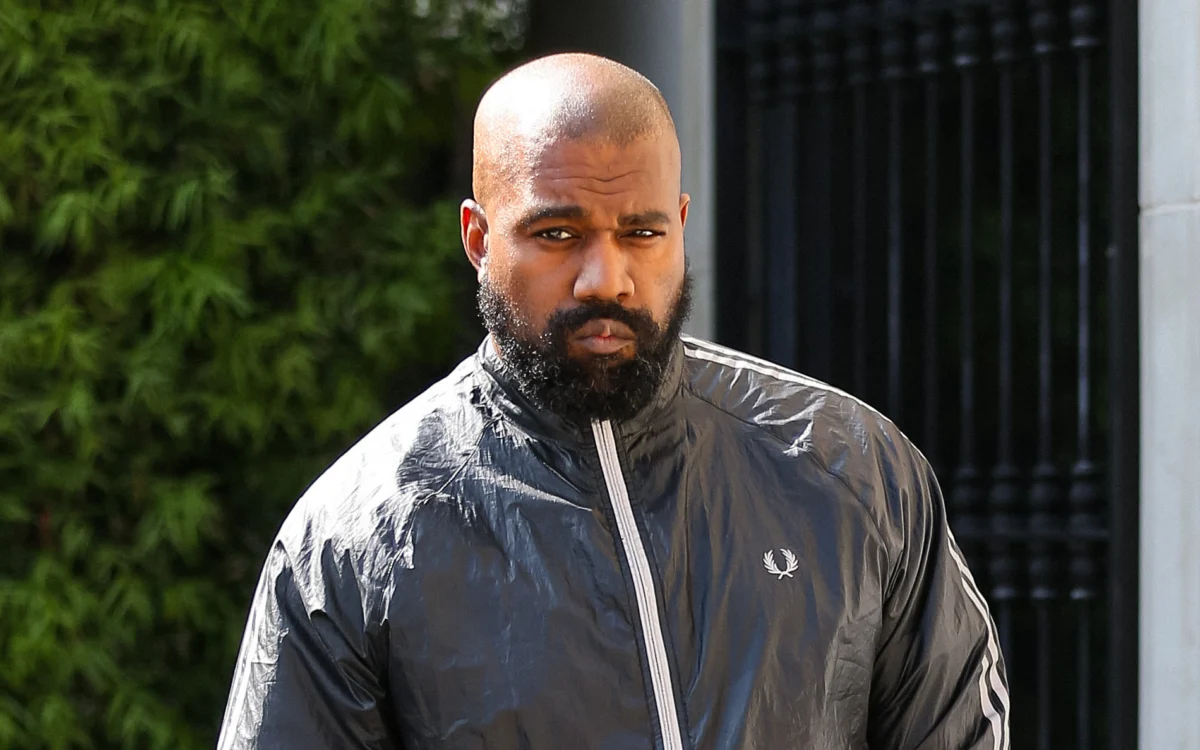
Wireless Festival, one of the most prominent fixtures in the United Kingdom’s summer music calendar, has been officially canceled following the British government’s decision to deny entry to the event’s sole headliner, Kanye West, who is professionally known as Ye. The London-based festival, which was scheduled to take place over three days from July 10 to July 12, released a formal statement on Tuesday, April 7, confirming that the refusal of the Home Office to grant the artist entry had rendered the production unfeasible. The organization confirmed that all ticket holders are entitled to an automatic full refund, bringing a sudden and costly end to months of logistical planning and high-profile controversy.
The decision by the Home Office to block West’s entry stems from an application made by the artist on Monday, April 6, via an Electronic Travel Authorisation (ETA). Following a review of the application, government officials concluded that his entry would not be “conducive to the public good,” a standard legal threshold often employed by the UK government to exclude individuals whose past behavior or stated views are deemed to pose a threat to social cohesion or public safety. This development represents a significant geopolitical obstacle for the artist, who has previously navigated intense public scrutiny in the United States without facing similar state-level travel prohibitions.
A Chronology of Escalating Tensions
The cancellation of Wireless Festival follows an intensive period of public and political pressure that began almost immediately after the announcement of West’s headlining residency. For several weeks, the festival organizers, led by managing director Melvin Benn of Festival Republic, faced a mounting campaign from advocacy groups, corporate sponsors, and high-ranking government officials.
The controversy centers on West’s history of public statements regarding the Jewish community and his past comments concerning Adolf Hitler. Since late 2022, these remarks have resulted in significant commercial consequences for the artist, including the dissolution of major brand partnerships and a widespread decline in his mainstream media presence. When it was revealed that West was slated to occupy all three nights of the Wireless Festival—a platform that traditionally draws tens of thousands of young attendees—the backlash reached a critical threshold.
By early April, the pressure transitioned from public discourse to tangible economic repercussions. Major sponsors, including beverage giant Pepsi, financial services firm PayPal, and multinational spirits company Diageo, withdrew their financial support from the festival. The withdrawal of these blue-chip partners signaled that the commercial viability of the event had become unsustainable. Simultaneously, political pressure intensified, with UK Prime Minister Sir Keir Starmer publicly labeling the booking “deeply concerning,” a move that signaled the government’s active interest in the matter.
The Stance of Festival Leadership
Prior to the government’s final decision, the festival’s management had adopted a defiant position, attempting to separate the artist’s musical output from his controversial personal rhetoric. In a statement released before the travel ban was finalized, Melvin Benn sought to frame the booking as a matter of artistic merit rather than political endorsement.
Benn argued that West’s music remained a staple of commercial radio and streaming platforms across the UK, suggesting that the public had already rendered a verdict by continuing to consume his work. "We are not giving him a platform to extol opinion of whatever nature, only to perform the songs that are currently played on the radio stations in our country," Benn stated. He further emphasized the importance of “forgiveness and giving people a second chance,” urging the public to look past the artist’s recent history.
However, this argument failed to resonate with the wider public, advocacy groups, or the UK government. The disconnect between the promoter’s desire to host a commercially successful concert and the social climate of the UK proved insurmountable, leading to the eventual collapse of the event.
Public and Organizational Responses
In a last-ditch effort to salvage the performances, West released a statement on Tuesday morning, attempting to address the concerns of his critics. He proposed that his intention was to “present a show of change” and to promote “unity, peace and love” through his music. Furthermore, West expressed a willingness to engage in direct dialogue with representatives of the British Jewish community.
The response from the Board of Deputies of British Jews was immediate and firm. In a formal rebuttal, the organization indicated that while it remained open to dialogue, such a meeting could only take place under the condition that West rescinded his appearance at the Wireless Festival. The Board maintained that the platform provided by the festival was incompatible with the process of meaningful, honest reconciliation.
Analysis: Implications for Global Touring
The cancellation of Wireless Festival marks a pivotal moment in the intersection of international touring and geopolitical accountability. For years, major music festivals have operated under the assumption that artistic performance is largely insulated from the political and moral failings of the performers. However, the UK government’s intervention suggests a shifting landscape where state-level regulators are increasingly willing to exercise their authority to bar artists who are deemed to be at odds with national values.
From an economic perspective, the loss of Wireless Festival represents a significant blow to the London entertainment sector. The festival contributes millions of pounds annually to the local economy through tourism, staffing, and secondary spending. The loss of sponsorship revenue and the costs associated with processing mass refunds will likely result in a substantial financial deficit for Festival Republic.
Furthermore, this event sets a precedent for how promoters and venues may approach the booking of controversial figures in the future. The "moral clause" in many artist contracts, which traditionally covers criminal behavior or contractual breaches, may now need to be expanded to include social and political conduct that could trigger government intervention or sponsorship withdrawal.
The Contrast: Domestic vs. International Reception
The situation in the UK stands in stark contrast to West’s recent activities in the United States. In the weeks leading up to the scheduled London shows, West successfully performed two sold-out concerts at the SoFi Stadium in Los Angeles. These events, held in support of his latest album, Bully, featured high-profile collaborators such as Lauryn Hill, Travis Scott, and Don Toliver, and did not experience the same degree of institutional pushback seen in London.
This discrepancy highlights the differences in how the United States and the United Kingdom approach free speech, public order, and the rights of international visitors. In the U.S., constitutional protections for expression provide a broad shield for performers, even those who espouse widely condemned views. In contrast, the UK Home Office maintains broader discretionary powers to exclude foreign nationals from entry, particularly when their presence is deemed a potential catalyst for public disorder or social friction.
The Path Forward
As of this writing, there have been no further statements from West’s management regarding potential legal challenges to the travel ban. The UK Home Office has also maintained its position, emphasizing that the decision was made following a comprehensive review of the specific circumstances surrounding the applicant.
For the organizers of Wireless Festival, the immediate priority remains the logistical process of issuing refunds to thousands of ticket holders. The long-term impact on the festival’s reputation and its ability to secure future talent remains to be seen. Industry analysts suggest that the event will need to undergo a significant restructuring of its booking and vetting processes if it hopes to regain the trust of its former sponsors and the general public.
The events of this week serve as a sobering reminder of the complex responsibilities held by global entertainment entities. As the boundaries between personal expression and public accountability continue to blur, the music industry faces a new era of scrutiny. The cancellation of Wireless Festival is not merely an isolated incident of a canceled show; it is a profound indicator of the growing tension between the global marketplace for culture and the sovereign mandate to maintain public order and social standards. Whether this event marks a permanent shift in how major festivals operate remains a subject of intense debate among industry insiders, yet the immediate result is clear: the intersection of music, politics, and social values has claimed one of the industry’s most significant platforms.