 Muhammad Ibadurrohman

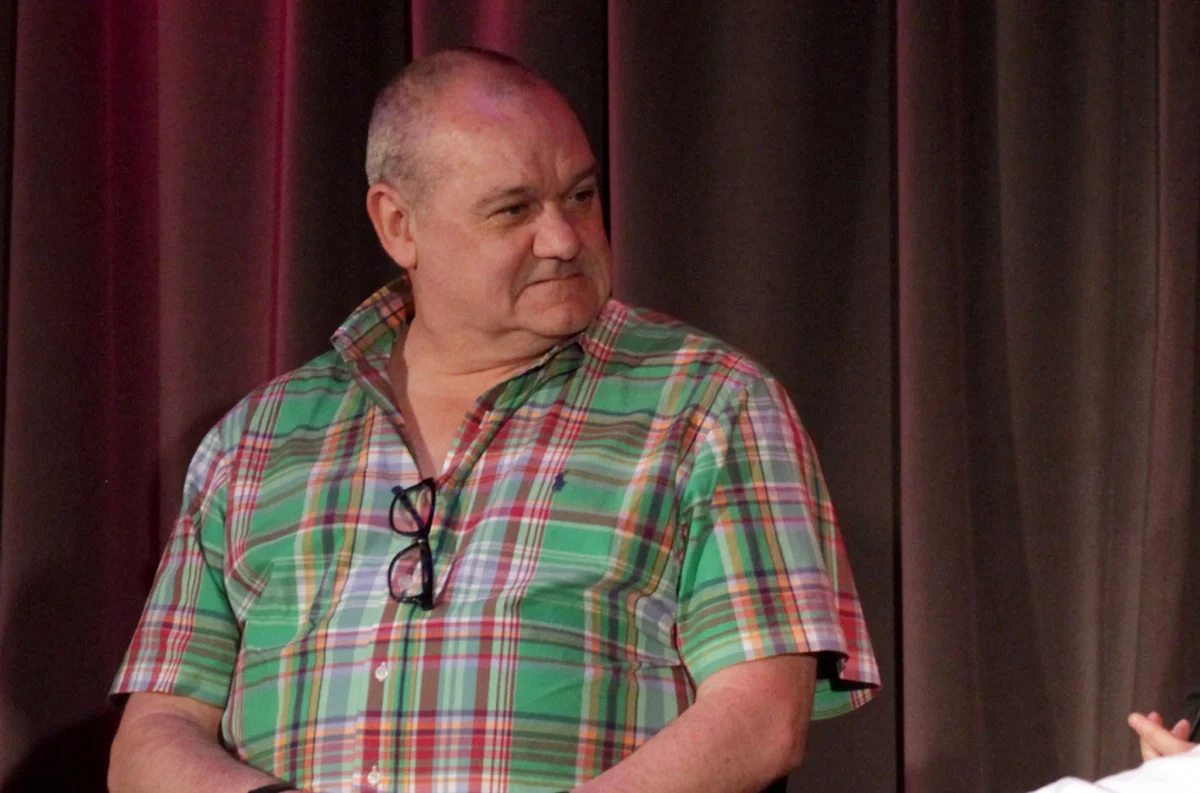
Nineteen years after Radiohead famously disrupted the traditional music distribution model with the pay-what-you-want release of In Rainbows, the fundamental mechanics of the music industry are undergoing a secondary, more profound transformation. At the Amsterdam Dance Event (ADE) 2026, Cliff Fluet, co-head of media and entertainment at the U.K.-based law firm Lewis Silkin LLP, synthesized decades of industry upheaval to argue that the current struggle for dominance is no longer centered on pricing or distribution, but on the proprietary ownership of the direct-to-fan relationship.
Speaking to a capacity crowd during his keynote session, "The State Of Things With Cliff Fluet," held on October 23, 2026, the analyst outlined a roadmap for how technology, artificial intelligence, and decentralized data are stripping away the traditional gatekeepers of the music business. His presentation served as a centerpiece for the ADE Pro track, which hosted 188 distinct programming sessions this year, reflecting a record-high level of industry engagement in the face of shifting market dynamics.
Historical Context: The Radiohead Precedent
To understand the current state of the industry, Fluet urged observers to look back to 2007. When Radiohead offered In Rainbows to fans at any price point, the industry was reeling from the twin threats of peer-to-peer file sharing and the obsolescence of the physical CD. The dominant narrative of that era suggested that the recording industry was in a state of terminal decline.
However, Fluet posits that this interpretation was fundamentally flawed. Radiohead’s experiment was not a manifesto on the devaluation of intellectual property; it was an early, sophisticated bid for autonomy. By bypassing the traditional record label hierarchy and collecting email addresses and direct transaction data from their fanbase, the band proved that control over the audience is the most valuable commodity in the music ecosystem. Nearly two decades later, this principle has become the blueprint for modern success, as platforms like Spotify, Apple Music, and TikTok attempt to commoditize the very relationships that artists are now desperate to reclaim.
The New Architecture of Industry Power
The power dynamic in 2026 is defined by a shift from the "gatekeeper" model—where labels and radio stations determined who reached the listener—to a "platform-agnostic" model. Fluet’s analysis highlights that while streaming services currently hold the distribution leverage, the rise of AI-driven content and fragmented social media engagement is creating a new hierarchy of power.
- The Sovereignty of Data: In the current ecosystem, the entity that holds the customer data—be it the artist’s own mailing list, a proprietary app, or a fan-community token system—holds the power. Those who rely solely on third-party algorithms are finding their influence increasingly diluted by platform policy changes.
- AI as a Scalability Tool: AI is no longer merely a creative novelty but an operational necessity. Fluet argues that the most successful players are using generative AI not to replace the human element, but to automate the labor-intensive aspects of audience engagement, such as personalized content creation and global translation for international markets.
- Disintermediation: The rise of independent distribution services has lowered the barrier to entry so significantly that the traditional "label services" model is struggling to justify its overhead. Artists are increasingly opting for "a la carte" service deals rather than the monolithic contracts of the early 2000s.
A Chronology of Disruption: 2007–2026
The trajectory from the Radiohead experiment to the present day is marked by several pivotal milestones that have reshaped the landscape of music commerce:

- 2007: Radiohead’s In Rainbows release challenges the conventional pricing model, sparking a debate on the value of digital music.
- 2011–2015: The "Streaming Transition." Spotify gains global traction, shifting the industry from a transactional model (sales) to an access model (subscriptions).
- 2018–2021: The "Creator Economy" boom. Platforms like TikTok fundamentally alter music discovery, prioritizing short-form viral potential over traditional radio play.
- 2023–2025: The "AI Integration Era." Large-scale language models and generative audio tools begin to integrate into production and marketing pipelines.
- 2026: The current state of "Fan Ownership." The focus shifts to decentralized finance, fan-gated experiences, and the total integration of the fan into the artist’s business model.
Analytical Implications: Who Holds the Cards?
The implications of Fluet’s insights are significant for stakeholders across the industry. For labels, the message is clear: the passive collection of royalties is a business model in decline. To remain relevant, legacy companies must pivot toward being "relationship managers" for their artists, providing the high-level infrastructure required to manage global fan databases.
For artists, the shift represents both an opportunity and a burden. While the barriers to reaching an audience have effectively evaporated, the requirement to be a data analyst, community manager, and content creator has increased the administrative load on talent. The successful artist of the late 2020s is effectively a small media conglomerate.
Furthermore, the role of AI presents a double-edged sword. While it allows independent acts to operate with the efficiency of a major label, it also risks saturating the market to the point of total invisibility. As content generation costs drop to near zero, the premium value of "human connection" and "brand loyalty"—the very things Fluet identifies as the ultimate power—will likely skyrocket.
Industry Reaction and The Road Ahead
Industry veterans at the ADE Pro sessions responded with cautious optimism to Fluet’s projections. Many attendees noted that while the theory of direct-to-fan engagement is sound, the execution remains complex due to platform fragmentation. A representative from a major music distributor, speaking on condition of anonymity, noted that "Fluet is correct that the power is shifting, but the sheer effort required to maintain a proprietary fan database across 20 different social and streaming platforms is something that still requires the scale of a traditional label."
The consensus following the event suggests that the industry is entering a phase of consolidation. As the "Wild West" of streaming-led growth stabilizes, companies that can bridge the gap between AI-driven efficiency and genuine, human-centric fan communities will emerge as the dominant forces of the next decade.
Conclusion
The evolution from the 2007 Radiohead model to the present day demonstrates a consistent trend: the erosion of middle-man influence. Cliff Fluet’s analysis at ADE 2026 serves as a definitive look at the current power structure, emphasizing that in a world where music is abundant and distribution is frictionless, the only scarce resource is the attention and loyalty of the individual fan. As the industry moves toward 2030, those who successfully pivot to capture, curate, and monetize these relationships will be the ones who define the future of music.
The takeaway for industry professionals is an imperative to move away from purely volume-based strategies and toward depth-based strategies. Whether through direct digital interactions, exclusive fan experiences, or the intelligent use of data, the goal remains the same as it was in 2007: maintaining a direct, meaningful connection with the audience. As the digital landscape continues to evolve, this focus on the human connection will likely remain the ultimate arbiter of success in the music business.