 Lana Akmaluna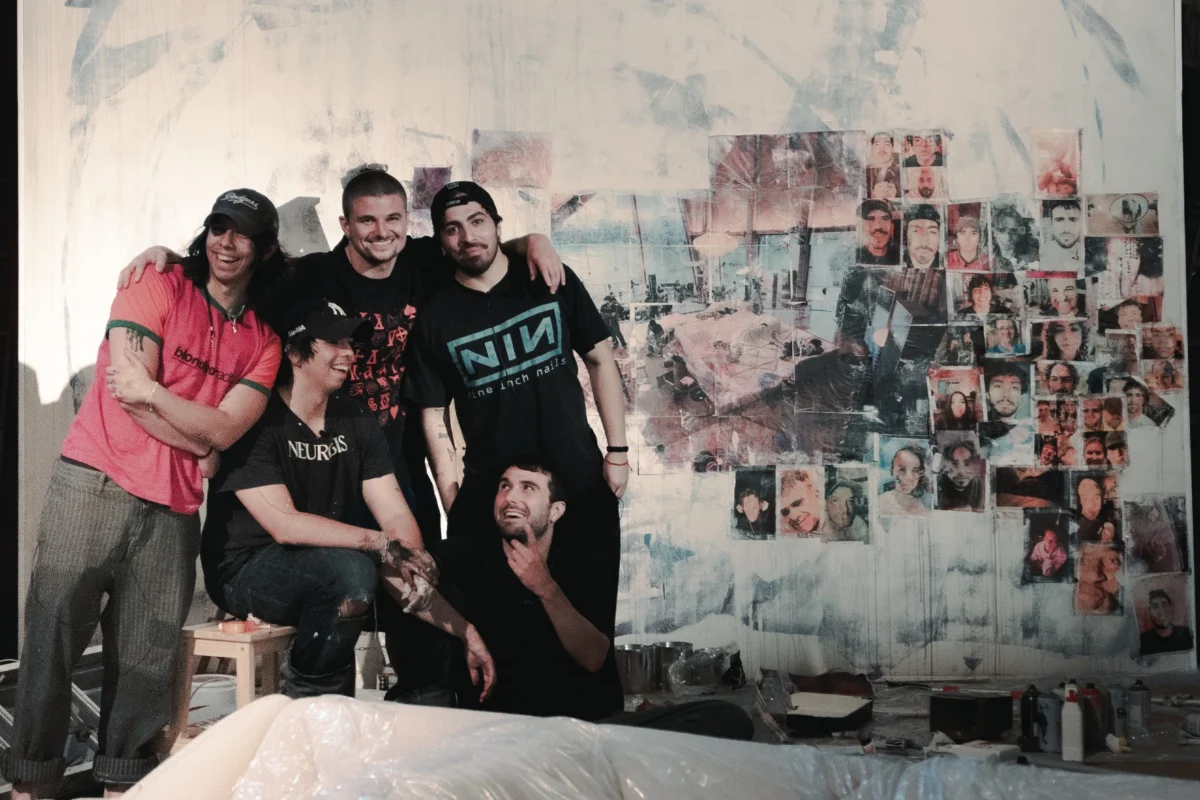
The contemporary landscape of popular music often prioritizes polished perfection, algorithmic predictability, and rapid, frictionless content delivery. However, a counter-movement anchored in radical transparency has steadily gained ground, spearheaded by the Mexican indie-pop band Latin Mafia and British electronic music innovator Fred again… Comprising brothers Milton, Emilio, and Mike de la Rosa, the Monterrey-born trio has systematically dismantled conventional barriers between artist and audience. Their joint project, the 14-track studio album 9 Months & 50 Hours, released via Fred again../Atlantic/AG Records, stands as a defining milestone in modern cross-genre collaboration. The record not only dominated multiple Billboard charts upon its release but also fundamentally re-engineered how musical vulnerability is captured, shared, and consumed in the digital age.
The Genesis of a Transatlantic Partnership
The creative alliance between Latin Mafia and Fred again.. began to take shape through mutual admiration and international digital exchange before culminating in a physical meeting that would alter the trajectory of both acts. In late 2025, the musicians signaled their developing partnership by releasing an unvarnished documentary via YouTube. This visual artifact granted fans an intimate look into their collaborative writing sessions, establishing a precedent of openness that would define the entire campaign.
The momentum generated by the documentary reached critical mass in mid-2026 with the formal announcement and rollout of 9 Months & 50 Hours. Rather than adhering to the traditional industry formula of isolated studio recordings pieced together over months by separate teams, the core creators chose an audacious path of public immersion. The album’s creation was anchored by an unprecedented 50-hour continuous livestream broadcasted live from Lago Algo, situated within Mexico City’s historic Chapultepec Forest.
For three intense days and nights, the artists composed, arranged, recorded, and inhabited a temporary glass-walled studio environment while thousands of viewers watched the artistic process unfold in real-time. This high-wire act of public creation was not initially conceived as a grand marketing stunt; rather, it emerged spontaneously during a casual dinner in Mexico City attended by Latin Mafia and Lucy Hickling, Fred again..’s creative director. Amid brainstorming sessions regarding how to break traditional recording molds, Hickling documented ideas that quickly materialized into an execution plan implemented just weeks later.
Chronology of a Chart-Dominant Release
The rollout of 9 Months & 50 Hours followed a carefully structured timeline that maximized digital engagement while securing traditional commercial milestones:
- Late 2025: Latin Mafia and Fred again.. release a behind-the-scenes documentary on YouTube, offering the first public glimpse into their cross-cultural creative synergy.
- Mid-2026: The artists announce a 50-hour continuous recording session in Mexico City’s Chapultepec Forest.
- July 31, 2026: The 14-track album 9 Months & 50 Hours is officially released worldwide through Fred again../Atlantic/AG Records.
- Immediate Post-Release: The record debuts at No. 1 on the Top Latin Pop Albums chart, secures No. 8 on the Top Latin Albums chart, and lands at No. 9 on the Top Dance/Electronic Albums chart.
- Fall 2026: Lead singles, notably "Te estoy correteando," achieve massive streaming milestones, driving Latin Mafia’s expansion into major international festival circuits, including Camp Flog Gnaw in Los Angeles.
Commercial Performance and Chart Metrics
The commercial reception of 9 Months & 50 Hours validated the artistic risk taken by its creators. Upon its debut, the album secured top-tier placements across diverse genre classifications, reflecting its unique hybrid of Latin pop sensibilities and electronic club production. Most notably, the project opened at No. 1 on Billboard’s Top Latin Pop Albums chart, underscoring the growing mainstream appetite for innovative fusions within the Latin music sector. Simultaneously, the album placed at No. 8 on the broader Top Latin Albums chart and No. 9 on the Top Dance/Electronic Albums chart, demonstrating cross-format appeal that few crossover projects achieve.
Individual tracks from the record mirrored this chart dominance. The standout focus track, “Te estoy correteando,” a playful cumbia infused with intricate electronic textures, debuted at No. 1 on the Hot Latin Pop Songs chart. Bolstered by 1.5 million official streams within its first tracking week, the single also claimed the No. 2 position on Hot Tropical Songs, No. 7 on Hot Dance/Electronic Songs, and No. 13 on the overall Hot Latin Songs chart. Other key tracks, including the narrative-expanding "Julietota"—a conceptual sequel to their viral hit "Julieta"—and the emotionally raw collaboration "Patadas de ahogado" featuring Humbe, further fortified the album’s commercial footprint.
The Philosophy of Radical Vulnerability
At the heart of Latin Mafia’s artistic ethos is a deliberate rejection of the detached, nonchalant persona frequently cultivated by contemporary pop acts. In an era dominated by calculated coolness, the de la Rosa brothers have staked their reputation on emotional transparency.
"We wanted people to see that the entire creative process is exhausting, slow, and complicated," Milton de la Rosa explained in interviews surrounding the album’s release. This sentiment was put into literal practice during the Chapultepec Forest livestream, where viewers witnessed moments of creative block, exhaustion, and breakthrough alike.
This commitment to exposure mirrors the psychological concept of exposure therapy. The band previously navigated a similar emotional precipice with their earlier full-length project, Todos Los Días Todo El Día. According to the members, writing and releasing music rooted in deeply personal experiences acts as a double-edged sword: it engenders profound connections with listeners who see their own struggles reflected in the lyrics, but it requires the artists to relinquish privacy and emotional armor.
"We don’t really know how to regulate [our emotions]; we just let them out," the members shared, noting that while expressing thoughts in the studio comes naturally, the subsequent phase—releasing those intimate confessions to a global audience—remains the ultimate vulnerability test.
Industry Implications and the Rise of Alternative Latin Pop
The success of Latin Mafia signals a broader structural shift within the global music economy. For decades, regional Latin sounds and mainstream pop operated within well-defined, localized silos. The rise of borderless collaborations, facilitated by digital connectivity and shared production philosophies, has created a fertile ecosystem for artists who refuse to be bound by genre constraints.
By partnering with an electronic producer of Fred again..’s caliber, Latin Mafia did not dilute their cultural identity; rather, they amplified it, demonstrating that Latin music can seamlessly intersect with UK garage, ambient electronic textures, and club-oriented percussion without losing its emotional core. This sonic fluidity has positioned Latin Mafia as a vital case study for the "Latin Artist on the Rise" trajectory, proving that artistic integrity and commercial viability are not mutually exclusive.
Expanding the Creative Universe: The GAD Publication
Latin Mafia’s creative output extends far beyond standard audio recordings and music videos. The trio has systematically invested in multi-disciplinary storytelling, most notably through their independent print publication, GAD (an acronym for Gracias a Dios).
Conceived as a comprehensive photo-book magazine, GAD documents the tumultuous, formative period surrounding the creation of their earlier work and the lifestyle that sustains their art. The publication merges diverse visual mediums—including high-end film photography, raw digital captures, and casual smartphone documentation—to offer fans a tactile archive of the band’s journey.
"The idea is for it to be a collection of everything that happened," Milton explained regarding the magazine’s format. "And it’s a magazine we really wanted to make because it’s also a project we want to take in different directions. The idea behind the name is that we truly believe you can thank God for everything, even for the simplest things."
Looking Ahead: The Next Phase and Live Evolution
As Latin Mafia prepares for high-profile live engagements, including a landmark performance at Tyler, the Creator’s Camp Flog Gnaw festival at Dodger Stadium in Los Angeles, the band finds themselves at a pivotal crossroads. For Mike de la Rosa, the upcoming performances represent both a continuation of their collaborative live show with Fred again.. and the initiation of a distinct touring era following nearly two years of localized and specialized set designs.
Simultaneously, Milton de la Rosa hints at an impending structural transition for the group. While refusing to prematurely disclose the full scope of their upcoming slate, he confirmed that the band is already stationed in a new creative camp, developing fresh material and expanding their multimedia ventures.
"I’m eager to see what’s in store for us, what’s going to happen next… what’s coming after this," Milton reflected. "I’m excited and really looking forward to the upcoming season."
With a chart-topping transatlantic album, an expanding publishing footprint, and an unyielding commitment to emotional authenticity, Latin Mafia has established that the future of Latin pop belongs to those willing to open the studio doors and let the world watch them build.