Mia Khoirunisa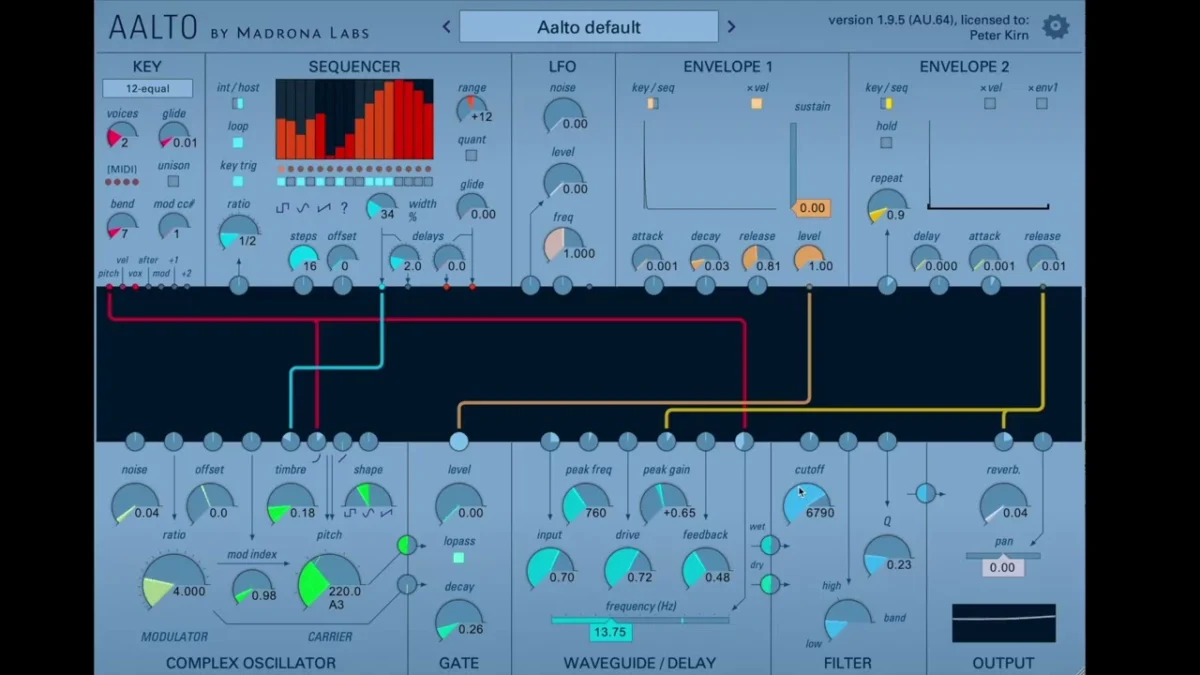
Madrona Labs, the independent audio software developer renowned for its deeply playable and exploration-focused virtual instruments, has officially announced that Aalto 2 will arrive this fall. The upcoming major release will bring the iconic patchable, West Coast-style software synthesizer to macOS, Windows, and, for the first time, Linux. Alongside this flagship announcement, the company has launched a public Linux beta for Aaltoverb, its instrument-like reverb companion, signaling a broader shift toward open-source and alternative operating system support within the electronic music production community.
Main Facts and Technological Expansion
The upcoming release of Aalto 2 represents a major milestone for Madrona Labs, modernizing the codebase onto a new development framework while retaining the unique Buchla-inspired, complex modulation architecture that has defined the instrument since its inception. Originally launched in 2011, Aalto established itself as a premier software synthesizer by translating the exploratory, semi-modular workflow of West Coast synthesis into the digital domain.
A key highlight of the current rollout is the deliberate embrace of the CLAP (CLear Audio Plugin) format, an open-standard plugin architecture championed by Bitwig and the Surge Synth Team. By taking a CLAP-first approach for its Linux integration, Madrona Labs is aligning itself with open-source audio initiatives. Additionally, the company has confirmed that other flagship instruments in its catalog, including Kaivo and Virta, are slated for VST3 support in the near future, broadening compatibility with major digital audio workstations (DAWs) such as Steinberg Cubase.
Chronology and Development Roadmap
The journey toward Aalto 2 and cross-platform expansion has evolved steadily over more than a decade:
- 2011: Madrona Labs releases the original Aalto synthesizer, introducing software users to expressive, patchable West Coast-style synthesis and early MIDI Polyphonic Expression (MPE) capabilities.
- 2019: Aaltoverb is introduced as an advanced algorithmic reverb designed to be played dynamically as an instrument, garnering praise from sound designers and electronic musicians.
- Late 2023 to Early 2024: Development ramps up on a modernized framework, focusing on workflow enhancements, GUI improvements, and cross-platform compatibility.
- Current Phase: Madrona Labs initiates a public beta test for Aaltoverb on Linux (specifically targeting distributions like Ubuntu and Linux Mint) via its community Discord server.
- Fall 2024: Aalto 2 is scheduled for official release across macOS, Windows, and Linux, introducing native CLAP support, refined graphical interface options, and expanded navigation tools.
Feature Updates in Aalto 2
According to developer previews shared via official company communications, Aalto 2 introduces a comprehensive suite of workflow refinements designed to improve precision and user experience. Based on the upcoming release notes, key enhancements include:
- Native Linux operating system support.
- Full integration of the open-source CLAP plugin format.
- A newly implemented undo and redo widget, accompanied by comprehensive keyboard shortcut support.
- Enhanced GUI settings allowing users to toggle parameter values on or off and utilize scrolling controls.
- A modernized file chooser equipped with a functional scroll bar.
- Improved LFO (Low-Frequency Oscillator) functionality, allowing the learn popup menu to remain active and movable across different controls.
- Finer precision dials for LFO rates, alongside slower minimum rate capabilities for intricate modulation design.
Furthermore, upgrade paths have been structured to accommodate both new and existing users. Customers who purchased Aalto 1 within 12 months of the Aalto 2 release will be eligible for a complimentary upgrade, while standard upgrade paths will be available for long-term users of the original software.
Industry Implications and the Shift Toward Alternative Platforms
The decision by Madrona Labs to prioritize Linux and the CLAP plugin format reflects a broader, emerging trend within the music technology sector. As a segment of digital music producers expresses a desire to decouple their creative workflows from traditional, heavily commercialized desktop ecosystems, the demand for robust audio software running on open-source platforms has steadily increased.
By utilizing affordable, upcycled hardware—such as refurbished enterprise laptops running Linux distributions—independent developers and musicians are demonstrating that professional-grade sound design is no longer exclusively tied to high-end, proprietary hardware ecosystems. Madrona Labs’ proactive adoption of Linux ensures that its sophisticated instruments remain accessible to a growing demographic of technically inclined producers who value transparency, longevity, and platform independence.
Official Guidelines for Beta Participation
In conjunction with the Aaltoverb Linux release, Madrona Labs has issued guidance regarding its community beta-testing protocol. The developer emphasizes that beta software is intended strictly for users willing to assist in identifying and reporting bugs rather than those simply seeking early access to final releases. Testing is currently coordinated through the official Madrona Labs Discord community, where Linux specialists utilizing Ubuntu, Mint, and other distributions contribute diagnostic data to refine stability ahead of the official commercial rollout.