 Reynand Wu
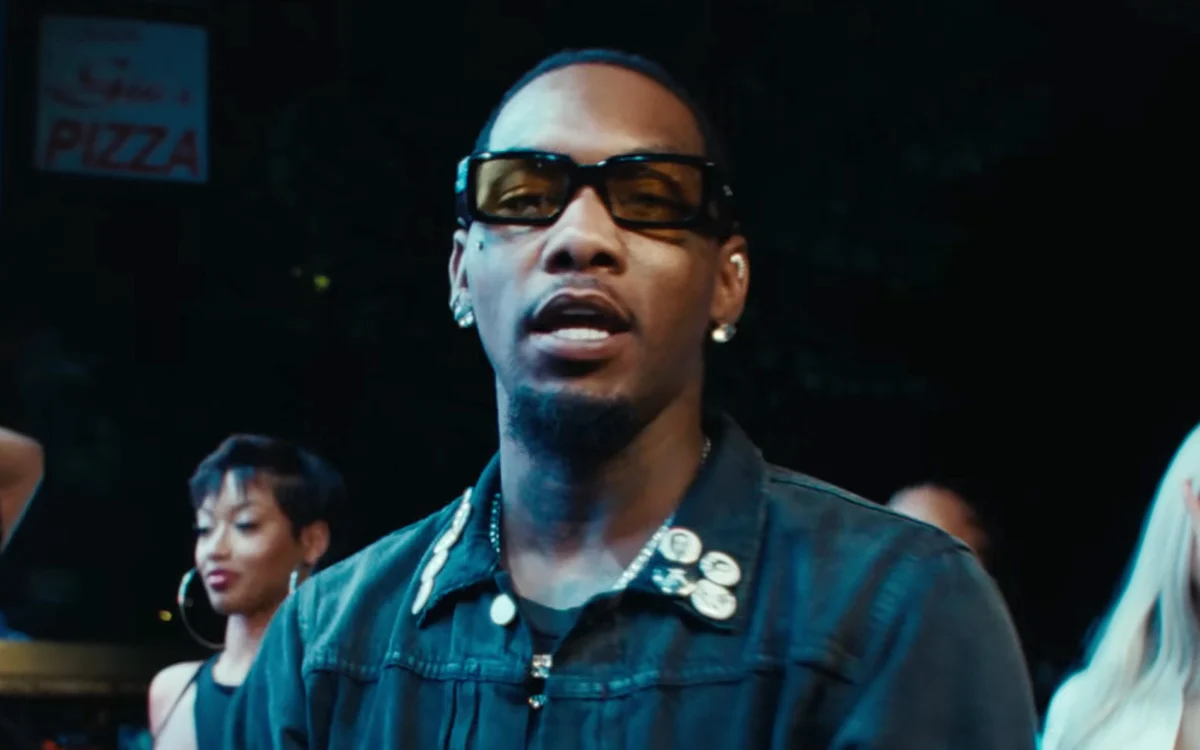
The music industry was rocked on Monday evening, April 6, following reports that prominent rapper and former Migos member Offset sustained non-life-threatening gunshot wounds during an incident at the Seminole Hard Rock Hotel & Casino in Hollywood, Florida. The shooting, which occurred in the high-traffic valet area of the resort complex, has prompted an active investigation by the Seminole Police Department as authorities work to piece together the sequence of events that led to the violence.
The Incident and Immediate Response
According to official statements provided by the Seminole Police Department, the shooting took place on Monday evening. Emergency services were dispatched to the scene following reports of gunfire in the valet section, a primary access point for the sprawling entertainment venue. Offset, whose legal name is Kiari Cephus, was promptly transported to a nearby medical facility for treatment.
A spokesperson for the artist confirmed the incident in a brief statement to the media, noting, “We can confirm Offset was shot and is currently at the hospital receiving medical care. He is stable and being closely monitored.” While the severity of the wounds is described as non-life-threatening, the incident has reignited concerns regarding security protocols at high-profile celebrity hangouts and the intersection of rap culture with public nightlife venues.
Police have confirmed that two individuals have been detained in connection with the shooting. However, as the investigation remains in its infancy, officials have withheld the identities of the suspects, citing the necessity of preserving the integrity of the ongoing criminal inquiry.
A History of Conflict: The Lil Tjay Connection
The timing of the shooting has led to widespread speculation regarding the motives behind the attack, particularly given the well-documented public feud between Offset and Bronx rapper Lil Tjay. In the hours following the news, social media platforms were inundated with unsubstantiated rumors linking the two artists.
The animosity between the pair traces back to January 2025, when Lil Tjay publicly alleged that Offset was struggling financially and battling a gambling addiction. During a livestream on Twitch, Tjay claimed to have encountered Offset at a casino, describing a scene of financial distress and panic. Tjay alleged that he had loaned the “Ric Flair Drip” artist $5,000, claiming that the debt had since ballooned to upwards of $10,000. These claims were accompanied by social media posts in which Tjay threatened physical confrontation over the alleged unpaid debt.
The tension escalated in the months that followed, with Offset eventually issuing a public challenge to Tjay via Instagram. The challenge, which invited Tjay to a live-streamed physical altercation, was intended to address what Offset described as “fell off allegations” and to settle the dispute once and for all.
Legal Clarification and Fact-Checking
In light of the rampant speculation circulating on social media, legal representatives for Lil Tjay moved quickly to decouple the rapper from the shooting incident. Dawn M. Florio, an attorney for Tjay, issued a firm statement intended to quell the rumors. “Lil Tjay has not been shot, nor has Lil Tjay been charged with any shooting,” Florio stated. “Any reporting to the contrary is false.”
This clarification serves as a reminder of the volatility of internet discourse, where misinformation often outpaces verified reporting. While the motive for the shooting remains under investigation, the authorities have not indicated any formal connection between the ongoing dispute and the suspects currently in custody.
Industry Impact and Artist Solidarity
The news of the shooting sent shockwaves through the hip-hop community. Almost immediately, collaborators and peers began expressing their concern for the rapper’s health. Quavo, Offset’s former bandmate in the influential trio Migos, signaled his support by posting a simple, poignant praying hands emoji to his Instagram Stories. This gesture of solidarity highlights the enduring, albeit complex, personal bonds within the group, despite their professional separation.
The incident underscores a broader, concerning trend within the music industry: the increasing frequency with which high-profile artists find themselves in situations involving violence, often fueled by public social media disputes that spill over into real-world interactions.
Security at High-Profile Venues
The choice of location—the Seminole Hard Rock Hotel & Casino—raises questions about the adequacy of security at luxury entertainment properties. The Hard Rock complex in Hollywood, Florida, is one of the most heavily trafficked venues in the region, boasting a massive casino floor, theater, and luxury hotel accommodations. Valet areas, by their nature, are semi-public spaces that present unique challenges for security teams tasked with managing both the high-net-worth clientele and the general public.
While the investigation into the specific lapses that allowed this shooting to occur is ongoing, it is expected that the venue will face scrutiny regarding its perimeter security and surveillance capabilities. The incident serves as a stark reminder of the risks faced by celebrities who frequent public spaces, regardless of the level of security provided by the venues they visit.
Chronology of the Dispute
- January 2025: Lil Tjay publicly accuses Offset of financial instability and gambling addiction during a Twitch livestream, alleging a $10,000 debt.
- Early 2025: Tjay shares alleged screenshots of threats and continues to taunt Offset on social media platforms.
- Spring 2025: Offset responds to the social media taunts by formally challenging Tjay to a live-streamed fight to resolve the ongoing public dispute.
- April 6, 2025: Offset is shot in the valet area of the Seminole Hard Rock Hotel & Casino in Hollywood, Florida.
- April 6-7, 2025: Law enforcement detains two individuals; attorneys for Lil Tjay issue a formal statement denying any involvement.
Implications for the Music Industry
The shooting of a figure as prominent as Offset has immediate implications for the music industry’s approach to artist security and public behavior. Historically, the intersection of hip-hop culture and nightlife has been a point of friction, but the ease with which online feuds can escalate into physical violence in the real world is a relatively modern phenomenon.
Industry analysts suggest that the incident may lead to a more conservative approach toward public appearances for major artists. Furthermore, the reliance on digital platforms for conflict resolution—as seen in the public back-and-forth between Offset and Tjay—creates a high-stakes environment where "saving face" often leads to dangerous, real-world consequences.
For the Seminole Police Department, the primary focus remains on the identification and prosecution of the suspects. The fact that two individuals were detained so soon after the incident suggests that surveillance footage or witness testimony played a crucial role in the initial response. As the investigation progresses, the focus will likely shift toward determining whether the shooting was a targeted attack or an escalation of a spontaneous encounter.
Conclusion: A Waiting Game
As Offset continues to recover in stable condition, the music world remains in a state of cautious observation. The incident is a sobering reminder of the fragility of fame and the unpredictable nature of celebrity security. While the legal system works to determine the facts of the case, the public and the industry are left to grapple with the reality of an environment where personal grievances, amplified by digital platforms, can result in life-altering violence.
The Seminole Police Department is expected to provide further updates as the investigation proceeds. For now, the focus is squarely on the rapper’s recovery and the pursuit of justice for those responsible for the violence at the Seminole Hard Rock. The case will undoubtedly serve as a case study for security experts and publicists alike, highlighting the urgent need for a more comprehensive approach to managing the public presence of modern musical icons.