Nana Wu
In a significant artistic evolution, Howie Dorough, a pivotal member of the iconic Backstreet Boys, has officially launched his solo Spanish-language single, "Coqui," which premiered exclusively on Billboard on Wednesday, June 17. This debut marks a deeply personal and long-awaited milestone for the artist, known affectionately to fans as Howie D, as he embarks on a solo venture that intimately connects with his Puerto Rican roots. The release arrives concurrently with the Backstreet Boys’ highly anticipated residency at The Sphere in Las Vegas, showcasing Dorough’s multifaceted artistry and commitment to exploring new musical landscapes while maintaining his enduring legacy with the legendary boy band.
The Genesis of "Coqui": A Sensual Afrobeats Journey
"Coqui" is a vibrant, nearly three-minute track that immediately captivates with its sensual Afrobeats rhythm, a genre that has steadily risen to global prominence for its infectious grooves and cross-cultural appeal. Penned by the talented Dominican songwriter Darlin, the song features Howie Dorough’s signature sugary vocals, harmoniously interwoven with subtle, evocative sounds of the coqui – a small, native tree frog revered in Puerto Rico – and the tranquil crashing of ocean waves. These auditory elements are not merely sonic embellishments; they are integral to the song’s narrative, transporting listeners to the sun-drenched shores and lush landscapes of Puerto Rico, a place of profound personal significance for Dorough. The meticulous production creates an immersive experience, blending modern global sounds with indigenous cultural motifs, illustrating a sophisticated approach to his solo foray into the Latin music sphere. The choice of Afrobeats reflects a contemporary sensibility, aligning Dorough with a dynamic and expanding global music trend, while the embedded natural sounds anchor the track firmly in his heritage.
A Personal Odyssey: Reconnecting with Puerto Rican Roots

For Howie Dorough, "Coqui" is far more than just a new song; it represents the culmination of a lifelong journey to embrace and celebrate his Puerto Rican identity. Born in Orlando, Florida, to a Puerto Rican mother and a Georgia-based father, Dorough has always carried his heritage close to his heart, even if outward expressions of it were not always at the forefront of his public career. "Making this record, I wanted to identify with things that were true to me, about the culture, the people, and my heritage," Dorough shared with Billboard. He elaborated on his deep connection to Puerto Rico, stating, "This is where my mother is from, and where I have the most connection with growing up. With this song, I’m properly connecting with my roots, and I’ve never fully dived in until now." This candid reflection underscores the authenticity driving "Coqui," positioning it as a deeply personal statement rather than merely a commercial endeavor. The song serves as an audible bridge between his past and present, allowing him to explore a dimension of himself that has long yearned for expression. This act of musical self-discovery resonates profoundly in an era where artists are increasingly celebrated for their authentic narratives and cultural explorations.
The Cultural Significance of the Coqui
The choice of "Coqui" as the title for his Spanish-language debut carries immense cultural weight, particularly for those familiar with Puerto Rican folklore and identity. The coqui frog (Eleutherodactylus coqui) is an unofficial national symbol of Puerto Rico, celebrated for its distinctive, high-pitched "co-qui" call that serenades the island’s nights. Its presence is synonymous with the island’s natural beauty and is deeply embedded in its cultural fabric. For Puerto Ricans, the sound of the coqui evokes a powerful sense of home, nostalgia, and identity. Incorporating these sounds into his single is a deliberate and poignant nod to his mother’s homeland, offering a sonic embrace of his heritage. This detail transforms the song from a simple pop track into a cultural artifact, imbued with meaning and reverence for a significant aspect of Puerto Rican life. It symbolizes a homecoming, not just for Dorough, but for his ancestral spirit within his music.
Backstreet Boys’ Enduring Legacy and Howie’s Evolving Role
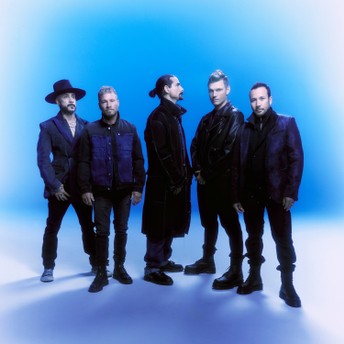
The backdrop to this solo debut is the ongoing, monumental success of the Backstreet Boys, one of the best-selling boy bands of all time. Their current residency at The Sphere in Las Vegas represents a new pinnacle in their illustrious career, showcasing their enduring appeal and innovative spirit in a state-of-the-art venue. Amidst this collective triumph, Howie Dorough’s solo release highlights the individual artistic paths members of long-standing groups often explore. While "Coqui" marks his official solo Spanish-language debut, Dorough is not a stranger to singing in Spanish. He was often recognized as one of the "Latin singers" within BSB, having lent his voice to Spanish versions of their global hits, such as "Nunca Te Haré Llorar" (the Spanish rendition of "I’ll Never Break Your Heart") and "Donde Quieras Yo Iré" (the Spanish version of "Anywhere for You"). These earlier ventures provided a glimpse into his linguistic capabilities and hinted at a deeper connection to Latin music. However, these were group efforts, designed to connect with their vast Latin American fanbase, rather than personal artistic statements. "Coqui" represents a distinct departure, a personal declaration of his individual artistic identity and cultural reclamation, separate from the collective identity of the Backstreet Boys.
Overcoming Linguistic and Personal Barriers
Dorough’s journey to confidently release "Coqui" was fraught with personal and linguistic challenges. Growing up in South Florida during the 1970s and 1980s, he candidly admits that he wasn’t surrounded by a large Latino community, which made fully grasping the Spanish language a significant hurdle. This lack of immersion in his formative years meant that despite his Puerto Rican heritage, fluency remained an aspiration rather than a natural skill. The creative process for "Coqui" thus became an intensive learning experience. "I wanted to sound authentic, and the music felt real to me, it felt very natural," he explained, detailing the arduous yet rewarding path. "It was almost like re-training my tongue to understand, it felt like a child learning a language for the first time. I was very humble, I was corrected a hundred times. I didn’t want to accept mediocracy." His dedication extended to practical measures, including utilizing language-learning apps. "There were times that were easier, there were other times that I was frustrated, but I got through with Darlin’s coaching and my Duolingo app," he revealed, showcasing a commitment that goes beyond typical artistic endeavors. This narrative of diligent effort and humility in the face of a personal challenge adds a layer of relatability and inspiration to his musical journey.
The Weight of Insecurities: A Third Attempt at a Dream
"Coqui" is not Dorough’s first attempt at a Spanish-language project; it is, in fact, his third. This revelation underscores a long-standing passion that has been repeatedly tempered by self-doubt and the fear of external judgment. Despite his awareness of a devoted global Latin following that has supported the Backstreet Boys for decades, Dorough confessed that his own insecurities consistently stood in the way. "Making music in Spanish has been a passion of mine, but also a struggle," he expressed. "I was a little scared of not being accepted by my own people, because I didn’t speak the language perfectly. I wasn’t so much worried about my fans, but of the industry tearing me apart." This vulnerability offers a rare glimpse into the pressures artists face, particularly when attempting to cross cultural or linguistic boundaries. The fear of not being "authentic enough" or facing criticism from purists within the Latin music industry can be a powerful deterrent. His decision to finally release "Coqui" signifies a profound triumph over these long-held anxieties, demonstrating growth, resilience, and an unwavering commitment to his artistic vision and cultural identity.
The Global Phenomenon of Latin Music: A Conducive Environment for Crossover

Dorough’s decision to release a solo Spanish-language track now is particularly timely, aligning with the unprecedented global surge of Latin music. Over the past decade, Latin music has transcended regional boundaries to become a dominant force in the international music landscape. Data from industry reports consistently highlight its robust growth. According to the RIAA, Latin music revenues in the U.S. alone have seen exponential increases, with streaming driving much of this success. In 2023, Latin music generated over $1.4 billion in revenue, marking a significant increase and cementing its position as a major player in the global market. Artists like Bad Bunny, Karol G, Peso Pluma, and Rosalía have achieved massive crossover success, topping global charts and selling out arenas worldwide, often singing entirely in Spanish. This phenomenon has created a more inclusive and receptive environment for music in languages other than English.
This shift has fostered a broader acceptance among global audiences for music that might not be in their native tongue. Dorough himself acknowledges this evolving landscape: "Latin music is so big right now, and people are willing to hear music that’s not in their own language," he notes. This cultural moment provides an ideal launching pad for an artist like Howie D, whose existing global fanbase, combined with the current appetite for diverse musical expressions, can propel "Coqui" to widespread recognition. The industry is now more open to embracing artists who genuinely explore their heritage through music, moving beyond tokenism to celebrate authentic cultural expressions.
Artistic Evolution and Broader Implications
Howie Dorough’s "Coqui" is more than a single release; it is a profound statement of artistic evolution and personal liberation. It signifies a mature artist, comfortable in his skin and confident in his heritage, taking a bold step into a new chapter. He articulates his perspective on this venture with humility and a sense of purpose: "I don’t have major expectations… this is a passion for me, it’s more of a journey. It’s a story that hopefully people will get to know, of a kid who once wanted to embrace his culture, his roots, and because of society and insecurities over the years, I’ve held myself back, but now is the time." This perspective frames "Coqui" not as a quest for chart dominance, but as a deeply personal and meaningful endeavor, focusing on the intrinsic value of cultural connection and self-expression.
The implications of Dorough’s debut extend beyond his individual career. It serves as an inspiring example for other artists who may grapple with similar insecurities about exploring their cultural heritage through their art. His journey underscores the importance of authenticity and perseverance in the creative process, demonstrating that it is never too late to embrace and share one’s full identity. For the millions of Backstreet Boys fans worldwide, especially those in Latin America, "Coqui" offers a fresh, intimate connection to an artist they have adored for decades, revealing a new dimension of his talent and spirit. It also contributes to the ongoing diversification of the Latin music genre, adding a veteran pop voice to its rich tapestry. As Howie Dorough steps confidently into this new solo chapter, "Coqui" stands as a testament to the power of music to transcend barriers – linguistic, cultural, and personal – and to unite audiences through shared experiences of passion, heritage, and artistic courage. The exclusive video premiere of "Coqui" offers fans the visual complement to this deeply personal musical statement, further immersing them in the narrative of Howie D’s powerful return to his roots.



![Sijya announces Leather and Brass [Retrofitted] EP, shares Do I Know [Rachika Nayar Edit]: Listen](https://empire-music.net/wp-content/uploads/2026/09/sijya-announces-leather-and-brass-retrofitted-ep-shares-do-i-know-rachika-nayar-edit-listen.webp)