Aveline Kirana
Carnegie Hall’s Weill Music Institute (WMI) has unveiled its highly anticipated lineup for the 2026-27 season of its “Well-Being Concerts,” a series dedicated to exploring the profound connections between music and emotional health. This year’s programming, with a particular emphasis on classical vocal performances, promises to offer solace, reflection, and rejuvenation to audiences. The series aims to harness the therapeutic power of music, providing curated experiences designed to support listeners through various life stages and emotional landscapes.
The “Well-Being Concerts” are an integral part of WMI’s broader commitment to making music accessible and beneficial to all. Launched with the intention of fostering a deeper understanding of music’s role in mental and emotional wellness, the series has consistently featured artists renowned for their ability to create intimate and emotionally resonant performances. The 2026-27 season continues this tradition, presenting a thoughtfully curated selection of events that leverage the unique expressive capabilities of the human voice and complementary instruments. This focus on classical voice underscores the genre’s rich history of conveying complex emotions and narratives, making it an ideal medium for exploring themes of well-being.
A Season of Vocal Resonance and Introspection
The 2026-27 “Well-Being Concerts” will feature a distinguished roster of artists, each bringing their unique artistry to programs designed for contemplative engagement. The series prioritizes performances that foster a sense of connection and provide a sanctuary for listeners.
November 21, 2026: A Baroque Masterclass in Contemplation
The season opens on November 21, 2026, with a concert featuring countertenor Reginald Mobley, oboist James Austin Smith, and violinist Yura Lee. This ensemble will delve into the timeless works of Johann Sebastian Bach, alongside other composers whose music lends itself to introspection and spiritual reflection. The selection of Bach is particularly pertinent, as his intricate compositions are often lauded for their mathematical precision and profound emotional depth, offering a sense of order and beauty that can be deeply comforting. The countertenor voice, with its ethereal quality, is exceptionally suited for conveying delicate and nuanced emotions, while the oboe and violin provide a rich harmonic and melodic tapestry.
This performance is expected to draw upon the extensive repertoire of Baroque vocal and instrumental music, known for its intricate counterpoint and its ability to evoke a wide spectrum of human experience. Such music, when performed in an intimate setting, can foster a powerful sense of shared experience and emotional release. The choice of Bach’s oeuvre suggests a program that might explore themes of faith, perseverance, and the search for inner peace, resonating deeply with the core mission of the “Well-Being Concerts.”
February 27, 2027: A Contemporary Exploration of Sound and Emotion
On February 27, 2027, the focus shifts to contemporary classical music with soprano Ariadne Greif, joined by flutist Catherine Gregory and percussionist Ian Rosenbaum. This concert promises a dynamic and diverse program, showcasing new works by a constellation of acclaimed composers, including Clarice Assad, Kinan Azmeh, Viet Cuong, Timo Andres, Juhi Bansal, Christopher Cerrone, Andy Akiho, Allison Loggins-Hull, and inti figgis-vizueta. The inclusion of such a broad range of contemporary voices highlights the evolving landscape of classical music and its capacity to address modern emotional concerns.
The inclusion of contemporary composers signifies a commitment to exploring how new musical languages can articulate contemporary experiences of well-being and emotional resilience. Composers like Clarice Assad and Kinan Azmeh are known for their ability to weave cultural influences and personal narratives into their music, offering unique perspectives. The combination of soprano voice, flute, and percussion creates a versatile palette for these composers, allowing for a wide range of sonic textures and expressive possibilities, from delicate introspection to vibrant affirmation. This program is poised to offer a fresh and engaging perspective on how music can foster emotional connection and understanding in the 21st century.
March 6, 2027: Esperanza Spalding’s Transformative Approach to Grief and Transition
Concluding the vocal-centric programming on March 6, 2027, is a special performance by the celebrated artist esperanza spalding. As the 2026–2027 Carnegie Hall Perspectives artist, spalding brings her multidisciplinary talents to a program meticulously crafted to support individuals navigating significant life transitions. This concert is specifically designed for those who are caring for someone nearing the end of their life, as well as those who have recently experienced bereavement.
Spalding, known for her innovative approach to jazz, classical, and world music, as well as her deep engagement with social and philosophical themes, is uniquely positioned to lead such a sensitive program. Her work often blends musical performance with movement and spoken word, creating immersive experiences that engage multiple senses and foster profound emotional connection. The thoughtful design of this concert suggests a program that moves beyond traditional recital formats, incorporating elements that encourage reflection, comfort, and perhaps even a sense of communal healing. The very nature of “transition” and “loss” are universal human experiences, and music has long served as a vital tool for processing these profound emotional states. Spalding’s involvement signals a program that is likely to be both deeply personal and universally resonant, offering a gentle and supportive space for audiences to confront and navigate these challenging aspects of life.
Context and Significance of the Well-Being Concerts
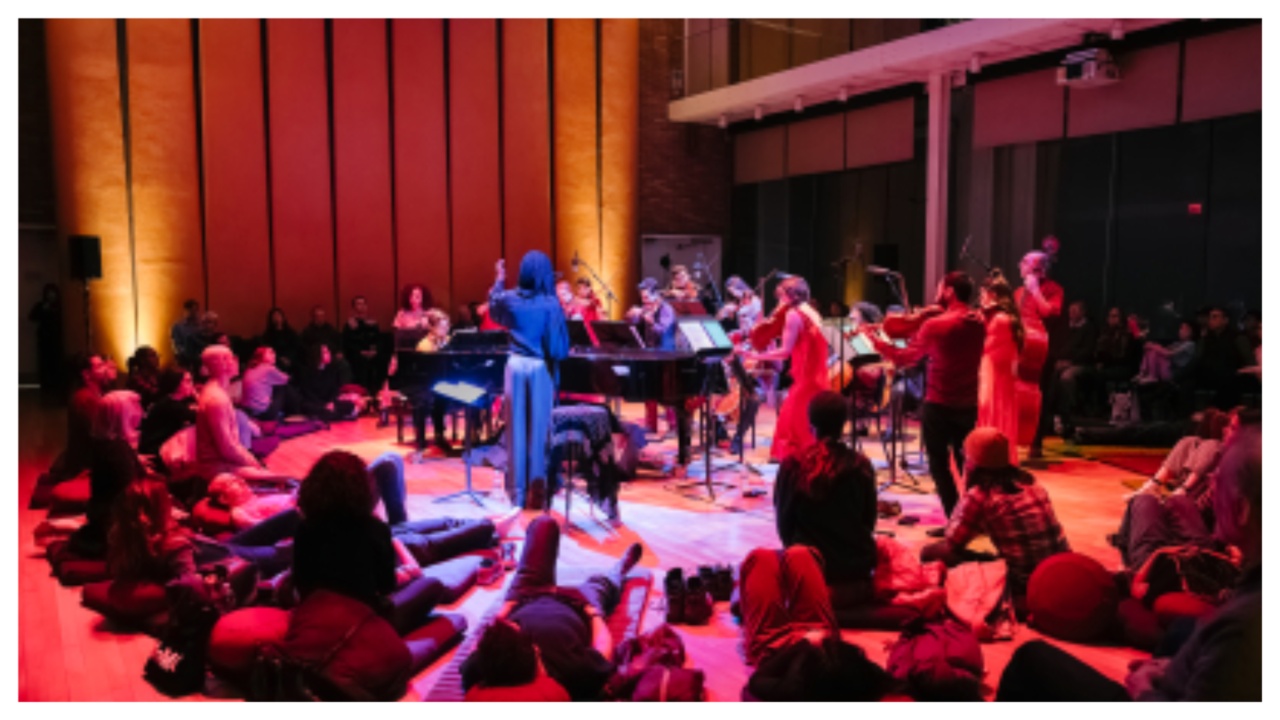
The “Well-Being Concerts” series at Carnegie Hall is more than just a performance schedule; it represents a deliberate effort by one of the world’s most prestigious cultural institutions to acknowledge and address the growing recognition of music’s therapeutic potential. The series aligns with a broader societal shift towards prioritizing mental health and emotional wellness, a trend amplified in recent years by global events that have underscored human vulnerability and the need for supportive communities.
A Growing Field: Music and Mental Health
The scientific and medical communities have increasingly explored the impact of music on the brain and emotional state. Research has demonstrated that listening to music can reduce anxiety, alleviate symptoms of depression, improve mood, and even aid in pain management. Specifically, classical music, with its structured harmonies and often slower tempos, has been shown to induce relaxation responses in the body, lowering heart rate and blood pressure. The human voice, in particular, possesses an innate ability to convey emotion directly, bypassing intellectual filters and speaking to the listener on a primal, empathetic level.
The WMI’s initiative taps into this understanding, offering curated musical experiences that are not solely about aesthetic appreciation but are also about fostering a sense of emotional equilibrium. The selection of repertoire, the intimate performance settings, and the thematic focus of each concert are all designed to create an environment conducive to reflection and personal healing.
Carnegie Hall’s Commitment to Community Engagement
Carnegie Hall, through its Weill Music Institute, has a long-standing commitment to community engagement and educational outreach. The “Well-Being Concerts” extend this mission by offering accessible and meaningful experiences that cater to specific community needs. By programming events that address sensitive topics like grief and transition, Carnegie Hall positions itself as a vital resource for public well-being, demonstrating that the arts can play a crucial role in supporting individuals through life’s most challenging moments.
The choice to highlight classical vocalists in this season’s “Well-Being Concerts” is a strategic one. Vocal music, across cultures and eras, has been a primary vehicle for expressing the deepest human emotions—joy, sorrow, longing, and peace. The intimacy of a solo voice or a small ensemble can create a profound connection between performer and listener, fostering a shared emotional space that is essential for therapeutic engagement.
Supporting Data and Inferred Impact
While specific attendance figures for past “Well-Being Concerts” are not publicly detailed, the consistent programming and positive reception of similar initiatives by cultural institutions suggest a growing demand for such events. A 2021 report by the National Endowment for the Arts indicated that participation in the arts, including music, is linked to improved mental health outcomes and increased social connectedness among adults. Furthermore, studies in music therapy have shown that tailored musical interventions can significantly improve the quality of life for individuals experiencing chronic illness, anxiety, and depression.
The diverse programming for the 2026-27 season, featuring both Baroque masters and contemporary composers, suggests an aim to appeal to a broad spectrum of listeners. The inclusion of composers like Clarice Assad and Kinan Azmeh, known for their innovative and cross-cultural approaches, indicates an effort to make the series relevant and engaging for a modern audience grappling with complex emotional landscapes.
The specific targeting of the March 6th concert by esperanza spalding towards individuals experiencing grief and transition highlights a sophisticated understanding of audience needs. This approach acknowledges that music can be a powerful tool for processing loss and navigating change, offering comfort and a sense of shared humanity during vulnerable times. Such targeted programming can foster a sense of community among attendees who may be experiencing similar challenges, providing a unique form of peer support.
Potential Implications and Broader Impact
The “Well-Being Concerts” series at Carnegie Hall has the potential to:
- Enhance Public Awareness: By featuring prominent artists and thoughtfully curated programs, the series can elevate public discourse around the role of music in mental and emotional health. This could encourage individuals to explore music as a personal wellness strategy.
- Foster Community Connection: The concerts provide a shared space for individuals to experience music together, potentially creating a sense of solidarity and reducing feelings of isolation, especially for those attending events focused on specific life challenges.
- Support Artistic Innovation: The commissioning and performance of new works by contemporary composers for a wellness-focused audience can encourage artistic exploration into themes of emotional well-being, potentially leading to new musical forms and expressions that are both artistically significant and therapeutically beneficial.
- Serve as a Model: The success of Carnegie Hall’s “Well-Being Concerts” could inspire other cultural institutions to develop similar programs, thereby expanding the reach of music-based wellness initiatives across the country and internationally.
The 2026-27 “Well-Being Concerts” at Carnegie Hall, with their strong emphasis on classical vocal performances, represent a significant cultural offering that bridges the worlds of artistic excellence and personal well-being. Through the masterful artistry of Reginald Mobley, Ariadne Greif, and esperanza spalding, alongside a diverse array of esteemed musicians and composers, the series aims to provide solace, inspiration, and a profound connection through the enduring power of music.