Muhammad Ibadurrohman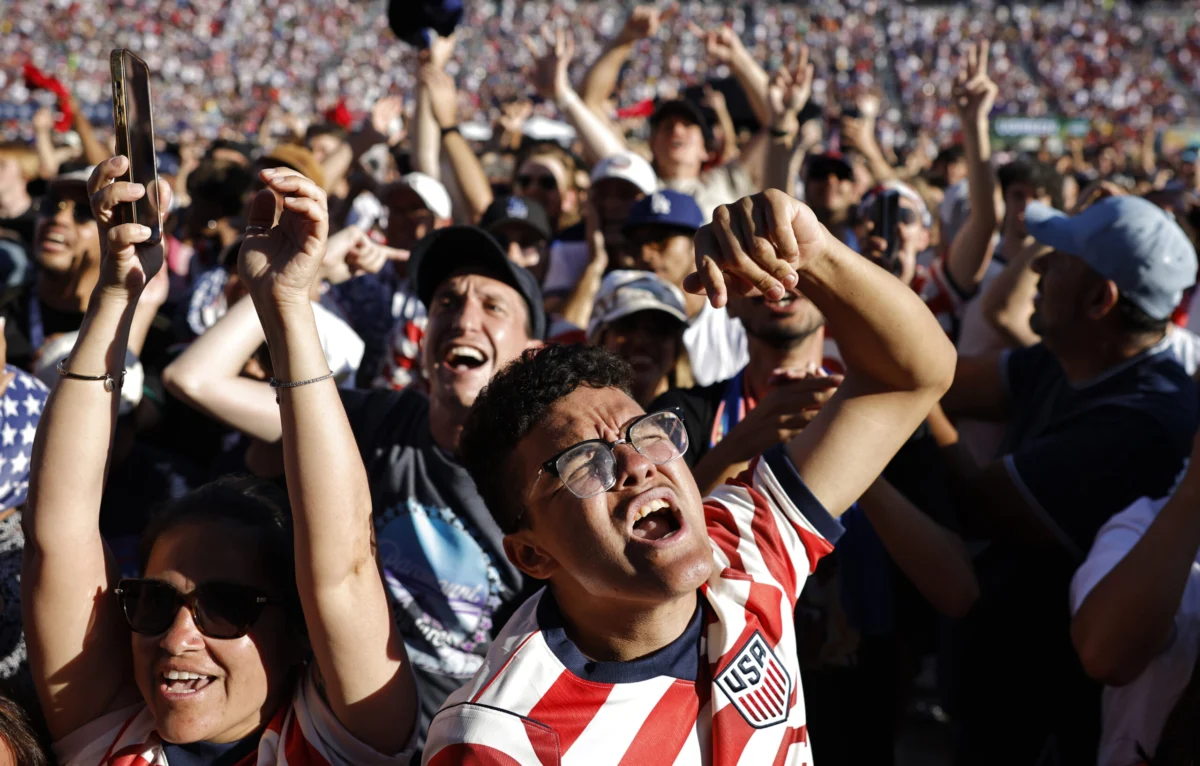
Washington D.C. – Two prominent advocacy groups, the National Independent Venue Association (NIVA) and Fan Alliance, have issued an urgent appeal to congressional leaders, calling for immediate legislative action to prohibit fraudulent ticket practices that have marred the initial stages of the FIFA World Cup 2026. The joint plea, delivered in a letter on Thursday, June 18, comes amidst widespread reports of fans being denied entry to matches despite having paid exorbitant sums, often thousands of dollars, for what turned out to be invalid or non-existent tickets. This unfolding crisis, unfolding on one of the world’s grandest sporting stages, highlights long-standing vulnerabilities in the secondary ticket market, prompting a renewed push for federal oversight and consumer protection.
The letter, addressed to influential figures including House Speaker Mike Johnson, Senate Majority Leader John Thune, House Minority Leader Hakeem Jeffries, and Senate Minority Leader Charles Schumer, unequivocally states the critical need for legislation to ban "speculative" or "ghost" tickets. These deceptive listings involve resellers offering tickets they do not yet possess, or may never acquire, leaving unsuspecting buyers vulnerable to last-minute cancellations, inflated prices, and outright fraud. The organizations emphasized that the current situation at the World Cup serves as a stark, high-profile illustration of a problem that routinely affects smaller, independent venues and artists across the United States.
The Unfolding Crisis at World Cup 2026
The FIFA World Cup 2026, jointly hosted by 11 cities across the U.S., 3 in Mexico, and 2 in Canada, represents an unprecedented global sporting event, anticipated to draw millions of international visitors and generate billions in economic activity. The tournament, featuring an expanded format with 48 teams and 104 matches, began with immense fanfare and record-breaking demand for tickets. Host cities like Los Angeles, which is slated to host eight matches, have invested heavily in infrastructure and promotional efforts to welcome fans from every corner of the globe. However, the initial days of the tournament have been overshadowed by a growing number of fan complaints, with dreams of witnessing their national teams compete turning into logistical nightmares and financial losses.
Reports from various U.S. host cities have detailed instances of fans arriving at stadium gates, only to discover their digital tickets were invalid, duplicated, or simply never materialized. Many of these affected individuals had purchased their tickets through secondary market platforms, often at prices far exceeding face value, under the impression they were securing legitimate entry. The emotional toll of traveling thousands of miles, booking flights, hotels, and local transportation, only to be turned away, has sparked outrage and tarnished the celebratory atmosphere intended for the World Cup. For many, the unrecoverable travel costs alone run into thousands of dollars, making a refund for a fraudulent ticket a partial, insufficient remedy.
Understanding Speculative Ticketing and Its Mechanisms
At the heart of the current issue is the practice of speculative ticketing. A "speculative ticket," or "ghost ticket," refers to the listing or sale of a license to enter a live event that is not actually in the possession of the reseller. Instead, the reseller anticipates acquiring the ticket at a later date, often relying on fluctuating market prices or the availability of tickets closer to the event. This practice is inherently risky and often predatory.
Here’s how it typically operates: A reseller, often a large-scale broker, lists tickets for sale on a secondary market platform before they have officially been released or acquired. When a buyer purchases this "speculative" ticket, the reseller then attempts to buy an actual ticket on the primary or secondary market to fulfill the order. If the reseller cannot acquire a ticket at a profitable price, or if no tickets become available, the buyer’s order is canceled, often at the last minute. In other cases, the reseller might provide a counterfeit ticket or a ticket that has already been used, leading to fans being rejected at the venue gates.

The letter specifically points out how resellers attempt to circumvent existing, albeit limited, regulations by rebranding these services as "concierge" or "ticket procurement" services. These labels are merely semantic disguises for the same underlying speculative practice, allowing fraudulent activity to persist under a veneer of legitimacy.
A Chronology of Warnings and the Current Reality
NIVA and Fan Alliance have long championed stronger consumer protections in the ticketing industry. Their joint letter highlights that the current World Cup debacle is not an unforeseen development but rather the grim realization of warnings they have issued repeatedly to lawmakers and the public. "We warned that consumers would purchase tickets that did not exist. We warned that families would travel thousands of miles only to discover their tickets could not be delivered. We warned that refunds would not make consumers whole after airfare, hotels, rental cars, parking, and other travel expenses," the letter states. "Unfortunately, every one of those warnings has become a reality on the world’s biggest sporting stage."
The urgency of their current appeal stems from the rapid escalation of these issues since the tournament began. Within days of the first matches, social media platforms and news outlets were flooded with accounts of fans encountering problems, transforming the international conversation around the World Cup from one of athletic prowess and global unity to one of consumer vulnerability and rampant fraud. This swift deterioration underscored the inadequacy of existing regulations and the immediate need for a federal legislative solution.
Specific Legislative Recommendations from NIVA and Fan Alliance
To combat these pervasive issues, NIVA and Fan Alliance are advocating for a comprehensive legislative package that includes several key provisions:
- Outright Ban on Speculative Tickets: The cornerstone of their proposal is a clear and unambiguous federal ban on speculative ticket sales. They propose language stating, "A reseller shall not sell or offer to sell speculative tickets, tickets not in the possession of the reseller." This would directly address the core fraudulent practice.
- Universal Price-Gouging Limitations: Beyond fraud, the organizations are calling for federal regulations to curb excessive price gouging in the secondary market. While specific caps are not detailed in the provided text, the intent is to prevent ticket prices from escalating to astronomical levels, especially during high-demand events.
- Stringent Federal Trade Commission (FTC) Fines: To ensure compliance and deter fraudulent behavior, NIVA and Fan Alliance recommend imposing substantial penalties. They propose FTC fines of "no less than $10,000 per ticket, per day, for those violating those prospective bans." Such a high penalty aims to make speculative sales financially unviable for resellers.
- Data Transparency from Secondary Ticketing Platforms: A crucial element for accountability and enforcement, the groups request legislation that would compel secondary ticketing platforms to produce detailed data. This includes information on ticket fulfillment rates, replacement requests, refund statistics, consumer complaint volumes, and professional reseller activity. This data would provide regulators with the necessary insights to monitor the market and identify problematic actors.
The Inadequacy of Current Legislation: The TICKET Act
The call for new legislation comes as Congress is already considering the TICKET Act. While this bill aims to enhance transparency and consumer protection by requiring full disclosure of ticket pricing and fees, banning deceptive marketing practices, and mandating refunds for canceled or postponed events, NIVA and Fan Alliance argue it does not go far enough. Their primary concern is that the TICKET Act, in its current form, would still permit speculative ticketing. This critical loophole, they contend, renders the bill insufficient to address the very fraud currently plaguing World Cup attendees and countless other event-goers. Without a direct prohibition on the sale of tickets not in possession, the core problem of ghost tickets would persist, continuing to undermine consumer trust and harm the live event industry.
State-Level Precedents and the Need for Federal Action

The joint letter highlights that several U.S. states have already recognized the dangers of speculative ticketing and have enacted bans, demonstrating the feasibility and necessity of such legislation. States cited include Maryland, Maine, Minnesota, Oregon, Connecticut, Vermont, and Nevada. These states have proactively closed the loopholes that allow resellers to relabel speculative sales as legitimate "concierge" or "procurement" services. For instance, in Maryland, legislation passed years ago explicitly outlaws the sale of tickets that a reseller does not physically possess or have an enforceable contract to obtain. These state-level successes provide a blueprint for federal action, illustrating that clear, unambiguous bans are effective in protecting consumers. The fragmented nature of state-by-state regulation, however, creates inconsistencies and allows fraudulent actors to exploit jurisdictions with weaker laws, underscoring the need for a uniform federal standard.
Statements from Stakeholders and Inferred Reactions
Stephen Parker, Executive Director of NIVA, and Donald Cohen, Executive Director of Fan Alliance, who signed the letter, reiterated their commitment to protecting both fans and the integrity of the live event ecosystem. "While the World Cup is drawing national attention to speculative ticketing, this same consumer harm occurs every single day at independently owned venues, theaters, festivals, comedy clubs, and performing arts centers across America," the letter states. They emphasize that unlike billion-dollar entities like FIFA or major professional leagues, small businesses and non-profits lack the resources to absorb the reputational damage and financial losses caused by fraudulent ticket sellers. Fans often blame the venue, artists lose goodwill, and local businesses suffer revenue losses, despite being innocent parties.
While FIFA and the World Cup 2026 Local Organizing Committee have not yet issued a direct response to this specific letter, their general stance typically emphasizes encouraging fans to purchase tickets only through official channels to avoid fraud. An inferred statement might acknowledge the challenges, express sympathy for affected fans, and reiterate their commitment to ensuring a positive fan experience while urging vigilance against unofficial resellers.
Congressional leaders, upon receiving such a letter, would likely acknowledge the serious nature of the concerns. An inferred response from a legislative aide might indicate that the concerns raised by NIVA and Fan Alliance would be thoroughly reviewed by relevant committees and incorporated into ongoing discussions regarding consumer protection legislation, including potential amendments to existing bills like the TICKET Act. However, the complexities of passing new federal legislation, especially one that could impact a multi-billion-dollar secondary market, mean that swift action is not guaranteed without significant political will.
Broader Impact and Implications
The repercussions of unchecked ticket fraud extend far beyond individual financial losses for fans. On an international scale, the reports of fraud during the World Cup risk damaging the reputation of the United States as a capable and secure host nation. The global spotlight on these issues could deter future international events and tourism, negatively impacting the economic benefits that such mega-events are expected to bring.
Domestically, the continued prevalence of speculative ticketing erodes consumer trust across the entire live events industry. When fans cannot be certain that a ticket purchased through a secondary market is legitimate, it discourages them from attending events, ultimately harming artists, sports teams, and venues. This is particularly critical for independent venues and small businesses, which operate on thinner margins and rely heavily on repeat customers and positive word-of-mouth. The economic impact on these local enterprises, which are vital components of their communities, could be substantial, leading to job losses and a reduction in cultural offerings.
Furthermore, the World Cup crisis highlights a systemic market failure where current regulations are insufficient to protect consumers from sophisticated and often cross-border fraudulent operations. The call for federal legislation represents a pivotal moment for policy makers to address these long-standing issues comprehensively. By enacting robust federal laws against speculative ticketing, establishing clear price-gouging limits, and ensuring accountability from secondary platforms, Congress has the opportunity to restore integrity to the ticketing market and safeguard the experiences of millions of fans for years to come. The outcome of this legislative push will undoubtedly shape the future of live event access and consumer protection in the digital age.