Kholidah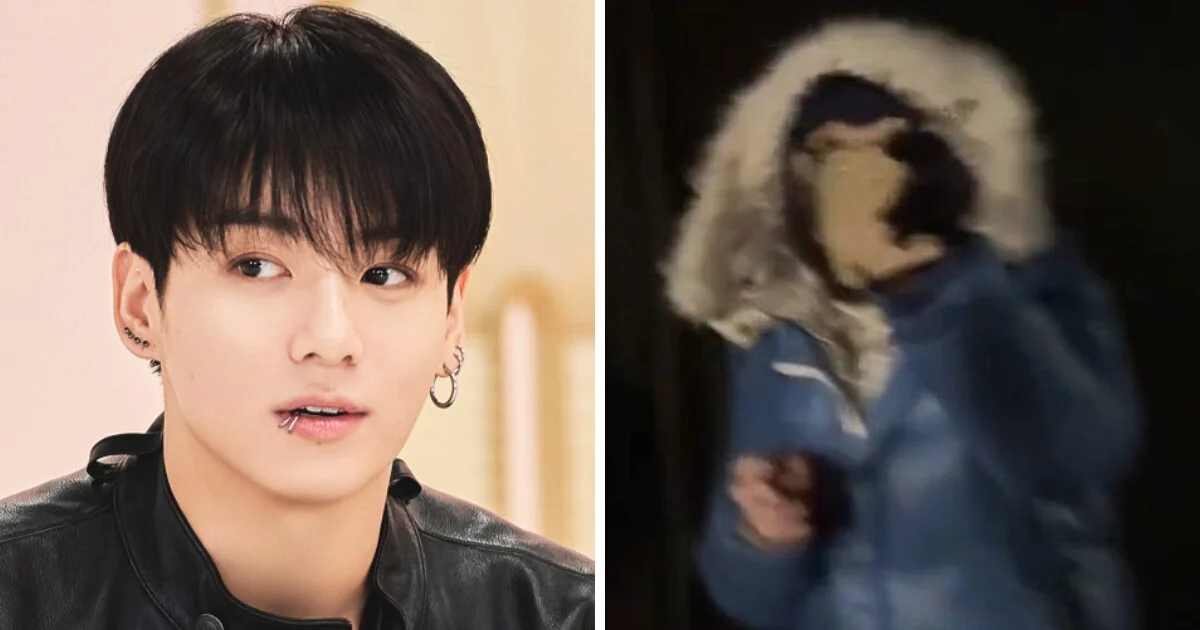
The ruling comes after a series of escalating incidents that began in late 2023, causing significant distress to the artist, Jeon Jungkook, and prompting a rigorous investigation by local law enforcement. Despite the frequency and severity of the intrusions, the court’s decision to grant a suspended sentence has drawn sharp criticism from the artist’s global fanbase, many of whom argue that the legal system has failed to provide a sufficient deterrent against the obsessive behavior commonly referred to in South Korea as "sasaeng" culture.
A Chronology of Obsession: The Pattern of Intrusion
The legal case against the defendant was built upon a documented history of repeated and unwanted contact that occurred over several months. According to evidence presented by the prosecution and verified by the Seoul Western District Court, the pattern of stalking reached a peak in December 2023. During that month alone, the Brazilian national visited Jungkook’s private residence in Seoul a total of 22 times.
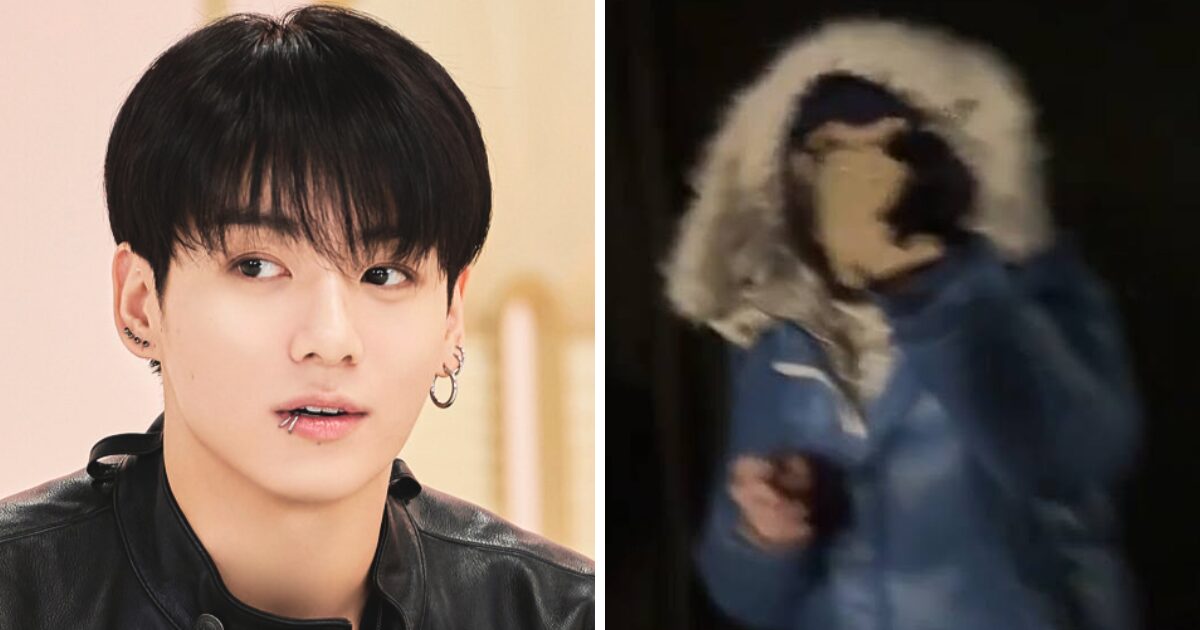
The nature of these visits was characterized by persistent attempts to gain the artist’s attention. Court records indicate that the woman repeatedly rang the doorbell of the residence, loitered in the immediate vicinity for extended periods, and left various items—including letters and personal gifts—at the entrance of the property. These actions created a documented environment of fear and harassment, eventually leading the artist’s security team and legal representatives to seek judicial intervention.
In response to the December incidents, South Korean authorities issued an emergency restraining order. This legal mandate explicitly prohibited the woman from approaching within 100 meters of Jungkook or his residence. However, the legal boundaries failed to deter the defendant. In January 2024, she knowingly violated the restraining order by returning to the property. Investigators revealed a particularly sophisticated breach of security during this period: the defendant reportedly observed a food delivery worker entering a side entrance of the luxury apartment complex. She waited for the worker to exit and then slipped through the closing door to gain access to the interior of the building, where she proceeded to leave photographs and printed materials outside the artist’s door.
The Court’s Rationale and Legal Framework
The sentencing of the defendant has sparked an intense discussion regarding the interpretation of the "Act on Punishment of Stalking Crimes," which was significantly strengthened in South Korea in 2021. Under this law, stalking is defined as performing acts against a person’s will without justifiable grounds, causing anxiety or fear. This includes following, observing, or waiting near a person’s home or workplace.

In explaining the decision to grant a suspended sentence rather than immediate incarceration, Presiding Judge Park Ji Won cited several mitigating factors. The court acknowledged that while the defendant’s actions were illegal and repetitive, her primary motivation appeared to be an attempt to "express feelings" of affection rather than a premeditated "intent to cause physical harm." This distinction is often a point of contention in stalking cases involving public figures, as the psychological impact on the victim is frequently weighed against the perceived physical threat posed by the perpetrator.
Furthermore, the court noted that the defendant had already spent approximately three months in a detention center while awaiting trial. The judge also highlighted the defendant’s status as a foreign national. As part of the legal fallout of the conviction, the woman is expected to face deportation once the ruling is finalized. The court expressed the view that the combination of the time already served in detention and the impending deportation would serve as a sufficient deterrent to prevent reoffending, effectively removing her from the jurisdiction where the crimes were committed.
The Phenomenon of "Sasaeng" Culture and Security Challenges
The case of Jungkook’s stalker is not an isolated incident but rather a high-profile example of the "sasaeng" phenomenon that has plagued the K-pop industry for decades. The term refers to obsessive fans who invade the personal lives of idols through intrusive and often dangerous means, including tracking private flight information, hacking personal accounts, and trespassing at private residences.
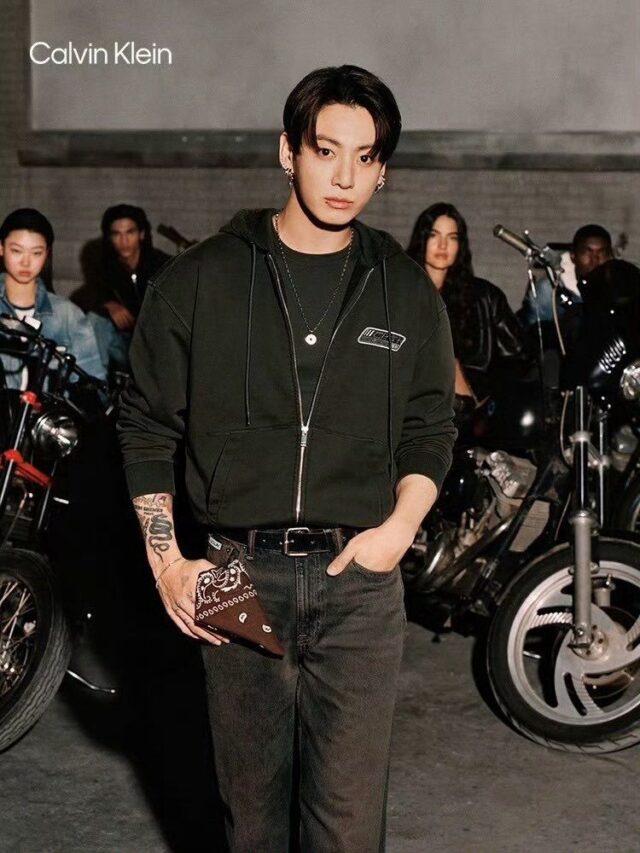
For BTS, the world’s most successful musical act, the scale of this issue is unprecedented. Jungkook, in particular, has been vocal about the toll such intrusions take on his mental well-being. In previous live broadcasts on the fan platform Weverse, he has pleaded with fans to stop sending unsolicited food delivery to his home and to respect his privacy during his personal time. The breach of his residence 22 times underscores the immense difficulty of maintaining security for high-profile celebrities, even within high-end, gated communities in Seoul.
Security experts suggest that the "delivery worker" tactic used by the defendant highlights a critical vulnerability in modern residential security. Even with advanced surveillance and biometric access, the human element—specifically the brief window of time when a door remains open for a legitimate service provider—remains a point of entry for determined trespassers.
Global Fan Reaction and Public Outcry
The news of the suspended sentence quickly trended across social media platforms, with the BTS "ARMY" (the group’s official fandom) expressing a mixture of relief that the legal process had concluded and outrage at the perceived leniency of the punishment. Many fans argued that the court’s focus on the "lack of intent to harm" minimizes the severe psychological trauma caused by 22 instances of trespassing and the violation of a restraining order.

Advocates for stricter stalking laws have pointed out that the "intent to express feelings" is often the very root of stalking behavior and should not be used as a mitigating factor. They argue that by categorizing such behavior as a misguided expression of love, the legal system inadvertently validates the delusions of the stalker, potentially encouraging others who believe their "devotion" justifies the violation of a celebrity’s privacy.
The backlash also reflects a broader concern for the safety of all BTS members, most of whom are currently serving their mandatory military duties or preparing for solo endeavors. Fans have called upon HYBE, the parent company of BTS’s label BigHit Music, to continue their "zero-tolerance" policy regarding the violation of artist rights. BigHit Music has historically been proactive in filing criminal complaints against malicious commenters and stalkers, frequently providing updates to fans on the status of these legal actions.
Broader Implications for South Korean Jurisprudence
The ruling in the Jungkook stalking case may set a complex precedent for future cases involving foreign nationals and celebrity stalking in South Korea. On one hand, the use of deportation as a primary resolution mechanism is a practical solution for the state, as it removes the burden of long-term incarceration and effectively ends the immediate threat to the victim. On the other hand, critics argue that this approach may be seen as a "get out of jail free" card for international stalkers who may feel emboldened by the knowledge that their punishment will likely be a return to their home country rather than a prison cell in Korea.
Legal analysts are also examining how this case fits into the evolving landscape of South Korean law. Since the 2021 overhaul of the anti-stalking act, there has been a steady increase in the number of reported cases and subsequent convictions. However, the frequency of suspended sentences remains a point of debate. The judiciary often balances the need for punishment with the goal of rehabilitation, but in cases of obsessive stalking, the risk of recidivism is notoriously high.
As the legal proceedings conclude and the deportation process begins, the case serves as a stark reminder of the darker side of global stardom. While the defendant may be leaving South Korea, the conversation regarding the boundaries of fan engagement and the adequacy of legal protections for public figures is far from over. For Jungkook and other artists of his stature, the hope remains that this high-profile conviction—even with its suspended sentence—will signal a shift toward more robust enforcement of privacy rights and a greater societal rejection of the "sasaeng" culture that continues to threaten their safety and peace of mind.