Nana Wu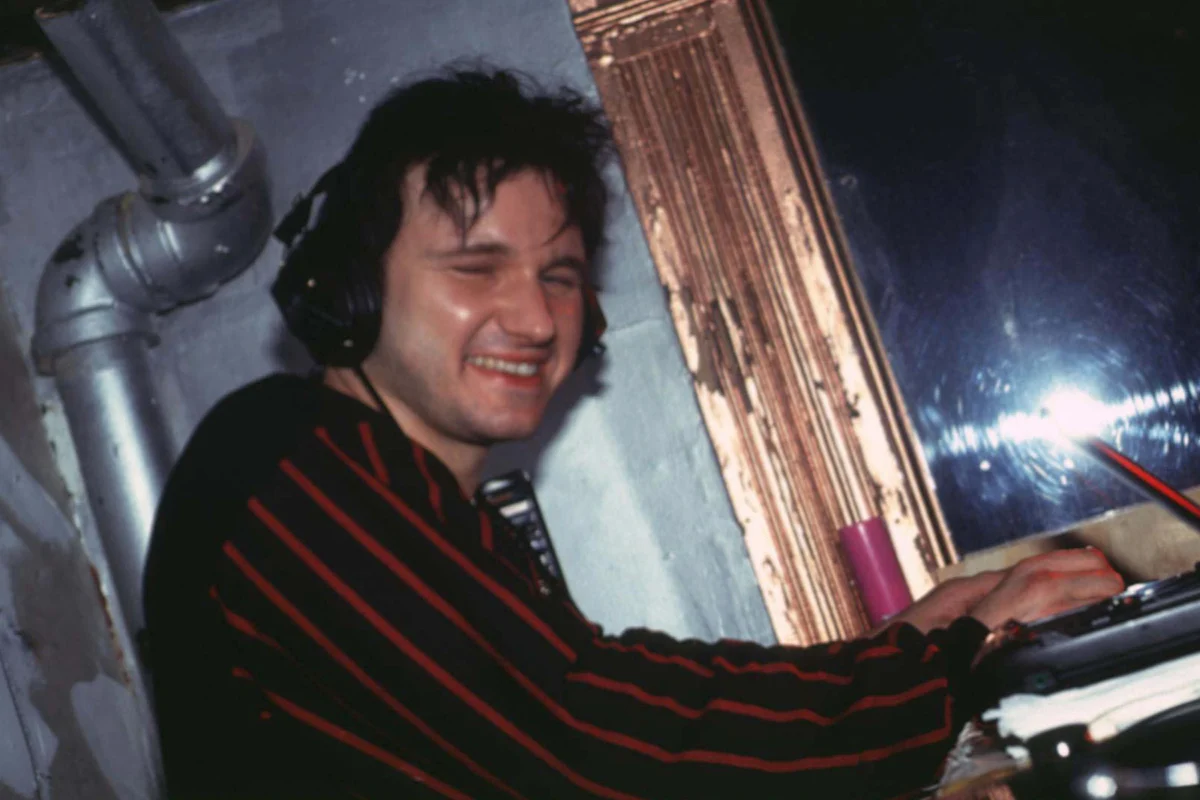
The music world is mourning the passing of Dave Kendall, the acclaimed British VJ whose astute curation and authentic passion helped propel indie and alternative rock into millions of homes during a pivotal era for music television. Kendall, known primarily for his role as the host and driving vision behind MTV’s groundbreaking program 120 Minutes from 1988 to 1991, died at the age of 68. The news of his death was first shared by his friend and fellow former MTV personality, Matt Pinfield, in a heartfelt tribute posted on social media on Tuesday, July 14. Pinfield did not disclose the cause of death.
Kendall’s tenure at MTV, particularly with 120 Minutes, was instrumental in shaping the musical tastes of a generation. In an era when MTV held unparalleled power in music discovery and artist promotion, 120 Minutes carved out a unique and critical niche. It served as a vital sanctuary for sounds that defied mainstream pop and hair metal conventions, introducing audiences to a nascent alternative scene that would soon explode onto the global stage. His discerning eye and ear, combined with a genuine connection to the artists and their work, made him a trusted arbiter of taste for countless viewers hungry for something beyond the chart-toppers.
The Genesis of a Cultural Gatekeeper: Dave Kendall’s Path to MTV
Born in England, Dave Kendall embarked on his professional journey not in front of a camera, but as a journalist and editor, honing his critical faculties and deep understanding of music. His early career saw him contributing insightful profiles, reviews, and features to esteemed American and British publications. He graced the pages of iconic music weeklies like Melody Maker, a publication renowned for its influential voice in the British music scene, often championing emerging and unconventional acts. He also wrote for American magazines such as Spin, which, much like 120 Minutes would later do, aimed to explore the broader, more adventurous corners of contemporary music, and even the New York Post, showcasing his versatility across different journalistic platforms. This background as a writer and critic provided him with a foundational knowledge of music history, industry dynamics, and, crucially, an innate ability to spot authentic talent. It was during this period that Kendall cultivated the discerning taste and articulate communication style that would later define his on-screen persona.
His relocation from his native England to New York City marked a significant turning point, bringing him closer to the burgeoning American media landscape. It was in New York that he caught the attention of MTV, a network that, by the late 1980s, had become a cultural behemoth. However, while MTV dominated youth culture, its programming largely revolved around mainstream pop, rock anthems, and the highly stylized visuals of the hair metal era. There was a palpable void for viewers seeking something edgier, more introspective, or simply outside the commercial behemoth. Recognizing this underserved demographic and the growing undercurrent of alternative music, MTV brought Kendall on board with a specific mission: to create a show that would fill this gap. Thus, 120 Minutes was born, and Kendall was not merely its host but its conceptual architect and guiding spirit. He spent a transformative seven years at the network, serving as a writer, producer, presenter, and news reporter, leaving an indelible mark on its programming and cultural impact.
120 Minutes: A Sanctuary for the Unconventional
When 120 Minutes debuted in 1986 (with Kendall taking over hosting duties in 1988), it was a radical departure from MTV’s typical programming. Positioned in the late-night hours, often running from midnight to 2 AM, the show cultivated an aura of exclusivity and discovery. It was where curious minds tuned in to find the sounds that weren’t played during the day, creating a sense of community among those who felt alienated by mainstream pop. Kendall’s role transcended that of a mere presenter; he was an ambassador for the alternative nation. He introduced viewers to bands with cryptic lyrics, raw aesthetics, and often challenging sounds, doing so with an infectious enthusiasm and an academic understanding that elevated the discourse around these artists.
The show became an essential platform for a diverse array of bands that were bubbling up from the indie and college radio circuits. Before the internet democratized music discovery, a dedicated program like 120 Minutes on a national network was an unparalleled pipeline to a wider audience. Kendall championed artists who would go on to define the decade, including but not limited to R.E.M., The Cure, Pixies, Sonic Youth, The Smiths, Depeche Mode, New Order, The Replacements, The Stone Roses, Jane’s Addiction, Red Hot Chili Peppers, Soundgarden, and Pearl Jam. For many of these acts, a premiere on 120 Minutes was their first national television exposure, providing critical validation and opening doors to a significantly larger fanbase. The show didn’t just play music videos; it offered insightful interviews, live performances, and mini-documentaries, providing context and depth that helped viewers connect with the artists on a more profound level.
The Nirvana Moment: Shifting the Musical Paradigm
The year 1991 proved to be the zenith of 120 Minutes‘ influence and, arguably, the pivotal moment for alternative music’s mainstream breakthrough. Dave Kendall was at the helm when the show premiered the music video for Nirvana’s "Smells Like Teen Spirit" in September of that year. This single event was a seismic shockwave that reverberated through the entire music industry. Prior to this, Nirvana was a critically acclaimed but relatively niche band from the burgeoning grunge scene of the Pacific Northwest. The video, with its iconic high school pep rally gone anarchic, encapsulated a generational angst and energy that resonated deeply.
The immediate impact was profound. "Smells Like Teen Spirit" quickly transitioned from a late-night curiosity to a daytime MTV staple, forcing the network to re-evaluate its entire programming strategy. This premiere on 120 Minutes effectively served as the official launchpad for the grunge movement and the broader alternative rock explosion that followed. It signaled a profound shift in mainstream musical tastes, moving away from the polished excesses of the 1980s towards a rawer, more authentic sound. Album sales for Nirvana’s Nevermind skyrocketed, pulling other Seattle bands like Pearl Jam and Soundgarden into the spotlight, and inspiring countless others. Kendall, through his platform, had not merely observed a cultural shift; he had actively facilitated its acceleration, providing the crucial visual gateway for millions of young people to discover their new musical idols. His departure from the host role of 120 Minutes occurred shortly after this watershed moment, in 1991, though the show continued to thrive with new hosts like Kevin Seal and, most notably, Matt Pinfield from 1995 to 1999, before a brief revival in 2011-2012 and eventual cancellation by MTV2 in 2003.

A Career Beyond the Booth: Expanding Horizons
Dave Kendall’s impact extended far beyond his foundational work at MTV. Following his tenure at the iconic music channel, he embarked on a diverse and expansive career that showcased his adaptability and enduring passion for media and culture. He transitioned into hosting and co-producing Music Scoupe, a nationally syndicated talk show that delved into various aspects of the music industry, further cementing his reputation as a knowledgeable and engaging interviewer.
His charismatic presence and global appeal were also leveraged for major live events. In 1994, Kendall anchored Soccer Rocks the Globe, an internationally simulcast concert event held in conjunction with the FIFA World Cup hosted in the United States, demonstrating his ability to connect with a global audience beyond music. That same year, he played a crucial role in the seminal Woodstock ’94 festival, anchoring its extensive pay-per-view broadcast. This event, celebrating the 25th anniversary of the original Woodstock, featured a blend of legacy acts and the new wave of alternative bands that Kendall had championed, solidifying his status as a commentator on major cultural moments.
Kendall also maintained a significant presence in radio, where he wrote and hosted numerous local and nationally syndicated shows, leveraging the intimate medium to continue his exploration and promotion of diverse musical genres. He was an early adopter and innovator in the nascent digital landscape, creating "alterworld," an early video streaming site that presaged the streaming revolution. He also contributed his expertise to content development at Soundbreak, further exploring how technology could reshape media consumption. His connection to the nightlife scene was evident through a seven-year DJ residency at New York’s legendary Limelight club, a cultural hotspot known for its eclectic music and vibrant atmosphere. This experience culminated in the release of his mix CD, A Voyage Into Trance, Volume 2, in 2002, showcasing his deep immersion in electronic music.
In a testament to his adventurous spirit and global perspective, Kendall embarked on a new chapter in 2011, relocating to Bangkok, Thailand. There, he hosted and produced Destination Thailand, a travel show that allowed him to explore and share the rich culture and landscapes of Southeast Asia. From 2017 onwards, he continued his journalistic roots, serving as an editor and writer for the prestigious Bangkok Post, one of Thailand’s oldest and most respected English-language newspapers. This final phase of his career highlighted his enduring commitment to storytelling and his ability to thrive in diverse cultural environments.
Tributes and an Enduring Legacy
The news of Dave Kendall’s passing elicited a wave of tributes from across the music and media industries, underscoring the profound impact he had on countless individuals. Matt Pinfield’s initial Instagram post resonated deeply, capturing the essence of Kendall’s character and contribution: “Dave was one of the true believers. Long before alternative music found its way into the mainstream, he was there every week on 120 Minutes, introducing people to bands that would go on to define an era. He didn’t just host a show. He gave a home to music that deserved to be heard. He loved the music, respected the artists, and connected with fans in a way that always felt authentic. That’s a rare gift.” This sentiment was echoed by many, recognizing Kendall as a sincere advocate who genuinely believed in the power and importance of the music he presented.
Musicians who received early exposure on 120 Minutes often credited the show, and by extension, Kendall, with providing them a crucial stepping stone. For fans, he was a trusted guide, a friendly face who validated their tastes and expanded their musical horizons during a formative period. His influence helped to cultivate a generation of music lovers who appreciated depth, authenticity, and innovation over fleeting trends. The show, under his stewardship, built a bridge between the underground and the mainstream, proving that there was a massive audience for music that dared to be different.
Broader Implications: The Golden Age of Music Television and Beyond
Dave Kendall’s career, particularly his foundational work on 120 Minutes, serves as a powerful reminder of the golden age of music television and its profound cultural significance. In an era predating ubiquitous internet access and streaming platforms, MTV, and niche programs like 120 Minutes, were the primary conduits for music discovery. They didn’t just play videos; they shaped narratives, broke artists, and fostered communities. Kendall’s show was more than just a playlist; it was an educational platform, a curator, and a tastemaker. It democratized access to music that might otherwise have remained confined to college radio stations or obscure record bins.
The impact of 120 Minutes reverberates even today. It helped establish a blueprint for music programming that valued artistic integrity and cultural relevance. Its legacy can be seen in the continued appreciation for alternative music and the ongoing quest for authentic voices in a perpetually evolving media landscape. Kendall’s ability to anticipate trends, articulate their significance, and present them with unwavering conviction cemented his place as a pivotal figure in music journalism and broadcasting. His life’s work reflects the dynamic evolution of media itself, from traditional print to broadcast television, pioneering digital platforms, and finally, international journalism. Dave Kendall’s contributions helped define an era, opening doors for a genre of music that would change the world, and his authentic spirit will be remembered by all those whose musical journeys he enriched.