Nana Wu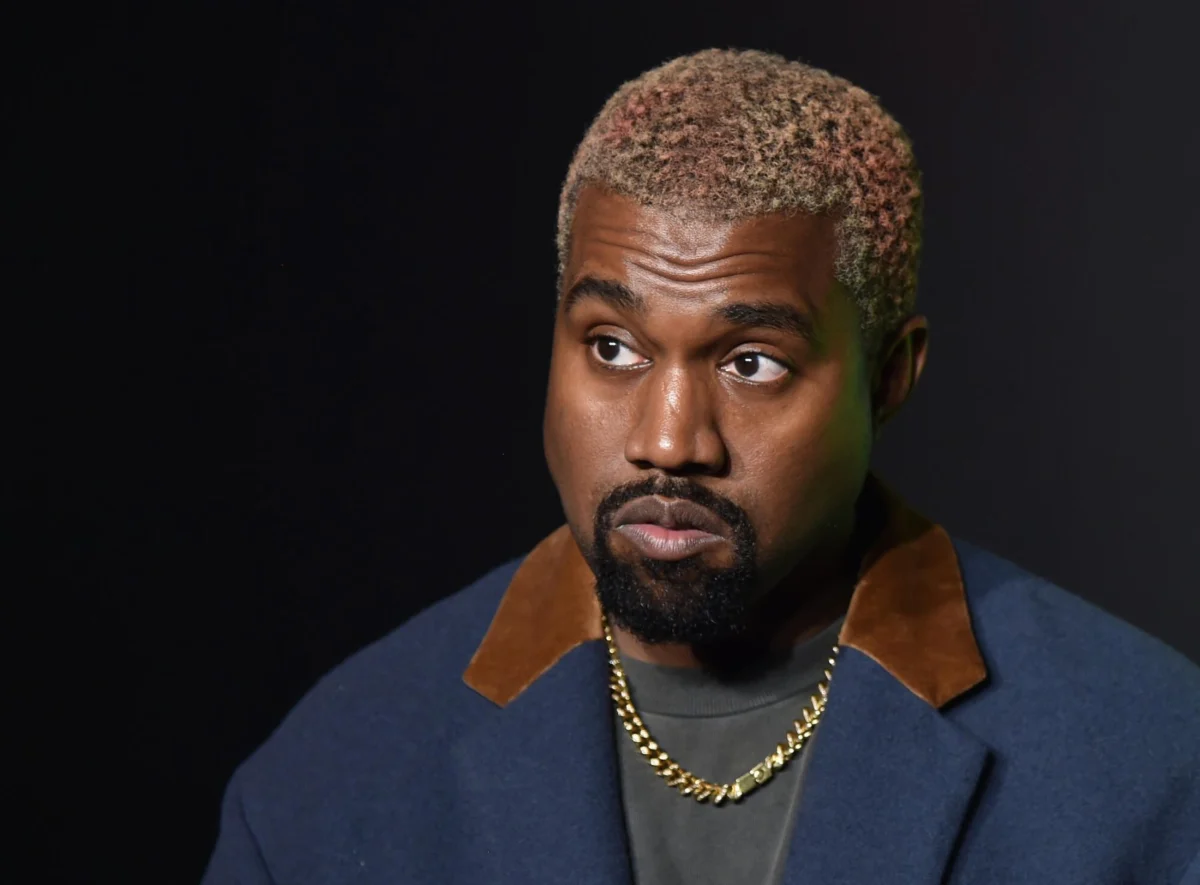
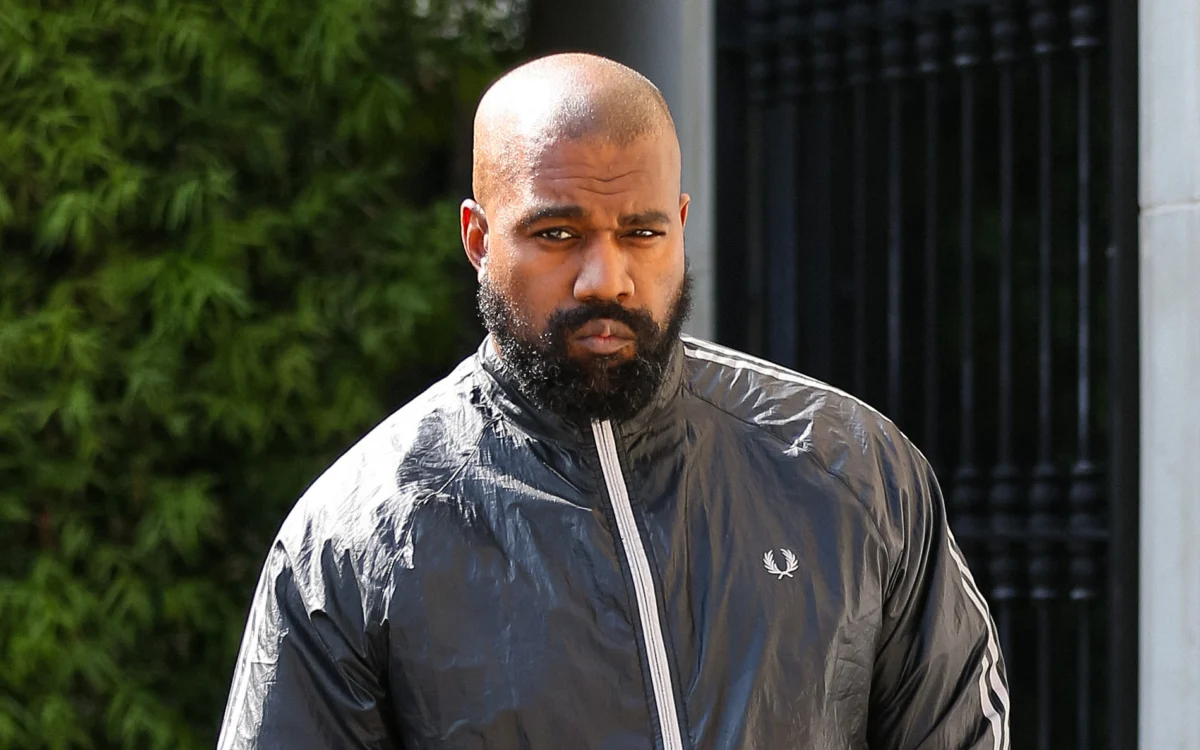
London’s highly anticipated Wireless Festival, a staple in the UK’s summer music calendar, was officially canceled for its 2026 edition following intense backlash over the booking of Ye, formerly known as Kanye West, as its headlining act. The cancellation, which saw the rap-oriented event scheduled for July 10-12 definitively called off, came after the British government denied Ye an Electronic Travel Authorization visitor visa, citing his extensive history of antisemitic and pro-Nazi comments. Festival Republic, the event’s managing director, Melvin Benn, has since reflected on the tumultuous period, acknowledging lessons learned while reaffirming confidence in the festival’s future return.
The controversy ignited in March 2026 when Festival Republic announced Ye would headline all three nights of Wireless Festival. This decision immediately drew widespread criticism from various quarters, including London Mayor Sadiq Khan and numerous Jewish organizations, who highlighted Ye’s repeated hate speech. Despite an apology issued by Ye in January via an advertisement in The Wall Street Journal, in which he attributed his behavior to a "brain injury," the public and institutional response remained overwhelmingly negative. The ensuing uproar led to several major sponsors, including Pepsi, Rockstar Energy, Diageo, and PayPal, withdrawing their support, underscoring the severe commercial ramifications of the booking.
The Genesis of Controversy: Ye’s Booking and Public Outcry
Wireless Festival, established in 2005, has grown to become one of the UK’s premier urban music events, attracting hundreds of thousands of attendees annually and featuring a who’s who of global hip-hop, grime, and R&B artists. Its move to Finsbury Park and later Crystal Palace Park, before this year’s planned London location, cemented its status as a significant cultural and economic contributor to the capital. The festival typically generates millions of pounds for the local economy through ticket sales, hospitality, and associated tourism, with past editions boasting attendance figures exceeding 150,000 over a weekend. The decision to book an artist of Ye’s global stature, known for both his musical genius and increasingly erratic and controversial public persona, was undoubtedly intended to be a major draw for the 2026 iteration. However, the timing and context proved catastrophic.
Ye’s journey into public controversy intensified significantly in late 2022, marked by a series of antisemitic statements made across various platforms, including social media and interviews. These comments, which included Holocaust denial and praise for Adolf Hitler, led to his removal from various brand partnerships, including Adidas, Gap, and Balenciaga, resulting in a substantial loss of his billionaire status. His public apology in January 2026 was seen by many as insufficient or insincere, particularly given its commercial nature and the previous severity of his remarks. Against this backdrop, Festival Republic’s announcement in March 2026 that Ye would headline Wireless Festival was met with immediate and fierce condemnation. Critics argued that offering such a prominent platform to an individual with a recent history of hate speech normalized his behavior and disregarded the harm caused to affected communities.
A Chronology of Escalating Backlash and Official Responses
The timeline of events leading to the cancellation unfolded rapidly:
- January 2026: Ye issues an apology for his past antisemitic remarks in a Wall Street Journal advertisement, citing a "brain injury" as a contributing factor. This apology is met with mixed reactions, with many Jewish organizations deeming it inadequate.
- March 2026: Festival Republic announces Ye as the headliner for all three nights of Wireless Festival 2026.
- Late March 2026: A groundswell of public and institutional opposition emerges. London Mayor Sadiq Khan publicly expresses concerns, stating that London has "zero tolerance for antisemitism." Numerous Jewish community leaders and organizations issue statements condemning the booking, calling it irresponsible and a betrayal of community values.
- Early April 2026: Several major corporate sponsors, including Pepsi, Rockstar Energy, Diageo, and PayPal, begin to withdraw their financial support from Wireless Festival. These companies, often guided by robust corporate social responsibility policies, could not reconcile their brand values with the controversy surrounding Ye.
- April 1, 2026: Melvin Benn issues a statement defending the decision to book Ye, emphasizing a belief in "forgiveness and giving people a second chance." He acknowledges the seriousness of Ye’s previous remarks but expresses hope for accountability and change.
- April 7, 2026: The British government’s Home Office confirms that Ye would be denied an Electronic Travel Authorization visitor visa required for entry into the UK. The official reason provided is that his "presence would not be conducive to the public good," a standard clause used for individuals whose entry is deemed harmful to public order or national interests. This decision effectively made Ye’s performance impossible.
- Mid-April 2026: Following the visa denial, Festival Republic officially announces the cancellation of Wireless Festival 2026 and confirms that all ticket holders will receive full refunds.
- July 15, 2026: Melvin Benn gives an interview to NME, reflecting on the controversy and outlining lessons learned.
Stakeholder Reactions and Commercial Implications
The reactions from various stakeholders highlight the multifaceted pressures faced by Festival Republic. London Mayor Sadiq Khan’s intervention was particularly significant. As the head of a diverse global city, Khan’s office often takes a stance on events impacting community cohesion. His clear condemnation signaled that the booking was not just a matter of artistic freedom but one of public values and safety. Similarly, the unified voice of Jewish organizations, including the Board of Deputies of British Jews and the Campaign Against Antisemitism, presented a powerful moral and ethical challenge to the festival organizers. Their advocacy often includes detailed documentation of hate speech and its impact, providing compelling reasons for public and private entities to reconsider associations.
The withdrawal of major sponsors was arguably the most immediate and tangible blow. Companies like Pepsi, a global beverage giant, and PayPal, a leading digital payment platform, invest heavily in their brand image and reputation. Associating with an event mired in controversy, especially concerning hate speech, poses an unacceptable risk to their public standing and can alienate large segments of their consumer base. The decision by these sponsors to pull out demonstrates a growing trend of corporate accountability, where companies are increasingly pressured to align their commercial activities with ethical considerations and societal expectations. For Wireless Festival, losing such significant financial backing would have severely impacted its operational viability, even if the government had not intervened. These withdrawals are not merely symbolic; they represent millions of pounds in lost revenue and marketing support, making the festival’s continuation an economic impossibility regardless of the visa outcome.
Government Intervention: The "Public Good" Clause
The Home Office’s decision to deny Ye a visa on the grounds that his "presence would not be conducive to the public good" is a powerful testament to the UK government’s stance on hate speech and its potential impact on social cohesion. This clause is not invoked lightly and typically applies to individuals with criminal records, those deemed a national security risk, or those whose public statements or actions are considered deeply divisive or incite hatred. In Ye’s case, his well-documented and widely publicized antisemitic remarks placed him squarely within the scope of this provision. The government’s decision effectively prioritized the protection of its citizens, particularly vulnerable communities, over the commercial interests of a private event or the artistic expression of an individual.

This intervention by a national government in a cultural event involving an international artist is not unprecedented, but it serves as a stark reminder of the limits of artistic freedom when it verges into hate speech. It also sets a precedent for how the UK might handle similar situations involving other controversial figures in the future, signaling a low tolerance for rhetoric that undermines social harmony. The Home Office’s explicit mention of Ye’s "past antisemitic and pro-Nazi comments" left no ambiguity regarding the reasons for the denial, reinforcing the seriousness with which such expressions are viewed.
Melvin Benn’s Reflection and Lessons Learned
In his interview with NME on Wednesday, July 15, Melvin Benn, a veteran in the festival industry, offered a candid reflection on the entire ordeal. His initial defense of booking Ye, articulated in an April statement, centered on the concept of "forgiveness and giving people a second chance," arguing that these virtues were "becoming a lost virtue in this ever-increasing divisive world." He had urged the public to "reflect on their instant comments of disgust… and offer some forgiveness and hope to him as I have decided to do." This position, while perhaps noble in its intent, ultimately failed to resonate with a public and political landscape deeply concerned with the tangible harm caused by hate speech.
Months later, Benn’s perspective had evolved, recognizing the practical realities of the situation. "Timing, I think, is an important lesson," he told NME. This remark suggests an acknowledgment that regardless of any personal belief in redemption, the public and commercial environment in 2026 was simply not ready or willing to embrace Ye, particularly so soon after his apologies. While he maintained his personal belief in forgiveness, stating, "I would hope that other people learn the lesson of forgiveness, because forgiveness is an important part of being a decent human being, in my view," he clarified that this particular lesson was not one he felt he personally needed to learn, but rather one he hoped others would embrace. Critically, Benn expressed unwavering confidence in the festival’s future, stating, "Wireless will return. We’re very confident about that." This reassurance is vital for fans, industry partners, and the festival’s long-term viability.
The Financial, Reputational, and Broader Industry Implications
The cancellation of Wireless Festival 2026 represents a significant financial blow to Festival Republic and the broader UK music industry. Beyond the immediate loss of ticket revenue, the costs associated with planning a major festival—including artist deposits, infrastructure bookings, marketing campaigns, and staff wages—are substantial. While insurance policies might cover some losses, the economic ripple effect extends to vendors, contractors, local businesses, and temporary staff who rely on such events for income. The London economy also misses out on the indirect revenue generated by thousands of visitors spending on accommodation, transport, food, and other services.
Reputationally, the incident has been challenging for Festival Republic. As one of the UK’s leading festival organizers, with a portfolio that includes Reading & Leeds and Download, maintaining public trust and a positive brand image is paramount. The Wireless controversy highlights the delicate balance between securing high-profile acts and conducting thorough due diligence, not just on an artist’s performance capabilities but also on their public persona and potential for controversy. It underscores the increasing importance of robust ethical frameworks in artist booking, particularly in an era where social media amplifies public sentiment and corporate accountability is scrutinized more than ever.
The incident also sparks a broader conversation within the music industry about artist vetting, corporate responsibility, and the role of public opinion. Festival organizers, promoters, and booking agents are now compelled to consider the "risk profile" of artists beyond their musical talent. This includes evaluating an artist’s past controversies, their potential for future provocations, and the alignment of their public image with the values of the festival, its sponsors, and its audience. The Wireless cancellation serves as a cautionary tale, demonstrating that the commercial viability of an event can be irrevocably undermined if public trust is lost or if core ethical principles are perceived to be compromised. It reinforces the idea that cultural institutions are not immune to the societal expectations of accountability, particularly concerning hate speech.
The Future of Wireless Festival and Ye’s Trajectory
Despite the significant setback, Melvin Benn’s assertion that Wireless Festival "will return" suggests that Festival Republic is committed to overcoming this challenge. The festival has a strong brand identity and a loyal following, and its absence from the 2026 calendar will likely create pent-up demand for its return. However, its comeback will undoubtedly involve a re-evaluation of its booking strategies, enhanced stakeholder consultations, and perhaps a more proactive approach to managing potential controversies. The organizers will need to regain the trust of sponsors, local authorities, and the public, demonstrating a clear commitment to inclusivity and ethical event management.
As for Ye, his career continues its complex trajectory. Despite the Wireless Festival cancellation and ongoing public scrutiny, he returned with his Bully album on March 28, which peaked at No. 2 on the Billboard 200. He further supported the release with a pair of sold-out shows at SoFi Stadium in Los Angeles at the start of April. This dichotomy highlights the enduring, albeit diminished, commercial appeal of his music for a segment of his fanbase, even amidst profound controversy. However, the UK government’s visa denial clearly illustrates that his public actions have tangible consequences that can limit his global reach and ability to perform in certain territories, posing a significant challenge to his international touring ambitions.
The cancellation of Wireless Festival 2026 stands as a pivotal moment in the intersection of music, culture, and public ethics. It underscores the evolving landscape where artistic freedom is increasingly weighed against social responsibility, where corporate sponsorship is contingent on ethical alignment, and where governments are willing to intervene to uphold principles of public good. While Melvin Benn hopes for a future of forgiveness, the immediate lesson for the music industry is one of heightened vigilance and a profound understanding of the complex societal currents that shape the success and viability of major cultural events.

![Sijya announces Leather and Brass [Retrofitted] EP, shares Do I Know [Rachika Nayar Edit]: Listen](https://empire-music.net/wp-content/uploads/2026/09/sijya-announces-leather-and-brass-retrofitted-ep-shares-do-i-know-rachika-nayar-edit-listen.webp)