 Kholidah
The controversy centers on the disproportionate number of standing sections allocated for the event, which many fans argue fails to account for the physical needs and demographic profile of their loyal followers. As Click-B prepares to celebrate their 27th debut anniversary, the disconnect between the event’s planning and its target audience’s reality has highlighted a growing tension in the management of legacy K-pop acts.
Historical Context: The Legacy of Click-B
To understand the intensity of the backlash, one must look at Click-B’s storied history. Formed in 1999 under DSP Media (then known as DSP Entertainment), Click-B was a pioneer in the "band-dance" hybrid genre. Unlike traditional idol groups of the era, the seven members—Kang Hoo, Oh Jong-hyuk, Kim Sang-hyuk, Woo Yun-suk, Yoo Ho-suk (Evan), No Min-hyuk, and Ha Hyun-gon—were unique for their ability to play instruments while performing synchronized choreography.
The group’s peak popularity in the early 2000s saw them release hits such as "Dreaming," "Undefeatable," and "Cowboy." They were instrumental in the first Hallyu wave, standing alongside contemporaries like H.O.T., Sechs Kies, and Shinhwa. However, the group underwent several lineup changes and hiatuses, eventually transitioning into a four-member unit before the members pursued individual careers in musicals, variety shows, and business.
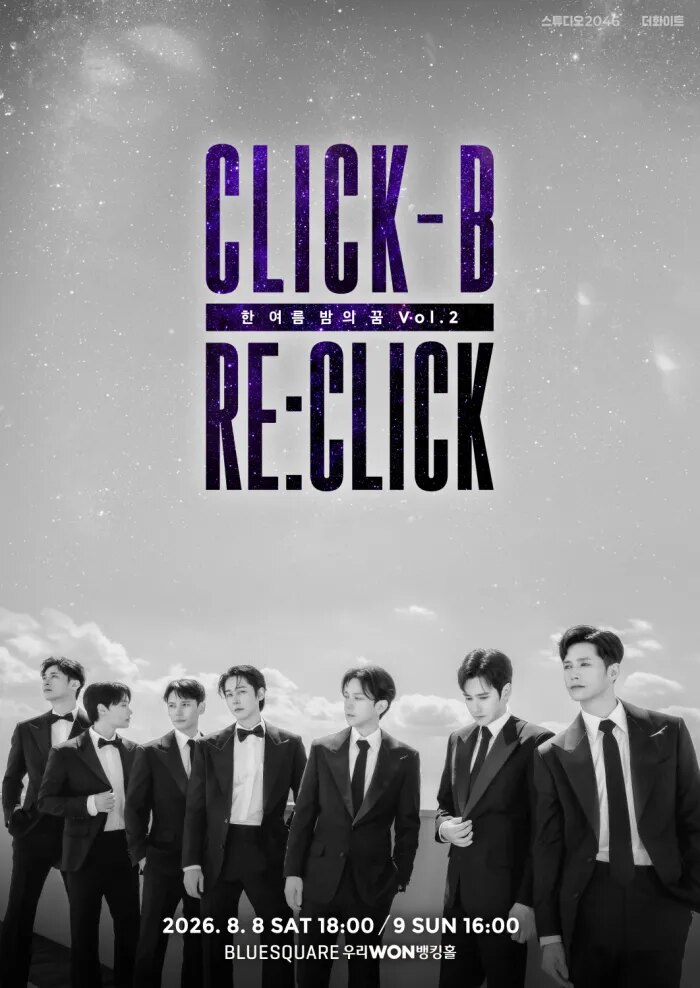
The upcoming "CLICK-B RE: CLICK" concert, scheduled for August 8 and 9 in Seoul, represents a monumental milestone. It is the first time since 2015—and only the second time in 23 years—that all seven original members will stand on stage together. For a fandom that has waited 11 years for a full reunion, the expectations were sky-high, making the seating arrangement controversy particularly stinging.
The Seating Controversy: A Demographic Mismatch
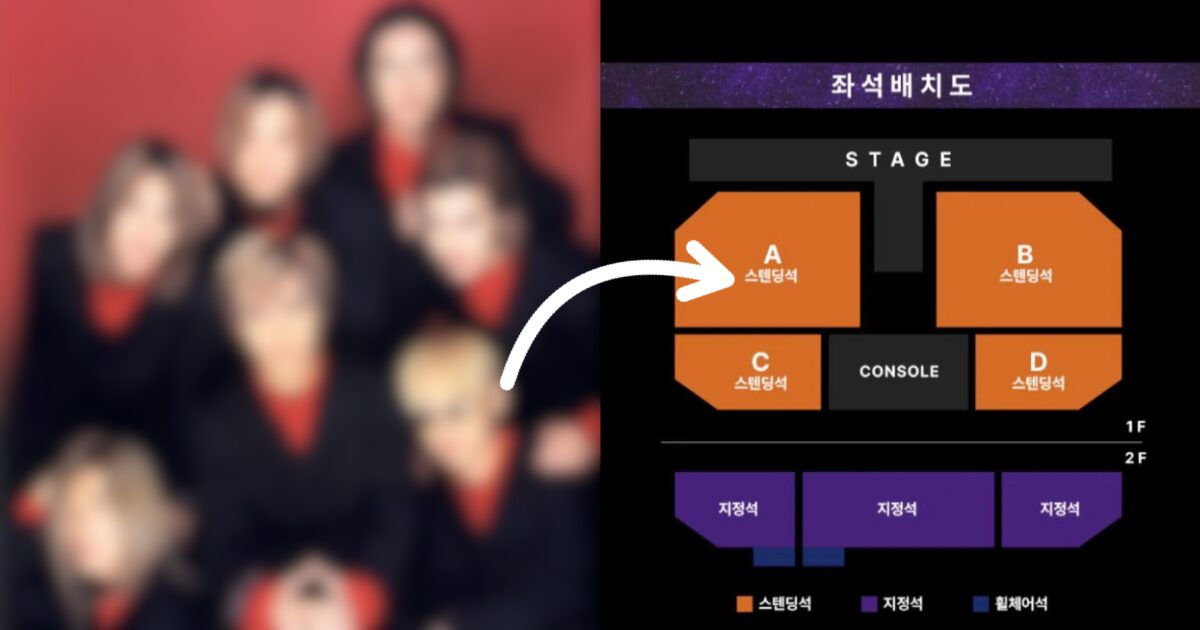
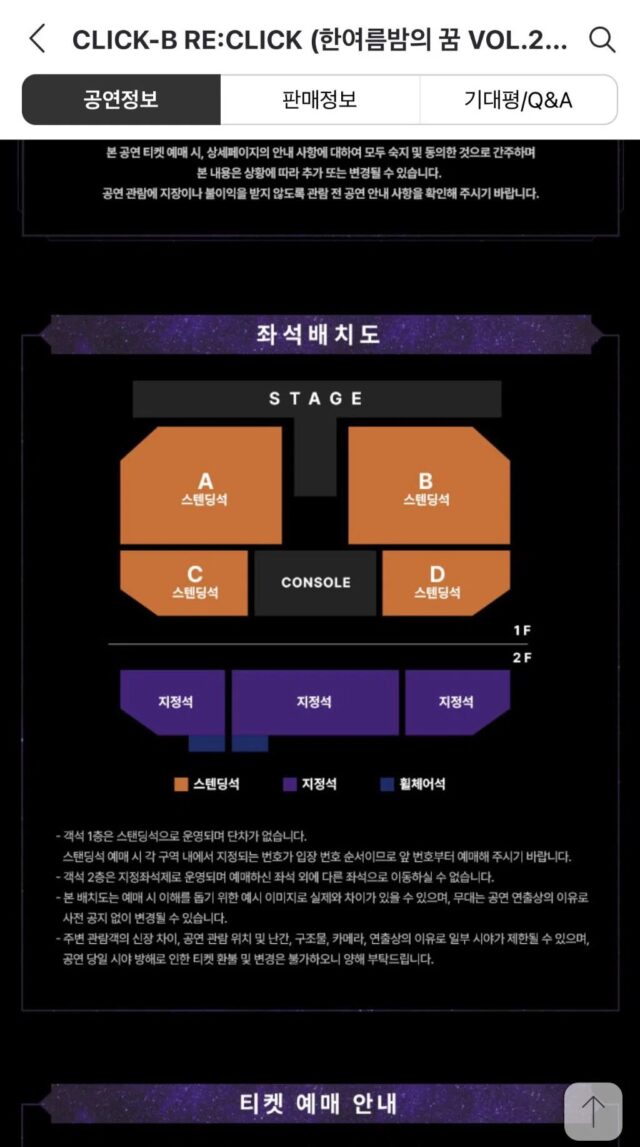
The primary source of the backlash is the floor plan for the Seoul venue. The map reveals that the majority of the "ground" area, typically the most coveted space in a concert hall, is designated as standing-only zones. In modern K-pop concerts featuring fourth or fifth-generation groups (whose fans are predominantly in their teens and twenties), standing sections are standard. They allow for higher capacity and a more energetic atmosphere.
However, Click-B’s debut in 1999 means that their core fanbase consists of individuals who were teenagers or young adults at the turn of the millennium. Today, these fans are largely in their late 30s, 40s, and even early 50s. Social media reactions on platforms like Instiz and X (formerly Twitter) have been swift and pointed, with many fans expressing physical concerns.
"We are not the same fans we were in 1999," one viral comment read. "Our loyalty hasn’t changed, but our knees certainly have. Expecting a 40-year-old fan to stand in a crowded pit for three hours after working a full-time job is a lack of basic consideration."

Another fan pointed out the logistical nightmare: "This isn’t just about comfort; it’s about safety. First-generation fans often bring their children or simply don’t have the stamina for the ‘pushing’ that occurs in standing sections. Why is there no floor seating?"
Comparative Analysis: Lessons from Other First-Generation Reunions
The backlash against Click-B’s organizers is exacerbated by how other legacy groups have handled their reunions. In recent years, groups like g.o.d and H.O.T. have held massive stadium and arena shows that prioritized comfort.
For instance, g.o.d’s recent anniversary tours featured "VIP Seating" on the floor level, where chairs were provided even in the most expensive sections. This allowed older fans to enjoy the performance without the physical strain of standing for the duration of a two-to-three-hour setlist. Similarly, Sechs Kies and Shinhwa have historically balanced standing and seated sections to accommodate a diverse age range.
Industry analysts suggest that the decision to implement standing sections is often driven by venue capacity and revenue maximization. Standing areas can hold significantly more people than seated ones, allowing organizers to sell more tickets at a lower overhead cost. However, in the case of "reunion" concerts, this strategy can backfire by alienating the very demographic willing to pay premium prices for a comfortable experience.
Timeline of Click-B’s Recent Activities and the Concert Build-up
The road to the 27th-anniversary concert has been one of gradual build-up and nostalgic marketing:
- 2015: The group holds their first full-member reunion concert in years, following the release of the single "Reborn."
- 2019-2023: Members focus on solo endeavors. Oh Jong-hyuk gains fame in the military-themed show The Iron Squad, while Kim Sang-hyuk maintains a presence in variety and the food industry.
- Late 2025: Rumors begin to circulate regarding a 27th-anniversary project.
- July 2026: Official announcement of "CLICK-B RE: CLICK." The group releases teaser images showing all seven members, sparking a wave of nostalgia.
- July 23, 2026: The seating chart is released, leading to immediate "massive backlash" from the domestic and international fanbases.
Official Responses and Fan Demands
As of the latest reports, the organizers have not issued a formal statement regarding a change in the seating layout. However, the pressure from the "Nizi" (Click-B’s fandom) continues to mount. Fans have organized online petitions and are actively messaging the event coordinators to request the addition of chairs to the ground sections.
"We are willing to pay more for the tickets if it means we can sit down," said a representative of a long-standing Click-B fan cafe. "This concert is supposed to be a celebration of our shared history. Instead, many of us are now worried about whether we can physically survive the event."
Logistically, changing a standing section to a seated one late in the planning stage is difficult. It requires a total recalculation of fire safety codes, a reduction in total ticket inventory, and a re-printing of ticket information. If the organizers refuse to budge, they risk a lower-than-expected turnout or a disgruntled audience on the day of the event.
The Broader Impact on the K-Pop Industry
The Click-B controversy serves as a case study for the wider K-pop industry as it continues to lean into "nostalgia marketing." With more first-generation and second-generation groups (such as TVXQ, Super Junior, and Girls’ Generation) reaching significant anniversaries, labels must reconsider their event management strategies.
- Demographic Sensitivity: Event planners must recognize that "fan experience" changes with age. While a 15-year-old might value being three feet closer to the stage in a standing pit, a 40-year-old fan likely values a clear view and a dedicated seat.
- Premium Tiering: There is a missed opportunity for "Premium Seating" tiers. Older fans often have more disposable income than younger fans but are more selective about the conditions in which they consume live entertainment.
- Venue Choice: The choice of venue plays a critical role. Some venues in Seoul are better equipped for "all-seated" configurations than others. Using a venue primarily designed for high-energy standing shows may have been the organizers’ first mistake.
Conclusion: A Bittersweet Reunion
The "CLICK-B RE: CLICK" concert remains one of the most anticipated musical events of the year. The return of all seven members is a feat of coordination and a testament to the enduring bond between the members. It is a rare opportunity to see a complete "band-dance" group perform their classic hits with modern production values.
However, the seating controversy has cast a shadow over the celebration. It highlights a fundamental truth about the evolution of K-pop: as the idols grow older, so do the fans. For a reunion to be truly successful, the organizers must respect the physical reality of the audience that has supported the group for nearly three decades.
Whether the organizers will respond to the "massive backlash" by adjusting the floor plan remains to be seen. For now, the fans of Click-B are left in a difficult position—torn between their desire to witness a historic 11-year reunion and the daunting prospect of enduring a standing-only environment that feels out of touch with their needs. The resolution of this conflict will likely set a precedent for how future legacy K-pop concerts are organized in an increasingly age-diverse market.