Johan Budi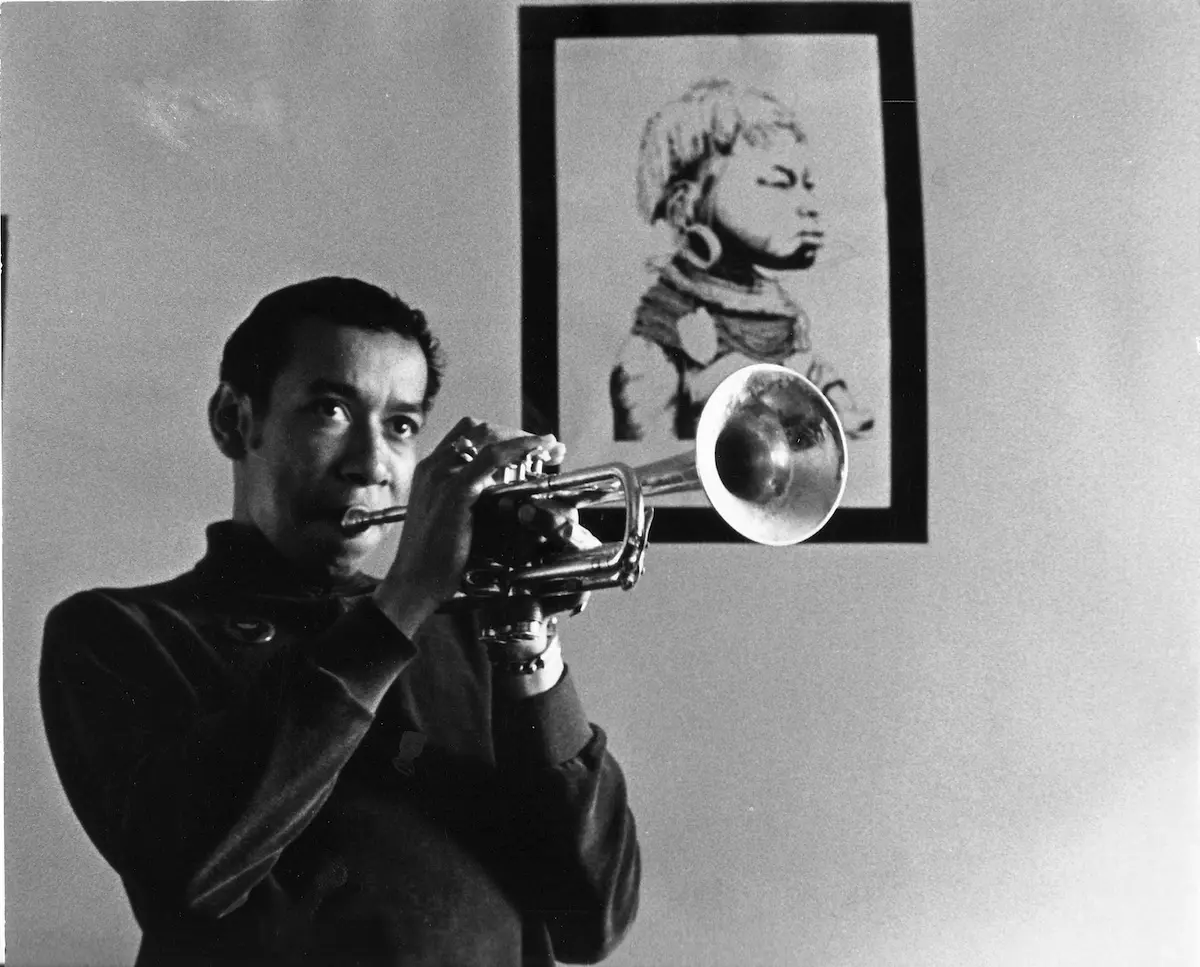
The landscape of contemporary jazz continues to be shaped by a dual focus on the preservation of historical masterpieces and the re-emergence of modern classics that define regional excellence. Recent releases across the jazz spectrum—ranging from the hard bop virtuosity of Lee Morgan’s Take Twelve to the cinematic avant-garde explorations of the late Michel Portal and the structural sophistication of the Tim Richards Hextet—provide a window into the evolving nature of the genre. These recordings, spanning several decades of musical development, highlight the technical progression of the trumpet, the integration of jazz into European cinema, and the enduring strength of the British jazz scene.
The Evolution of Hard Bop: Lee Morgan’s Take Twelve
Lee Morgan’s Take Twelve, originally recorded in 1962 for the Jazzland label, remains a pivotal document in the transition of hard bop during the early 1960s. Morgan, who was only 24 years old at the time of the recording, had already established himself as a prodigy within Art Blakey’s Jazz Messengers. This specific session, now seeing a resurgence on high-quality vinyl via Jazz Wax Records, captures Morgan at a crossroads between the blistering speed of his youth and a maturing sense of melodic architecture.
Historical Context and Technical Lineage
Musicologists frequently cite the influence of Clifford Brown on Morgan’s early career. Brown’s tragic death in 1956 left a void in the jazz world that Morgan, perhaps more than any of his contemporaries, sought to fill. Take Twelve serves as a primary example of this lineage, characterized by bright tonal clarity, rapid-fire rhythmic runs, and a distinct "vocalized" approach to the trumpet.
By 1962, Morgan had already contributed to seminal works such as John Coltrane’s Blue Train (1957) and had led several sessions for Blue Note. However, Take Twelve offers a slightly different perspective, utilizing a quintet that featured Clifford Jordan on tenor saxophone, Barry Harris on piano, Bob Cranshaw on bass, and Louis Hayes on drums. This lineup provided a more flexible rhythmic foundation than the rigid structures often found in the Jazz Messengers, allowing Morgan to experiment with "smears" and unconventional vibrato.
Track Analysis and Compositional Depth
The album’s repertoire highlights the "galloping" nature of early 60s hard bop. The track "Ragged Ann" is noted for its alternating tempos, shifting between a fast-paced "gallop" and relaxed 4/4 blues sections. This structural variety allowed the soloists to demonstrate both technical agility and blues-based sensibility.
"Lee-sure Time," a minor blues composition, showcases the chemistry between Morgan and Clifford Jordan. Analysts point to Jordan’s economical note selection—holding long, smooth tones—as the perfect foil to Morgan’s more aggressive, staccato delivery. The inclusion of bonus material in recent reissues, such as the track "I’m A Fool To Want You," provides a fascinating historical comparison. This track features a different rhythm section, including Wynton Kelly, Paul Chambers, and Art Blakey, offering a glimpse into the high-stakes collaborative environment of the New York jazz scene in the early 1960s.
Michel Portal: The Intersection of Jazz and European Cinema
The jazz community recently marked the passing of Michel Portal, the acclaimed French multi-instrumentalist and composer who died in February 2024 at the age of 90. Portal’s career was defined by a rare ability to bridge the gap between rigorous classical training at the Paris Conservatoire and the improvisational freedom of free jazz and contemporary music. His album, Musiques De Cinémas, serves as a retrospective of his profound impact on the film industry, where jazz has historically been used to signify modernism, tension, and urban alienation.
The Development of the Jazz Soundtrack
The relationship between jazz and film evolved significantly in the mid-20th century. While early Hollywood utilized jazz primarily for musicals or diegetic background noise, European directors began using the genre to create psychological depth. Portal followed in the footsteps of Miles Davis (Ascenseur pour l’échafaud) and Duke Ellington (Anatomy of a Murder), using jazz not merely as accompaniment, but as a narrative tool.
Portal’s work, particularly his mastery of the bass clarinet, introduced a sonorous, often "sinister" element to French cinema. His collaborations with avant-garde figures like Don Cherry and Anthony Braxton informed his film scores, which often avoided traditional melodic hooks in favor of atmospheric textures.
Analysis of Cinematic Compositions
Musiques De Cinémas highlights Portal’s ability to use instrumentation to evoke visual movement. In "Une Histoire De Vent," the interaction between Francois Moutin’s bass and Laurent Dehors’ saxophone creates a sense of frantic urban navigation. Conversely, the tracks "Max Mon Amour #1" and "#2" utilize a deep, resonant bass clarinet to establish a rhythmic groove that mirrors the complexities of the film’s narrative.
The inclusion of Ralph Towner’s guitar on "Yeelan" adds a layer of "tension and paranoia," according to music critics. The score uses high-register sounds and ominous drumming to create a sense of evasion. The album concludes with "Yvan Ivanovitch Kossiakow," featuring the accordion of Richard Galliano—a long-time collaborator of Portal—which blends the folk-inspired sounds of the tango with a modern, "Moondog-esque" rhythmic sensibility.
Tim Richards Hextet: Structural Integrity in British Jazz
In the realm of contemporary British jazz, the re-emergence of the Tim Richards Hextet’s Telegraph Hill (originally released in 2015) underscores the importance of original composition within the small-group format. Following the success of his trio album, Four Aces, Richards has returned to the Hextet configuration to explore more complex arrangements and diverse tonal colors.
The London Jazz Landscape
Tim Richards has been a fixture of the London jazz scene for decades, known for his pedagogical contributions as much as his performance career. Telegraph Hill represents a departure from his work with standards, focusing instead on original material composed by the band members. This shift reflects a broader trend in European jazz toward the development of a unique, non-Americanized compositional voice.
The Hextet features a formidable lineup, including Dick Pearce on trumpet and Ed Jones on tenor saxophone. The addition of Ralph Wyld’s vibraphone is particularly significant, as it provides an "atmospheric airiness" that distinguishes the group from the traditional hard bop quintet.
Compositional Highlights and Urban Themes
The title track, "Telegraph Hill," is described as a sonic representation of the changing landscape of London. It contrasts the historical vista of the city with the modern development of the Docklands, using shifting tempos and rhythms to mirror urban evolution.
Other notable tracks include "Tollbridge," which features a "storming" introduction by Richards on piano, leading into a powerful tenor solo by Ed Jones. The track "Clandestine," composed by Jones, begins with a pensive, bowed bass intro by Dominic Howles, demonstrating the group’s willingness to experiment with texture before transitioning into a more adventurous, open-ended improvisation.
Chronology of Recordings and Re-releases
The timeline of these three releases illustrates the enduring cycle of jazz music, from initial recording to archival preservation and eventual re-evaluation:
- January 24, 1962: Lee Morgan records Take Twelve in New York City. The album is released on Jazzland Records, a subsidiary of Riverside Records.
- 1994–1995: Michel Portal records the sessions that would comprise his major film music collections in Amiens and New York, collaborating with a global roster of musicians.
- 2014: The Tim Richards Hextet records Telegraph Hill in London, marking a significant milestone for Richards’ original compositions.
- 2015: Original release of Telegraph Hill.
- February 2024: Death of Michel Portal at age 90, sparking a renewed interest in his cinematic and avant-garde catalog.
- 2024: Re-issue of Lee Morgan’s Take Twelve on vinyl (Jazz Wax Records) and the reappearance of Telegraph Hill on CD (Track CD), catering to the growing market for physical jazz media.
Industry Implications and the Vinyl Revival
The simultaneous availability of these recordings points toward several key trends in the music industry. First, the "vinyl revival" continues to prioritize high-fidelity reissues of 1950s and 60s jazz. Collectors and audiophiles increasingly seek out titles like Take Twelve, not just for the music, but for the historical artifact of the LP format.
Second, the death of figures like Michel Portal highlights the urgent need for the preservation of European jazz history. Unlike the well-documented American jazz canon, European "Third Stream" and avant-garde movements are often contained within disparate film archives and small independent labels. The re-distribution of Musiques De Cinémas is essential for maintaining the legacy of the "Amiens school" of jazz.
Finally, the success of the Tim Richards Hextet demonstrates the viability of the "independent" model in modern jazz. By focusing on original compositions and local themes (such as the London geography in Telegraph Hill), artists can cultivate a dedicated following that values regional identity over the replication of historical American styles.
Conclusion
The works of Lee Morgan, Michel Portal, and Tim Richards represent three distinct pillars of jazz: the technical mastery of the American hard bop tradition, the intellectual depth of European cinematic music, and the structural innovation of contemporary British ensembles. Whether through the 1962 trumpet runs of a young Morgan or the 2014 vibraphone textures of the Richards Hextet, these recordings confirm that jazz remains a medium defined by its ability to look backward and forward simultaneously. As archival technology improves and the market for physical media stabilizes, the preservation of these diverse voices ensures that the genre’s history remains a living, breathing influence on future generations of musicians.