Kholidah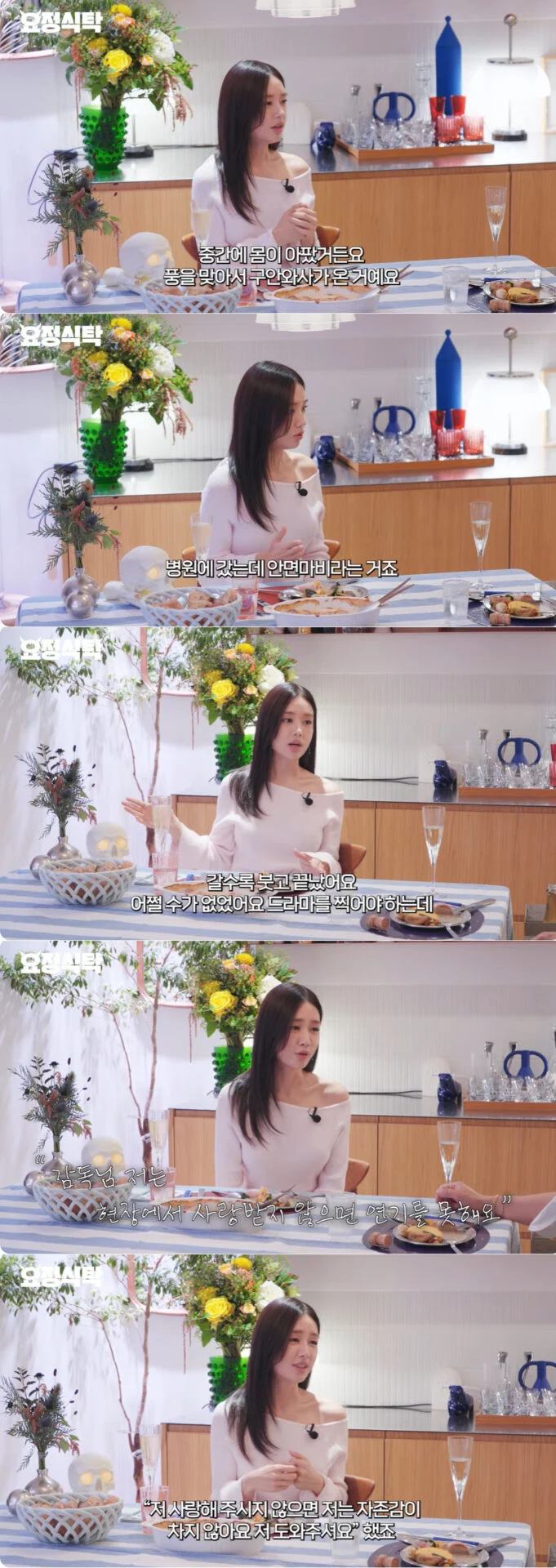
The entertainment industry is frequently perceived through a lens of glamour and effortless success, yet the reality behind high-profile K-drama productions often involves significant physical and psychological toll. On September 13, 2026, acclaimed South Korean actress Ahn Eun Jin provided a rare and candid glimpse into the grueling nature of her profession during an appearance on the popular YouTube channel Fairy Jae Hyung. Her testimony highlighted a series of professional and personal crises, ranging from intense public scrutiny regarding casting choices to debilitating health battles that threatened to derail her career during the production of hit series.
The Weight of Public Scrutiny: The My Dearest Controversy
Ahn Eun Jin’s rise to prominence has been marked by significant artistic achievements, most notably her lead performance in the MBC historical drama My Dearest. However, the journey to becoming a household name was fraught with early professional challenges. During the pre-production phase of the series, Ahn found herself at the center of a "miscasting" controversy.
In the highly competitive landscape of Korean television, lead casting decisions are often subject to intense speculation by netizens and critics. In this instance, segments of the viewing public questioned whether Ahn possessed the necessary profile or suitability for the specific requirements of the role. For an actress, such public discourse is not merely academic; it creates an environment of intense pressure that can stifle creativity and undermine self-confidence.
Reflecting on that period, Ahn admitted that while she attempted to maintain a facade of resilience, the psychological burden was immense. "Looking back, it’s clear that it was tough," she stated. "At the time, I tried to power through somehow, but now that I think about it, I realize how hard it really was." This reflection underscores the internal struggle actors face when they must perform under the scrutiny of an audience that has already rendered a skeptical verdict before a single scene has aired.
A Medical Crisis: Facing Facial Nerve Palsy During Production
The most harrowing revelation from Ahn’s interview concerned her health struggles while filming the JTBC series The Good Bad Mother. During the production cycle, Ahn developed facial nerve palsy, a condition that results in the sudden weakness or paralysis of the muscles on one side of the face.
The onset was sudden and alarming. Ahn recounted a routine morning where she realized something was physically wrong: "On the day of shooting, while washing my face and brushing my teeth, water leaked from one side of my mouth. I didn’t know what was happening." Initially dismissing the symptoms as fatigue or the result of a chill, she soon realized the severity of the situation as her condition deteriorated throughout the day.
Medical consultation confirmed the diagnosis of facial nerve palsy. Despite the medical recommendation for immediate and prolonged rest, the demands of a tight production schedule—where hundreds of staff members and significant financial resources are tied to a daily filming quota—meant that taking a hiatus was not a simple option.
Treatment Protocols and the Side Effects of Steroids
The medical treatment for facial nerve palsy often involves a combination of Western and traditional medicine, including the administration of high-dose corticosteroids to reduce inflammation of the facial nerve. For an actor, whose primary tool is their expressive capability, the side effects of these medications presented a secondary crisis.
Ahn detailed a rigorous regimen: acupuncture treatments, traditional herbal medicine, and high-dose steroids. The latter caused severe physiological reactions, including significant fluid retention and swelling, which affected her mobility and physical appearance. "The steroid side effects caused swelling—my face would puff up even after a walk, and my knees swelled too," she explained.
The implications for the production were severe. To manage the physical changes, the camera crew had to adjust cinematography techniques, shifting to profile shots to hide the lack of movement on one side of her face. This necessitated a high degree of coordination between the actress, the director, and the technical crew to maintain continuity and the visual integrity of the show. The emotional weight of these adjustments, combined with the lack of immediate physical improvement, led the actress into a state of deep depression.
Professional Vulnerability and Director Collaboration
A pivotal aspect of Ahn’s recovery and eventual success was her decision to abandon a self-reliant approach in favor of radical transparency with her director. In a high-stakes industry where admitting weakness can sometimes be viewed as a professional liability, Ahn chose to vocalize her need for support.

She recounted her conversation with the director of The Good Bad Mother: "Director, I can’t act well unless I’m loved on set. If I’m not loved, my self-esteem won’t grow. Please help me." This request for emotional scaffolding turned the production environment into a collaborative support system. The director responded by increasing the frequency of script readings and providing additional guidance, which allowed Ahn to navigate her illness while maintaining the quality of her performance.
Industry Implications and the Culture of Resilience
The experiences shared by Ahn Eun Jin bring to light several critical issues within the South Korean entertainment industry, specifically regarding the welfare of talent during production.
- The Cost of Production Schedules: The "live-shoot" system or tight production schedules common in K-drama production often prioritize timely delivery over the physical health of the cast and crew. While industry standards have improved, incidents like Ahn’s highlight the fragility of these schedules when a lead performer faces a medical emergency.
- Mental Health in the Public Eye: The intersection of public miscasting controversies and personal health crises creates a "perfect storm" for burnout. The psychological resilience required to ignore negative social media discourse while managing a chronic physical condition is immense.
- The Necessity of Supportive Leadership: Ahn’s success in navigating her illness serves as a case study for the importance of communication between talent and directors. By fostering a supportive set environment, the production team was able to mitigate the impact of her condition, ensuring the project’s completion without sacrificing artistic integrity.
Chronology of Events
- Pre-Production of My Dearest: Ahn Eun Jin faces public scrutiny regarding her suitability for the lead role, leading to significant personal stress.
- Filming of The Good Bad Mother: During the project, Ahn experiences a sudden onset of facial nerve palsy after catching a cold.
- Diagnostic Period: Ahn seeks medical advice, discovering the condition is more severe than anticipated.
- Treatment Phase: The actress undergoes a month of intensive treatment, including acupuncture and high-dose steroids, while continuing to film through significant physical side effects.
- Professional Adaptation: Ahn communicates her struggles to the director, leading to a modified, more collaborative approach to filming that focuses on script analysis and emotional support.
- September 13, 2026: Ahn makes her experience public on the Fairy Jae Hyung YouTube channel, fostering a broader discussion about the hidden challenges of the acting profession.
Conclusion: A Shift Toward Empathy
Ahn Eun Jin’s candid disclosure serves as a poignant reminder that the individuals behind our favorite on-screen performances are subject to the same human vulnerabilities as anyone else. Her ability to survive both the public backlash regarding her casting and the severe physical toll of facial paralysis is a testament to her professional dedication.
As the K-drama industry continues to expand its global reach, the focus on the human element—ensuring that the creative process does not come at the expense of an artist’s well-being—is becoming an increasingly important topic. Ahn’s story does more than shed light on the difficulties of filming; it underscores the importance of empathy, collaboration, and the courage to ask for support when the spotlight becomes too heavy to bear alone.