Kholidah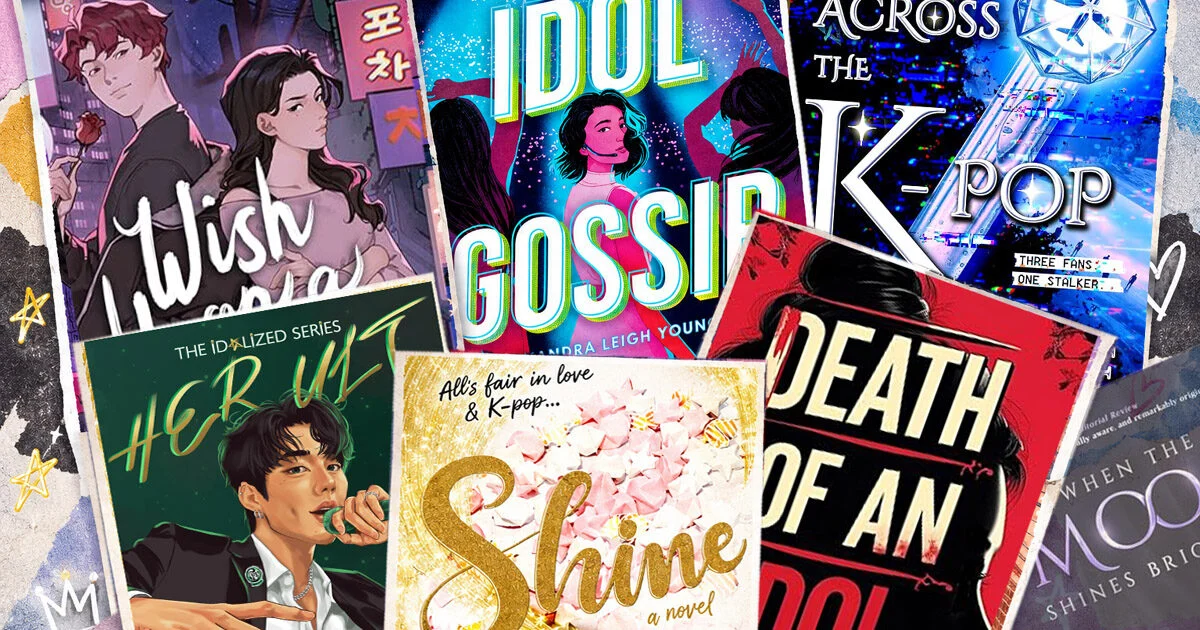
The global proliferation of South Korean popular music, commonly known as K-pop, has evolved from a regional entertainment phenomenon into a multi-billion-dollar cultural juggernaut. As the industry’s influence continues to expand across Western markets, a burgeoning literary sub-genre has emerged, aiming to demystify the high-pressure environment of Seoul’s entertainment agencies. These narratives provide a window into the intersection of extreme fame, rigorous training, and the human cost of perfection. The following ten novels offer a comprehensive look at the industry through various lenses, ranging from the glitz of idol life to the darker realities of surveillance and mental health.
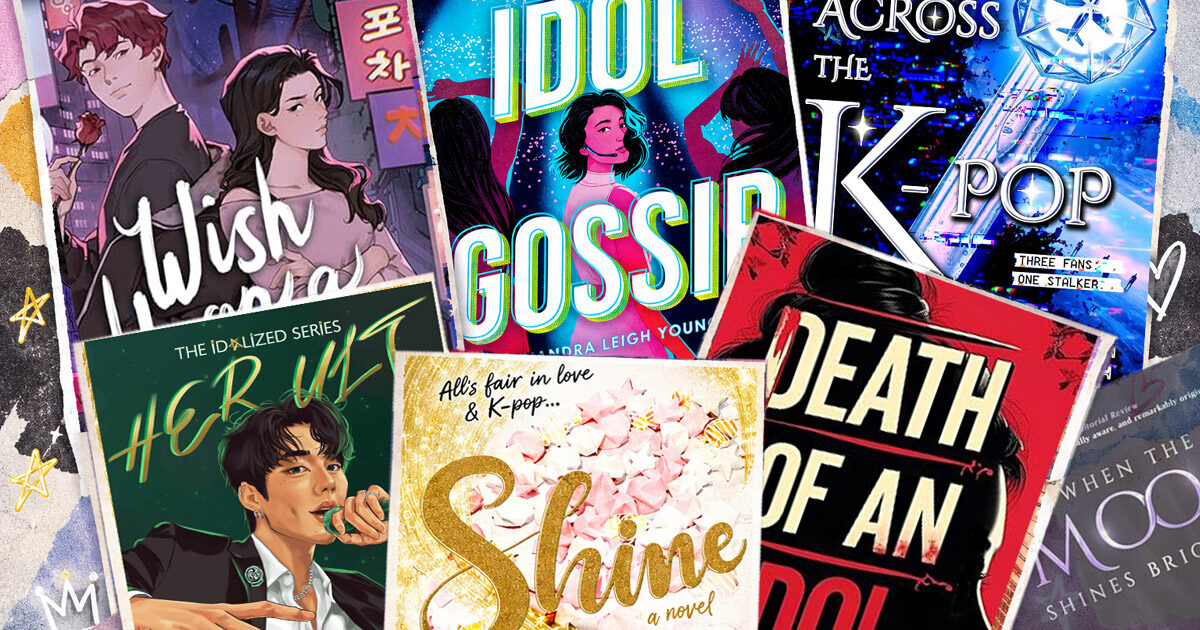
The Rise of K-Pop Literature as Cultural Commentary
For decades, the K-pop industry was viewed primarily through the lens of music videos and concert performances. However, in the last several years, there has been a notable shift toward long-form storytelling. Literature serves as a medium for fans and critics alike to examine the "trainee system"—a rigorous, years-long developmental process where aspiring performers are refined in vocal, dance, and language skills.
Industry analysts suggest that the rise of this literary niche corresponds with the maturation of the K-pop fan base. As original listeners grow into young adulthood, their appetite for content that explores complex social issues—such as the ethics of the "dating ban," the impact of parasocial relationships, and the isolation inherent in sudden fame—has increased. These novels are not merely fan fiction; they are industry-conscious explorations that reflect the actual structural challenges faced by modern entertainers.

Navigating the Trainee System: High-Stakes Realism
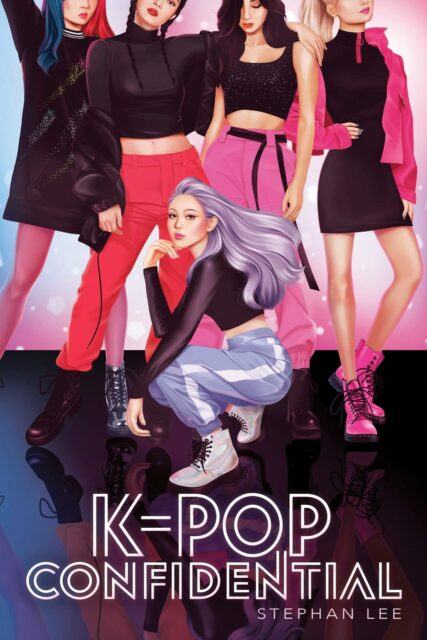
At the heart of many of these stories is the "trainee-to-debut" narrative arc. K-pop Confidential and Shine (the latter authored by former Girls’ Generation member Jessica Jung) are quintessential examples of this sub-genre. These works meticulously document the cutthroat environment of elite agencies where teenagers are judged on metrics that go far beyond musical ability.
The structural demands of these companies often include strict physical standards, public behavior contracts, and the aforementioned dating bans. In the real-world context, these regulations have been a subject of intense public debate in South Korea. Advocacy groups and legal experts have frequently questioned the legality of such restrictive contracts, which often govern an individual’s private life for years. By focusing on the emotional toll of these mandates, novels like K-pop Confidential provide a narrative framework for the real-world discourse surrounding labor rights in the entertainment sector.
Romance, Scandal, and the Idol Persona
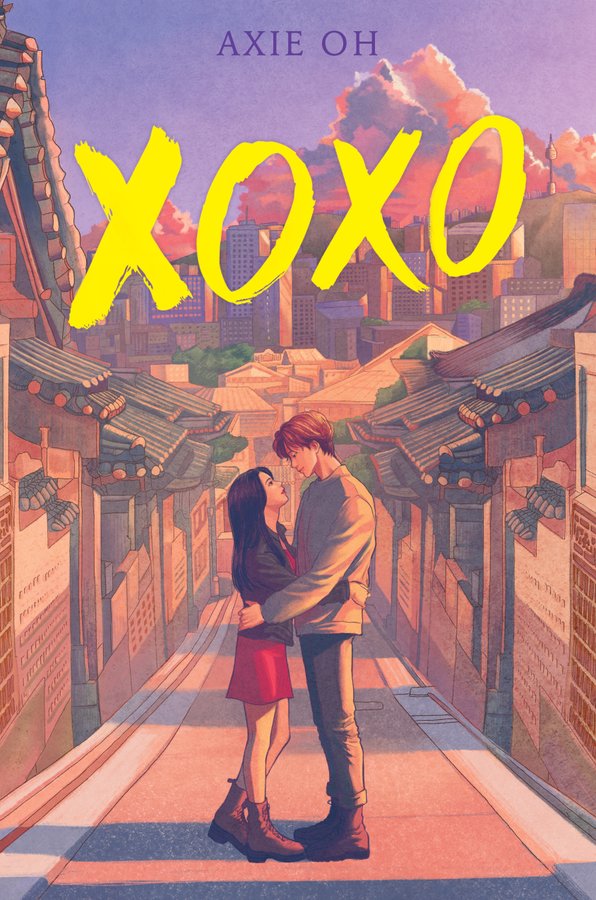
The concept of the "idol" is fundamentally built on the cultivation of a specific, often aspirational, persona. Novels such as XOXO, Idol Gossip, and Wish Upon a K-Star explore the friction between this manufactured image and the reality of human relationships.
XOXO examines the conflict between artistic integrity and the commercial demands of K-pop, while Wish Upon a K-Star tackles the phenomenon of the "variety show romance"—a common marketing tactic used by agencies to boost public interest in talent. In the industry, variety shows are essential tools for humanizing stars and mitigating potential reputational damage following scandals. These books illustrate how these media appearances often obscure the actual, lived experiences of the performers, highlighting the blur between performance and reality.
Thrillers and the Darker Side of Fame
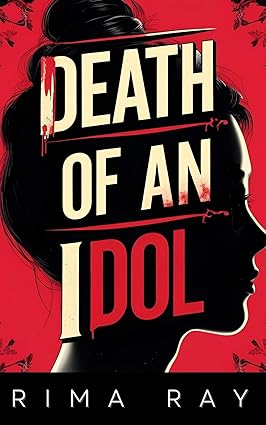
Not all literary depictions of the industry are focused on romance. The thriller genre, represented by titles like Death of an Idol, highlights the darker implications of the industry’s immense pressure. These stories tap into real-world anxieties regarding mental health and the tragic frequency of burnout within the sector.
The narrative in Death of an Idol—which touches upon the mysterious death of a band member—serves as a grim reflection of the actual, well-documented struggles with mental health that have plagued the K-pop community. Over the last decade, several high-profile incidents have forced South Korean agencies to implement more robust mental health support systems, though critics argue that these changes are often reactive rather than proactive. By framing these issues within a mystery, these novels force the reader to confront the systemic failures of an industry that prioritizes image over individual well-being.
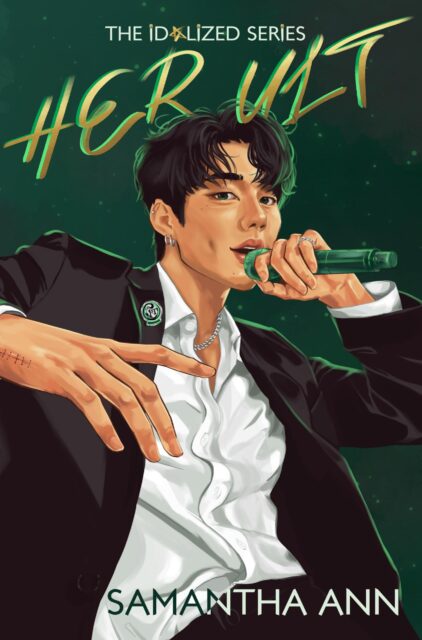
The Role of Fandom and Parasocial Dynamics
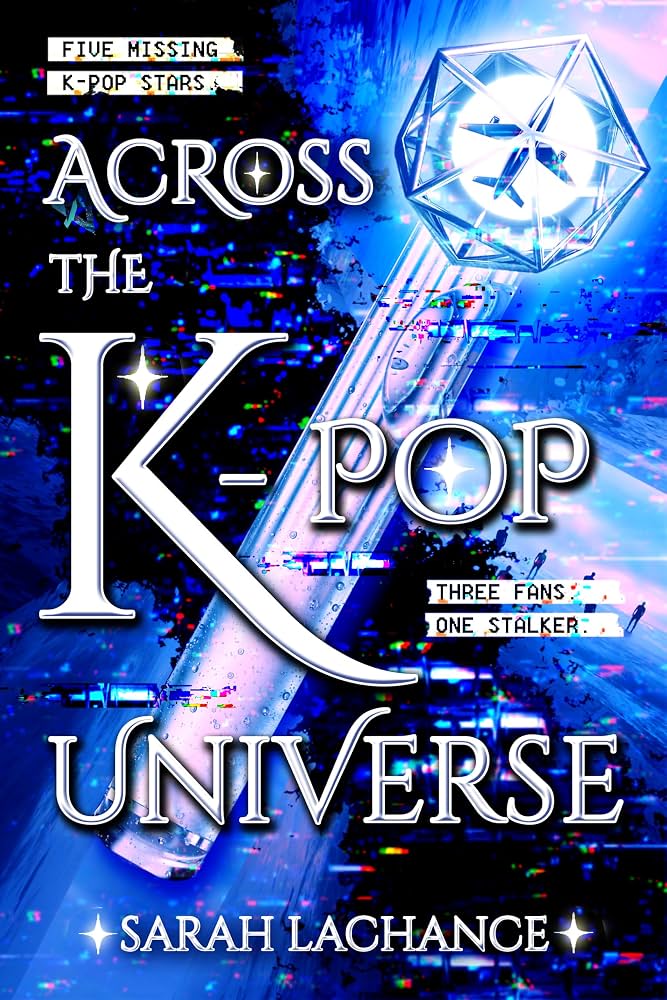
The relationship between the fan and the idol is a central theme in Her UIt and Across the K-pop Universe. These stories interrogate the nature of parasocial relationships—where fans develop intense, one-sided emotional bonds with celebrities.
Across the K-pop Universe takes a more surrealist approach, using the backdrop of fictional music videos to explore the influence of "sasaengs," or obsessive fans. This specific element of K-pop culture has long been a point of contention. Sasaeng activity, which can include stalking, unauthorized entry into private spaces, and digital harassment, represents one of the most volatile aspects of the industry. By incorporating these elements, the book highlights the constant threat of surveillance that performers face in both their professional and personal lives.
Examining the Mental Health Landscape
Mental health in K-pop is no longer a taboo subject. Novels such as When The Moon Shines Brightest provide a necessary, sobering look at the psychological toll of fame. The inclusion of a "mental health buddy" character in the story serves as a mirror to the growing, albeit slow, institutional recognition of the need for psychological counseling within agencies.
Data from the Korea Creative Content Agency (KOCCA) indicates that the demand for better working conditions and health support for K-pop trainees and idols has reached an all-time high. The industry is currently in a transitional phase where older, more exploitative management styles are being challenged by both legal bodies and the public. These novels act as cultural barometers, documenting this transition in real-time.
Comparative Analysis of Industry Representation
When analyzing these works, it becomes clear that there is a distinct divide in how the industry is portrayed. Some authors choose to highlight the communal, aspirational aspects of the K-pop training system—focusing on the "dream" of stardom. Others focus on the structural, systemic, and often predatory nature of the agencies.
| Book Title | Core Theme | Genre |
|---|---|---|
| K-pop Confidential | Trainee life & dating bans | YA / Contemporary |
| Shine | Industry competition | YA / Fiction |
| Death of an Idol | Mental health & mystery | Thriller |
| Across the K-pop Universe | Fandom & sasaeng culture | Speculative Fiction |
| When The Moon Shines Brightest | Psychological trauma | Drama |
This diversity in subject matter suggests that the "K-pop novel" is becoming a versatile vehicle for exploring broader themes of modern celebrity culture.

Broader Implications for the Future of K-Pop
The global footprint of K-pop is expected to continue growing through 2030, with increasing collaborations between Korean agencies and Western media production houses. As the industry integrates more deeply with international norms, the critique provided by these novels may influence public perception and, eventually, corporate policy.
While these books are works of fiction, they are grounded in a reality that is increasingly visible to the public. The industry’s ability to evolve will depend on how it addresses the very issues highlighted in these narratives: the ethics of surveillance, the protection of mental health, and the fair treatment of talent. For readers, these novels offer more than just entertainment; they offer a deeper understanding of the complex, often contradictory world of K-pop, encouraging a more nuanced perspective on the faces we see on our screens. As the genre continues to mature, it is likely that we will see even more sophisticated literary contributions that continue to bridge the gap between pop culture critique and compelling storytelling.