Indra Aziz
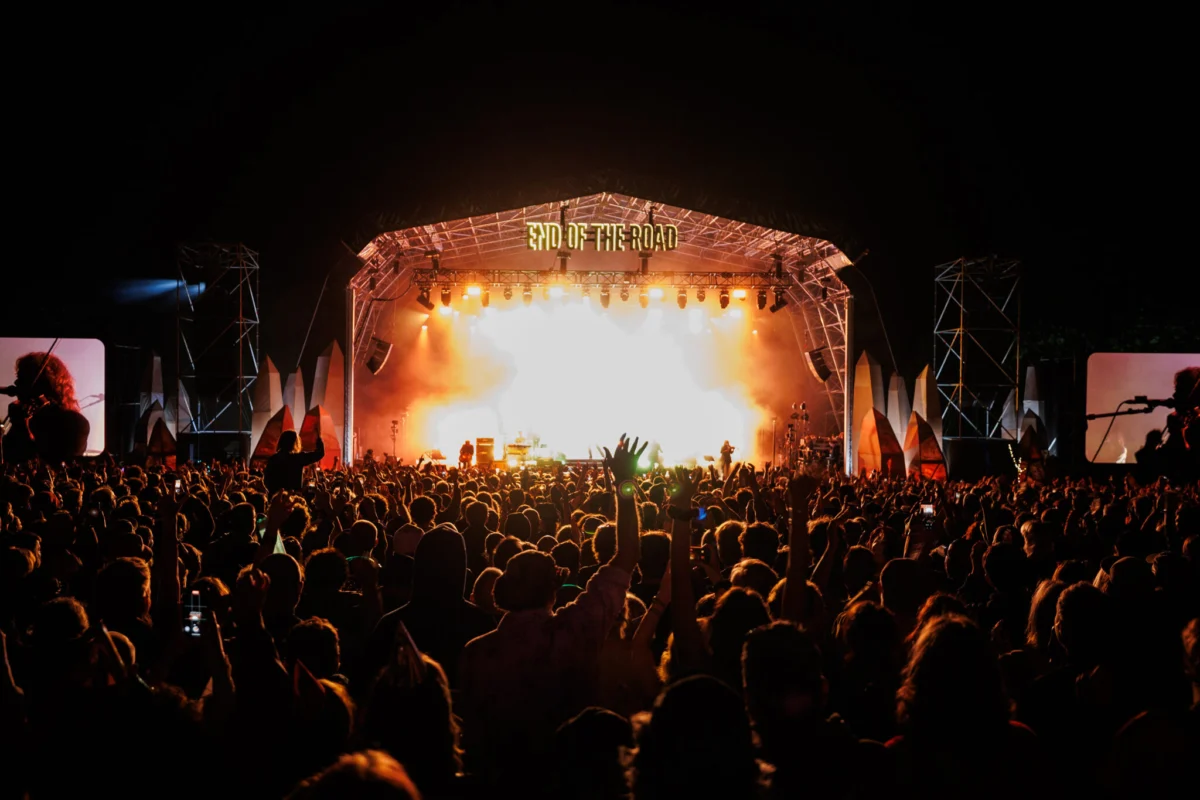
The annual BIGSOUND music conference and showcase festival has officially concluded its latest three-day run in Brisbane, reaffirming its status as the Southern Hemisphere’s premier destination for music industry discovery. Bringing together thousands of international delegates, artists, buyers, and media representatives, the 2026 edition of the event once again transformed the Fortitude Valley entertainment precinct into a sprawling ecosystem of live music venues, pop-up stages, and networking hubs. Over the course of the intensive three-day gathering, attendees navigated tight schedules to catch hundreds of showcase performances, cementing the event’s reputation as a critical launchpad for emerging domestic and regional talent.
Event Background and Industry Significance
Established in 2002 by QMusic, BIGSOUND has grown from a regional industry conference into a globally recognized institution. It serves as a vital bridge between isolated local music scenes and international markets, particularly for artists originating from remote and regional parts of Australia. Historically, the tyranny of distance has presented significant logistical and financial hurdles for domestic musicians attempting to break into global territories such as the United Kingdom, Europe, and North America. BIGSOUND mitigates these challenges by flying in international booking agents, festival programmers, label executives, and music supervisors to scout talent in a concentrated environment.
The 2026 iteration maintained this high-stakes atmosphere, drawing industry professionals who logged tens of thousands of steps navigating the densely packed venue circuit. The festival’s unique format pairs nighttime public showcases—ranging from traditional bandrooms and sticky-floored pubs to unconventional outdoor spaces like parking lots and the trays of utility vehicles—with daytime conferences addressing pressing industry issues, including streaming economics, mental health in the arts, and sustainable touring models.
Chronology and Festival Dynamics
The three-day schedule followed a rigorous rhythm, beginning with daytime keynote panels and networking masterclasses before bleeding into dusk, when the precinct’s venues simultaneously unlocked their doors for rolling showcases.
Day one opened with keynote addresses analyzing the post-pandemic recovery of the live sector, followed by the first wave of evening performances. Venues across Fortitude Valley reached capacity early as delegates and local music fans scrambled to catch preview sets from export-ready acts. Day two focused heavily on technological integration in music production and publishing rights management, culminating in some of the festival’s most talked-about live crossovers and non-traditional venue activations. The final day synthesized the week’s networking efforts, with closing panels addressing cross-cultural collaboration before a final nocturnal blitz of performances that ran into the early hours of the morning.
Standout Breakout Acts of 2026
Amidst the hundreds of performances that populated the official lineup, ten distinct acts emerged as critical talking points for international delegates and local observers alike, demonstrating the widening stylistic breadth of the contemporary Australasian music landscape.
Sycco
Operating at the intersection of electronic production, indie instrumentation, and psych-pop sensibilities, Sycco delivered one of the festival’s most memorable site-specific performances. Staged on the back of a utility vehicle—colloquially known in Australia as a "ute"—surrounded by an esky of beverages, residential apartment blocks, and outdoor beer gardens, the performance highlighted the artist’s knack for crafting colourful, idiosyncratic pop. The organic acoustics of the makeshift outdoor stage allowed her intricate arrangements to drift across the bustling Brisbane intersection, capturing the spontaneous energy that defines the festival’s best moments.
Tusekah
Representing the thriving creative exchange between Australia and Aotearoa (New Zealand), R&B and neo-soul artist Tusekah brought a distinct warmth to her showcase. Having previously shared stages with international acts such as Olivia Dean and PJ Morton, Tusekah utilized her intimate vocal delivery to strip away the cavernous feel of the showcase room, transforming a crowded venue into a conversational space. Her lyricism explores themes of romantic optimism, drawing favorable comparisons from contemporary soul purists.
Blue Diner.
Embracing the textural density of classic shoegaze, the Meanjin (Brisbane)-based four-piece Blue Diner. constructed an immersive wall of sound during their set. Characterized by airy vocal melodies floating atop heavily distorted guitar progressions, the band executed their foundational mission: to create expansive, hypnotic soundscapes that allow listeners to completely detach from their immediate surroundings.
Blush&ko and The Lazy Boys
Melburnian artist Blush&ko presented a masterclass in genre fluidity, seamlessly navigating R&B, soul, electronic textures, funk, and trance. Bolstered by the live instrumentation of backing ensemble The Lazy Boys, the performance was defined by continuous transitions, where individual tracks bled into one another without pause. The set underscored the technical proficiency and deep musical literacy underpinning his recorded catalog.
Ngaiire
A seasoned fixture of the Australian contemporary music landscape, Ngaiire delivered a performance that reminded industry veterans of her commanding stage presence. With a decorated history that includes four ARIA Award nominations, collaborations with the Sydney Symphony Orchestra at the Sydney Opera House, and touring slots alongside Alicia Keys and Sufjan Stevens, Ngaiire blended neo-soul, electronic composition, and pop structures into a polished, high-calibre showcase.
Akosia
Centering her musical identity around her Ghanaian heritage, Akosia delivered a dynamic performance that bridged R&B, pop, and electronic production. Her showcase mapped out a complex, globalized musical universe that translated seamlessly to the stage. Industry observers noted her distinct artistic ambition, marking her as a multidimensional performer capable of appealing to cross-cultural demographic markets.
Dugong Jr
Melbourne-based producer Dugong Jr challenged traditional genre boundaries by synthesizing elements of house music, hip-hop, and R&B. Drawing inspiration from his Chinese-Australian heritage and early exposure to Chinese cinema—alongside a diverse list of sonic influences ranging from Outkast and The Neptunes to Joy Division and Deftones—his electronic production balanced dancefloor momentum with intricate, atmospheric sound design.
Salty
Delivering high-octane, stadium-ready pop-rock, Salty brought choreographed movement and uninhibited stage presence to her BIGSOUND appearance. Her commercially viable sound and self-assured performance style caught the attention of international talent buyers, a trajectory immediately validated by the announcement of her upcoming support slot for international pop artist Tove Lo on her upcoming Australian tour.
The Browns
Representing the Indian diaspora in Australia, Sydney-based hip-hop collective The Browns injected a collaborative, high-energy dynamic into the festival’s rap programming. By sampling and recontextualizing traditional South Asian sonic elements within a modern hip-hop framework, the group showcased the evolving multicultural identity of contemporary Australian urban music.
Queenie
Rounding out the standout discoveries, Queenie utilized theatrical vocal delivery and a self-aware artistic persona to captivate audiences. Weaving through folk, soft rock, and pop frameworks, her performance alternated between explosive emotional outbursts and vulnerable, stripped-back intimacy, solidifying her status as a singular voice within the domestic singer-songwriter circuit.
Broader Economic and Cultural Implications
The success of BIGSOUND 2026 reinforces the economic and cultural gravity of Australia’s independent music sector. Despite ongoing financial pressures facing the live music industry globally—including rising touring costs, venue closures, and shifting consumer spending habits—events like BIGSOUND continue to function as vital economic engines. By facilitating face-to-face networking between local creators and international gatekeepers, the festival directly influences export pipelines, securing global distribution, booking agency representation, and overseas festival placements for Australian artists.
As the delegates disperse back to London, New York, Melbourne, and beyond, the barometer for the region’s upcoming musical output has been firmly set. The breakout acts of 2026 now face the transitional challenge of converting this concentrated industry exposure into sustainable, long-term international careers, supported by the foundational network that BIGSOUND continues to provide year after year.