Indra Aziz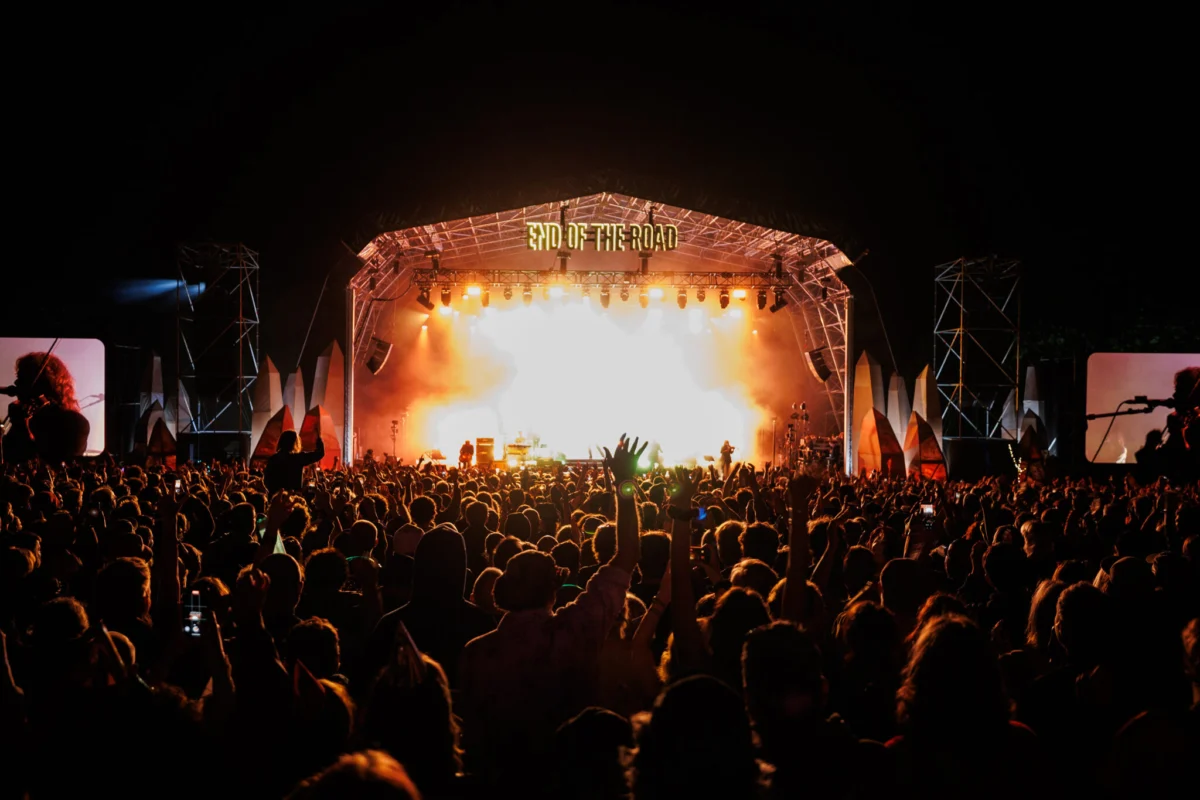
Celebrating its twentieth anniversary, the End of the Road Festival once again transformed the late-summer landscape, providing a definitive anchor for the conclusion of the European live music calendar. Established as an independent fixture known for its eclectic curation and immersive natural surroundings, the milestone event expanded its footprint while maintaining the intimate, idiosyncratic atmosphere that has defined its two-decade history. Enhanced infrastructure, upgraded main stage technology, and an adventurous cross-genre line-up underscored an event that continues to balance commercial growth with steadfast artistic integrity.
Main Facts and Festival Expansion
Held in the rolling Dorset countryside, the 20th-anniversary edition of End of the Road introduced several significant logistical improvements designed to elevate the attendee experience. Most notably, organizers integrated newly fitted LED screens onto the main Woods Stage, expanded tent capacities across secondary venues, and incorporated commemorative elements—including a bespoke birthday cake at the intimate Piano Stage—into the site’s traditional aesthetic of illuminated forests, roaming peacocks, and vintage fairground attractions.
Despite these upgrades, the festival’s core identity remained rooted in musical discovery. The event drew capacity crowds, resulting in notable traffic congestion on opening day as ticket-holders rushed to secure prime locations for rare and exclusive performances. Over four days, the festival hosted dozens of acts spanning contemporary post-punk, avant-garde folk, ambient electronica, and legendary indie rock, reinforcing its reputation as a cultural barometer for both emerging and established talent.
Chronology of the Weekend
Thursday: A High-Stakes Opening and Secret Headline Set
The festival commenced without traditional preamble, as early arrivals generated significant traffic bottlenecks driven by anticipation for Geese. Recognized broadly as one of the most compelling rock acts of their generation, the New York-based group utilized their unannounced, sell-out-dependent slot to deliver their first-ever European festival headline performance.
The set was bifurcated in style, opening with the abrasive, confrontational compositions characteristic of their heavier catalogue before transitioning into melodic anthems that prompted widespread audience euphoria. Organizers noted that the decision to keep the headline slot confidential until the final hours aligned with the festival’s tradition of presenting acts on the cusp of wider mainstream recognition.
Friday: Label Showcases and Relaxed Antics
Friday brought a shift in tone, spearheaded by Mac DeMarco. Performing a tight, relaxed set interspersed with characteristic stage antics—including an impromptu birthday tribute to his tour bus driver, a vocal contribution from his photographer Yuki, impromptu handstands, and partial nudity—DeMarco provided a buoyant counterpoint to the day’s more introspective performances.
Earlier in the day, the festival’s Folly stage hosted a dedicated showcase for artists signed to DeMarco’s independent record label. Among the highlights was Tex Crick, whose performance drew stylistic comparisons to sophisticated 1970s Japanese jazz and soft-rock arrangements. Concurrently, Tomo Katsurada, formerly of Kikagaku Moyo, delivered an ambient guitar and cello performance that transitioned the afternoon into evening. This was preceded by energetic sets from Prewn, deBasement, and the atmospheric, rhythmically intense ensemble caroline.
Saturday: Celtic Traditions and Pulp’s Definitive Retrospective
Saturday’s programming leaned heavily into Celtic and folk traditions. Brighde Chaimbeul captivated audiences with a mesmerizing performance on the Scottish smallpipes, complemented by robust contributions from the Irish contingent, including Rois and Madra Salach. In a quiet contrast, the Piano Stage hosted a secret, emotionally resonant set by Jasper Llewellyn, featuring a cover of Mazzy Star that emerged as a critical touchstone of the weekend.
The evening belonged to Pulp. In what organizers framed as a definitive and nostalgic journey, the band delivered a chronological retrospective of their catalogue, utilizing the newly installed Woods Stage screens to display historical PowerPoint presentations alongside the live debut of their track Deep Fried in Kelvin. Late-night programming in the Big Top maintained the momentum through a Talking Heads tribute by the Stop Making Sense… Live collective, concluding with a late-night DJ set by electronic producer Kelly Lee Owens.
Sunday: Ambient Awakening and Climax
Navigating fatigue from three days of performances, festival-goers were met on Sunday by End of the Road’s restorative morning programming. Bonnie Dobson opened the day with clear, traditional vocals, followed by Ezra Feinberg’s acoustic guitar and flute ensemble.

The tempo increased with garage-rock outfit The Cindys, whose anti-romance lyrical themes revitalized the afternoon crowds. Guitarist Marisa Anderson offered a masterclass in American primitive guitar, drawing material from her album The Anthology of UnAmerican Folk Music, which reinterprets Harry Smith’s historical folk collection through the lens of modern geopolitical conflicts.
As twilight approached, electronic-druid ritualists ÄXN delivered one of the weekend’s most visually striking sets. The festival concluded with a performance by pop artist CMAT, whose elaborate stage production and vocal performance cemented her status as an act prepared for larger arena-scale festival headlining slots.
Supporting Data and Production Metrics
Behind the festival’s relaxed exterior lies a complex operational framework. Celebrating its twentieth year, End of the Road has grown from a boutique gathering into a major fixture on the British cultural calendar, consistently selling out its ticket allocation months in advance. The integration of advanced visual technology—such as the Woods Stage screens—reflects a modest capital investment aimed at improving sightlines for larger audiences without compromising the site’s natural topography.
Economic and demographic data collected by independent festival analysts indicate that End of the Road retains one of the highest returning-audience rates in the United Kingdom, with a demographic base spanning multiple generations of indie music enthusiasts. The event’s commitment to independent staging, localized food and beverage vendors, and zero-single-use-plastic policies has further reinforced its standing among environmentally conscious festival operators.
Official Responses and Industry Context
While direct corporate statements from festival directors were limited during the fast-paced weekend, industry observers and participating artists frequently highlighted the unique positioning of End of the Road within the broader live music economy.
Music industry analysts noted that in an era characterized by the homogenization of festival line-ups and rising operational costs that have forced many independent events into insolvency, End of the Road’s survival and twentieth-anniversary expansion serve as a case study in sustainable event management. By prioritizing adventurous curation over risk-averse commercial booking, the festival maintains a distinct market share that appeals to both purist music consumers and major booking agencies seeking a prestige platform for emerging talent.
Furthermore, artists performing at the milestone event frequently remarked on its distinct ethos. Representatives for several touring acts cited the festival’s attentive audiences and supportive backstage environment as pivotal factors in allowing musicians to trial unreleased material, secret side-projects, and unconventional setlists—such as Pulp’s historical retrospective—that might not be suited for standard commercial tour stops.
Broader Impact and Implications
The successful execution of End of the Road’s twentieth-anniversary edition highlights several ongoing trends within the contemporary music festival landscape. First, it demonstrates sustained consumer demand for curated, genre-fluid experiences that resist algorithmic programming trends. By placing avant-garde folk, traditional Celtic instrumentation, electronic experimentation, and classic indie rock on equal footing, the festival challenges rigid genre categorization.
Second, the event’s longevity provides a model for independent festival survival amid post-pandemic economic pressures, rising supply chain expenses, and tightened corporate sponsorship budgets. By cultivating deep brand loyalty and maintaining a strict adherence to its foundational aesthetic, End of the Road has insulated itself against the volatility affecting larger, corporate-backed competitors.
As the festival concludes its twentieth year, its enduring appeal suggests that the appetite for immersive, discovery-driven live music events remains robust. The careful calibration of upgraded physical infrastructure with adventurous artistic programming ensures that End of the Road enters its third decade not as a nostalgic retrospective, but as an active laboratory for contemporary sound.