Nayara Elvina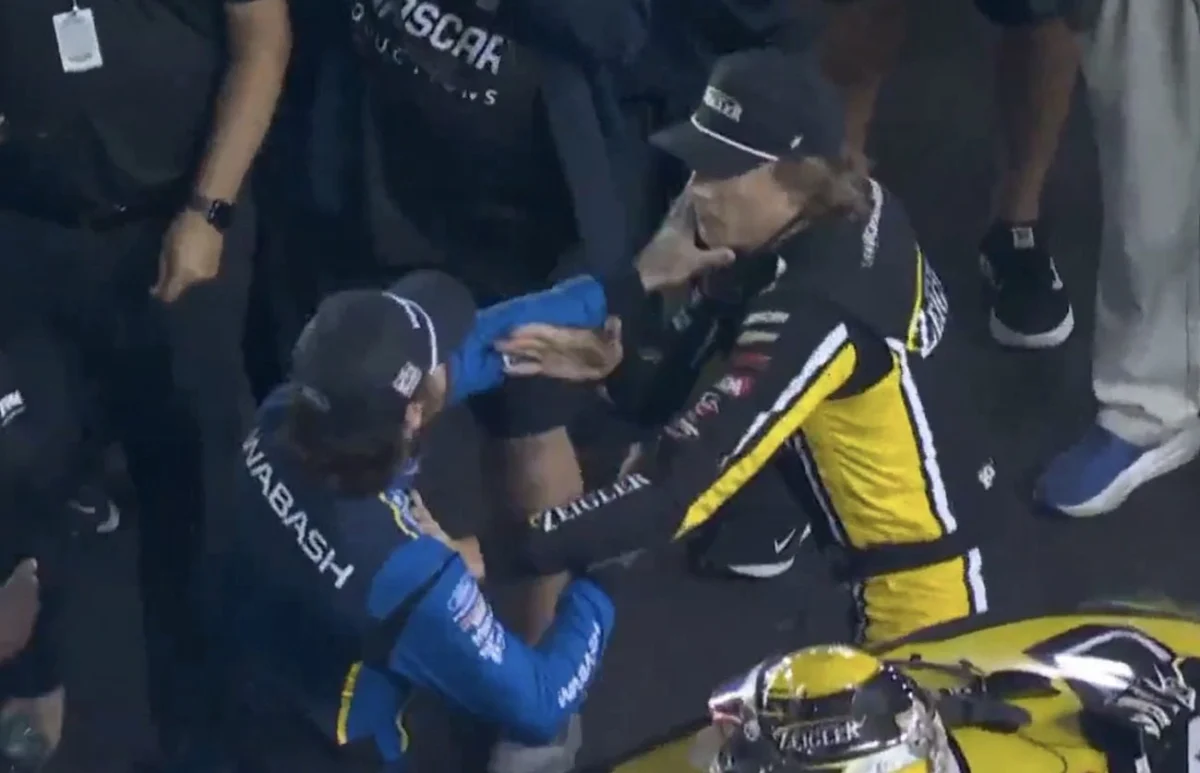
The historic half-mile concrete oval of Bristol Motor Speedway lived up to its legendary reputation for volatility during the third race of the NASCAR Cup Series Chase. Known colloquially as "The Last Great Colosseum," the track delivered a high-stakes evening of short-track racing that ultimately boiled over both on the asphalt and down on pit road. The friction between veteran consistency and youthful aggression culminated in a fiery altercation involving reigning championship contenders and one of the sport’s most debated rising stars.
The Incident on Lap 457
The defining moment of the night arrived in the waning laps of the race. Ryan Blaney, piloting the No. 12 Team Penske Ford, had established himself as a dominant force. Having been forced to start 29th on the grid after qualifying was canceled due to inclement weather, Blaney methodically carved through the field, leading an impressive 202 laps and running comfortably near the front of the pack.
However, Blaney’s pursuit of victory was abruptly halted on Lap 457. As he engaged in a hard-fought battle for the second position, Blaney successfully completed a pass on Spire Motorsports driver Carson Hocevar. Entering the corner immediately following the exchange, Hocevar attempted to dive underneath the No. 12 machine to reclaim the position. In an effort to break the challenger’s momentum, Blaney drifted down to block the inside lane.
True to his growing reputation, Hocevar refused to lift off the throttle. The resulting contact sent Blaney’s Ford spinning violently into the outside retaining wall, destroying the car and dashing any hopes of a race win. The caution flag waved, setting the stage for a volatile post-race confrontation that would dominate the evening’s headlines.
Pit Road Confrontation and Garage Reactions
The tension in the air was palpable before the checkered flag even waved, and Blaney wasted no time seeking answers. Immediately following the conclusion of the event, Blaney marched directly toward Hocevar’s pit stall.
As the No. 12 driver approached and initiated physical contact, Hocevar responded defensively, throwing the first punch to initiate a brief but intense scuffle between the two teams and drivers. Speaking to the Motor Racing Network (PRN) after the dust settled, Hocevar explained his perspective on the altercation: "They said he might want to talk and I saw he was moving pretty quick and he went to grab me. I didn’t know what else to do there and I had to get the first one in and defend myself."
The garage area, long accustomed to simmering tensions regarding Hocevar’s driving style, reacted with a mixture of fatigue and validation. Fellow competitor Christopher Bell offered a succinct assessment of the pit road fracas, telling reporters, "I don’t know what really happened, but about time."
A Polarizing Season of Aggression
The clash at Bristol is merely the latest chapter in a turbulent sophomore campaign for the 23-year-old Hocevar, whose aggressive driving style has earned him the moniker "The Hurricane." Through the first half of the Cup Series season alone, Hocevar was reportedly involved in roughly 30 separate on-track incidents spanning 21 different competitors, drawing the ire of several established veterans.
This pattern of contact was vividly illustrated just weeks prior during the Cook Out Southern 500 at Darlington Raceway. In that event, Hocevar made contact with Brad Keselowski late in Stage 1, sending the RFK Racing owner spinning into the wall and prematurely ending a competitive run. Keselowski did not mince words following the incident, warning the media that payback was inevitable: "There will be. His day’s coming, and it’s coming hard. Watch out, Carson."
When confronted with Keselowski’s threats, Hocevar maintained his signature composure, offering a deadpan response to reporters: "I’ll tighten my belts."
Similarly, when asked by media members whether his aggressive approach and growing list of rivals weighed on his conscience during races, Hocevar dismissed the concern as background noise. "You’re not really thinking about it out there or anything. It doesn’t really affect me, per se. If anything it’s just louder noise for everybody else to kind of enjoy it I guess… I just don’t know how much people are helping anyways. It’s so difficult, so competitive now. You can’t help anybody. Everybody’s out there for himself anyways."
Economic Impact and Fan Engagement
Despite the mounting friction among his peers, Hocevar remains an undeniable commercial powerhouse for NASCAR. While veteran drivers often voice frustration over his uncompromising racecraft, the fanbase has embraced the high-octane drama he brings to the circuit.
Data released by NASCAR earlier in the season highlighted Hocevar’s meteoric rise in popularity. Official metrics indicated that the young driver ranked number one in online retail sales through the official NASCAR Shop website and secured a position within the top five for trackside merchandise sales—a staggering leap from his 32nd-place ranking in the same categories during the previous year. This surge in consumer interest was further catalyzed by his dramatic maiden Cup Series victory earlier in the year at Talladega Superspeedway, an emotional win that captivated viewers nationwide.
Broader Implications for the Chase
As the NASCAR Cup Series Chase progresses, the friction between established championship contenders like Blaney and Keselowski and unyielding young talents like Hocevar introduces a volatile strategic element. Race officials and series executives closely monitor these escalating tempers to ensure on-track etiquette remains within competitive bounds, while teams must now account for potential retaliation on intermediate ovals and short tracks alike.
For the sport as a whole, the rivalry underscores a timeless dynamic: the delicate balance between generating compelling entertainment for a growing fan base and maintaining the unwritten code of professional respect among drivers competing at speeds exceeding 150 miles per hour. As the garage prepares for the next round of the schedule, all eyes will remain locked on the No. 77 machine to see how long "The Hurricane" can weather the impending storm from the rest of the field.