Mia Khoirunisa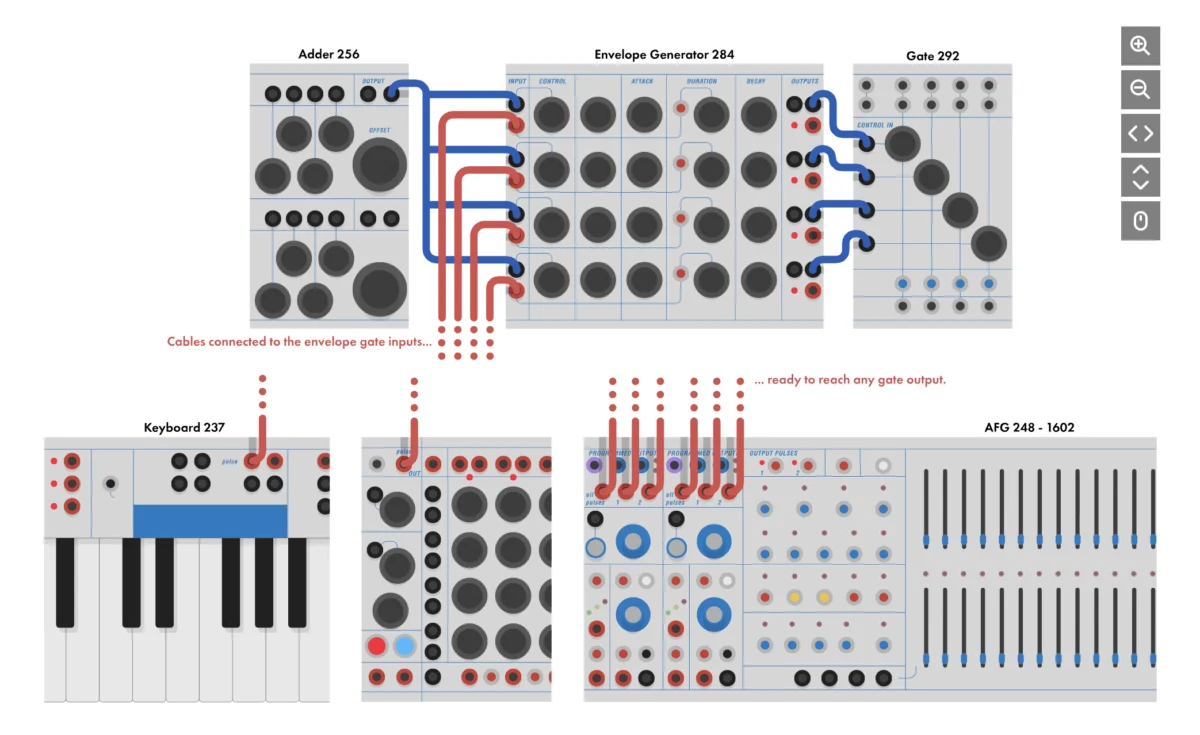
In 1976, pioneering electronic music composer Suzanne Ciani submitted a formal report to the United States National Endowment for the Arts (NEA) detailing her compositional methodologies, structured unconventionally as a modular synthesizer cookbook. Decades later, this historically significant document has been digitally preserved and published online by the Orpheus Institute’s Music, Thought and Technology research group in Belgium. Accessible entirely for free through the ECHO platform, the digital edition bridges the gap between mid-century analog experimentation and contemporary digital workflows, allowing modern producers, educators, and enthusiasts to explore Ciani’s foundational techniques without requiring access to rare and expensive Buchla hardware.
The release of the digital archive not only revives an artifact of electronic music history but also provides practical educational tools. Curated with contributions from researchers Pierre Collard and Juan Parra Cancino, the online edition features interactive elements, sound examples, and translations of Ciani’s original patching concepts into VCV Rack, a popular open-source virtual modular software. Alongside the free digital resource, the original typewritten manuscript and its hand-drawn diagrams remain available for purchase via Ciani’s official distribution channels for a nominal fee, ensuring both digital accessibility and archival preservation.
Culinary Metaphors and the Philosophy of West Coast Synthesis
At the core of Ciani’s 1976 NEA report is a conceptual framework that equates electronic music composition to the daily practice of cooking. In the document, Ciani famously outlined her approach to sound design:
In cooking, we take many fundamental ingredients and combine them in different ways and amounts and produce endless creations. A little randomness here, a pinch of FM there, a mixing together of voltages and gestures. Voila! A musical souffle! In quadraphonic! Cooking needs to be done every day and it never turns out the same. That’s the fun.
This analogy has since become a staple of modular synthesizer workshops globally. Rather than treating synthesis as a rigid, mathematical science, Ciani framed it as an organic, improvisational craft driven by voltage manipulation, frequency modulation, and spatial audio design.
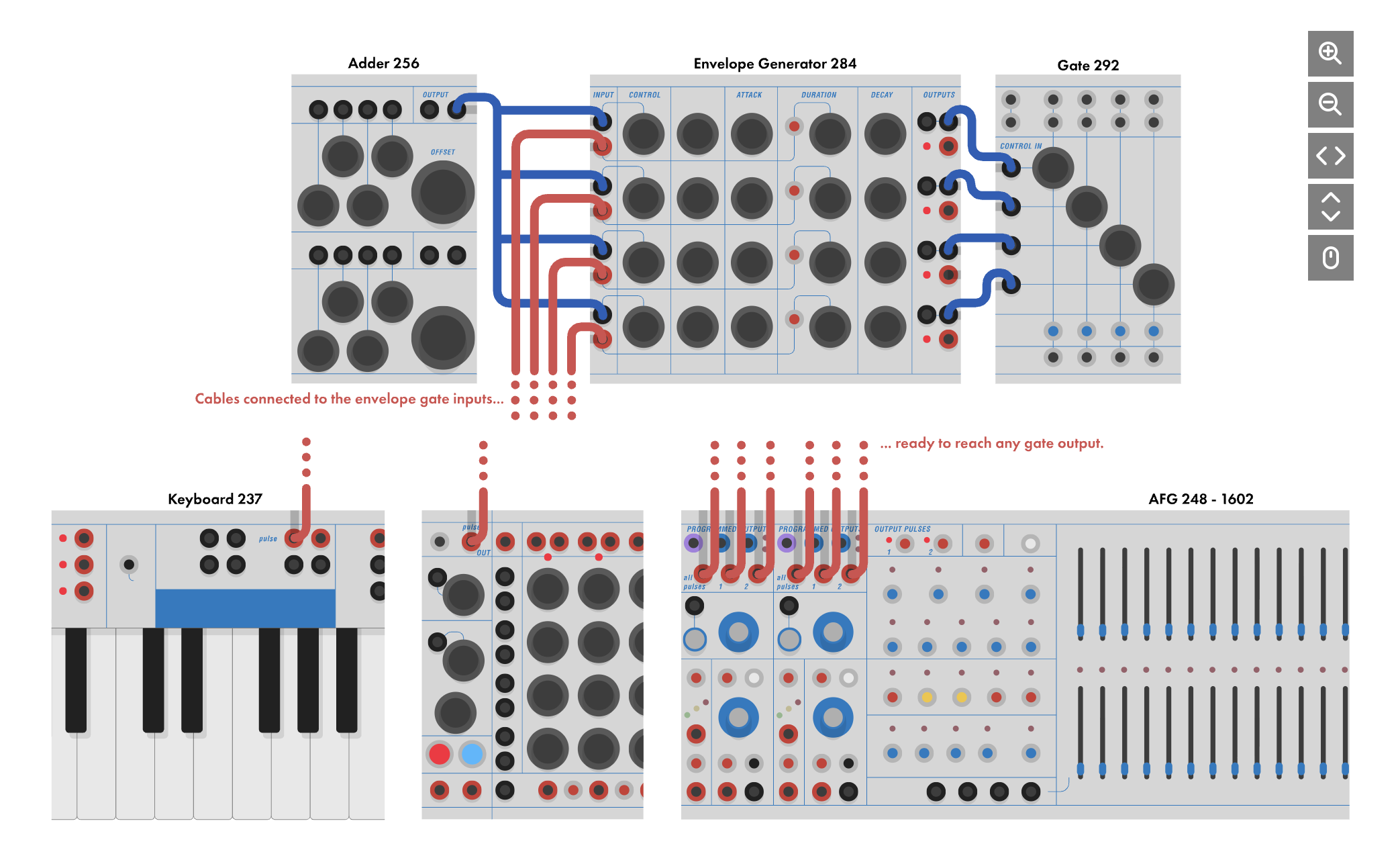
Historically, this philosophy positioned Ciani at the forefront of what is broadly categorized as West Coast synthesis—a tradition pioneered by Donald Buchla that favored complex wave shaping, random voltage generators, and touch-sensitive controllers over the traditional keyboard-and-oscillator architectures popularized by Robert Moog. Ciani’s NEA report documented how these distinctive instruments could be harnessed to generate intricate pitch rows, dynamic gates, bowed envelopes, and evolving spatial textures that defied the rigid academic standards of mid-20th-century composition.
Historical Context and the Academic Landscape of the 1970s
To fully appreciate the significance of Ciani’s 1976 report, one must examine the broader cultural and institutional landscape of electronic music during the 1970s. Academic institutions were heavily dominated by serialism and traditional orchestral composition, leaving little room for electronic innovators working outside institutional university studios.
Ciani, who graduated with a Master in Music composition from the University of California, Berkeley, frequently encountered skepticism regarding her choice of medium. In interviews accompanying the new digital publication, she reflected on the isolation of her early career, noting that it was deeply lonely to speak a musical language that no longer aligned with the traditional establishment. Funding from agencies like the NEA served as a vital lifeline for independent artists exploring nascent technologies, enabling Ciani to formalize and share methodologies that would eventually influence generations of electronic musicians.
During this era, Ciani’s work extended far beyond grant reports and experimental concerts. She established herself as a prolific commercial sound designer, creating iconic sonic branding for major corporations, scoring arcade pinball machines for Atari, and bringing electronic music to mainstream television audiences through educational appearances on programs like PBS’s 3-2-1 Contact in 1980. Her 1975 live performances, recorded and later archived, demonstrated that modular synthesizers could sustain compelling, long-form improvised concerts comparable to traditional acoustic recitals.
Bridging Analog Heritage and Modern Software Integration
The transition of Suzanne’s Buchla Cookbook into the digital sphere via the Orpheus Institute’s ECHO project represents a major step forward for musicology and pedagogy. By integrating VCV Rack patches and video demonstrations directly into the archival pages, the research team has transformed a static historical document into an active learning environment.
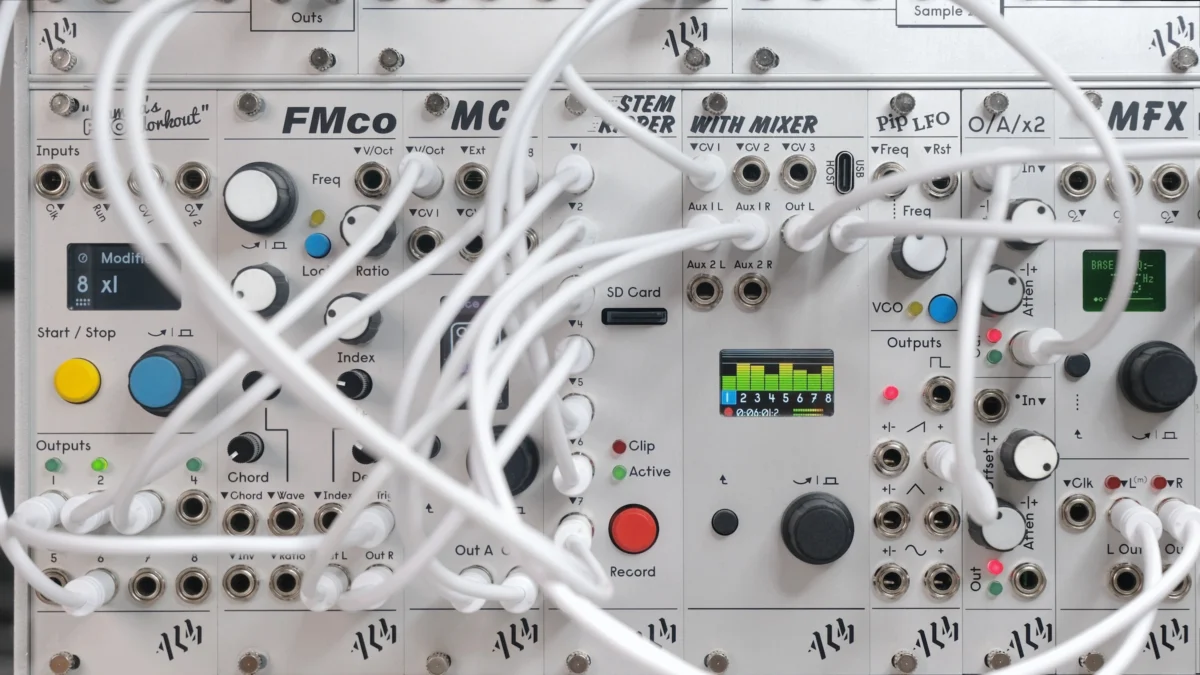
Users navigating the online edition can examine Ciani’s original signal flow diagrams and immediately test the concepts using software modular synthesizers. The curriculum covers a sophisticated array of techniques, including:
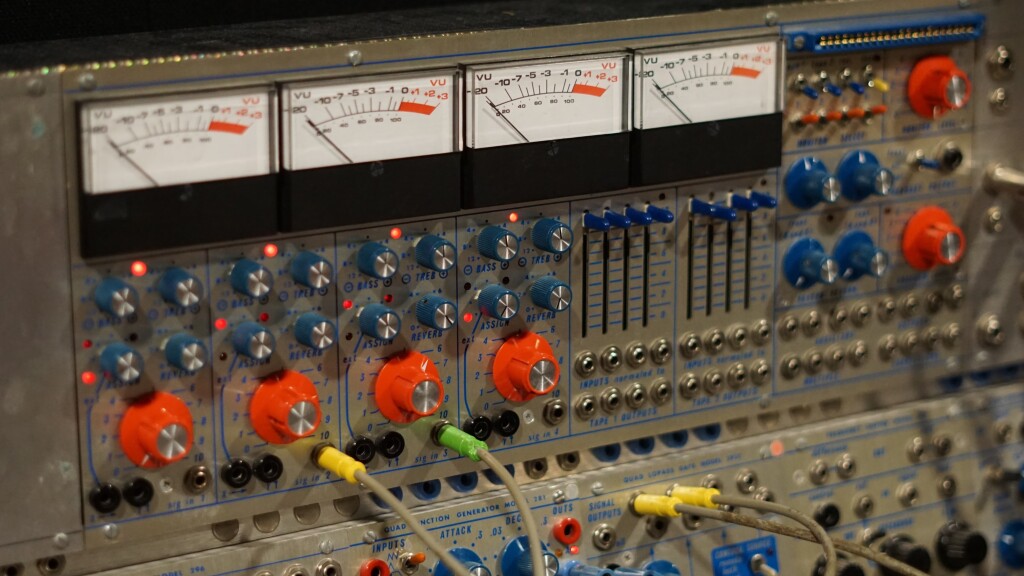
- Pitch Row Sequencing: Advanced methods for generating evolving melodic variations through hardware sequencers like the Buchla 248 Multiple Arbitrary Function Generator (MARF).
- Modulation and Gate Control: Shaping timbral movement through complex voltage interactions rather than standard envelope generators.
- Spatialization: Designing quadraphonic soundscapes that immerse the listener in a three-dimensional acoustic field.
This methodology departs from standard instructional manuals by prioritizing artistic perspective and workflow philosophy over rigid button-pushing tutorials. Consequently, students and modern producers are encouraged to use Ciani’s notes as a springboard for developing their own unique musical languages.
Broader Implications and Educational Impact
The publication of Suzanne Ciani’s Buchla Cookbook highlights a growing trend within academic and cultural institutions to preserve the ephemeral history of electronic music and make primary source materials freely accessible to the public. Historically, vintage synthesizer documentation, user manuals, and patch books were printed in limited quantities and circulated strictly among small communities of practitioners, eventually becoming rare collector items.
By digitizing these archives under open-access frameworks, institutions such as the Orpheus Institute ensure that the foundational knowledge of electronic music pioneers remains preserved for posterity. Furthermore, the translation of hardware-specific patches into accessible software formats democratizes electronic music education, allowing students in regions without access to vintage modular gear to study the exact signal paths utilized during the formative years of synthesis.
The enduring relevance of Ciani’s work demonstrates how artistic innovation born out of institutional marginalization can eventually reshape mainstream music production. As modern electronic musicians continue to embrace modular formats—both in hardware eurorack setups and software environments like VCV Rack—resources like the Buchla Cookbook serve as an essential reminder of the medium’s experimental roots. Through the collaborative efforts of international musicology researchers and the enduring generosity of artists like Ciani, the foundational recipes of West Coast synthesis remain open for interpretation, experimentation, and daily culinary musical creation.