Indra Aziz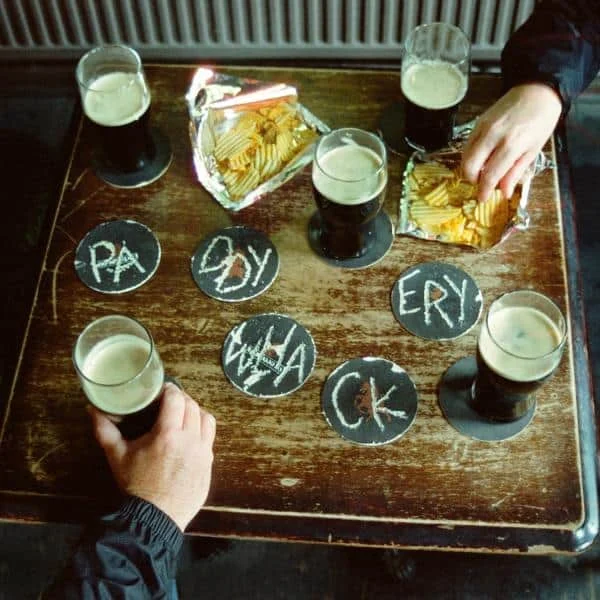
The contemporary landscape of Irish folk music has found its most unapologetic torchbearers in Dundalk seven-piece The Mary Wallopers, whose latest studio album, Paddywhackery, arrives as a brash, politically charged, and riotously entertaining statement of intent. Spanning eleven meticulously curated tracks that seamlessly blend original compositions, classic folk standards, and reimagined historical narratives, the record acts as a high-octane collision between traditional instrumentation and punk-rock ethos. Released to widespread critical anticipation, Paddywhackery packs an undeniable sonic punch while refusing to shy away from the darker, more contentious elements of Irish history, identity, and contemporary socio-economic struggle. True to the band’s reputation, the album uses the mirror of the past to reflect the modern realities of working-class disenfranchisement, urban displacement, and cultural perseverance, all delivered with an infectious, life-affirming energy.
The thematic core of Paddywhackery establishes itself immediately with the opening track, Crowns Of England. Driven by crisp, aggressive guitar riffs, a relentlessly high tempo, and the soaring, proud melodies of traditional uilleann pipes, the song sets a tone of defiant homecoming. Featuring the poignant lyric, “For all the Crowns in England, I couldn’t quench my thirst. I wandered back to Dundalk town, the place that quenched it first,” the track encapsulates the complicated relationship between migration, identity, and geographic roots. Vocals throughout are characterized by a potent mix of yearning and resilience, signaling to listeners that while the music is undeniably fun, it is anchored in genuine emotional and cultural weight.
Chronology and Historical Context: Bridging the Past and Present
The Mary Wallopers have consistently distinguished themselves through narrative-driven songwriting that holds historical wrongdoers—both ancient and modern—accountable. On Paddywhackery, this tradition continues with sharp lyrical precision, most notably on the track The Big Mixer. The song confronts the historically documented mistreatment and exploitation of Irish immigrant construction workers in England during the mid-20th century, specifically targeting the practices associated with Sir Robert McAlpine’s prominent construction firm.
The historical context of Irish labor migration to Great Britain is deeply rooted in the economic stagnation and high unemployment rates that plagued Ireland throughout the 1930s, 1940s, and post-war decades. Hundreds of thousands of Irish laborers—often referred to pejoratively at the time—traveled across the Irish Sea to build the infrastructure of modern Britain, frequently facing substandard living conditions, systemic discrimination, and perilous workplaces. The Big Mixer captures this grim reality through biting, sardonic lyricism: “Do what you’re told by the bosses / Try not to rattle the cage / Bless when you pass by the crosses / In Heaven you might break your chains.”
What elevates the track, and indeed the album as a whole, is the band’s uncanny ability to draw a straight line from historical exploitation to contemporary capitalism. In a stylistic choice that could easily derail a lesser band, The Mary Wallopers manage to reference the 1930s construction magnate Robert McAlpine alongside the indignities of modern automated self-checkout tills in Tesco within the same lyrical framework. This juxtaposition is underscored by a jaunty, catchy melody carried by a crisp tin whistle through the chorus, proving that political commentary does not require the sacrifice of musical accessibility.
Agrarian Grievances and the Spirit of Guerrilla Resistance
Moving beyond urban labor dynamics, the album takes direct aim at the property-owning class on the track Landlord’s Demise. Featuring simple yet highly effective instrumentals anchored by the driving, organic rhythm of a bodhrán and the sharp, piercing tone of a tin whistle, the song serves as a thematic nod to legendary Irish republican guerrilla leader Tom Barry. Barry, famed for his tactical command of the West Cork Flying Column during the Irish War of Independence, represents a historical archetype of localized resistance against entrenched power structures.
Landlord’s Demise provides a necessary dynamic breather amidst an otherwise relentlessly high-tempo record. With the lead vocals pushed forward into stark prominence, the track resonates as much as an authentic Irish punk call to arms as it does a traditional folk lament. It taps into contemporary anxieties surrounding housing crises, exorbitant rents, and real estate speculation, framing modern tenant struggles within a historical lineage of agrarian agitation and anti-landlord sentiment.
Reimagining Tradition: Heritage and High-Tempo Folklore
While original songwriting forms the backbone of the project, The Mary Wallopers remain deeply committed to honoring and revitalizing traditional material. This commitment is evident in their reimagining of the Worker’s Song and The Micky Dam. Both tracks allow the band to decelerate the pace, stripping back the layers of heavy instrumentation to let the narrative weight of the folk tradition shine through. These songs function as a cultural ledger, ensuring that the working-class heritage passed down through generations is preserved, recontextualized, and handed over to a new audience of listeners who might otherwise be detached from traditional folk music.
Conversely, the album features Sean na Sagart, an exhilaratingly high-tempo track that ranks among the most infectious compositions in the band’s catalog. Chronicling the dark history of 18th-century priest hunters—bounty hunters who turned in Catholic clergy under the penal laws—the song weaves a surprisingly dark historical reality into a deliriously catchy singalong. With the chorus famously declaring, “100 for a Bishop, 20 for a Priest,” the track achieves the remarkable feat of making state-sponsored religious persecution sound like an irresistible pub anthem. It highlights the band’s signature aesthetic: finding the inherent absurdity, black humor, and fierce drama buried within the annals of Irish history.
Implications, Live Performance, and Commercial Outlook
The release of Paddywhackery arrives at a critical juncture for The Mary Wallopers, coinciding closely with their upcoming extensive European tour. Known widely for their commanding, chaotic, and joyous live performances, the band has built its reputation on the physical, communal experience of music-making. Industry analysts and music critics note that the tracks on Paddywhackery are custom-built for live integration, designed to test the structural integrity of club venues and festival tents alike. The transition of these recorded songs into the live environment is expected to further solidify the band’s status as vital standard-bearers for modern Celtic punk.
From an analytical standpoint, the success of albums like Paddywhackery signals a broader cultural shift within modern folk and punk genres. Audiences are increasingly drawn to authentic, politically engaged artistry that refuses to sanitize historical grievances or contemporary economic anxieties. By weaponizing traditional Irish instrumentation—uilleann pipes, tin whistles, bodhráns—alongside the raw energy of punk rock, The Mary Wallopers have avoided the traps of nostalgic pastiche. Instead, they have forged a dynamic, forward-looking sound that addresses the systemic inequalities of the 21st century with the same vigor that their ancestors used to fight historical oppression.
Ultimately, Paddywhackery stands as Irish punk-folk at its absolute finest. By leveraging a diverse arsenal of modern and traditional sounds, The Mary Wallopers successfully hold a mirror up to the past to illuminate the struggles of the present. It is a rare record that manages to be fiercely political without ever losing its sense of community, irreverence, or sheer entertainment value. Finding the ideal intersection between absurdity, righteous anger, and collective joy, The Mary Wallopers have delivered a career-defining album that resonates long after the final note fades.