Reynand Wu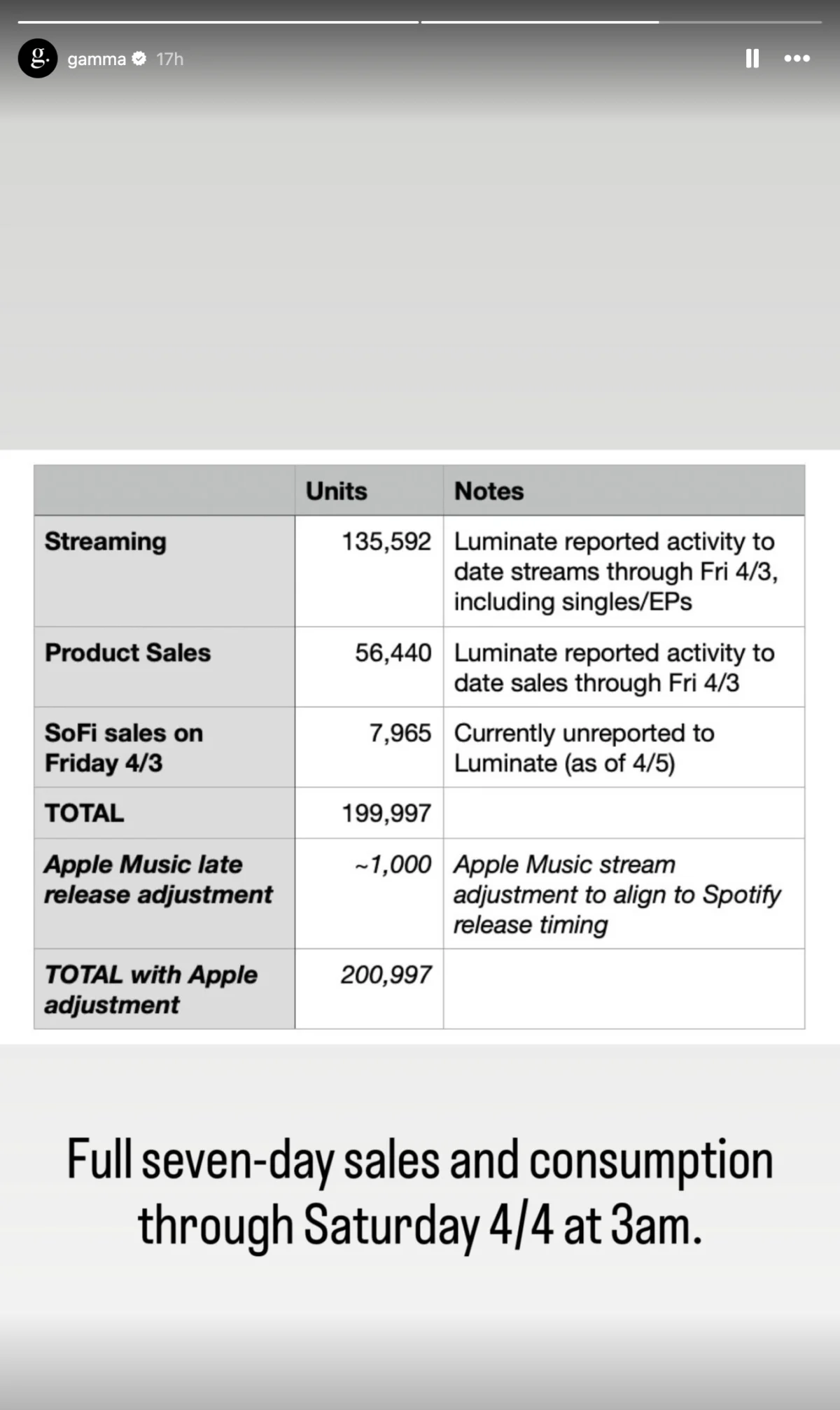
Kanye West’s latest studio album, Bully, has officially entered the public consciousness, securing a notable debut on the Billboard 200 chart. According to data provided by Billboard, the project earned 152,000 equivalent album units in its first week of release. This figure, while significant in the current streaming landscape, serves as the centerpiece of a burgeoning debate regarding data transparency and the evolving metrics of modern music consumption. The performance of the album, which arrived amidst a period of intense public scrutiny for the artist, highlights both the enduring commercial magnetism of West’s discography and the increasingly complex relationship between independent distribution entities and industry-standard charting bodies.
The Chart Performance and Historical Context
The 152,000 equivalent units accrued by Bully are comprised of two distinct streams: 96,000 units derived from 98.43 million on-demand official streams and 56,000 units from traditional album sales. This debut performance places the album at the number two position on the Billboard 200. The top spot is currently held by the K-Pop group BTS, whose tenth studio album, ARIRANG, secured 187,000 units in its second week of release, maintaining momentum after a massive 641,000-unit debut.
For West, the second-place finish is statistically significant. It marks the first time in 21 years that a solo studio album of his has failed to debut at number one. Since the release of his seminal 2004 debut, The College Dropout, West has maintained a historic streak of top-charting solo efforts. The College Dropout also peaked at number two, making Bully a bookend of sorts in a two-decade career defined by commercial dominance. This break in the streak has prompted questions regarding the changing nature of West’s audience engagement and the shifting demographics of global music consumption.
The Disputed Data: Gamma. vs. Luminate
The reported figures have been met with immediate friction from Gamma., the distribution company founded by former Apple Music executive Larry Jackson, which managed the release of Bully. In an unusual move for the industry, Gamma. publicly contested the official Billboard and Luminate data. Through a series of social media communications, the company asserted that the actual consumption figures for the album reached 200,997 units.
If verified, a figure exceeding 200,000 units would have mathematically surpassed the performance of ARIRANG for that tracking week, effectively granting Bully the number one position. The discrepancy appears to hinge on how specific types of consumption—potentially including international streams or direct-to-consumer sales—are reported to Luminate, the data company responsible for calculating the Billboard charts.
As of this writing, neither Billboard nor Luminate has issued a formal response to the claims made by Gamma. The situation underscores a broader trend in the music industry where independent distributors, operating outside the traditional major label ecosystem, are increasingly challenging the methodologies of established data aggregators. This friction suggests a future where artists and their distribution partners may prioritize internal data transparency over centralized industry benchmarks.
The Path to Release and Future Content
The arrival of Bully was preceded by a chaotic promotional cycle, characterized by shifting release dates and a public silence from the artist that stood in stark contrast to his typical media strategy. Despite the absence of a traditional press tour, the album’s arrival was bolstered by two high-profile, sold-out performances at the SoFi Stadium in Los Angeles. These events served as the primary nexus for fan engagement, signaling that West’s core audience remains highly responsive to live experiences even when standard promotional avenues are curtailed.

Looking ahead, the narrative surrounding the album is expected to expand. Gamma. has confirmed that a deluxe edition of Bully is currently in development. While specific details regarding the tracklist, the number of bonus songs, or a formal release date remain undisclosed, the move suggests a strategic effort to sustain the album’s chart life and potentially close the gap between the official figures and the consumption numbers claimed by the distributor.
Broader Societal and Industry Implications
The commercial rollout of Bully is occurring against a backdrop of severe professional and social isolation for West. His upcoming headlining slots at London’s Wireless Festival in July have become a lightning rod for criticism, specifically regarding his history of antisemitic rhetoric and public statements regarding Nazism. The fallout has been substantial, with major corporate partners, including Pepsi, PayPal, and the beverage giant Diageo, withdrawing their sponsorship from the festival as a direct response to his inclusion in the lineup.
The controversy has reached the highest levels of the British government. Prime Minister Sir Keir Starmer has publicly criticized the booking, labeling the decision to provide a platform for West as "deeply concerning." Similarly, the Mayor of London, Sadiq Khan, has faced pressure from community groups and public advocates to address the presence of an artist whose recent history has alienated a wide swath of the public.
These developments represent a unique challenge for concert promoters and music festivals. The tension lies in the balance between an artist’s historical contribution to music and the contemporary moral standard required to maintain corporate and municipal support. As organizers attempt to move forward with the tour, the situation serves as a case study in the modern "cancel culture" phenomenon, where an artist’s commercial output remains viable even as their public brand faces existential threats from institutional and governmental entities.
Analyzing the "Bully" Strategy
From an industry perspective, Bully functions as an experiment in post-major-label strategy. By utilizing Gamma. for distribution, West has effectively decentralized the release process, bypassing the typical gatekeepers of the music industry. The conflict over the chart numbers is not merely an administrative disagreement; it is a manifestation of a power struggle between the old guard of music data reporting and the new, agile entities that prioritize direct consumer metrics.
Furthermore, the decision to proceed with a deluxe edition indicates a reliance on the "streaming-era" playbook: front-loading an album with a significant number of tracks—Bully features 18—and then supplementing that with additional content to ensure longevity. Whether this strategy will be sufficient to overcome the negative public sentiment surrounding the artist’s personal brand remains to be seen.
The success of Bully as a commercial project suggests that for a significant portion of the fanbase, the artist’s music remains sequestered from his public persona. However, the withdrawal of corporate sponsors and the political backlash suggest that the ceiling for his career growth has been significantly lowered. The industry will be watching closely as the deluxe version of Bully is released, as it will provide a secondary data point to determine if the public’s interest in the music is a temporary surge or a sustained, long-term trend.
Conclusion
As the dust settles on the first week of Bully, the industry is left with more questions than answers. The dispute between Gamma. and Luminate highlights a lack of consensus on what constitutes a "chart-topping" release in an age of fragmented consumption. Meanwhile, the ongoing protests against the artist’s tour dates demonstrate that the music industry remains deeply divided on the issue of accountability. Whether Bully eventually earns the recognition of the top spot or remains a subject of administrative debate, the album will be remembered as a pivotal moment in the trajectory of one of modern music’s most successful, yet controversial, figures. The upcoming months, marked by the release of the deluxe edition and the pressure of the summer festival season, will likely determine the ultimate legacy of this chapter in West’s career.