Muhammad Ibadurrohman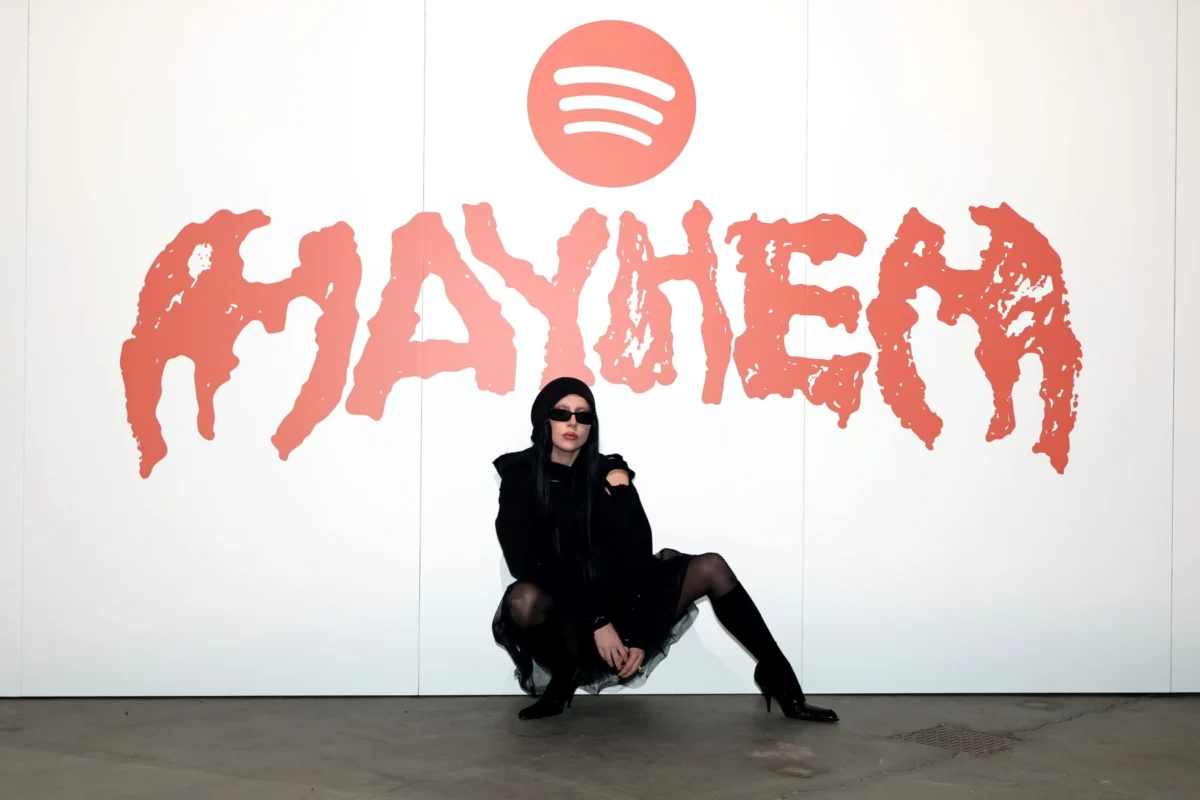
The legal skirmish between the iconic surfboard manufacturer Lost Surfboards and pop superstar Lady Gaga has entered a contentious new phase. Following a decisive court ruling last month that dismissed the surf brand’s trademark infringement lawsuit, the two parties are now locked in a dispute over the allocation of substantial legal fees. Lost Surfboards, which had sought to block the usage of the term "Mayhem" on Lady Gaga’s chart-topping 2025 album, is now formally challenging the singer’s request for the company to reimburse her $232,000 legal bill.
The conflict, which has drawn attention for its intersection of intellectual property law and artistic expression, reached a critical junction on Thursday, September 24, when attorneys for Lost Surfboards filed an opposition in court. This filing asserts that the dismissal of their case does not automatically entitle the defense to collect costs from the plaintiff. As both parties prepare for an October 15 hearing to determine the outcome of the fee petition, the case serves as a high-profile example of the complexities inherent in trademark litigation within the creative industries.
The Genesis of the Trademark Dispute
The controversy began in early 2025, shortly after the release of Lady Gaga’s album, titled Mayhem. The project, which quickly ascended to the No. 1 spot on the Billboard 200 and maintained a presence on the charts for 63 weeks, became a cultural touchstone. However, for Lost Surfboards, the branding choice was viewed as a direct violation of their intellectual property.
Lost Surfboards, a company that has cultivated a niche market for surf equipment since the 1980s, maintained that the album title—and the stylized logo associated with it—infringed upon their own "Mayhem" trademark. The company argued that the similarity in branding could lead to consumer confusion, particularly among the core demographic that overlaps between the surf industry and the pop music market.
In March 2025, Lost Surfboards initiated legal action, seeking an injunction that would have prohibited the sale of merchandise associated with the album, including items sold during Lady Gaga’s globally successful Mayhem tour. That tour, which spanned over a year, eventually grossed more than $400 million, making the stakes of the trademark dispute significantly higher for both the artist’s management team and the surf brand.

A Chronology of the Judicial Proceedings
The litigation followed a trajectory typical of high-stakes trademark cases, marked by motions for summary judgment and preliminary injunctions.
- March 2025: Lost Surfboards files a lawsuit against Stefani Germanotta (Lady Gaga) in federal court, alleging trademark infringement related to the album Mayhem.
- December 2025: U.S. District Judge Fernando M. Olguin denies the surf company’s request for a preliminary injunction, signaling an early hurdle for the plaintiff’s claims.
- August 2026: Judge Olguin formally dismisses the case, ruling that Lost Surfboards failed to provide sufficient evidence that the album title caused consumer confusion or misrepresented the source of the artistic work.
- September 2026: Lady Gaga’s legal counsel, representing the star through the firm Gibson Dunn, files a motion to recover $232,000 in legal fees, characterizing the original suit as an unreasonable "publicity stunt."
- September 24, 2026: Lost Surfboards files an opposition to the fee request, arguing that the lawsuit was a good-faith effort to protect their brand and that the fee demand is disproportionate.
- October 15, 2026: A court hearing is scheduled to adjudicate the request for legal fees.
Judicial Rationale and the First Amendment Hurdle
The dismissal of the case in August 2026 was rooted in the legal principle of artistic relevance. Judge Olguin’s opinion highlighted the high burden of proof required when trademarks are integrated into creative works, such as music, film, or literature. The judge noted that the First Amendment provides significant protection for artistic expression, and that trademark law cannot be used to stifle such expression unless there is clear evidence of an intent to deceive the public.
In his decision, Judge Olguin wrote, "These allegations are conclusory and insufficient to constitute an explicit indication, overt claim, or explicit misstatement identifying Lost as the source of Lady Gaga’s work." The court further clarified that the use of a mark, in isolation, is insufficient to sustain a trademark infringement claim in an artistic context. For a case of this nature to succeed, the plaintiff would have needed to prove that Lady Gaga had explicitly attempted to pass off her product as being associated with or endorsed by Lost Surfboards.
The Conflict Over Legal Fees
The current dispute centers on whether Lost Surfboards should be held financially liable for the defense costs incurred by Lady Gaga. The singer’s legal team argues that the lawsuit was an "extraordinary" case that warranted the recovery of fees, citing the significant resources required to defend against what they characterized as meritless litigation.
In their opposition filing, lawyers for Lost Surfboards pushed back against this narrative. "Attorneys’ fees are the exception, not a consolation prize for the prevailing party, and this case does not stand out," the document states. The company maintains that its motivation for the lawsuit was never to harass the artist but rather to safeguard a long-standing trademark against the use of identical terminology and similar stylization on apparel.
Furthermore, Lost Surfboards has challenged the specific amount requested by the defense. They argue that the $232,000 bill—covering approximately 150 hours of legal work—is "inflated." They contend that even if the court determines that some fees are appropriate, the total amount should be substantially reduced to reflect the actual necessity and nature of the legal labor provided by Gibson Dunn.

Broader Implications for Trademark Law
This case highlights a recurring tension in the modern retail and entertainment landscape: the struggle between established brand identities and the expansive freedom afforded to artists. As celebrities increasingly branch into fashion, merchandise, and lifestyle branding, the potential for overlap with existing trademark holders has grown.
Legal experts observing the case note that the "First Amendment defense" in trademark law is becoming a more frequently cited shield for artists. By ruling that the burden of proof rests heavily on the plaintiff to demonstrate "explicit misleadingness," the court has reinforced a precedent that favors artistic autonomy.
However, the ongoing appeal by Lost Surfboards indicates that the company remains committed to the principle that smaller, established brands have a legitimate interest in policing their trademarks, even against the world’s largest cultural icons. The outcome of the upcoming fee hearing may serve as a deterrent or a catalyst for future litigation. If the court grants the request for full fee reimbursement, it may signal to potential plaintiffs that unsuccessful trademark challenges against public figures come with high financial risks. Conversely, a rejection or reduction of those fees might keep the door open for other companies to pursue similar claims, regardless of the legal difficulty of overcoming First Amendment protections.
Moving Forward: The October Hearing
As the October 15 hearing approaches, the focus remains on the interpretation of "reasonableness" in legal disputes. Both the defense and the plaintiff are bracing for a ruling that will likely hinge on whether the court views the original lawsuit as a legitimate, albeit failed, business protection effort or as an unreasonable burden placed upon the defendant.
For Lady Gaga, the case represents the final hurdle in a high-grossing, yet legally turbulent, album cycle. For Lost Surfboards, the appeal and the fee hearing are essential steps in maintaining the integrity of their brand registration. With the legal landscape regarding trademarked terms in pop culture evolving, this case will likely be cited in future discussions regarding the boundaries of corporate intellectual property versus the creative output of artists.
Representatives for Lady Gaga have remained largely quiet on the details of the latest filing, waiting for the judicial process to conclude. The upcoming decision will provide clarity on the financial aftermath of the case, potentially closing the final chapter on one of the most high-profile trademark battles in the music industry of the past decade.