Aveline Kirana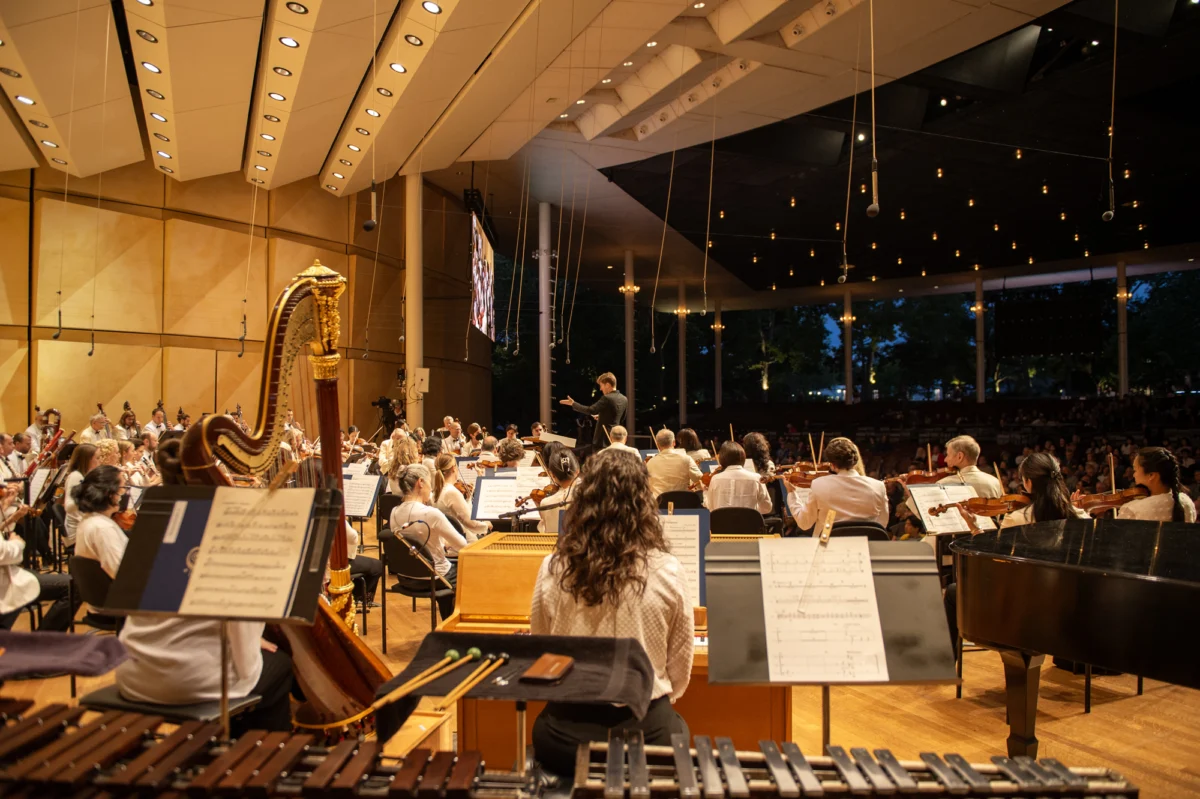
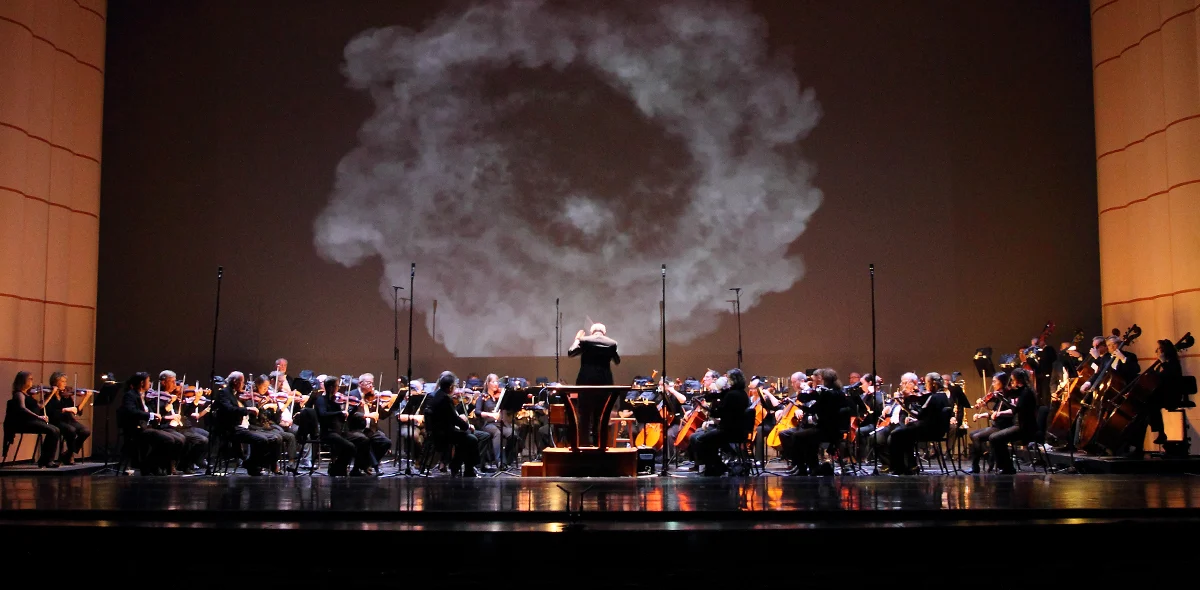
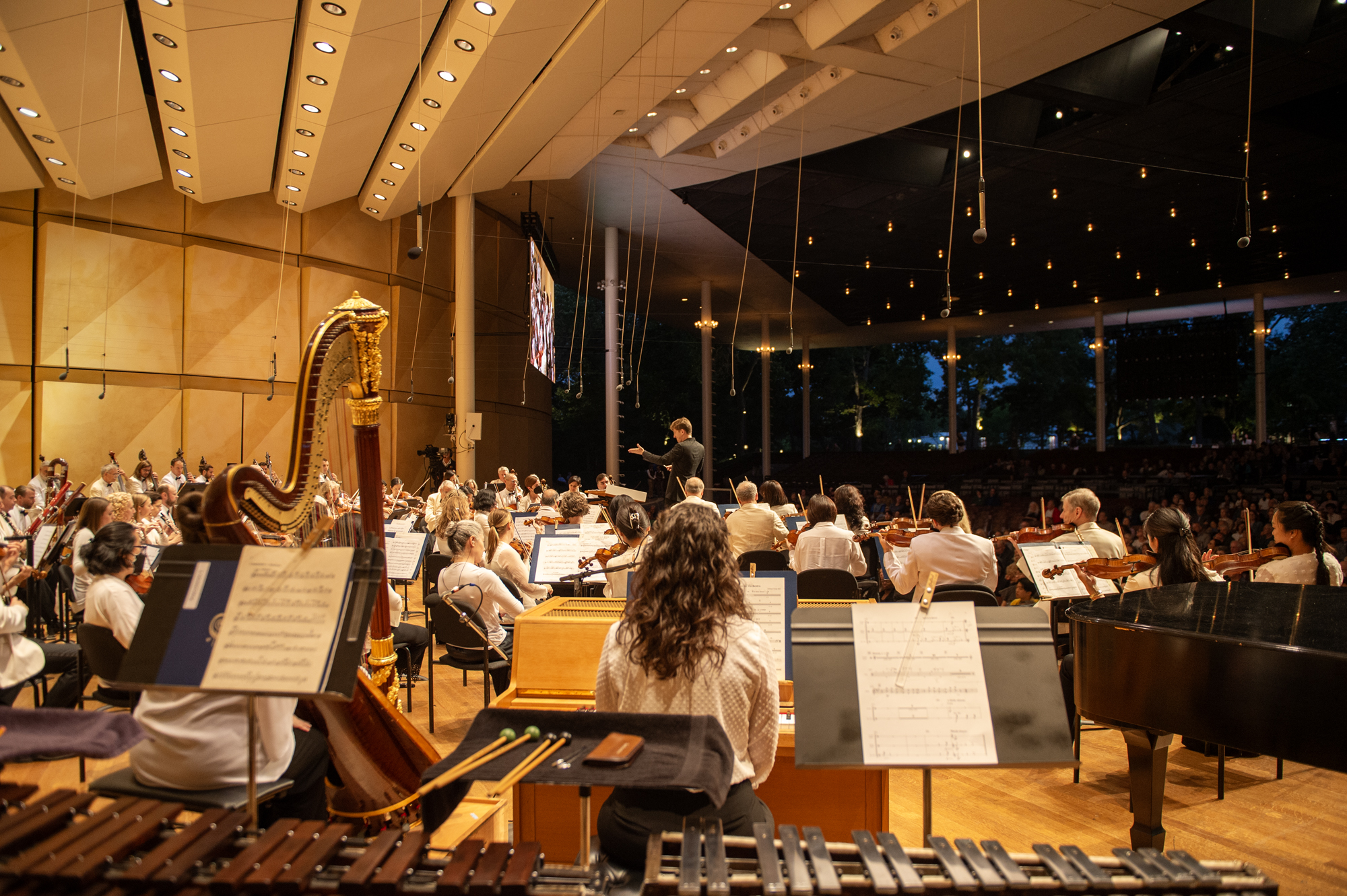
The musicians of the Chicago Symphony Orchestra (CSO), represented by the Chicago Federation of Musicians (CFM), Local 10-208 of the American Federation of Musicians, and the Chicago Symphony Orchestra Association (CSOA) have officially ratified a new three-year collective bargaining agreement. The deal, which secures labor peace and financial guidelines for the ensemble, is set to take effect in September 2026 and will remain in force through September 2029. This agreement marks a pivotal moment for one of the world’s most prestigious musical institutions, balancing the fiscal realities of the post-pandemic performing arts sector with the necessity of maintaining the elite artistic standards for which the Chicago Symphony is internationally renowned.
The Financial Terms of the Agreement
Under the provisions of the newly ratified contract, the base compensation for CSO musicians is slated for incremental growth. The agreement mandates a 4 percent salary increase in each of the first two years, followed by a 4.5 percent increase in the final year of the term. This structure reflects a strategic effort to address inflationary pressures while ensuring that the organization’s operating budget remains predictable and sustainable over the long term.
In addition to the salary adjustments, the contract maintains the existing comprehensive insurance and retirement benefit packages. A significant development in the negotiation is the adjustment to retirement contributions: the CSOA has committed to increasing its contribution to each musician’s defined contribution retirement account by 0.25 percent, beginning in the second year of the agreement. This enhancement is viewed as a vital retention tool, ensuring that the orchestra remains a competitive destination for the world’s top-tier orchestral talent.
Contextualizing the Negotiations
The labor negotiations for an orchestra of the Chicago Symphony’s caliber are rarely straightforward, often involving complex discussions regarding endowment health, ticket revenue projections, and the evolving landscape of arts funding. The CSO, which frequently ranks among the "Big Five" American orchestras, operates in an environment where artistic excellence is expensive to sustain.
Historically, the relationship between the CSOA and its musicians has been marked by periodic moments of intense negotiation, most notably during the 2019 strike, which lasted seven weeks. That event was characterized by significant disputes over pension funding and salary increases. In contrast, this latest agreement demonstrates a concerted effort by both the Board of Trustees and the musicians’ representatives to reach a consensus well in advance of the current contract’s expiration. By finalizing these terms in 2024 for a 2026 start date, the institution has signaled a desire to avoid the volatility of past contract cycles, providing donors, subscribers, and stakeholders with a sense of stability.
Institutional Perspectives and Official Statements
The ratification process involved extensive collaboration between the CSOA Board of Trustees and the Members’ Committee of the Chicago Symphony Orchestra. Mary Louise Gorno, Chair of the CSOA Board, emphasized the dual nature of the orchestra’s mission: maintaining global artistic relevance while ensuring fiscal stewardship.
“The Chicago Symphony Orchestra continues to stand as a global beacon for the arts, celebrated for its extraordinary artistry,” Gorno stated following the ratification. “The Trustees applaud the incredible talent our musicians share with audiences locally and worldwide. We are deeply grateful to the negotiation teams for collaborating to finalize this agreement—one that ensures financial sustainability while preserving our standard of artistic excellence.”
From the perspective of the musicians, the priority remained the long-term viability of the ensemble and the protection of their professional livelihood. William Buchman, Chair of the Chicago Symphony Orchestra’s Members’ Committee, acknowledged the inherent difficulties of the bargaining process while underscoring the positive outcome for the symphony’s future.
“While this settlement required difficult compromises on both sides, it establishes a stable foundation that protects our musicians’ financial security and keeps live symphonic music on the Symphony Center stage,” Buchman noted. “It ensures we can maintain our legacy of exceptional artistry in a time of uncertainty. Ultimately, this contract represents a shared investment in the long-term viability of our ensemble, keeping our musicians doing the work they love.”
The Economic Climate for Major American Orchestras
The agreement arrives at a time when major cultural institutions across the United States are grappling with the "new normal" of the performing arts industry. Following the global disruptions of the COVID-19 pandemic, orchestras have faced shifting audience demographics, rising production costs, and the need to diversify revenue streams.
Data from the League of American Orchestras suggests that while ticket sales have recovered in many urban centers, the competition for philanthropic support has intensified. For a Tier-1 organization like the CSO, the ability to retain principal players and section members is paramount. The 0.25 percent increase in retirement contributions, while appearing modest, represents a meaningful commitment to the long-term security of the musicians, many of whom dedicate their entire careers to the organization.
The CSO’s ability to secure this agreement early is a strategic victory. By finalizing labor terms before the expiration of the current contract, the association minimizes the risk of work stoppages that could otherwise alienate audiences and damage the organization’s reputation as a reliable cultural destination.
Chronology and Strategic Outlook
The timeline of the CSO’s labor relations has shifted toward proactive engagement. Whereas previous decades saw negotiations often extending to the final hours of an existing contract, the current environment has favored early-stage resolution. This trend is reflective of a broader industry shift toward "collaborative governance," where musicians are increasingly involved in discussions about the institutional health of their orchestras, rather than acting solely as labor counterparts in a traditional adversarial model.
Looking ahead to 2026, the implementation of this agreement will coincide with the arrival of the orchestra’s next phase of leadership. As the institution continues to navigate the transition in artistic direction and the ongoing evolution of its donor base, the stability provided by this contract allows the CSOA to focus on long-term initiatives, such as education, community outreach, and international touring.
Implications for the Future of Symphonic Music
The significance of the Chicago Symphony Orchestra cannot be overstated. With a history spanning over 130 years, the CSO is an institution that defines the cultural identity of the Midwest and serves as a major representative of American art abroad. The stability of its labor force is essential to its identity.
Industry analysts suggest that this agreement could serve as a template for other major orchestras. By balancing reasonable cost-of-living adjustments with moderate pension improvements, the CSO has effectively managed the tension between fiscal responsibility and the need to attract and keep elite talent. As orchestras continue to seek ways to balance their budgets without compromising on the quality of their performances, the CSO model—emphasizing early communication and shared institutional goals—may become a standard practice.
The agreement also acknowledges the "human element" of the orchestra. A symphony is not merely a collection of employees; it is a highly specialized group of artists who require a specific working environment to perform at their peak. By addressing the financial security of these musicians, the CSOA is indirectly investing in the quality of the sound and the depth of the artistic output that audiences experience in Symphony Center.
Conclusion
The ratification of the 2026–2029 collective bargaining agreement is a testament to the maturation of labor relations at the Chicago Symphony Orchestra. By moving away from the brinkmanship of the past and toward a model of early-term agreement, both the administration and the musicians have signaled their shared commitment to the future of the ensemble.
As the orchestra prepares for the coming years, it does so with a solidified foundation. This agreement provides the predictability needed to plan complex seasons, engage world-renowned guest conductors and soloists, and continue the rigorous recording and outreach programs that have historically defined the CSO. For the musicians, the contract provides the security necessary to focus on their craft, ensuring that the legacy of the Chicago Symphony Orchestra remains vibrant, relevant, and secure for years to come. In an era where many arts organizations face existential threats, the CSO’s ability to secure its labor future is a profound statement of confidence in the enduring value of symphonic music.