Aveline Kirana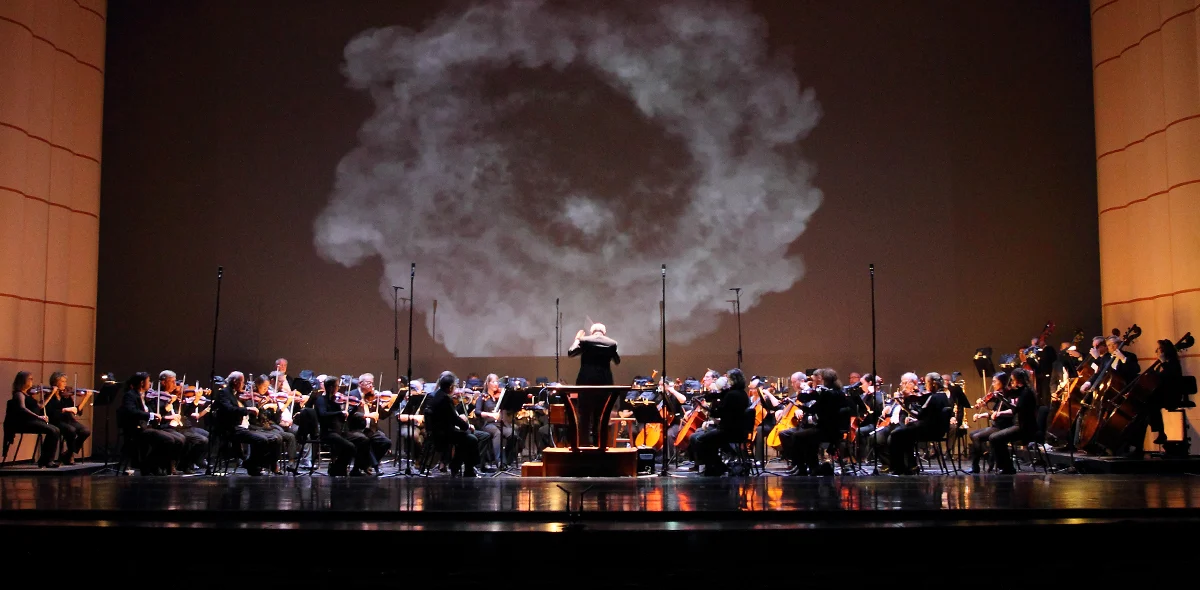
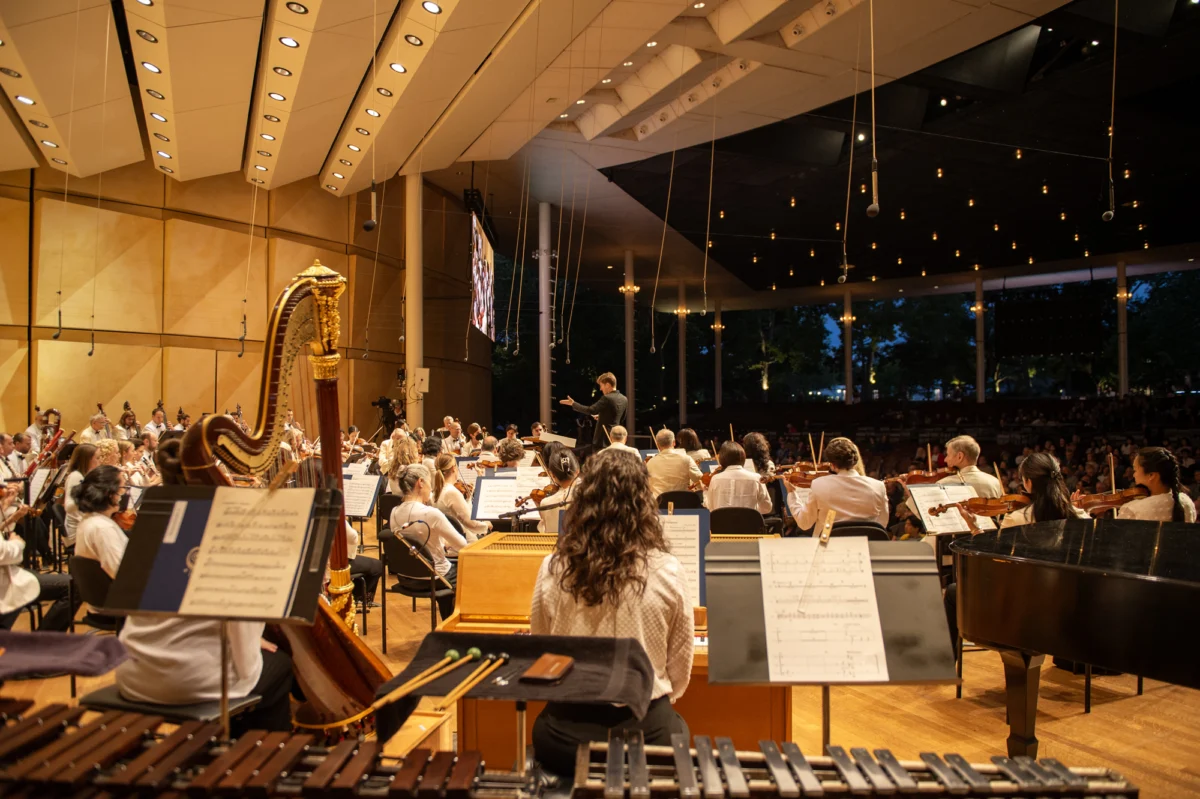
The Musicians of the Dayton Philharmonic Orchestra (DPO), represented by the American Federation of Musicians (AFM), are set to perform the Dayton Performing Arts Alliance’s (DPAA) season-opening production of West Side Story this weekend under a cloud of labor uncertainty. While the musicians have committed to fulfilling their performance obligations for the Leonard Bernstein classic on September 26 and 27, 2026, they will do so while working without a formal collective bargaining agreement. In a display of solidarity, community members, local union representatives, and orchestra patrons are planning to gather along Ludlow Street outside the Schuster Center stage door to support the performers as they arrive for each scheduled show.
The Path to Labor Unrest: A Chronology of Negotiations
The current tension follows a formal vote by the members of the Dayton Philharmonic Orchestra to authorize a strike. This decision reflects a breakdown in negotiations between the musicians and the DPAA management, which oversees the orchestra, opera, and ballet entities in Dayton.
The trajectory of this labor dispute began months ago as the previous collective bargaining agreement approached its expiration date. Unlike many industries where contracts are settled well in advance, the DPAA and its musicians have struggled to find common ground on several fiscal and administrative points. After weeks of unproductive bargaining sessions, the musicians sought the strike authorization as a strategic move to demonstrate their resolve.
Throughout the summer of 2026, the musicians continued their professional duties, performing under the terms of the expired contract. However, the lack of a new, ratified agreement has led to increased frustration regarding cost-of-living adjustments, healthcare benefits, and job security—standard pillars of orchestral labor negotiations in the modern American arts landscape. The decision to perform during the season-opening weekend is a calculated effort by the union to maintain public visibility while simultaneously signaling that their patience with the current management proposal is wearing thin.
Supporting Data and Industry Context
The struggle in Dayton is not an isolated event but rather a reflection of broader financial pressures facing mid-sized American orchestras. According to data from the League of American Orchestras, many institutions have faced a "post-pandemic correction" phase, where federal subsidies have vanished, donor bases have shifted, and ticket sales have struggled to return to 2019 levels.
For the DPO, the financial realities of sustaining a professional ensemble in a regional market are complex. The DPAA operates on a consolidated model, combining the Philharmonic, the Dayton Opera, and the Dayton Ballet. While this model is intended to create efficiencies in marketing and administration, it also creates competing priorities for resources. Musicians argue that their compensation has failed to keep pace with the inflationary pressures of the 2020s, which have significantly increased the cost of living for artists in Ohio.
Furthermore, labor disputes in the classical music sector have become increasingly common as ensembles across the United States—from the San Francisco Symphony to regional symphonies in smaller markets—grapple with the same fundamental problem: the widening gap between the rising costs of artistic production and the limitations of philanthropic and box-office revenue.
Perspectives from the Negotiating Table
While official public statements from the DPAA leadership have been measured, the silence from the boardroom has only fueled the resolve of the union members. Management representatives have historically emphasized the need for fiscal sustainability, citing the inherent volatility of the performing arts market and the necessity of maintaining a balanced budget to ensure the long-term viability of the organization.
Conversely, the musicians maintain that the orchestra’s quality is the primary product the DPAA sells. They argue that without competitive compensation, the organization risks losing top-tier talent to other markets, thereby diminishing the artistic standard that patrons have come to expect. The choice of West Side Story for the season opener is particularly ironic; the musical, which deals with social conflict and the struggle for dignity, provides a poignant backdrop for a labor dispute centered on the value of the artists’ labor.
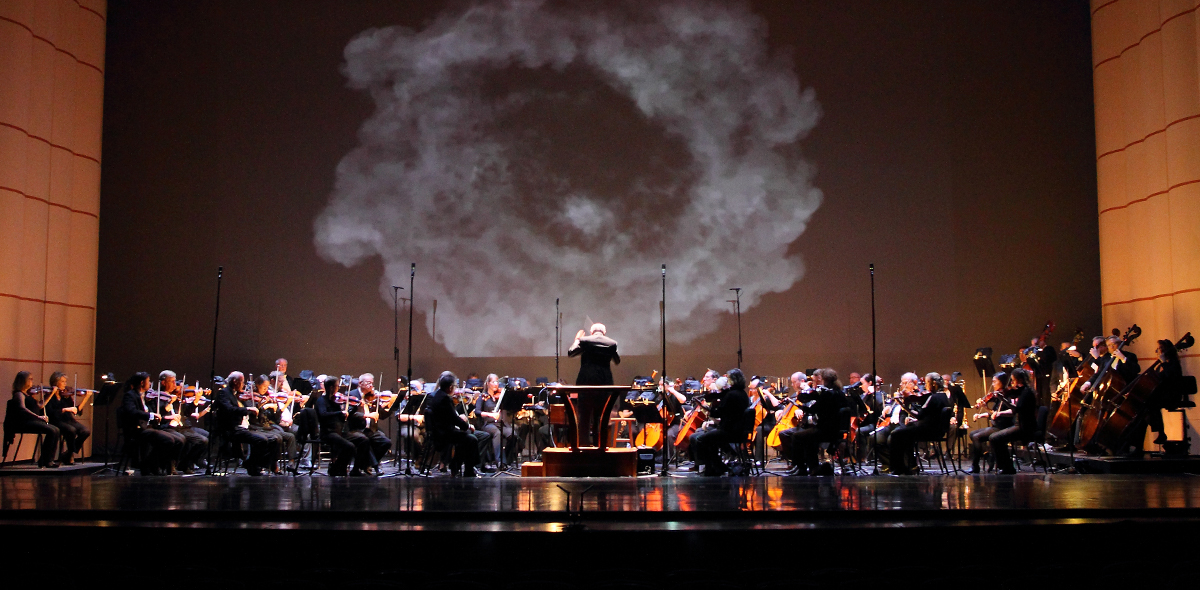
The union’s decision to organize a rally at the Schuster Center serves as a direct communication channel to the DPAA’s board of directors and the patrons who sustain the organization. By lining Ludlow Street, the supporters hope to make the labor dispute impossible to ignore for those attending the gala performances.
Implications for the Dayton Arts Community
The potential for a strike carries significant implications for the DPAA and the broader Dayton community. A work stoppage would effectively halt the season, forcing the cancellation of upcoming operas, symphonic concerts, and educational outreach programs that serve thousands of students in the Dayton region.
From an economic perspective, the DPAA is a major player in downtown Dayton. Its operations bring thousands of visitors to the city center, supporting local restaurants, parking facilities, and hotels. A prolonged labor dispute would inevitably have a ripple effect on the local economy, potentially damaging the brand reputation of the DPAA, which is vital for securing future philanthropic donations.
Moreover, the morale of the musicians is a critical factor. Sustaining a high-performance, professional-grade orchestra requires a culture of mutual respect between the administration and the musicians. If the current impasse persists, the resulting bitterness could take years to rectify, potentially leading to a "brain drain" where the orchestra’s principal players seek positions in more stable environments.
The Role of Public Support
The involvement of the broader union community in Dayton is a significant development. By aligning themselves with other local labor organizations, the musicians are framing their struggle as part of a larger movement for workers’ rights. This cross-sector support expands the pressure on the DPAA, as it moves the issue from a private negotiation between management and staff to a public matter of community standards and local labor values.
Orchestra patrons, who are often the primary donors to the institution, find themselves in a complex position. While many support the mission of the DPAA, there is a growing sentiment among the audience that the musicians are the "heart and soul" of the organization. If patrons begin to withhold donations or skip performances in solidarity with the musicians, the DPAA may find its financial leverage weakened, effectively forcing management back to the table with more favorable terms.
Future Outlook: What Happens Next?
As of late September 2026, there is no official word on a resumption of productive talks. The upcoming performances of West Side Story will serve as a litmus test for the organization. If the performances proceed without incident, it may provide a brief window for management and the union to return to the negotiating table without the immediate threat of a strike. However, if the atmosphere becomes too strained, or if the musicians feel their concerns are being dismissed, the strike authorization remains a live, ready-to-be-executed option.
The eyes of the classical music world will be on Dayton this weekend. The outcome of this dispute will likely influence how other regional orchestras approach their own upcoming contract negotiations. For the Dayton Philharmonic, the situation remains fluid, characterized by a precarious balance between the professional commitment to the music and the collective demand for a contract that reflects the true value of the musicians’ expertise and contributions to the city’s cultural landscape.
The upcoming rallies represent a critical juncture. Whether this leads to a breakthrough or further entrenchment remains to be seen, but one thing is certain: the musicians of the Dayton Philharmonic are not willing to let their professional future be decided behind closed doors without a significant and public stand. As they take the stage for Bernstein’s iconic score, the focus will be as much on the silence between the notes as it is on the music itself—a silence that speaks volumes about the current state of labor in the arts.