Muhammad Ibadurrohman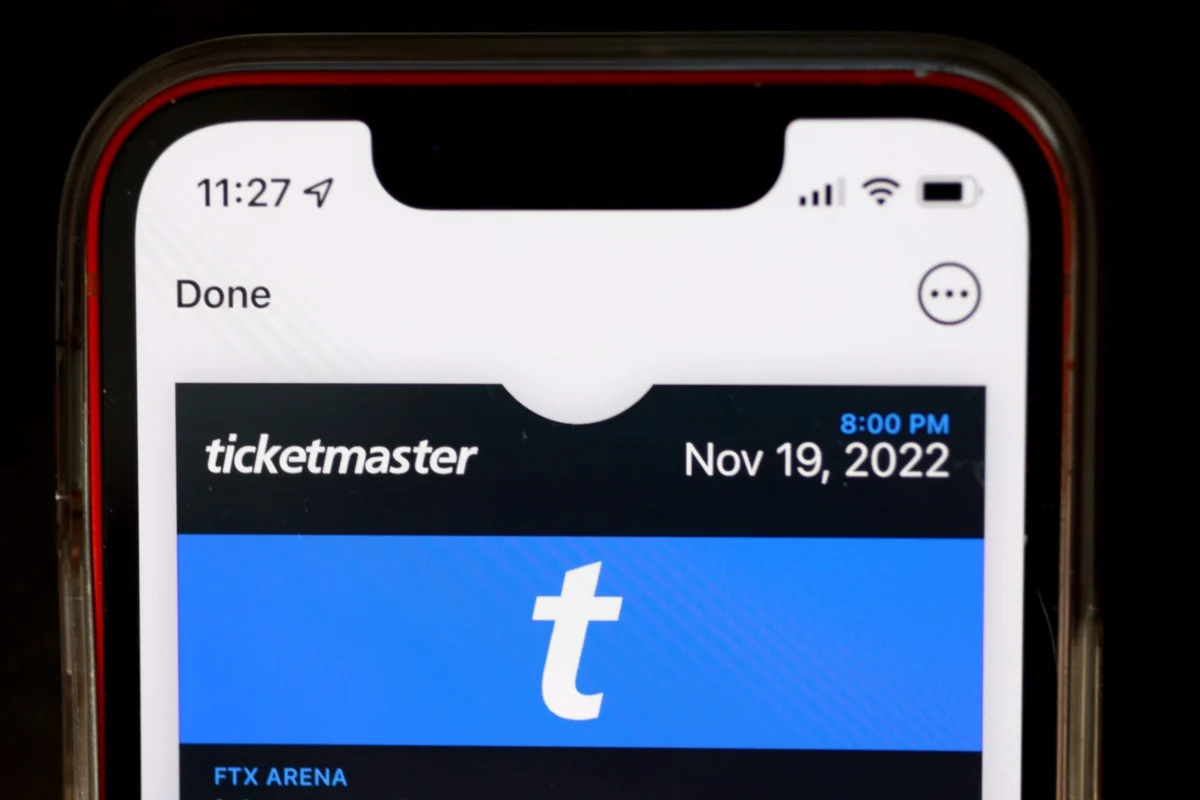
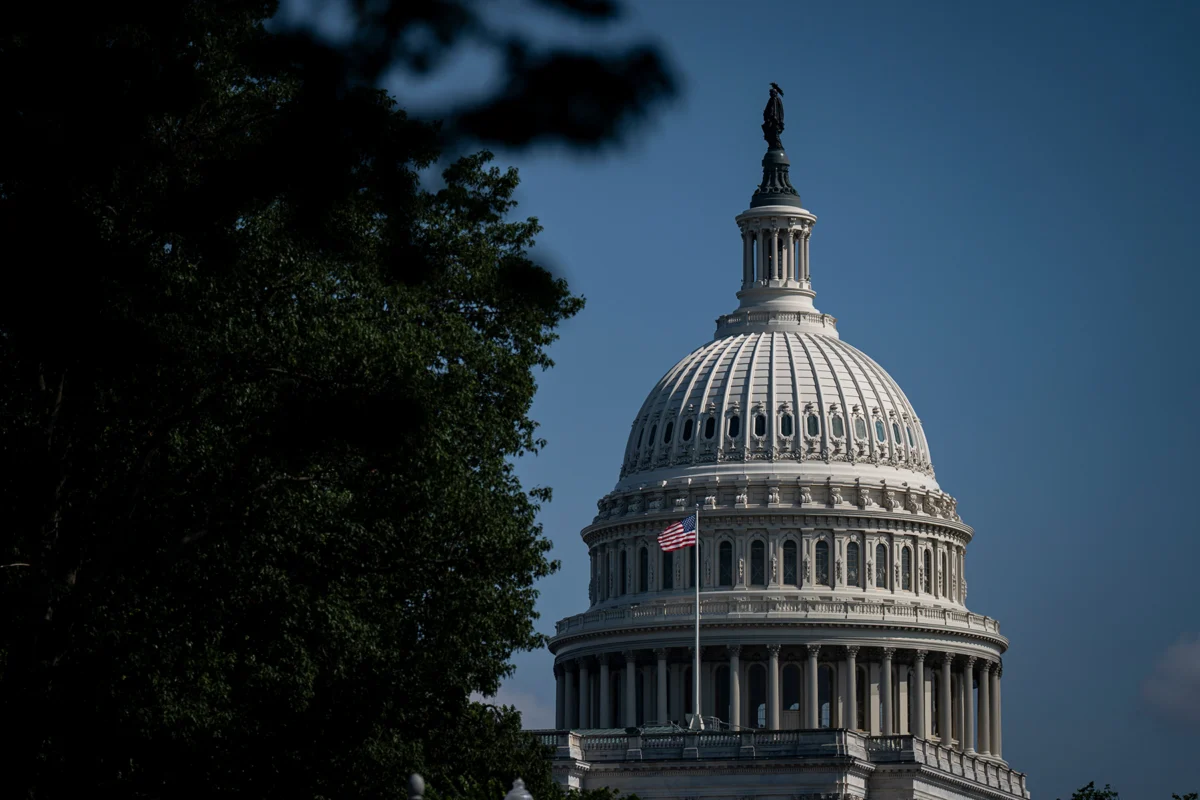
The United States ticketing landscape faces a significant shift following a pivotal court ruling issued on Monday, September 28, which dictates that Ticketmaster and its parent company, Live Nation, must proceed to face a federal lawsuit brought by the Federal Trade Commission (FTC). The lawsuit, which alleges that the industry giant enabled mass-scale ticket reselling in direct violation of the Better Online Ticket Sales (BOTS) Act, had been the subject of a motion to dismiss by the defendants. U.S. District Judge Maame Ewusi-Mensah Frimpong’s decision serves as a major setback for the company’s legal strategy, allowing the FTC to move into the discovery phase of litigation.
The core of the FTC’s argument rests on the assertion that Ticketmaster, through its dominant position in the marketplace, has systematically allowed ticket brokers to bypass internal security protocols and purchase limits. By permitting these brokers to utilize thousands of accounts—often registered under false identities—the agency claims that Ticketmaster has effectively turned a blind eye to predatory practices that disadvantage the average consumer. According to the complaint, this conduct is driven by a profit-motivated incentive: brokers who secure large inventories of tickets then resell them on Ticketmaster’s secondary market, generating lucrative resale fees that bolster the company’s bottom line.
Legal Foundations and the BOTS Act
The BOTS Act, signed into law in 2016, was specifically designed to curb the use of automated software and other technical means to circumvent security measures on ticket-selling websites. The law aims to prevent the "scalping" of tickets by ensuring that consumers have fair access to primary ticket inventories. Ticketmaster’s defense team, led by Live Nation’s executive vice president for corporate and regulatory affairs, Dan Wall, had argued that the BOTS Act was intended to penalize individual bad actors—the brokers themselves—rather than the platforms that host the sales.
Judge Frimpong’s ruling systematically dismantled this interpretation. "The BOTS Act does not preclude platforms from facing liability, and the court will not read it as doing so," the order stated. By clarifying that platforms are not exempt from the mandates of the BOTS Act, the court has opened a new pathway for federal regulators to hold tech intermediaries accountable for the ecosystem they foster. The judge’s decision implies that if a company is aware of, and potentially benefits from, the circumvention of its own security protocols, it may bear legal responsibility under the statute.

Chronology of the Conflict
The legal tension between the FTC and the Live Nation-Ticketmaster conglomerate has been escalating for years, punctuated by high-profile incidents and public outcry. The following timeline outlines the progression of this regulatory struggle:
- 2016: Congress passes the Better Online Ticket Sales (BOTS) Act, establishing the illegality of using software to bypass security measures for ticket purchasing.
- November 2022: Taylor Swift’s "Eras Tour" ticket sale experiences a catastrophic system failure, leading to massive public criticism and a renewed federal focus on Ticketmaster’s operational integrity.
- Early 2023: The Department of Justice and the FTC initiate investigations into the ticketing giant, focusing on potential antitrust violations and predatory business practices.
- Late 2024: The FTC formally files its lawsuit against Ticketmaster and Live Nation, alleging a violation of the BOTS Act and deceptive practices regarding fee transparency.
- January 2026: Live Nation representatives, including Dan Wall, testify before a Senate subcommittee, asserting that the company has actively fought against broker exploitation.
- September 2026: Judge Maame Ewusi-Mensah Frimpong denies Ticketmaster’s motion to dismiss, clearing the way for the FTC’s case to proceed to the discovery phase.
Supporting Evidence and Internal Communications
Central to the FTC’s case is the discovery of internal documents that suggest a culture of willful blindness regarding broker activity. The lawsuit references internal communications from Ticketmaster executives, including one instance in which a senior leader allegedly remarked that the company would "turn a blind eye as a matter of policy" toward certain high-volume brokers. Such evidence is critical, as it attempts to move the argument beyond simple technical failure and into the realm of intentional corporate conduct.
Judge Frimpong’s order emphasized that the FTC had provided sufficient allegations that Ticketmaster possessed the "opportunity and means" to stop the influx of bot-driven purchases but elected not to do so. The judge noted that the company could have implemented robust verification tools to curtail the use of fake accounts but instead opted to maintain a status quo that facilitated significant resale revenue. This contrast between the company’s public-facing statements—claiming they are the "leader in the fight against bots"—and their alleged internal operational policies will likely be a focal point during the upcoming evidence discovery process.
Drip Pricing and Deceptive Practices
Beyond the BOTS Act allegations, the FTC has also challenged Ticketmaster’s history of "drip pricing." This practice involves advertising a base ticket price that is significantly lower than the final cost, with mandatory fees added only at the final stages of the checkout process. While Ticketmaster has transitioned to an "all-in" pricing model in recent years, the FTC argues that the company’s historical reliance on vague, misleading fee qualifiers constitutes a deceptive business practice.
Judge Frimpong ruled that these claims are also legally sufficient to survive the motion to dismiss. The court acknowledged that the long-term use of labels like "plus fees" could be interpreted as ambiguous, misleading consumers about the true price of entertainment. This portion of the lawsuit underscores the broader consumer protection mission of the FTC, aiming to ensure price transparency in digital marketplaces.

Industry Implications and Market Impact
The decision to allow the lawsuit to proceed carries profound implications for the ticketing industry. For years, critics have argued that the lack of competition in the live entertainment market, combined with Ticketmaster’s vertically integrated model, has created a environment where consumer harm is structurally baked into the business.
Industry analysts suggest that if the FTC successfully proves that Ticketmaster enabled scalping for profit, it could force a fundamental restructuring of how the platform operates. This would likely involve more rigorous identity verification for buyers, stricter enforcement of purchasing limits, and a potential reduction in the fees associated with the secondary market. Furthermore, this ruling comes amidst a larger, separate antitrust battle regarding the proposed breakup of Live Nation and Ticketmaster. A coalition of state attorneys general has recently urged the courts to dismantle the merger, citing the companies’ collective power to suppress competition and inflate costs.
Official Responses and Future Outlook
In the wake of the ruling, Ticketmaster issued a concise statement maintaining its innocence: "Ticketmaster remains the leader in the fight against bots and other technical exploits that scalpers use to steal tickets from real fans. We continue to believe that this lawsuit is misguided and will ultimately fail."
The FTC, for its part, has remained largely quiet regarding the specific nuances of the ruling, adhering to its standard protocol of allowing the litigation to speak for itself. However, the agency’s recent aggressive posture—including its concurrent lawsuit against Key Investment Group for allegedly exploiting the Taylor Swift tour—signals a clear directive from the current administration to clamp down on digital gatekeepers.
As the case moves into the discovery phase, both parties will be required to disclose internal emails, technical records, and strategic documents. This phase is often the most revealing in antitrust and consumer protection cases, as it pulls back the curtain on the decision-making processes of corporate leadership. Whether the FTC can ultimately prove its allegations of willful neglect remains to be seen, but the court’s decision to allow the case to proceed represents a significant shift in the power dynamic between federal regulators and the platforms that control access to the live entertainment market. The outcome of this trial could well dictate the future of ticketing, potentially providing long-awaited relief to fans who have felt exploited by the current, opaque system.