Reynand Wu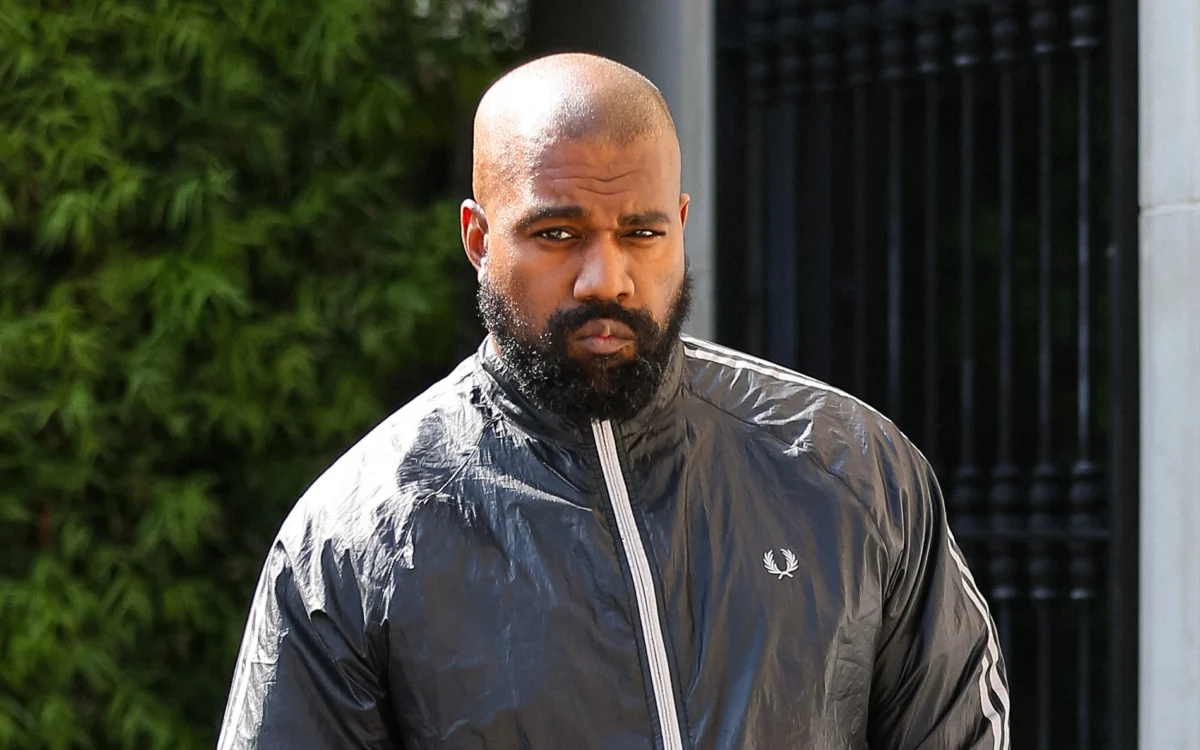
The London-based Wireless Festival, one of the most prominent fixtures in the United Kingdom’s summer music calendar, has been officially canceled. This decision follows a definitive ruling by the UK Home Office to deny entry to the festival’s sole headliner, Kanye West, also known as Ye. The cancellation, announced on Tuesday, April 7, marks the conclusion of a volatile period of public scrutiny, corporate withdrawal, and intense political debate regarding the intersection of artistic platforming and public accountability.
According to an official statement released by festival organizers, all ticket holders for the event—which was slated to take place over three nights from July 10 to July 12—will receive an automatic, full refund. The abrupt end to the festival planning comes after the Home Office rejected West’s Electronic Travel Authorisation (ETA) application, which was filed on Monday, April 6. The government cited the “public good” as the primary basis for the refusal, effectively barring the artist from entering the country to perform.
A Chronology of the Controversy
The tension surrounding West’s booking began in early 2026, as news broke that the artist was set to headline all three nights of the festival. The announcement triggered an immediate and widespread backlash, fueled by West’s documented history of antisemitic rhetoric and public praise for Nazi figures over the preceding years.
By late March 2026, the situation began to escalate from social media criticism to systemic institutional pressure. A coalition of campaign groups, including advocacy organizations monitoring hate speech, launched a concerted effort to pressure Festival Republic to rescind the invitation. The campaign gained significant momentum when major corporate sponsors—including Pepsi, PayPal, and Diageo—began to publicly sever ties with the festival. These brands cited the alignment of their corporate values with the necessity of denouncing discriminatory speech, effectively signaling that the booking had become a liability for the event’s commercial viability.
The political stakes reached their zenith when Prime Minister Sir Keir Starmer addressed the situation, describing the booking as “deeply concerning.” The Prime Minister’s intervention underscored the severity of the controversy, shifting the discourse from a matter of private entertainment management to a question of national values and public safety.
The Home Office Decision and Legal Precedent
The Home Office’s rejection of West’s travel application is rooted in the Immigration Act, which grants the government the authority to deny entry to foreign nationals if their presence is deemed "not conducive to the public good." While high-profile musicians often navigate complex visa requirements, the government’s decision to apply this specific clause suggests a high threshold for the risk associated with West’s public persona.
Legal analysts note that while the UK has historically maintained a liberal approach to artistic freedom, the government has shown an increasing willingness to use immigration policy as a mechanism for maintaining social order. The decision to reject West’s ETA is a rare instance of a major international act being barred from a performance on these grounds, creating a significant precedent for how international artists with histories of hate speech may be handled by the Home Office in the future.
Internal Conflict: The Stance of Festival Republic
Prior to the cancellation, the management of Festival Republic had attempted to defend the booking on the grounds of artistic neutrality and the distinction between an artist’s personal views and their musical output. Melvin Benn, the managing director of Festival Republic, had issued a firm statement earlier in the week, arguing that the industry had a responsibility to foster forgiveness.
"What Ye has said in the past about Jews and Hitler is as abhorrent to me," Benn stated in his defense of the booking. "Ye’s music is played on commercial radio stations in this country. It is available via live streams and downloads in this country without comment or vitriol from anyone, and he has a legal right to come into the country and to perform in this country."
Benn further emphasized that the festival was not providing a platform for the artist to express opinions, but rather to perform his catalog. He argued that the refusal to allow the performance was symptomatic of a "divisive world" losing the virtue of redemption. However, this perspective failed to pacify the growing opposition, and the rapid withdrawal of sponsors left the organizers with little room to maneuver once the government intervention became inevitable.
West’s Attempted Conciliation
In a last-ditch effort to salvage the performances, West issued a statement on Tuesday morning, attempting to address the accusations of antisemitism. He framed his upcoming appearances as a “show of change,” stating that his only goal was to “bring unity, peace and love through my music.” He further extended an offer to meet with members of the UK’s Jewish community to engage in a dialogue.
The response from the Board of Deputies of British Jews was swift and categorical. They stated that while they remain open to meaningful dialogue as part of a genuine “journey of healing,” such a conversation could only occur if West committed to canceling his performances at the festival. The standoff between West’s attempts at reconciliation and the community’s demand for tangible accountability further highlighted the impasse that eventually led to the government’s intervention.
Broader Implications for the Music Industry
The cancellation of Wireless Festival serves as a bellwether for the shifting relationship between global entertainment brands and the artists they employ. In an era of heightened social consciousness, the financial and reputational risks associated with booking controversial figures have changed significantly.
Data from the live music sector suggests that event organizers are now forced to weigh the commercial draw of “legacy” or “headline” acts against the potential for corporate abandonment. For major festivals, the loss of secondary revenue streams—specifically corporate sponsorships—can render an event financially unsustainable. The exodus of sponsors from Wireless Festival demonstrates that corporate social responsibility (CSR) initiatives are no longer merely performative; they are now tied to the direct operational success of large-scale events.
Furthermore, this event highlights the potential for a divergence between the American and European markets. While West has faced domestic condemnation, he recently performed two sold-out shows at Los Angeles’ SoFi Stadium in support of his album Bully, featuring high-profile collaborators such as Lauryn Hill and Travis Scott. The contrast between his ability to perform in the United States and his exclusion from the United Kingdom reflects differing legal and social standards regarding free speech and public order.
Future Outlook
As the industry processes the fallout from the Wireless Festival cancellation, questions remain regarding the future of international touring for artists embroiled in social and political controversies. For the UK, this event solidifies a trend where the Home Office, under political pressure, may act as a final arbiter for the cultural suitability of international visitors.
For the organizers of Wireless, the immediate focus is the logistical undertaking of issuing thousands of refunds and managing the potential for future litigation. For the wider music industry, the incident serves as a stark reminder that the "platform" afforded to artists is increasingly fragile, contingent upon a delicate balance of public sentiment, political will, and corporate tolerance. As the debate over "cancel culture" versus "accountability" continues to evolve, the Wireless Festival saga will likely be cited as a definitive case study in the intersection of celebrity, commerce, and state power.