
 Nana Wu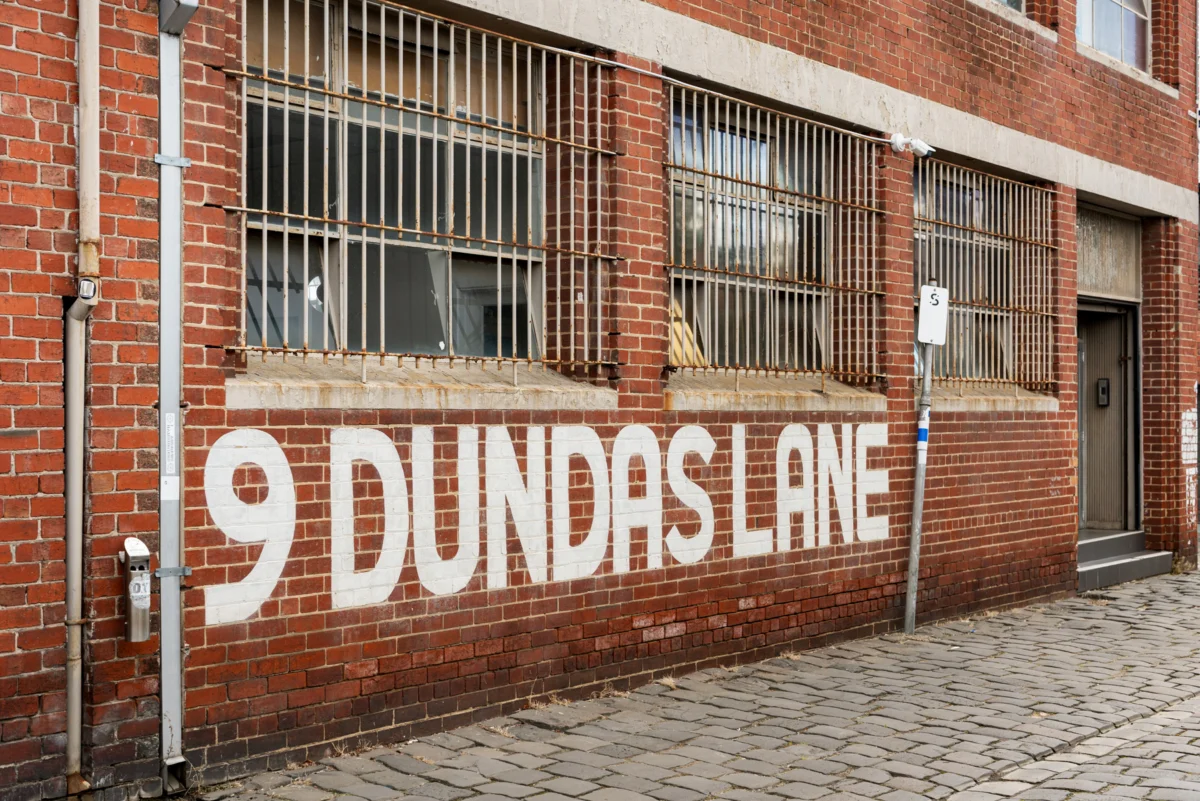
A Legacy Built on Biscuit Foundations
The building located at 9 Dundas Lane was not originally designed for the music industry. Formerly a biscuit factory, the site underwent a transformation that mirrored the scrappy, ambitious spirit of the Australian independent music scene in the late 20th century. When Michael Gudinski moved his operations to the Albert Park location in 1980, he was already eight years into the Mushroom Group journey.
The move solidified the company’s presence in Melbourne, a city that has long been considered the heartbeat of the Australian music industry. The warehouse-style architecture provided more than just office space; it offered a creative ecosystem where record label executives, tour promoters, and artists could collaborate under one roof. Over the subsequent decades, the walls of the factory-turned-headquarters would bear witness to the rise of global superstars and the birth of iconic Australian anthems.
A Hall of Fame Roster
The roster of artists who have navigated the halls of 9 Dundas Lane reads like a definitive guide to Australian music history. Since the early 1980s, the premises have been the site of contract signings, creative strategy meetings, and promotional planning for an extraordinary list of talent, including Kylie Minogue, Jimmy Barnes, Split Enz, Skyhooks, Archie Roach, Paul Kelly, Hunters & Collectors, Yothu Yindi, Vance Joy, The Temper Trap, Vika & Linda, Dan Sultan, and The Teskey Brothers.
Beyond the record labels, the address is recognized as the spiritual home of Frontier Touring. As one of the most prolific concert promoters in the Southern Hemisphere, Frontier Touring has utilized the space to manage the logistics and production for some of the world’s biggest acts, including Taylor Swift, The Rolling Stones, Billy Joel, Madonna, Bruce Springsteen, and Foo Fighters. The proximity of the touring arm to the label management created a synergistic environment that allowed Mushroom Group to dominate both the recording and the live performance sectors of the industry.
The Evolution of Mushroom Group
The sale of the Dundas Lane property follows a period of reflection and expansion for the Mushroom Group. Following the passing of founder Michael Gudinski in 2021, the organization underwent a structured transition under the leadership of his son, Matt Gudinski. The company has since evolved into a multifaceted enterprise comprising more than 20 distinct businesses, ranging from talent management and music publishing to film production and creative brand services.
The transition to a new, larger headquarters in the East End of Melbourne is a strategic move designed to accommodate the group’s modern operational needs. The new facility on Little Collins Street is expected to house the expanded staff, providing the infrastructure required for the company’s diverse portfolio of services, including international and domestic touring, record labels, and merchandising.
Property Specifications and Market Interest
The 9 Dundas Lane site is being marketed as a rare opportunity to acquire a substantial freehold landholding in an inner-south Melbourne suburb. According to the property listing, the site covers 525 square meters of land and offers approximately 1,080 square meters of total building area. The structure is spread across two main levels, each providing roughly 490 square meters of floor space, with an additional 100-square-meter upper-level office and a rooftop terrace.

The property features three street frontages, a factor that real estate experts note adds significant value for potential developers or commercial tenants. The appointment of Marshall White and Stonebridge, acting under instructions from Advise Transact, suggests that the sale is being managed with an eye toward maximizing the asset’s potential for its next custodian. While the market for commercial real estate in Melbourne has fluctuated in recent years, the combination of the building’s historical significance and its functional industrial footprint is expected to attract significant interest.
Official Statements and Industry Impact
Reflecting on the move, Mushroom Group CEO Matt Gudinski noted the emotional weight of departing a space that has been synonymous with the company for nearly half a century. "Dundas Lane has been an incredible part of Mushroom’s history and is globally renowned in the music industry," Gudinski said. "I’ve been coming here my entire life, and it’s hard to overstate what this place means to everyone at Mushroom. As we look ahead, finding the right custodian to carry Dundas Lane’s storied history into its next chapter is incredibly important to us."
The company’s official stance emphasizes that while the physical location is changing, the core values established by Michael Gudinski remain central to the group’s identity. The transition is being framed not as a closure, but as a graduation to a new phase of growth.
A Chronology of the Mushroom Era
To understand the importance of 9 Dundas Lane, one must look at the timeline of the Mushroom Group:
- 1972: Mushroom Records is founded by Michael Gudinski in St Kilda.
- 1980: The company moves its headquarters to the former biscuit factory at 9 Dundas Lane, Albert Park.
- 1980s–1990s: The site becomes the hub for the "Mushroom family," facilitating the international success of Australian acts like Kylie Minogue.
- 2021: The passing of Michael Gudinski sparks a global outpouring of grief from the music community, highlighting the central role of the Mushroom Group in Australian cultural life.
- 2023: Mushroom Group celebrates its 50th anniversary with an all-star covers collection and the release of the documentary Ego, The Michael Gudinski Story.
- 2026: The company initiates the sale of the Dundas Lane property as it finalizes its transition to a new corporate headquarters in Melbourne’s Little Collins Street.
Implications for the Music Industry
The sale of the building serves as a symbolic marker of the professionalization and modernization of the Australian independent music sector. In the 1980s and 1990s, the "warehouse aesthetic" of the music business was reflective of a grassroots, DIY approach. Today, the move to a sophisticated, multi-story office space in the heart of the city indicates that the independent sector is now operating at a corporate scale that competes directly with multinational entities.
For the local music community, the building at 9 Dundas Lane will remain a landmark. It was a site where, in the words of the company’s own promotional material, "if the walls could talk, they’d have one hell of a story." Whether the building is repurposed for commercial office use, creative studios, or residential redevelopment, its legacy as a cradle for Australian music will likely be preserved in the collective memory of the industry.
As the property search continues, potential buyers are being presented with a unique asset that bridges the gap between Australia’s industrial past and its creative future. For Mushroom Group, the focus remains firmly on the future, ensuring that the next 50 years of operations are as impactful as the half-century spent within the walls of their beloved Albert Park headquarters.