 Mia Khoirunisa
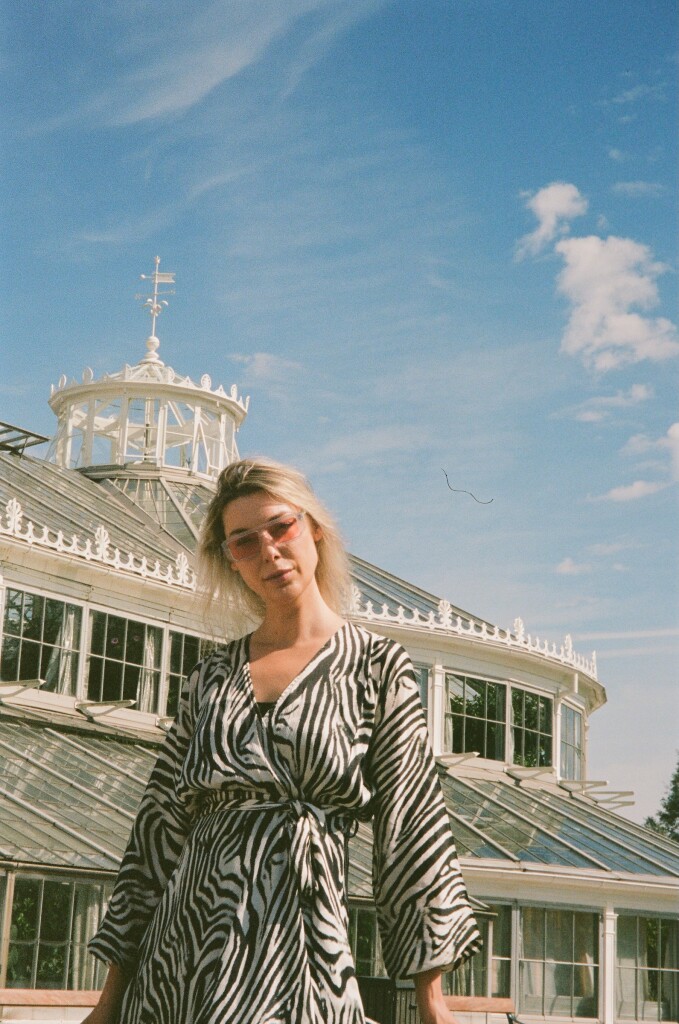
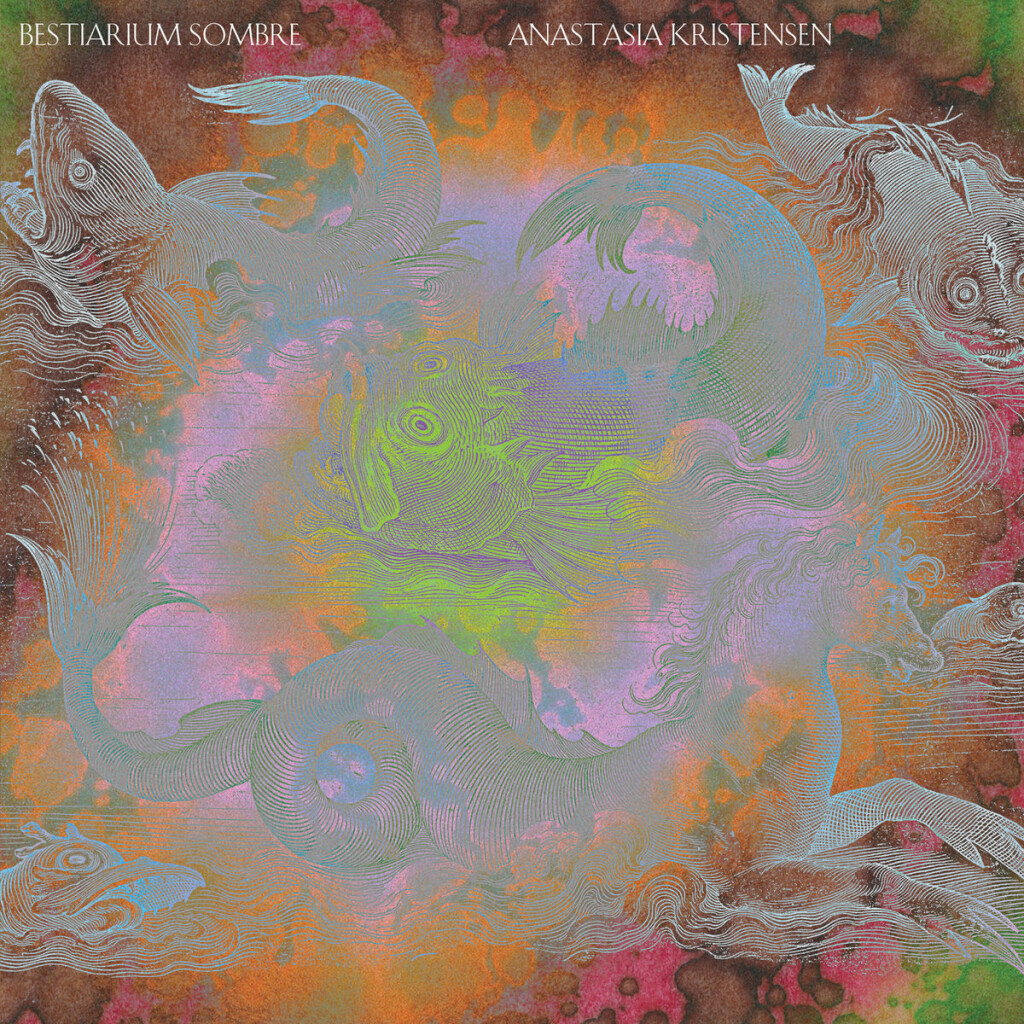
Electronic music producer and DJ Anastasia Kristensen has officially released her latest studio project, Bestarium Sombre, via the Dutch independent label Intercept Records. Moving away from the sterile, cookie-cutter aesthetics and heavily compressed mainstage formulas that currently dominate the commercial electronic music landscape, the Copenhagen-based artist has crafted a conceptual, anthropomorphic sonic world. Built from over a decade of accumulated sound design libraries, field recordings, and non-traditional audio textures, the record bridges the gap between sophisticated IDM and functional dancefloor rhythm.
The release coincides with a series of international tour announcements, bringing Kristensen’s boundary-pushing live and DJ sets to North American audiences. She is scheduled to perform at Public Records in New York City on October 23, followed by a performance at Flash in Washington, D.C., on October 24.

Main Facts and Conceptual Framework
Bestarium Sombre functions as a deliberate departure from the homogenized production trends accelerated by short-form social media platforms and hyper-commercialized festival circuits. Rather than relying on standard software synthesizers or predictable sonic drops, Kristensen utilized an eclectic array of physical samples gathered over a five-to-six-year period. The record incorporates hydraulic mechanisms, broken glass, and recorded magpie songs, transforming real-world acoustics into intricate rhythmic patterns.
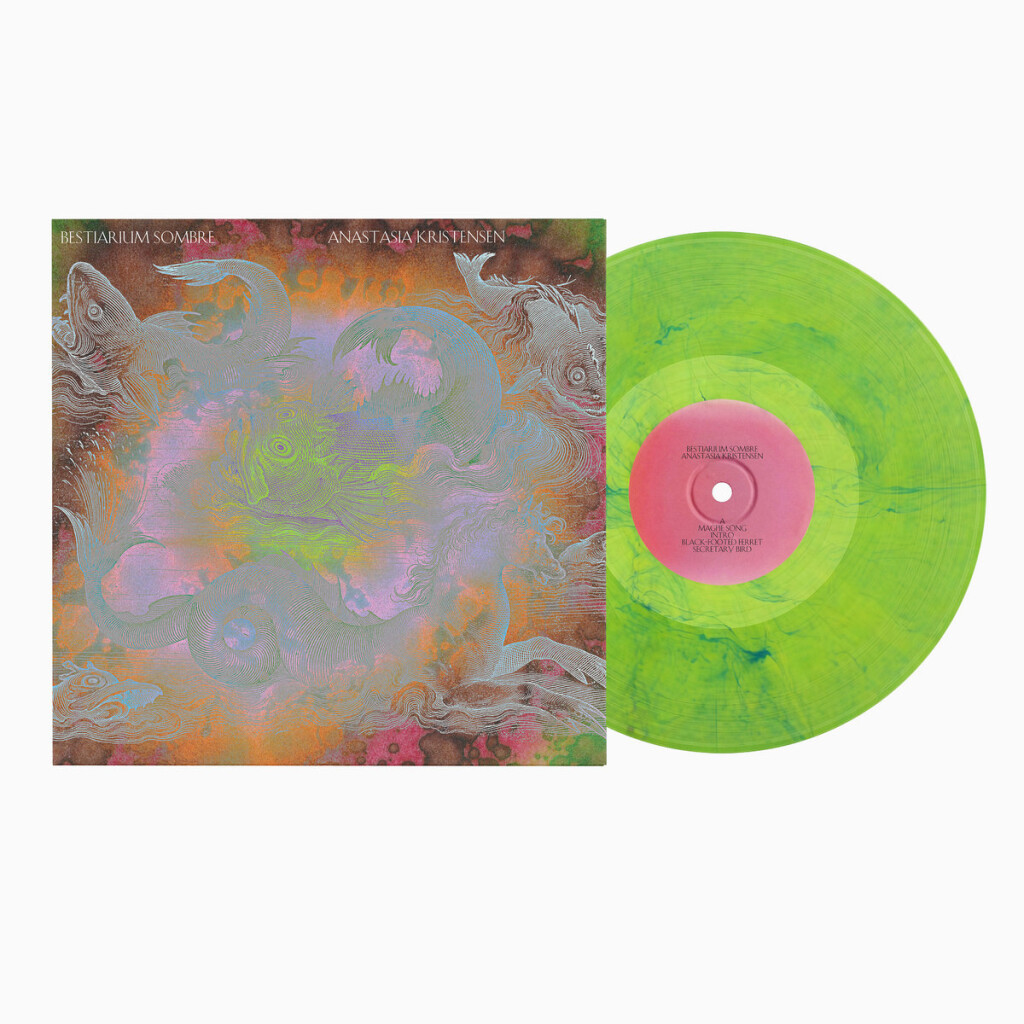
Tracks such as "Black-Footed Ferret," "Secretary Bird," and "Silver Cuttlefish" illustrate the album’s thematic dedication to the animal kingdom, presenting an audio narrative that functions much like a novel with a clear prologue and outro. Despite its complex sound design and high-concept execution, Kristensen maintained a strong emphasis on mixability and dancefloor utility. The result is a project designed to satisfy both home-listening vinyl collectors and club audiences seeking unconventional, texture-heavy rhythms.
Chronology and Production Background
Kristensen’s trajectory toward Bestarium Sombre spans a twelve-year career within the electronic music ecosystem. Having emerged as a prominent selector and producer in 2015, she spent years accumulating an extensive archive of audio samples, field recordings, and experimental loops.
The conceptual foundation of the album crystallized when Kristensen revisited old project files, including a magpie melody composed half a decade prior. Recognizing the potential for an animalistic, ritualistic motif, she expanded the idea into a cohesive full-length record. Throughout the production process, she worked iteratively—developing raw textures, stepping away from projects to maintain objectivity, and refining arrangements to avoid over-intellectualization.
Unlike many producers who rely heavily on modular synthesizers and extensive hardware setups, Kristensen produced the record entirely within a software environment. By maximizing the capabilities of digital plug-ins, she proved that high-fidelity physicality and complex sound design can be achieved without external hardware investments. The visual identity of the album was developed in close collaboration with Intercept Records, founded by Coloray, ensuring a unified aesthetic spanning both the vinyl artwork and the music.
Industry Implications and the Attention Economy
In recent interviews discussing the release, Kristensen addressed broader systemic issues within the contemporary music industry, citing post-pandemic fatigue, hyper-capitalism, and the commodification of music through platforms like TikTok. She noted a distinct decline in patience and attention span among younger listeners, where music is frequently reduced to fifteen-second drops optimized for algorithmic engagement.
According to Kristensen, this shift has negatively impacted the depth of musical storytelling and altered the expectations of promoters, agencies, and audiences who prioritize visibility over deep listening. By releasing Bestarium Sombre, she positions the album as a conscious counter-statement—an insistence on creating deliberate, challenging art that resists algorithmic homogenization.
Music industry analysts view such releases as part of a cyclical correction within electronic music. As mainstream festivals and formulaic tech-house productions saturate the market, a concurrent underground movement is experiencing a resurgence. Listeners and artists are increasingly gravitating toward organic sounds, field recordings, and psychedelic textures as an antidote to digital fatigue.
Community Building and Independent Infrastructure
Beyond her work as a producer, Kristensen has maintained a long-standing commitment to grassroots music discovery. Operating as an archivist and curator, she frequently scours platforms like Bandcamp and SoundCloud to unearth releases from underground, amateur producers. This ethos led her to establish her own independent imprint, absorb emit, three years ago, providing a platform for unheralded sonic talent.
In an era where artists are increasingly dependent on major tech conglomerates for distribution and audience reach, Kristensen has also taken steps to reclaim digital autonomy. She recently launched a dedicated, independent web platform at AnastasiaKristensen.com, designed by Ukrainian developer and graphic designer Averyano. The site bypasses traditional social media algorithms, offering a direct newsletter and a centralized hub for her ongoing creative output.
With Bestarium Sombre now available on vinyl through Intercept Records and streaming across major platforms, Kristensen’s latest offering solidifies her status as a vital, uncompromising voice in modern electronic music. As she prepares for her upcoming North American tour dates, the release serves as a timely reminder of the enduring power of tactile, narrative-driven sound design.