 Reynand Wu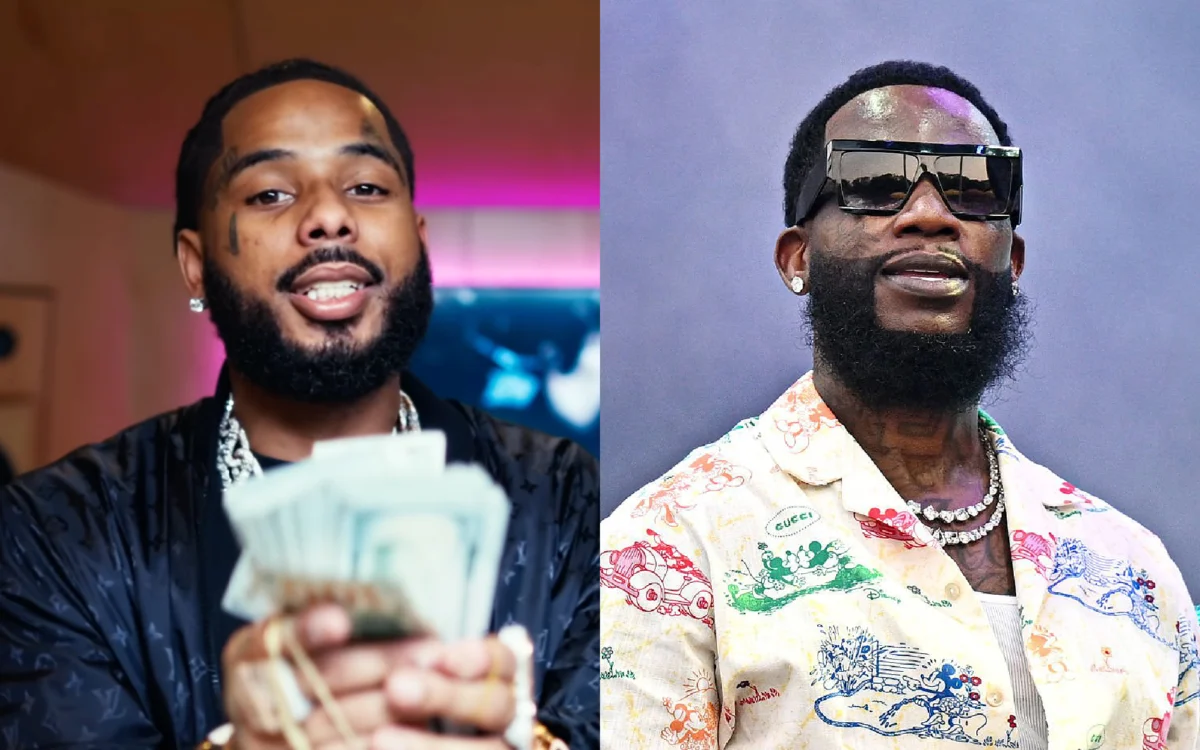
In a stunning development that has sent shockwaves through the music industry, federal authorities have taken eight individuals into custody, including Memphis-born rapper Pooh Shiesty, his father Lontrell Williams Sr., and fellow artist Big30, on serious charges of kidnapping, armed robbery, and racketeering. The charges stem from a volatile incident involving the entrapment and coerced negotiation of industry mogul Gucci Mane at a Dallas, Texas, recording studio earlier this year.
According to a formal indictment released by the Department of Justice, the incident occurred on January 10, marking a dramatic escalation in what was reportedly intended to be a routine business meeting. The federal investigation, which has resulted in the detention of eight suspects with a ninth still at large, alleges a premeditated plot to extort the 1017 Records head through the use of high-caliber weaponry and physical intimidation.
The Chronology of the Alleged Incident
The sequence of events, as reconstructed by federal investigators, began when Lontrell Williams Jr.—professionally known as Pooh Shiesty—arranged a meeting with Gucci Mane and two associates, identified in court documents as M.M. and B.P. The ostensible purpose of the gathering was to renegotiate or terminate the terms of Shiesty’s existing recording contract with 1017 Records.
Upon the arrival of Gucci Mane and his associates at the Dallas studio, the situation allegedly devolved into a "coordinated armed takeover." Law enforcement reports state that Shiesty brandished an AK-style pistol, using the weapon to coerce the music executive into signing documents that would effectively void his contractual obligations to 1017 Records.
The violence was not limited to the contract dispute. Authorities allege that the group proceeded to systematically strip the victims of their personal property. The loot reportedly included Gucci Mane’s wedding ring, a high-end watch, various pieces of jewelry, and a significant sum of cash. Simultaneously, other members of the crew reportedly held the two other victims at gunpoint, forcing them to surrender Rolex watches and further personal valuables. Investigators noted that Big30 allegedly played a critical role in the entrapment by physically barricading the studio exit, ensuring that none of the victims could escape during the robbery.
One victim, identified as M.M., reportedly suffered physical assault during the ordeal, including being choked to the point of near-unconsciousness. The incident, which occurred in the early hours of the day, has left a dark stain on the professional relationship between the artists involved.
Evidence and Investigative Methodology
Federal investigators built their case using a combination of forensic evidence and digital breadcrumbs. The prosecution’s reliance on physical evidence is substantial, citing fingerprints recovered from the studio premises and records obtained from rental vehicle agencies that placed the defendants at the scene of the crime.
Perhaps most damaging to the defense are the social media footprints left by the suspects. Within hours of the alleged robbery, various accounts linked to the defendants featured posts showcasing items that match the descriptions of the stolen property. These digital exhibits have provided investigators with a timeline that closely aligns with the victims’ statements.
The Department of Justice has emphasized that this was a complex, multi-layered criminal operation. The fact that Pooh Shiesty was on home confinement at the time of the incident—having only recently been released from prison in October 2025 after a four-year stint for a prior firearms conspiracy conviction in Florida—adds a layer of legal gravity to his situation. His participation in such a high-profile, allegedly violent crime while under federal supervision suggests a blatant disregard for the terms of his release, likely leading to severe sentencing enhancements if a conviction is secured.
Contextualizing the 1017 Records Relationship
The relationship between Pooh Shiesty and Gucci Mane had previously been hailed as one of the most successful artist-executive pairings in modern Southern hip-hop. Shiesty, whose breakout hit "Back In Blood" catapulted him to national stardom, was a flagship artist of Gucci Mane’s 1017 Records.
Industry analysts suggest that the alleged motive—contractual termination—highlights the recurring tensions between artists and labels regarding creative autonomy and financial compensation. However, the move from boardroom negotiation to armed kidnapping represents a violent aberration in standard industry practices. The implications for 1017 Records are significant, as the label now finds itself at the center of a federal prosecution, potentially affecting its reputation and its ability to secure future talent.
The Broader Legal Implications
The legal stakes for those involved are exceptionally high. Under federal sentencing guidelines, charges of kidnapping and armed robbery can carry life imprisonment, particularly when firearms are discharged or brandished during the commission of a felony. The designation of the suspects as a coordinated group suggests that federal prosecutors may pursue charges under the Racketeer Influenced and Corrupt Organizations (RICO) Act or similar conspiracy statutes, which allow for broader liability across the entire group.
For the music industry, this incident serves as a grim reminder of the intersection between street culture and corporate entertainment. Legal experts anticipate a long and arduous discovery process, as the defense teams for the eight arrested men will likely attempt to challenge the government’s interpretation of the "coerced" contract signing.
Public and Industry Response
As of this writing, there has been a notable silence from the primary parties involved. Representatives for Gucci Mane have not issued a formal statement regarding the incident, likely due to the ongoing nature of the federal investigation. Similarly, the legal counsel for Pooh Shiesty and Big30 has yet to address the specific allegations of kidnapping and robbery.
In the digital sphere, the news has prompted a wave of reaction from fans and industry peers. The arrest of a major recording artist on such severe charges has sparked debates about the "celebrity culture" of criminality and the challenges that young artists face when navigating the complexities of fame and legal obligations.
Looking Forward
The federal court system in Dallas is expected to schedule preliminary hearings in the coming weeks. The trial, should it reach that stage, will likely be one of the most closely watched cases in the hip-hop community. Prosecutors have indicated that they have a robust case, supported by the testimony of the victims and the physical evidence gathered at the scene.
As the judicial process moves forward, the primary focus will remain on the veracity of the kidnapping claims. Kidnapping, by federal definition, involves the unlawful holding of a person against their will, and the prosecution must prove that the victims were physically restrained and forced to comply with the suspects’ demands. The defense will undoubtedly scrutinize the reliability of the victims’ accounts and the authenticity of the "contract termination" documents retrieved by law enforcement.
The case of the eight defendants serves as a cautionary tale about the perils of unchecked ambition and the volatile nature of criminal activity. As the nation watches, the outcome of this trial will not only determine the future of these artists’ careers but also potentially redefine the legal standards for how business disputes are handled in the high-stakes world of the music industry. The ninth suspect, still at large, remains a target for federal agents, ensuring that this investigation will continue to dominate headlines for the foreseeable future.