
 Nayara Elvina
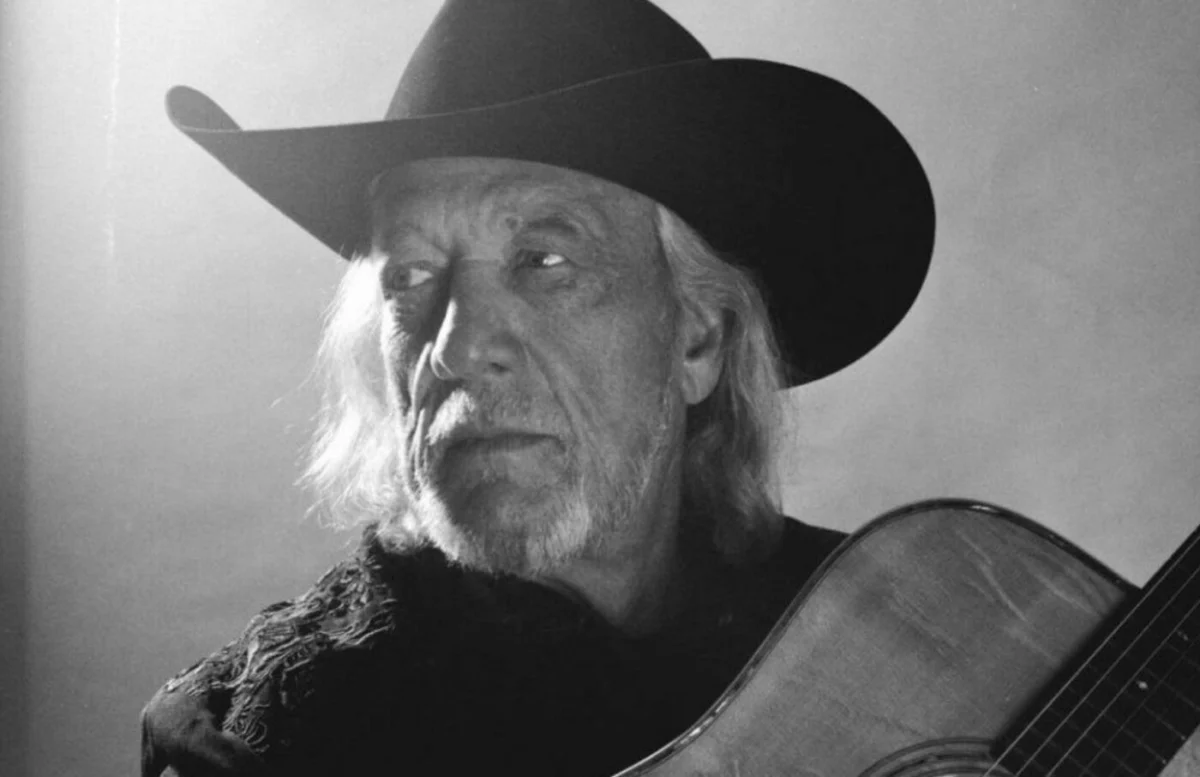
The global country music community is in mourning following the peaceful passing of singer-songwriter John Anderson at the age of 71. Renowned for his distinct Florida drawl, traditionalist ethos, and a decades-long career that helped shape the sound of modern country music, Anderson died peacefully in his sleep, according to an official family statement released this evening.
The loss leaves a significant void in the genre, silencing one of its most authentic and revered voices just a year after his long-overdue induction into the Country Music Hall of Fame. As fans, peers, and industry professionals process the news, tributes have begun pouring in to honor a musician whose contributions spanned multiple generations of country music history.
A Family Tribute and Public Mourning
The announcement of Anderson’s passing was shared by his grieving family, who emphasized his role as a loving husband, father, grandfather, and friend far beyond his public persona as a musical icon.
"It is with the heaviest of hearts that we share the passing of our beloved husband, father, grandfather, and best friend," the family wrote in their official statement. "To the world, he was a gifted country music singer whose voice and songs touched countless lives. To us, he was so much more. He was the heart of our family, the one who made us laugh, loved us fiercely, and made every ordinary moment feel special."
The family noted that while his extensive catalog of recorded music will endure, his true legacy lies in the personal memories and deep affection he shared with his loved ones. They have requested privacy and continued prayers from the public as they navigate the sudden and profound loss.
As of press time, no specific cause of death has been publicly disclosed, though representatives confirmed he passed away peacefully. The sudden loss has disrupted a robust active touring schedule, which included upcoming performances in Shippensburg, Pennsylvania; Marietta, Ohio; and Tiffin, Ohio, as well as highly anticipated appearances at the historic Grand Ole Opry.
From Apopka to Nashville: The Early Years and Rise to Fame
John Anderson’s journey to country music royalty is a classic tale of perseverance, blue-collar grit, and undeniable talent. Born and raised in Apopka, Florida, Anderson developed an early affinity for both rock and roll—playing in local bands in his youth—and traditional country music. In 1971, at the age of 19, he packed his bags and moved to Nashville, Tennessee, determined to make his mark on the epicenter of country music.
The path to stardom was neither immediate nor easy. Like many aspiring artists of his era, Anderson spent his first several years in Music City working demanding odd jobs to make ends meet. Most notably, he spent time working as a roofer on the very grounds of the Grand Ole Opry, hauling materials and laboring under the Nashville sun while writing songs and networking with industry insiders during his off-hours.
His persistence eventually paid off in 1977 when he secured his first major recording contract. Later that year, he notched his debut chart entry with "I’ve Got a Feelin’ (Somebody’s Been Stealin’)." Momentum continued to build the following year when he landed his first top-40 hit with "The Girl at the End of the Bar." These early releases laid the groundwork for a signature vocal style characterized by a rich, weathered drawl that stood out sharply against the increasingly polished, pop-crossover sounds dominating mainstream country radio during the late 1970s and early 1980s.
Critical Acclaim and Chart Success
Throughout the 1980s and 1990s, Anderson cemented his status as a pillar of traditional country music. His breakthrough came on the heels of critically praised work, including his 1981 rendition of Billy Joe Shaver’s "I’m Just an Old Chunk of Coal (But I’m Gonna Be a Diamond Someday)." The track earned Anderson a Grammy Award nomination in 1982 for Best Country Vocal Performance, Male, signaling to the wider music industry that a major new talent had arrived.
That same year, Anderson reaped the rewards of his rising stature at the Country Music Association (CMA) Awards, taking home the Horizon Award—now known as New Artist of the Year. His ascent reached a commercial and artistic peak in 1983 with the release of the smash hit "Swingin’." The infectious, upbeat single dominated country airwaves, captured the CMA Award for Single of the Year in 1983, and successfully crossed over onto the Billboard Hot 100 pop charts, broadening his demographic appeal without sacrificing his traditional roots.
Despite his massive influence and enduring popularity, Anderson’s career was uniquely defined by a relatively modest tally of five Billboard Hot Country Songs number-one hits. Music historians and critics frequently point out that his chart statistics do not fully capture his cultural impact, as his recorded output consistently influenced subsequent generations of artists who favored rugged authenticity over commercial sheen.
A Timeline of Major Milestones
To understand the trajectory of John Anderson’s illustrious career is to trace the evolution of traditional country music over four decades:
- 1971: Anderson relocates from Apopka, Florida, to Nashville, Tennessee, working odd jobs, including as a roofer at the Grand Ole Opry, while pursuing a recording career.
- 1977: Signs his first major-label recording contract and achieves his first chart appearance with "I’ve Got a Feelin’ (Somebody’s Been Stealin’)."
- 1978: Scores his first top-40 hit with "The Girl at the End of the Bar."
- 1982: Receives a Grammy Award nomination for "I’m Just an Old Chunk of Coal" and wins the CMA Horizon Award. His album "Wild and Blue" yields his first number-one single, the title track.
- 1983: Releases his career-defining anthem "Swingin’," which wins CMA Single of the Year and achieves significant pop-chart crossover success. He follows this with another chart-topper, "Black Sheep."
- 1992–1993: Experiences a major career resurgence with the release of critically acclaimed hits "Straight Tequila Night" and the environmental-historical anthem "Seminole Wind," culminating in his final chart-topping single, "Money in the Bank."
- 1994: Wins Album of the Year at the CMA Awards for his contribution to the Eagles tribute album "Common Thread: The Songs of the Eagles," featuring his standout version of "Heartache Tonight."
- 2024: Inducted into the prestigious Country Music Hall of Fame, cementing his legacy alongside the genre’s most legendary figures.
- Three Days Prior to Passing: Makes his final public appearance attending the Country Music Hall of Fame induction ceremony for fellow artists Tim McGraw, Paul Overstreet, and the Stanley Brothers.
Anatomy of a Legacy: The Essential Discography
Anderson’s catalog remains a masterclass in phrasing, emotional delivery, and thematic variety. His signature recordings continue to serve as touchstones for the genre:
- "I’m Just an Old Chunk of Coal (But I’m Gonna Be a Diamond Someday)" (1981): Written by Billy Joe Shaver, this track showcased Anderson’s ability to imbue philosophical, working-class lyrics with deep personal conviction.
- "Wild and Blue" (1982): Serving as the title track for his breakthrough album, this melancholic ballad provided Anderson with his inaugural number-one single on the country charts.
- "Swingin’" (1983): Undeniably his most recognizable recording, this bouncy, syncopated tune became a cultural phenomenon, bridging the gap between traditionalists and mainstream pop listeners.
- "Black Sheep" (1983): A rebellious, unapologetic anthem for outsiders that reaffirmed Anderson’s dedication to traditional sounds during a period when Nashville was leaning heavily into pop-influenced arrangements.
- "Straight Tequila Night" (1992): A late-career triumph, this heartbreak ballad fueled a commercial renaissance in the early 1990s, proving that traditional country storytelling still commanded massive audiences.
- "Seminole Wind" (1992): Featuring one of the most haunting and recognizable piano introductions in country music history, this track doubled as an evocative tribute to Florida’s indigenous people and an early ecological warning about the destruction of the Everglades.
- "Money in the Bank" (1993): An optimistic, upbeat blue-collar love song that marked his final appearance at the very top of the Billboard country airplay charts.
Broader Impact and Industry Implications
The passing of John Anderson marks the fading of a distinct bridge to an era of country music defined by rough-around-the-edges individualism, rural storytelling, and vocal grit. In an industry increasingly influenced by algorithmic streaming trends and pop-country production values, Anderson’s career stands as a testament to the enduring power of raw authenticity.
His induction into the Country Music Hall of Fame in 2024 served as a timely institutional acknowledgment of his contributions, ensuring that his name is permanently enshrined alongside the founding fathers and foundational innovators of the genre. Fittingly, one of his final public acts just days before his death was participating in the 2024 Hall of Fame induction ceremony, honoring peers like Tim McGraw, Paul Overstreet, and the Stanley Brothers—a poignant final salute to the community he dedicated his life to serving.
As the country music community prepares to memorialize John Anderson, tributes from artists across generations highlight the reverence in which he was held. He leaves behind a catalog that refuses to gather dust and a standard of artistic integrity that will continue to guide future musicians who pick up a guitar and step up to a microphone in Nashville.