Kholidah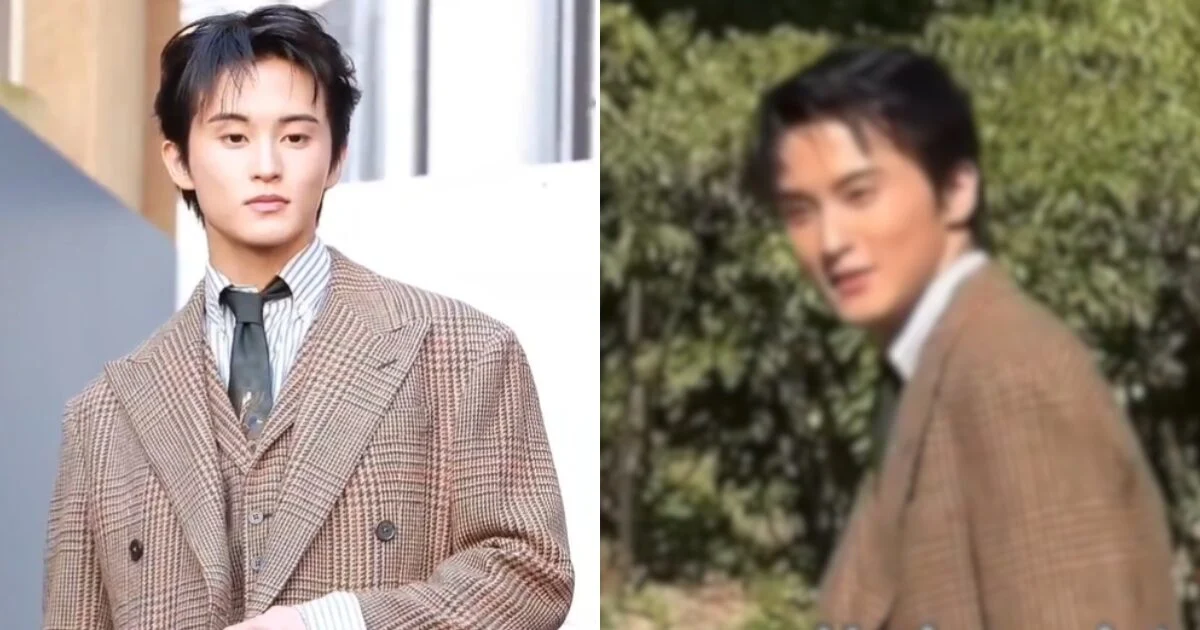
The recent appearance of K-pop artist Mark Lee at a high-profile Ralph Lauren event has become the center of a digital controversy, following the circulation of a viral video that purportedly depicted a decline in his public popularity. The video, which surfaced on social media platforms shortly after the event, invited widespread speculation by contrasting audience reactions to Mark Lee against those of ENHYPEN’s Jay. This comparison triggered an intense debate among fans and industry observers regarding the authenticity of viral content, the influence of edited media on public perception, and the evolving nature of celebrity branding in the digital age.
Chronology of the Event
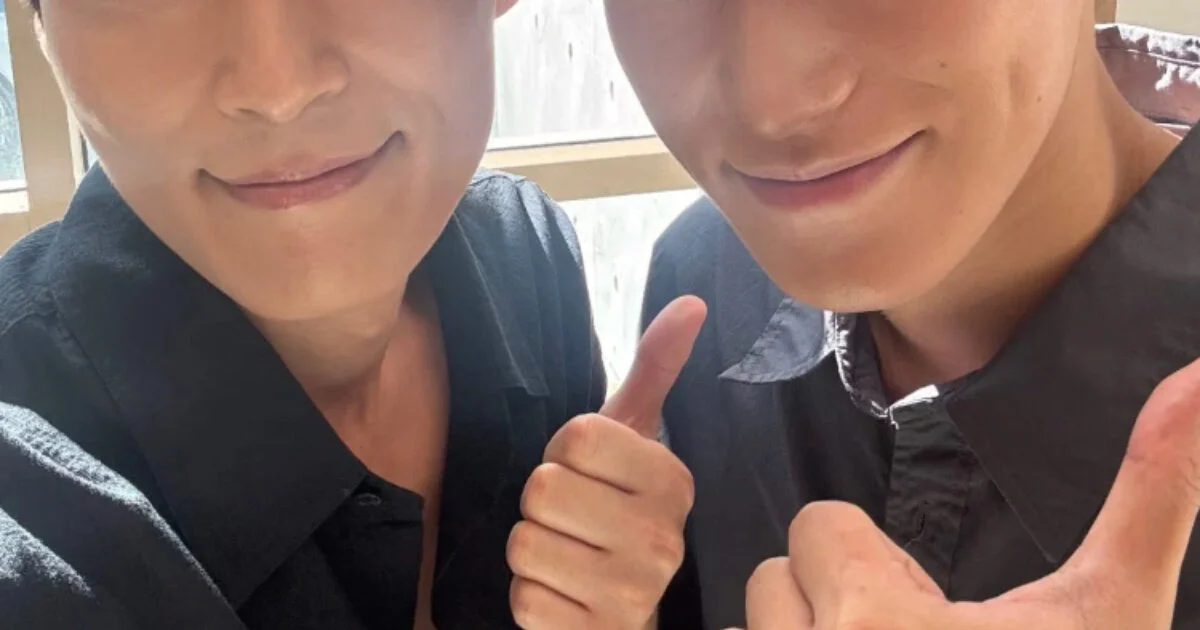
On September 15, 2026, Ralph Lauren hosted an exclusive event featuring several prominent figures from the K-pop industry, including Mark Lee and Jay of ENHYPEN. The event was designed as a high-visibility marketing activation, drawing a significant gathering of media personnel, influencers, and fans.
Within hours of the event’s conclusion, a TikTok video gained traction, claiming to showcase a stark disparity in the crowd’s enthusiasm for the two idols. The video, which utilized selective audio and visual editing, appeared to show a muted response to Mark Lee’s presence, juxtaposed with a loud, cheering reception for Jay. The post rapidly accumulated millions of views, leading to a wave of online discourse questioning whether Mark Lee’s marketability had waned. By the following morning, the narrative had spread across X (formerly Twitter) and various online forums, necessitating a broader investigation into the actual events that took place on-site.

Fact-Checking and Evidence of Public Reception
Following the spread of the viral claim, a counter-narrative emerged as attendees and fans who were present at the event began publishing unedited, full-length footage. These alternative perspectives, shared across social media, provided a starkly different account of the proceedings.
Video evidence captured by multiple angles revealed that the crowd’s reaction to Mark Lee was, in fact, robust. Recordings show media staff, event organizers, and fans greeting the idol with consistent cheering and applause as he navigated the venue and participated in photo sessions. These clips suggest that the viral TikTok video was heavily edited, potentially utilizing audio-layering techniques to suppress the ambient noise present during Mark Lee’s appearance while amplifying the audio during other segments.
The proliferation of these "proof" videos led to a significant shift in the discourse. Many users pointed out that the deliberate omission of cheering in the original viral clip was a calculated move to manufacture a "downfall" narrative. This incident has reignited concerns about "rage-baiting," a practice where content creators produce intentionally misleading media to incite controversy and drive engagement through divisive comments.
Market Context and Celebrity Branding
To understand the significance of this debate, it is necessary to consider the broader context of K-pop idol branding. Mark Lee, a central figure in the NCT franchise, has long maintained a reputation for high brand value, frequently collaborating with luxury fashion houses. Ralph Lauren’s inclusion of the artist in their promotional events is reflective of a strategic effort to tap into the high engagement rates of the K-pop demographic.

Industry analysts suggest that the heightened scrutiny placed on idols at these events is a byproduct of the intense competition within the industry. As brands increasingly rely on celebrity ambassadors to drive social media metrics, the "popularity" of an idol is often quantified by the volume of digital noise they generate at public appearances. When a video surfaces that challenges an established idol’s popularity, it creates a vacuum for speculation that can negatively impact brand perception, even if the premise of the video is demonstrably false.
Official Responses and Industry Implications
While neither Mark Lee’s management agency nor Ralph Lauren has released an official statement regarding the specific video, the incident highlights the growing vulnerability of public figures to misinformation. In recent years, entertainment agencies have become increasingly proactive in addressing defamation and the spread of malicious content.
The lack of an official response is common in scenarios where agencies choose not to amplify unverified claims. However, the grassroots response from the fan community—who have taken it upon themselves to debunk the narrative—serves as a primary defense mechanism for the artist’s reputation. This highlights a shift in the fan-idol dynamic, where the digital community acts as a self-regulating body against the dissemination of false information.
Analyzing the Impact of Edited Media
The controversy surrounding the event serves as a case study in the power of digital framing. By manipulating video and audio, bad actors can alter the perception of reality for millions of viewers who lack the context of being physically present at an event. This has profound implications for digital literacy and the consumption of news on short-form video platforms.

The incident is not merely about a specific idol; it represents a broader trend in social media where the pursuit of virality takes precedence over journalistic accuracy. The emotional investment of fan bases ensures that such videos spread quickly, but it also ensures a swift, evidence-based correction. As platforms like TikTok continue to be a primary source of news for younger demographics, the ability to discern between authentic capture and manufactured content becomes a critical skill.
Broader Implications for the K-pop Industry
The debate also underscores the persistent, and often toxic, nature of "fan wars" within the K-pop ecosystem. By pitting artists against one another—in this case, Mark Lee and Jay—the original video exploited existing rivalries to maximize reach. Such tactics, while successful in terms of algorithm-driven engagement, create a hostile environment that can lead to long-term reputational damage for all parties involved, regardless of the truth.
Moving forward, the industry may see an increase in security and media guidelines at public events to prevent the recording of misleading content. Furthermore, the reliance on raw, unedited footage as the "gold standard" for truth in the K-pop sphere is likely to grow. The events of September 15th confirm that while the reach of misinformation is vast, the collective capacity for real-time verification remains the most effective tool for maintaining public record.
Conclusion
The viral claim regarding Mark Lee’s popularity at the recent Ralph Lauren event has been effectively countered by a wealth of corroborating evidence from the scene. The incident stands as a reminder of the fragility of online narratives and the ease with which visual media can be manipulated to mislead public opinion. While the debate generated significant controversy, the final consensus among objective observers is that the original video was a fabrication designed to undermine the artist’s public standing. As the digital landscape continues to evolve, the necessity for critical analysis and the rejection of context-less, viral content remains paramount for both fans and the public at large. The resilience of Mark Lee’s reputation in the face of this digital manipulation serves as a testament to the strength of his professional standing and the loyalty of his audience.