Kholidah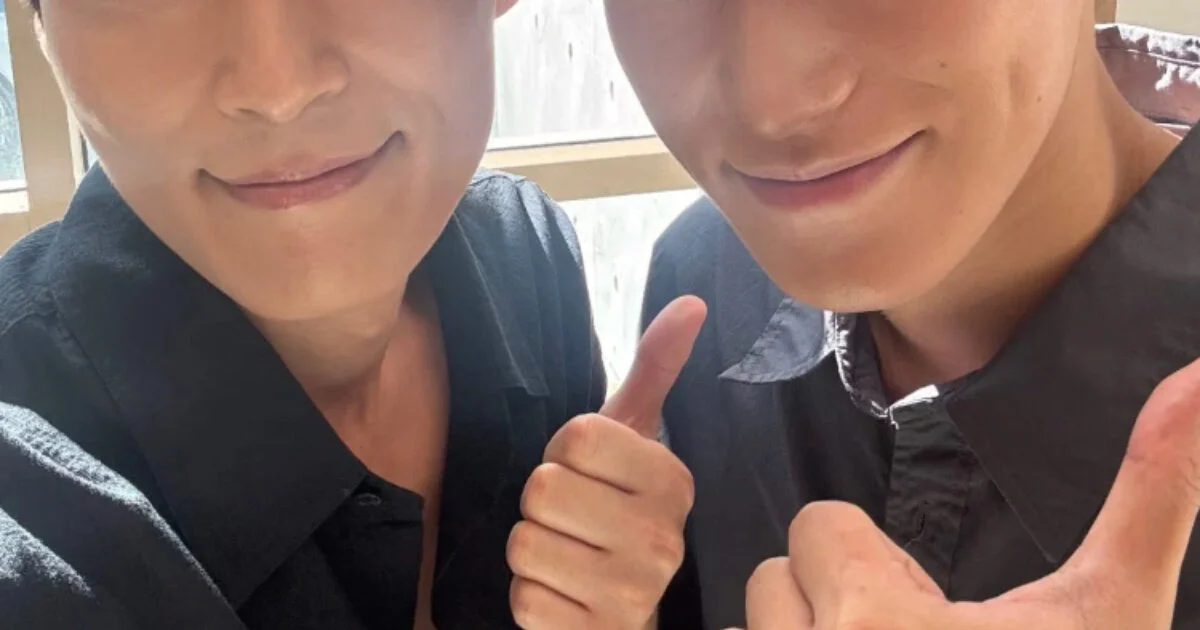
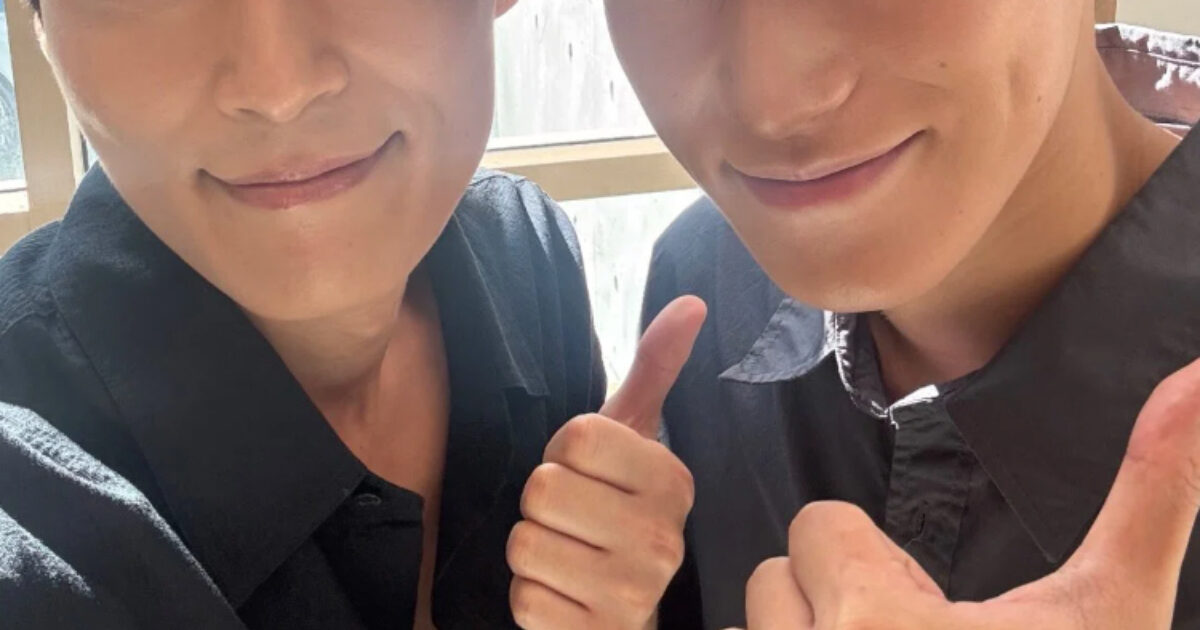
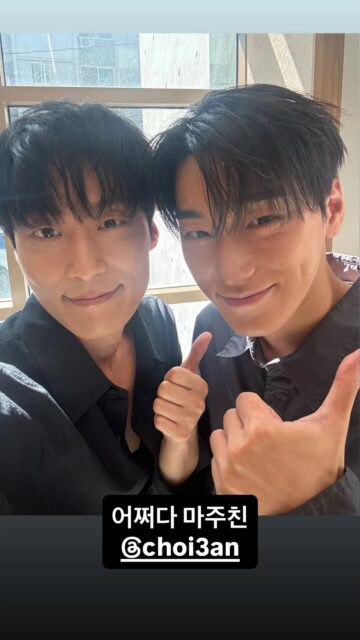
The long-awaited encounter between ATEEZ vocalist San and South Korean actor Heo Nam Jun has finally materialized, putting an end to months of online speculation regarding the striking physical similarities between the two public figures. On September 16, 2026, the interaction was confirmed when Heo Nam Jun shared a candid photograph of the pair on his personal social media account, captioning the moment with a brief acknowledgment that the meeting had occurred by chance. The image, which quickly circulated across various social media platforms and Korean community forums such as theqoo, has reignited interest in the uncanny resemblance that has been a frequent topic of discussion among fans of both the K-pop and K-drama industries.
The Origins of the "Look-Alike" Discourse
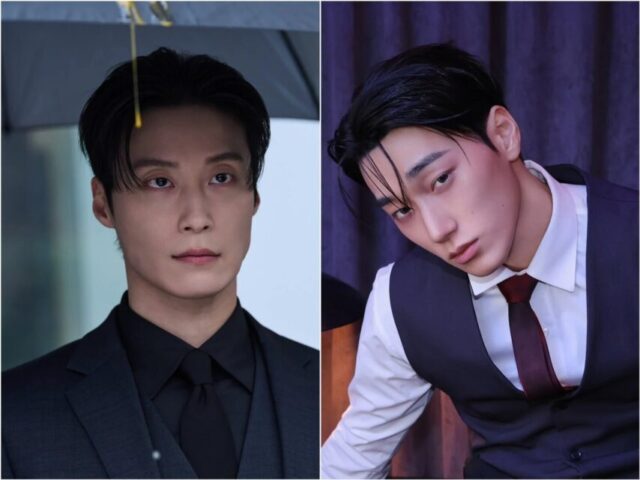
The comparison between ATEEZ’s San and Heo Nam Jun began in early 2026, gaining momentum as both performers saw their popularity reach new heights in their respective fields. San, a central member of the global powerhouse group ATEEZ, is widely recognized for his intense stage presence and distinct facial features. Conversely, Heo Nam Jun has been steadily climbing the ranks of the acting world, gaining critical acclaim for his versatile performances.
As fans began curating side-by-side comparisons, the discourse shifted from mere visual observation to a broader analysis of their shared aesthetic appeal. The discussion was primarily fueled by high-definition screenshots from music videos, promotional content, and television appearances. Enthusiasts noted similarities in the structure of their jawlines, their eye shapes, and their overall expressions during moments of focus. This trend highlights a recurring phenomenon in the South Korean entertainment industry, where the lines between idol visuals and actor aesthetics frequently blur, leading to "doppelgänger" narratives that often go viral.
Chronology of Public Interest
The timeline of this phenomenon is characterized by a steady increase in social media engagement.
- January 2026: Initial mentions of the resemblance appear on microblogging platforms, typically accompanying fan-edited collages.
- April 2026: The discourse reaches mainstream entertainment blogs and news outlets, with articles analyzing the "Heo Nam Jun-San" connection.
- July 2026: ATEEZ announces a major promotional cycle coinciding with Heo Nam Jun’s high-profile acting project, causing the internet to speculate on the potential for a physical meeting.
- September 16, 2026: The duo confirms their meeting via social media, providing the visual evidence that fans had been requesting for months.
The speed at which the news spread on September 16 underscores the digital connectivity of modern fandoms. Within hours of the photo’s release, it had garnered hundreds of thousands of views and thousands of comments across various platforms, signaling that the intersection of music and television industries remains a high-interest subject for global consumers.

Analytical Perspectives on Celebrity Look-Alikes
From a sociological perspective, the fascination with celebrity look-alikes is rooted in the human tendency to categorize and find patterns. In the context of K-pop and K-drama, this is further amplified by the highly visual nature of the media. Experts in entertainment marketing suggest that these "look-alike" pairings can often have a symbiotic effect on the popularity of both parties. By associating with a peer who shares a similar visual "brand," both celebrities can theoretically tap into each other’s fan bases, expanding their reach across demographics that might not otherwise overlap.
Furthermore, the "visual identity" of an artist is a core component of their marketability. When an actor is compared to a world-renowned idol, it often acts as a catalyst for new audience discovery. For Heo Nam Jun, the association with San has likely introduced him to a global audience of ATEEZ fans, while San’s brand is further solidified as a trendsetter in visual aesthetics.
Industry Reactions and Fan Expectations
The reaction from the public has been overwhelmingly positive, characterized by a sense of satisfaction that a "long-running mystery" has been resolved. In addition to the excitement surrounding the meeting, there has been a significant push from fans to see the two collaborate in a more formal capacity. Specifically, followers have expressed a strong desire for the duo to participate in the "BAD" challenge, a viral dance trend currently circulating within the industry.
While no official statement has been released regarding a collaborative performance, the informal nature of their meeting—described by Heo as a chance encounter—suggests a lack of prior coordination. However, given the massive positive response, industry insiders suggest that such interactions are often noted by agencies as indicators of high audience engagement. In the K-entertainment landscape, when a pairing generates this level of buzz, it is not uncommon for management companies to explore future opportunities for joint content creation, such as talk show appearances or magazine features.
The Role of Social Media in Modern Celebrity Culture
The ease with which this meeting was documented and shared reflects the changing dynamics of celebrity transparency. In previous decades, a meeting between two stars might have remained a private affair unless officially sanctioned by publicists. Today, the direct-to-consumer nature of social media allows performers to curate their own narratives and confirm rumors instantaneously.
By posting the selfie, Heo Nam Jun effectively controlled the narrative, confirming the encounter before tabloid media could frame it as a "scandal" or an "event." This approach is becoming the industry standard, fostering a more intimate, albeit highly managed, relationship between the star and the public. It also serves as a strategic move to acknowledge fan feedback, demonstrating that the celebrities are, at the very least, aware of the discussions surrounding their public images.
Broader Implications for K-Culture
The San and Heo Nam Jun saga is a microcosm of a larger trend in Korean entertainment. As the global footprint of K-culture continues to expand, the scrutiny of artists’ appearances has intensified. This has led to a culture of hyper-awareness where every physical attribute is scrutinized, compared, and debated.
While some may view this as superficial, it is a significant driver of engagement in the digital age. The "look-alike" phenomenon creates a bridge between different sectors of the industry, fostering a sense of community among fans who share observations. Moreover, it serves as a testament to the high standards of visual presentation in the Korean entertainment industry, where both idols and actors are expected to maintain a distinct and appealing public persona.
Conclusion: A Moment of Convergence
The meeting between ATEEZ’s San and Heo Nam Jun marks a significant point in the 2026 entertainment calendar, serving as a rare moment where internet conjecture met reality in a benign and celebrated fashion. As the initial excitement settles, the focus will likely shift to the individual professional endeavors of both men.

San continues his work with ATEEZ, balancing global tours with rigorous performance schedules, while Heo Nam Jun remains focused on his trajectory as a rising talent in the acting world. Despite their different paths, their temporary intersection on the digital stage has left a lasting impression on the public consciousness. Whether or not a formal collaboration emerges from this, the event remains a clear example of how digital discourse can influence the way we perceive and interact with the celebrities who shape modern culture. The lasting impact of this encounter will likely be the normalization of such interactions, further blurring the lines between different entertainment silos and reinforcing the power of the audience in shaping the professional connections of their favorite stars. For now, the "look-alike" debate has been laid to rest, replaced by a collective hope for future, perhaps more deliberate, collaborations between these two prominent figures of the Korean entertainment scene.