Indra Aziz
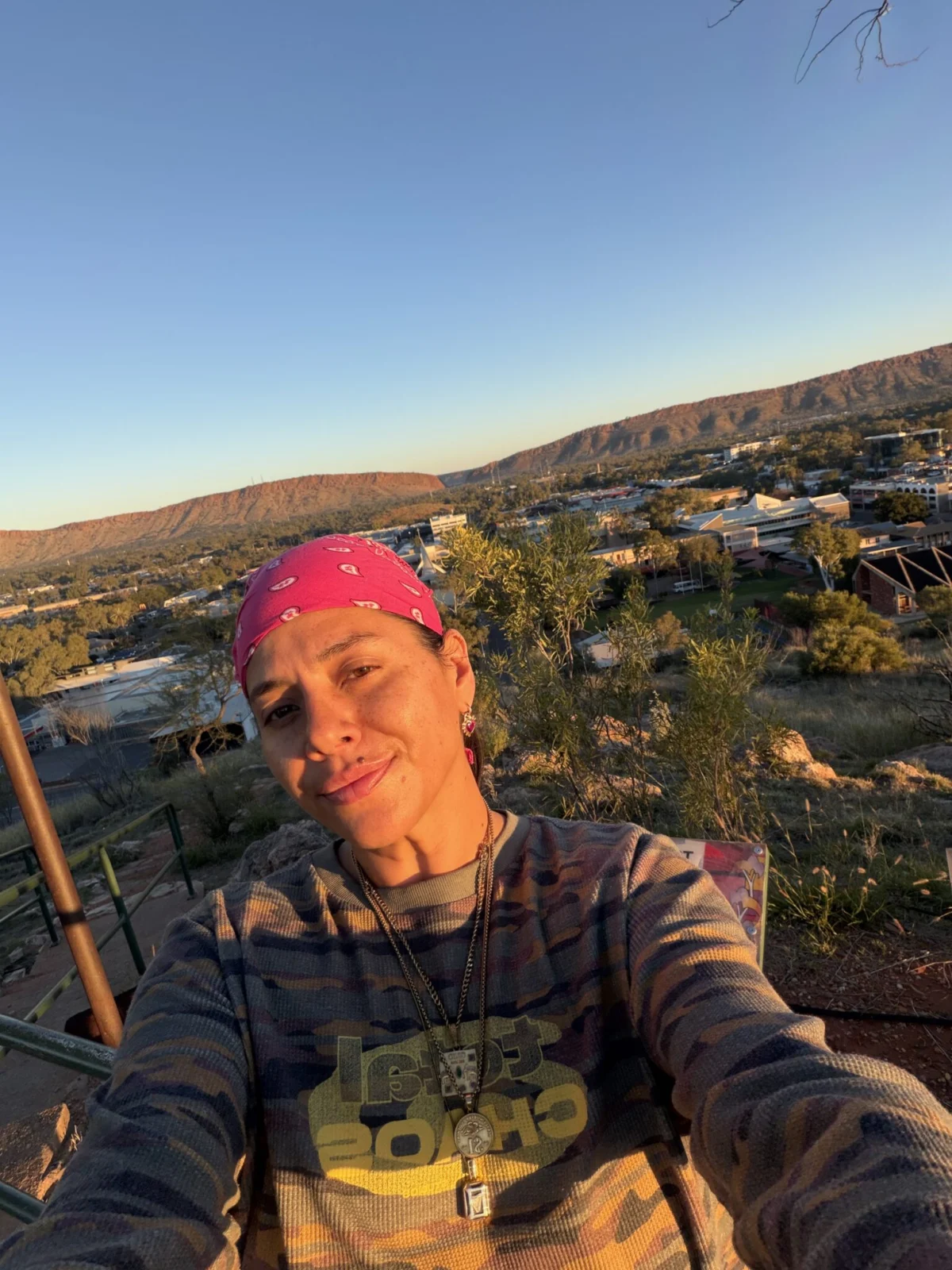
Lorely Rodriguez, known professionally as Empress Of, has firmly cemented her place in the alternative pop landscape over the past decade. Emerging from the vibrant New York indie scene of the early 2010s, Rodriguez distinguished her artistry through a unique blend of alt-pop and R&B, highlighted by early releases such as “Standard,” “How Do You Do It,” and “Just The Same.” Over successive years, her sonic palette evolved significantly. Following her graduation from the Berklee College of Music, she integrated synthesized textures influenced by artists like Björk, leading into the single-focused eras of 2022’s Save Me and 2024’s For Your Consideration. These projects explored themes of single-era escapism, Latina femininity, and personal empowerment. However, her latest 14-track studio album, Dream House, released via Giant Music, marks a profound shift toward introspection. Written in the harrowing aftermath of the devastating Eaton and Altadena wildfires that destroyed her family home in California, the album serves as an auditory monument to fragility, survival, and renewal. As her mother, Reina, physically rebuilt their childhood home from the ground up, Rodriguez mirrored this tangible reconstruction in the recording studio. In a recent interview, Rodriguez discussed the deeply personal origins of her fifth album, her collaborations with artists such as Cecile Believe and Jessy Lanza, and the bittersweet closure of returning to iconic music venues that defined her early career.
Chronology of a Crisis and Creation
The timeline of Dream House is inextricably linked to natural disaster and subsequent psychological recovery. In late 2024, the Eaton and Altadena wildfires swept through Southern California, reducing structural landmarks to ash and displacing numerous residents, including Rodriguez’s family. For months following the catastrophe, the artist experienced a period of creative paralysis, unable to confront the emotional weight required to write music.
The turning point occurred roughly five months after the tragedy during a trip to Norway, where Rodriguez was visiting a childhood friend. Far removed from the physical wreckage in Los Angeles, an impromptu voice memo recorded on her phone yielded the melodic seed for what would become the album’s title track. Rather than descending purely into grief or nostalgia, the initial composition focused on optimism and future potential.
Upon returning to Los Angeles, Rodriguez entered a familiar, comforting studio environment surrounded by close collaborators. The recording process spanned several months, running parallel to her mother’s efforts to reconstruct their family home from the foundation up. This synchronicity provided a rare, tangible manifestation of the album’s central themes. While interludes like “We Have Walls” directly address architectural and emotional barriers, tracks such as “Trainsong,” “HandsOn,” and “Machete” showcase Rodriguez’s enduring knack for sleek, light-refracting percussion and razor-sharp pop songwriting.
Collaborative Foundations and Sonic Influences
Dream House was shaped by a tight-knit community of producers and songwriters. Rodriguez co-wrote eight tracks on the album with Cecile Believe, whose production and songwriting heavily influenced the record’s overall direction. Additional collaborations included contributions from Canadian electronic artist Jessy Lanza and producer Nick Leon.
Rather than relying solely on isolated studio sessions, Rodriguez and her collaborators routinely integrated music-sharing rituals into their creative process. The first thirty minutes of writing sessions were frequently dedicated to exchanging tracks, drawing inspiration from disparate sonic eras. Key touchstones for the project included 1980s electronic music, synth textures from The Blue Nile, the complex arrangements and strings of Kate Bush—particularly her seminal albums The Kick Inside and Hounds of Love—and the atmospheric dream-pop of Julee Cruise, whose work heavily informed Rodriguez’s earlier catalog. Contemporary inspirations included Spanish artist Rebe and electronic duo Caribou, whose 2010 album Swim provided a baseline of comfort during turbulent periods.
Family Dynamics and Generational Artistry

The narrative of Dream House extends beyond individual trauma to encompass a multi-generational exploration of womanhood, anchored by Rodriguez’s relationship with her mother, Reina. Initially, Reina expressed apprehension regarding her daughter’s pursuit of a volatile career in the music industry, frequently questioning the financial viability of life as an independent artist.
Over time, however, that dynamic shifted into a collaborative creative partnership. Reina has actively contributed to the Empress Of project across multiple iterations, previously designing tour wardrobe elements and appearing on earlier records. Her presence also extends into digital spaces through her Instagram account, @LatinaKnowles, where she has cultivated a following among Empress Of fans. The simultaneous rebuilding of their family home in Altadena and the creation of the album established a literal and metaphorical dialogue between mother and daughter, symbolizing resilience across generations.
The Broader Impact: Gentrification and Venue Closures
As part of the promotional cycle for Dream House, Rodriguez has organized live performances that reflect both her roots in the 2010s indie circuit and the changing landscape of urban music hubs. A notable stop on her touring schedule includes the Music Hall of Williamsburg in Brooklyn, a venue slated for closure.
The impending shuttering of the venue highlights a broader cultural trend affecting metropolitan arts districts: the displacement of historic underground music spaces due to gentrification and rising real estate costs. Having hosted her debut album release for Me and opening for Florence and the Machine at the Williamsburg venue in 2015, Rodriguez views the closure as symptomatic of the systemic erasure of the neighborhoods that nurtured the indie music boom of the 2010s.
In response to the shifting commercial landscape of live music, Rodriguez has embraced unconventional, intimate performance spaces—including a recent performance at a local bookstore. These stripped-back settings mirror the impromptu, table-top performances of her early career, emphasizing direct connection with listeners over large-scale production.
Analytical Overview of the Current Era
Dream House represents a maturation of Rodriguez’s artistic identity. By confronting the psychological aftermath of displacement and loss, the artist has synthesized her technical proficiency as a producer with an unprecedented level of emotional vulnerability. The album balances contrasting sonic moods—ranging from the stripped-back piano arrangements of “Waiting” to the assertive, driving rhythms of “Machete”—demonstrating a creator operating with total self-assurance.
Ultimately, the release of Dream House functions not merely as a collection of pop songs, but as a documented exercise in artistic survival. Through meticulous sonic construction and unwavering lyrical honesty, Empress Of has transformed personal devastation into a definitive statement of endurance.