 Kholidah
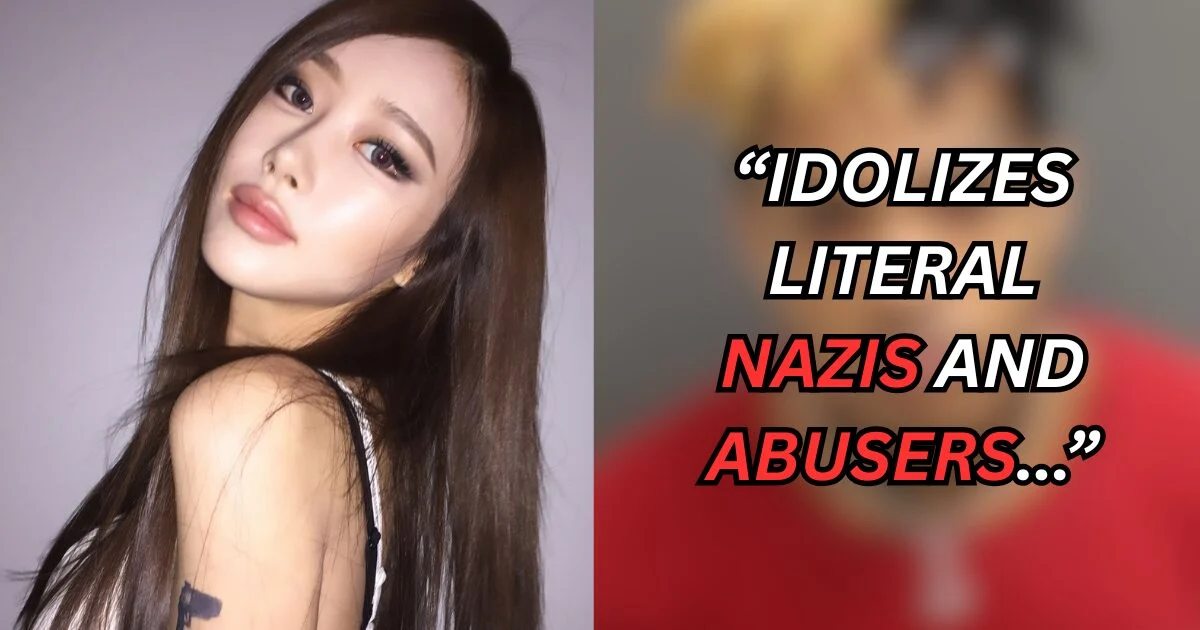
The digital landscape has become a contentious arena for K-pop idols, where the boundaries between curated "aesthetic" expression and professional responsibility are increasingly blurred. Giselle, a prominent member of the multinational girl group aespa, currently finds herself at the epicenter of a significant online backlash. The controversy stems from a series of Instagram updates that have prompted widespread criticism from netizens, who argue that the content posted by the artist trivializes instances of domestic violence, criminal activity, and themes of instability.
Chronology of the Online Backlash
The escalation of public disapproval began in late August 2026, when observant fans and critics noted a recurring pattern in the media shared by the artist. On August 24, 2026, users on social media platforms such as X (formerly Twitter) began circulating screenshots of Giselle’s Instagram activity, specifically pointing to the inclusion of music by the late rapper XXXTentacion. The controversy intensified throughout September, reaching a peak around September 15, 2026, as more users compiled evidence of other posts that allegedly referenced controversial figures, including the band Creed, and featured imagery perceived as glorifying weaponry or violence.
The criticism was not limited to a single instance but rather a culmination of multiple posts that appeared over several weeks. By mid-September, the discourse shifted from individual critiques of song choices to a broader interrogation of the artist’s personal brand and the potential influence her content may have on a younger, impressionable demographic.
Analysis of the Content in Question
The core of the controversy involves the intersection of pop culture appreciation and the historical records of the figures being referenced.
The XXXTentacion Connection:
XXXTentacion, who passed away in 2018, was a figure frequently marred by severe legal allegations. During his lifetime, he faced charges including domestic abuse, aggravated battery of a pregnant woman, and false imprisonment. While he maintained his innocence regarding several of these charges, audio recordings surfaced posthumously that contained admissions related to acts of violence. For critics, the inclusion of his music in a celebrity’s public-facing social media feed is seen as an implicit endorsement or, at the very least, a lack of awareness regarding the gravity of the allegations leveled against him.
References to Creed and Scott Stapp:
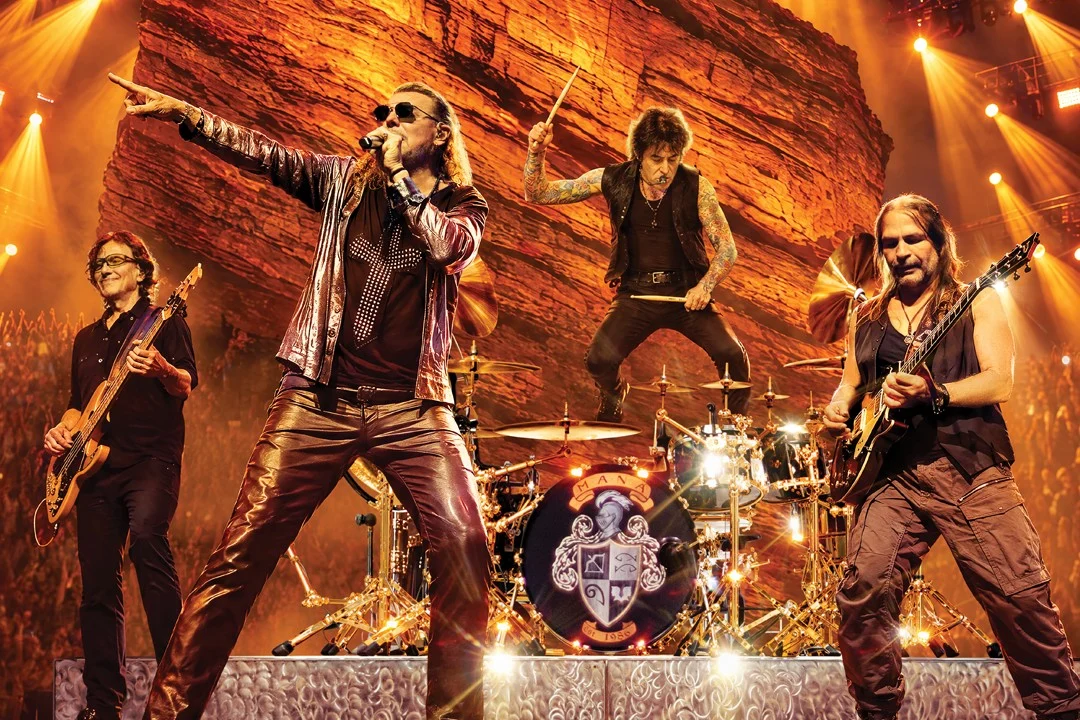
The inclusion of music by the band Creed also drew ire from the public. The band’s frontman, Scott Stapp, was involved in a high-profile legal incident in 2007, where he was arrested following allegations of domestic abuse, specifically involving the throwing of a glass object at his spouse. Netizens argued that consistent promotion of artists with documented histories of domestic violence—whether through song choices or visual references—displays a concerning level of insensitivity.
Visual Imagery and Cultural Icons:
Furthermore, the controversy expanded to include aesthetic choices that netizens labeled as problematic. This included the use of imagery associated with the infamous historical outlaws Bonnie and Clyde, who were responsible for a multi-year crime spree resulting in 13 deaths during the Great Depression. Critics argued that the romanticization of individuals who engaged in mass criminality is in poor taste, regardless of their status as "pop culture icons." Additionally, posts featuring what users interpreted as blood-related imagery or toy guns have been categorized by some as promoting an "edgy" aesthetic that borders on the fetishization of violence.
The Divide: Fan Defense vs. Public Concern
The reaction to these posts has been deeply polarized. A vocal segment of the online community has condemned the posts, citing them as evidence of poor judgment and potentially harmful messaging. These critics often frame their arguments around the responsibility of public figures to be mindful of the content they amplify, given that their reach extends to millions of global followers.
Conversely, a robust defense has emerged from the artist’s fan base. Supporters argue that the scrutiny is an overreaction to an "alt-aesthetic" or "edgy" online persona. Fans point out that many of the images, such as those featuring toy guns, are common tropes in modern alternative fashion and internet culture. They contend that the artist is simply expressing her personal style and that interpreting these posts as a political statement or an endorsement of violence is a misrepresentation of her intent.

Many supporters further argue that the criticisms directed at Giselle are disproportionate, noting that other artists have referenced historical figures or controversial musicians without facing similar levels of vitriol. This perspective suggests that the backlash is less about the content itself and more about the specific standards applied to K-pop idols, who are often held to rigid behavioral expectations that do not apply to other celebrities in the Western entertainment industry.
Broader Implications for the K-pop Industry
The situation highlights a recurring challenge for K-pop management agencies: the management of "authentic" versus "marketed" digital presence. As idols increasingly move toward managing their own social media accounts to foster a sense of closeness with fans, the risk of "PR missteps" increases.
From a public relations standpoint, the incident underscores the difficulty of navigating the "edgy" aesthetic that is currently popular among Gen Z and younger millennials. While this style is often associated with authenticity and artistic freedom, it frequently clashes with the traditional, clean-cut image that K-pop agencies typically demand.
As of mid-September 2026, there has been no formal statement from SM Entertainment or the artist regarding these specific allegations. In the absence of an official response, the discourse continues to circulate in online forums, serving as a case study for the tension between celebrity creative expression and the expectations of a global, diverse, and often critical audience.
The Role of Social Media in Idol Accountability
The speed at which these criticisms spread—often within hours of a post being made—illustrates the high-pressure environment in which K-pop idols operate. Every update is subject to forensic-level analysis by fans and detractors alike. This "policing" of content can lead to a more homogenized industry, where artists are encouraged to limit their expression to avoid controversy, or alternatively, it can force a necessary conversation about the impact of the content celebrities normalize.

Data suggests that celebrity endorsement—even in the form of casual social media interaction—can have a measurable impact on the popularity of artists and brands. When an idol with a massive following shares content, they are effectively introducing that content to a new, younger audience. Therefore, the argument raised by critics regarding the "normalization" of violence holds weight in the eyes of many social commentators, who believe that platforms with massive reach carry inherent social responsibilities.
Conclusion
The controversy surrounding Giselle remains a testament to the volatility of celebrity reputation in the digital age. Whether the posts were intended as a harmless reflection of a personal, subcultural aesthetic or as an oversight in judgment, the reaction from the public serves as a reminder that the line between personal expression and public accountability is increasingly fine. As the industry continues to evolve, agencies may find it necessary to implement more rigorous guidelines for digital conduct, while simultaneously balancing the need for their artists to maintain a relatable and authentic connection with their fan base. For now, the debate remains unresolved, with both sides of the argument firmly entrenched in their positions, highlighting a larger cultural friction point regarding the values we expect our public figures to uphold.