 Indra Aziz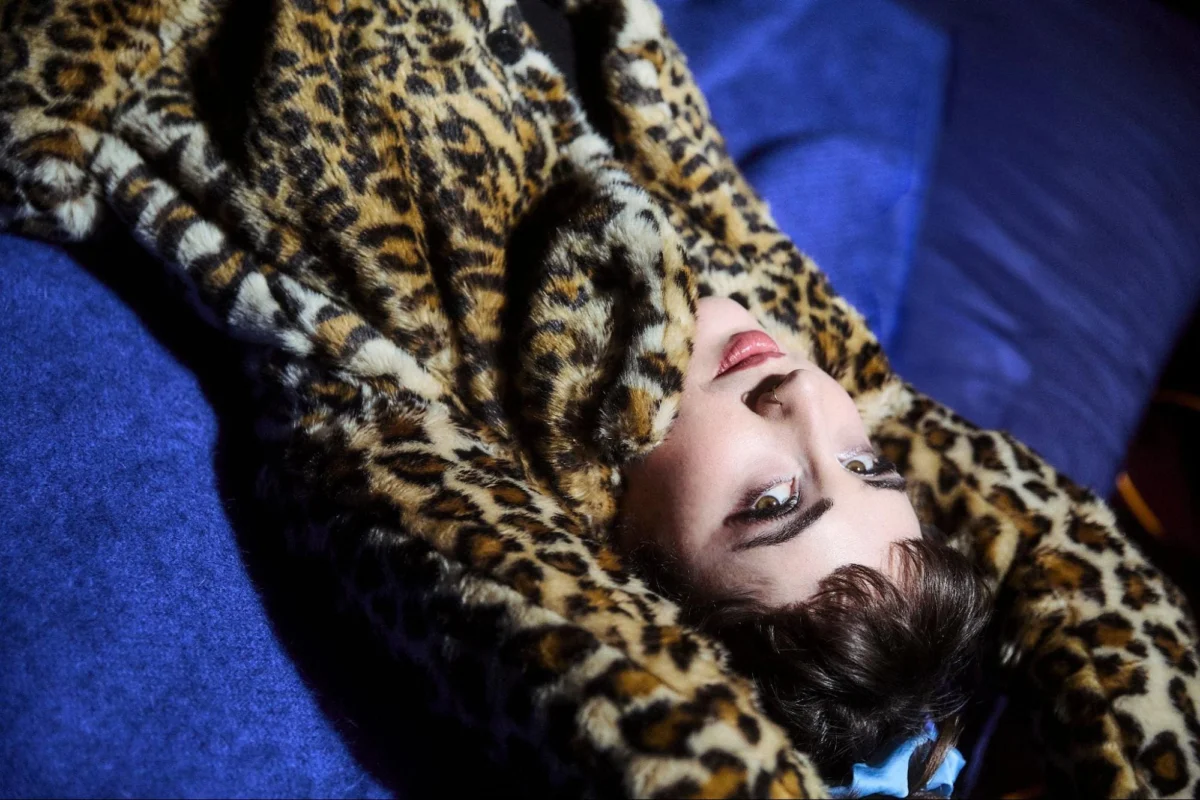
Rosa Walton, a pivotal figure in the acclaimed Mercury-nominated art-pop duo Let’s Eat Grandma, has officially launched her solo career with the release of her debut album, "Tell Me It’s A Dream." This transition marks a significant evolution for the East Anglian artist, who has been meticulously cultivating a distinct artistic identity beyond the established framework of her acclaimed duo. The album, a deeply personal and sonically diverse offering, showcases Walton’s ability to weave intricate lyrical narratives with an expansive musical palette, signaling a new chapter in her already impressive career.
From Duo Dynamics to Individual Expression
For years, Let’s Eat Grandma, comprised of Walton and Jenny Hollingworth, has been synonymous with boundary-pushing, future-facing art-pop. Their distinctive sound, characterized by experimental electronic textures, evocative storytelling, and a captivating stage presence, earned them critical acclaim and a dedicated fanbase. However, as artists naturally evolve, Walton found herself accumulating a collection of ideas—lyrics, melodies, and sonic explorations—that felt distinct from the collaborative synergy of Let’s Eat Grandma. These "off-piste" concepts, as she describes them, began to coalesce into a cohesive vision for a solo project, an "extra-curricular identity" that allowed for a more singular artistic exploration.
The decision to pursue a solo path was not an abrupt one but rather a gradual realization that the time was ripe for individual expression. This introspection led Walton to delve into the more cerebral and introspective sounds of early to mid-80s pop. Influences such as Prefab Sprout, with their sophisticated lyrical arrangements and melodic intricacies; The Cure, known for their atmospheric depth and emotional resonance; and Scritti Politti, celebrated for their meticulous production and genre-bending approach, provided a sonic compass for her solo endeavors. These foundational influences helped shape the conceptual and stylistic direction of "Tell Me It’s A Dream."
A Collaborative Genesis with David Wrench
To translate these burgeoning ideas into a tangible musical form, Walton enlisted the expertise of acclaimed musician, songwriter, and producer David Wrench. Wrench, whose résumé includes collaborations with a diverse array of artists, brought a keen ear for sonic detail and a nuanced understanding of pop’s more experimental fringes. His contribution was instrumental in constructing the sonic architecture of the album, helping Walton to refine her vision and bring her individualistic soundscapes to life. The partnership allowed Walton to retain her artistic autonomy while benefiting from Wrench’s technical prowess and creative input.
The resulting album, "Tell Me It’s A Dream," is a testament to this fruitful collaboration. It is an enchanting record that situates Walton’s evocative songwriting within a fresh and compelling context. While it stands as a solo project, the threads of her past are not entirely absent. Long-time bandmate Jenny Hollingworth makes a welcomed appearance, contributing vocals to certain tracks, underscoring the enduring creative bond between the two artists. This interplay between established connections and the embrace of new influences highlights Walton’s commitment to artistic growth and her openness to collaborative synergy, even within a solo framework.
The Emboldening Echo of "Cyberpunk 2077"
A significant catalyst for Walton’s solo arc was the overwhelming success of her 2023 single, "I Really Want To Stay At Your House." Penned by Walton for the popular anime series and video game "Cyberpunk 2077," the track resonated globally, accumulating an astonishing number of streams exceeding 400 million. This widespread reception provided a substantial boost in confidence, validating her creative instincts and emboldening her to fully commit to her solo artistic trajectory. The experience of contributing to such a prominent cultural phenomenon offered a unique platform and a powerful affirmation of her songwriting capabilities on a global scale. This immense success served as a powerful endorsement, solidifying her resolve to present her own artistic vision to a wider audience.
A Track-by-Track Exploration of "Tell Me It’s A Dream"
Walton has offered an in-depth look into the genesis and thematic underpinnings of each track on "Tell Me It’s A Dream," providing invaluable insight into her creative process.
Heart To Heartbreak: The Glittering Fracture
"Heart To Heartbreak" delves into the complex emotional landscape of experiencing profound loss, a moment where one’s world shatters, leading to sadness but paradoxically opening up avenues for newfound freedom. Walton describes this as a "conflicting feeling," which she aimed to capture through contrasting phrases in the lyrics. The song’s sonic inspiration stems from a strong visual of "sparkling fragments," directly influencing the prominent "glittery arpeggiator sound" that anchors the track.
Initially conceived as a synth-pop piece, Walton consciously steered "Heart To Heartbreak" towards a more guitar-driven sound, explicitly referencing the influence of The Cure. This decision was driven by a desire to challenge herself and explore the textural possibilities of guitars in a way that differed from her previous synth-centric compositions. She observed how the "sparkling" element, when integrated with guitars, alters its impact and imbues the song with a distinct character. This track exemplifies her commitment to evolving her sonic palette and embracing the challenge of creating a "full-on guitar record."
Sorry Anyway: Unburdened Self-Expression
"Sorry Anyway" is an anthem of liberation from relational constraints and external expectations. The song is about refusing to be "held back or boxed in by a relationship or by other people’s ideas of how you should be." Walton found the writing process for this track to be exceptionally enjoyable and unburdened by overthinking, stating it "just came out offhand." This spontaneous and assertive attitude became the core message and lyrical disposition of the song.
The recording of "Sorry Anyway" was equally serendipitous and humorous. Walton delivered a full, highly expressive vocal take, anticipating praise from producer David Wrench. To her surprise, Wrench remained remarkably quiet. She soon realized he had "fallen asleep," a moment that now serves as an amusing anecdote and a testament to the raw, uninhibited performance. This anecdote underscores the authentic and unpretentious spirit that imbues the track.
Taking The Roof Down: A Metaphorical Festive Spirit
A surprising yet poignant addition to the album is "Taking The Roof Down," Walton’s ambitious attempt at crafting a Christmas song. She admits to years of trying to capture the essence of the holiday season in her music, finding the "spirit of Christmas" far more elusive than superficial elements like sleigh bells or strings. Instead, she employs Christmas as an overarching metaphor for feelings of family, home, warmth, magic, and the inspirational power derived from another person.
The iconic "Fairytale of New York" served as a significant inspiration, a benchmark for what constitutes a truly impactful Christmas song. Walton envisions the song’s narrative unfolding in a pub setting, where conversations about dreams and ambitions soar upwards, "shooting through the roof and building upwards into the sky." The central theme is the amplified potential of connection, encapsulated in the lyric, "I can reach to forever with you." The song’s live debut at The Great Escape festival in Brighton was met with a subtly receptive audience, hinting at its eventual resonance.

Wave Machine: The Ebb and Flow of Emotion
In stark contrast to the festive warmth of "Taking The Roof Down," "Wave Machine" transports the listener to a "beach in summer," illustrating the album’s capacity to navigate through different seasons and emotional states. Walton notes a prevailing trend in her recent songwriting, where seasonal inspiration plays a significant role.
The sonic design of "Wave Machine" is intended to mimic the motion of waves, with a "peaking euphoric chorus" and "surging sound in the synths." Lyrically, the song explores the unpredictable fluctuations of mood and the turbulence that can characterize a relationship. The feeling of being "thrown around, as by waves unpredictably" is juxtaposed with moments of intense euphoria, described as breaking through into a heavenly state of "now or never." This track captures the exhilarating, albeit sometimes chaotic, nature of deep emotional connection.
When Will It All Reveal: Ambient Immersion
"When Will It All Reveal" emerged from Walton’s immersion in ambient music, particularly the works of artists like Oneohtrix Point Never and Kaitlyn Aurelia Smith. During the writing process, she experienced a profound sense of integration with her surroundings, where the music seamlessly blended with the ambient soundscape. This immersive experience inspired her to create a track that mirrored this phenomenon. Notably, this song, along with "July," retains a significant portion of the original demo stems, highlighting the crucial role of specific sonic textures in conveying the song’s intended atmosphere.
Prettier Things: A Shared Imaginary Realm
"Prettier Things" paints a vivid picture of a shared, idyllic existence, where two individuals are transformed into dragonflies, soaring through a "beautiful garden" that represents a private, imaginary sanctuary within their relationship. Walton’s intention was to evoke a sense of lightness, brightness, and airiness in the production, to create a feeling of being "above the ground." The guitar work, in particular, was designed to emulate the delicate flutter of dragonfly wings.
A significant element of this track is the vocal contribution from Walton’s "best friend and bandmate Jenny," who appears as the voice of the second dragonfly. This collaboration creates a sense of interwoven voices, symbolizing the harmonious flight and shared experience within their imagined garden.
Halfway Round The World: The Expansive Reach of Love
"Halfway Round The World" explores the dualities of physical distance and mental journeys, as well as the profound reach of love. The song contemplates being literally "halfway round the world on a journey" while simultaneously engaging in "dreaming out the window into the clouds halfway round the world in your head." Walton envisioned a "light just above the ground traveling through the landscape" as a guiding metaphor for the vocals, representing the enduring presence of love throughout the journey, both literal and figurative.
Acoustic guitars are employed to enhance the theme of journeying and to impart a sense of warmth. The production is intentionally kept simple to allow the core message of the song to resonate with clarity and sincerity.
July: Epiphany and Expansive Presence
"July" is another track where the original demo’s sonic elements were retained due to their integral role in shaping the song’s atmosphere. The track conjures an image of a "warm summer evening," characterized by "lush greenery and sparkles." Thematically, "July" delves into a profound sense of realization and clarity, an ability to be fully present in the moment. Walton identifies the chorus lyric, "it is tonight," as encapsulating this feeling of immediate presence, acknowledging the obstacles that often prevent us from being in the moment but celebrating the instances when these barriers are overcome.
The production prioritizes spaciousness, allowing the vocal performance to take center stage and fostering an "open and expansive" feeling, akin to the vastness of the month of July itself.
Romance Is Dead On: Embracing the Full Self
The album concludes with "Romance Is Dead On," the final track penned for the record. Written in the Spring, the song embodies a sense of lightness and liberation following a period of emotional complexity. Walton believes the "feeling of Spring really comes through" in the track, which is about embracing all facets of one’s personality and embodying the "fullest version" of oneself. The lyrics acknowledge the coexistence of both "angels and devils" within, but ultimately, it is the "angels that come through to deliver the message."
The phrase, "Sometimes baby we live and we learn and sometimes we just live," is presented as a spontaneous outpouring, akin to channeling, reflecting an attitude of acceptance and forward momentum. Walton describes this as a fitting conclusion, embodying the overarching spirit of the entire record.
Broader Implications and Future Trajectory
Rosa Walton’s solo debut, "Tell Me It’s A Dream," arrives at a pivotal moment in her career. The immense success of her "Cyberpunk 2077" contribution has provided a significant springboard, allowing her to introduce her individual artistic vision to a global audience with considerable momentum. The album’s critical reception and its diverse sonic and thematic explorations suggest a promising future for Walton as a solo artist. Her ability to evolve from the distinctive art-pop of Let’s Eat Grandma to a more introspective, yet equally captivating, solo sound demonstrates a remarkable artistic maturity.
The album’s success also points to a growing appetite among audiences for artists who can blend personal narratives with experimental yet accessible musical frameworks. Walton’s influences from the 80s synth-pop era, reimagined through a contemporary lens, resonate with a broader cultural appreciation for nostalgic sounds filtered through modern production techniques. The collaborative spirit, even within a solo project, underscores the interconnectedness of the music industry and the value of nurturing long-standing creative relationships while forging new ones.
As "Tell Me It’s A Dream" garners attention, it solidifies Rosa Walton’s position as a significant and versatile artist. Her journey from the acclaimed duo to a confident solo expression suggests a trajectory marked by continued innovation and artistic exploration, promising further compelling work in the years to come. The album stands as a testament to her individual artistry and her capacity to translate complex emotions and abstract concepts into universally resonant music.