Muhammad Ibadurrohman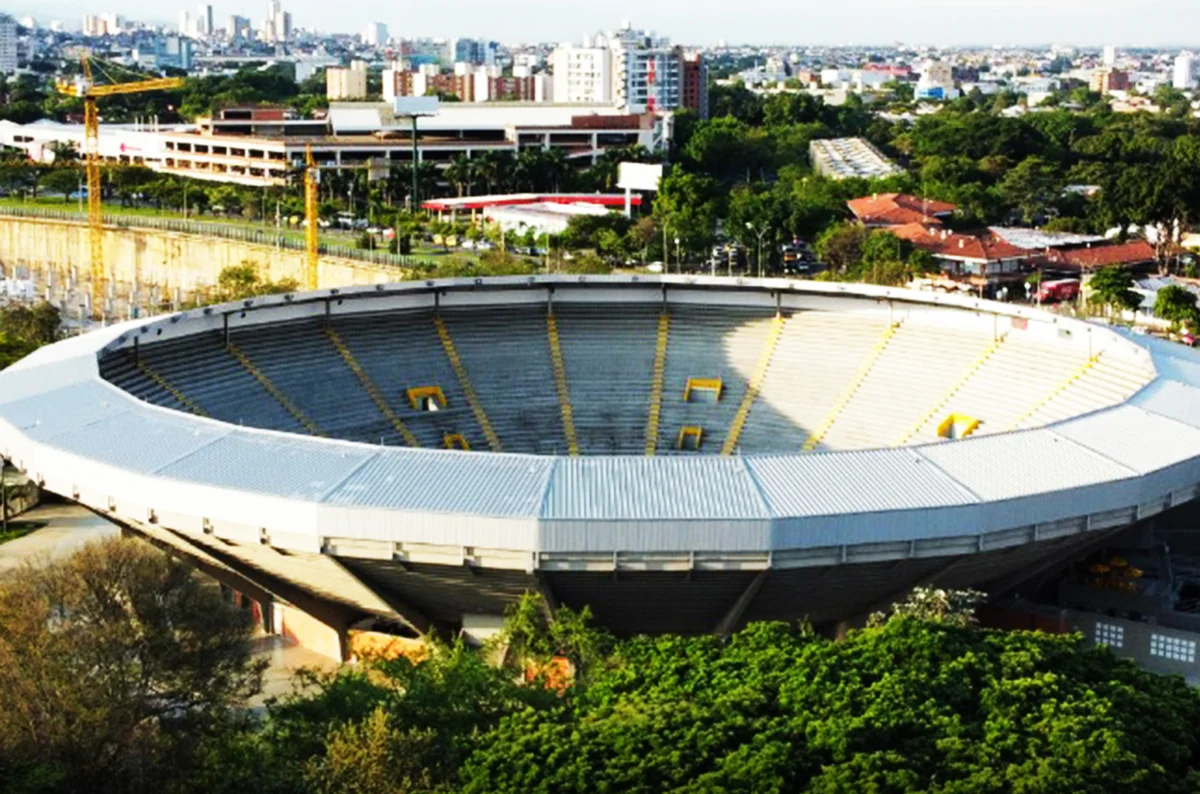
The landscape of live entertainment in Latin America is undergoing a structural metamorphosis as global industry leader Live Nation Entertainment shifts its operational model from traditional partnership-based touring to a strategy of deep-rooted infrastructure ownership. This strategic pivot, designed to capture a larger share of the region’s burgeoning demand for live music, marks a departure from the collaborative, decentralised promoter model that characterized the company’s initial entry into the market nearly a decade ago. By acquiring majority stakes in prominent local promoters and investing in world-class, purpose-built venues, Live Nation is moving to consolidate its control over the entire supply chain of live performance.
A New Era of Infrastructure Development
The most recent indicator of this long-term commitment was the announcement in July regarding a partnership with Cidade Center Norte to develop a 21,000-capacity arena in São Paulo, Brazil. Slated for completion by 2028, the project represents a significant milestone: it is set to be Brazil’s first purpose-built arena and the largest indoor live-entertainment venue in South America. This development is not merely an isolated real estate investment; it is a fundamental component of a broader strategy to exert control over the fan experience from the moment a ticket is purchased to the final encore.
For decades, the Latin American touring market relied on a patchwork of local independent promoters who possessed the cultural knowledge and logistical connections necessary to navigate complex local regulations. However, the post-pandemic era has accelerated a trend of vertical integration. By owning the venues, local promoters, and ticketing infrastructure, Live Nation is positioning itself to mitigate the volatility inherent in international touring and maximize margins by internalizing the costs associated with venue rentals and operational overhead.
Chronology of Consolidation
Live Nation’s current position in Latin America is the culmination of a strategic roadmap that gained significant momentum following the 2018 acquisition of a majority stake in Argentina’s DF Entertainment. That deal provided a blueprint for future expansion, demonstrating the value of integrating a powerhouse local operator into the global Live Nation network. Since that time, the company has executed a series of high-profile acquisitions that have effectively ring-fenced its dominance in key territories:
- 2018: Acquisition of a majority stake in Argentina’s DF Entertainment, securing a foothold in one of the region’s most vibrant music hubs.
- 2021-2022: The landmark acquisition of a 75% stake in OCESA, Mexico’s leading concert promoter. This deal was particularly pivotal, as it included OCESA’s Ticketmaster Mexico division, creating a vertically integrated giant in the world’s most populous Spanish-speaking country.
- 2022-2023: Expansion into the Andean and Caribbean regions with majority stakes in Colombia’s Páramo Presenta (organizers of Estéreo Picnic and Baum Festival) and the Dominican Republic’s SD Concerts.
- 2024-2026: Continued consolidation through partnerships with Argentina’s Dale Play and subsequent investments in Bizarro Peru and Bizarro Chile, alongside a majority stake in Santiago’s iconic Movistar Arena.
This sequence of acquisitions demonstrates a disciplined approach: identifying the market leader, acquiring a controlling interest, and retaining the local expertise that built the brand, while layering on the global resources and technological infrastructure of the parent company.
Data and Market Dynamics
The rationale for this aggressive expansion is supported by the rapid growth of the Latin American music market. According to industry reports, Latin America has consistently been one of the fastest-growing regions for live entertainment, driven by a young, tech-savvy demographic and a surge in global interest for Latin-originated genres.
The integration of OCESA into the Live Nation ecosystem has served as the primary case study for this model. Mario Villa Vera, OCESA’s operations and venues director, emphasizes that the strategy is driven by the necessity for high-standard infrastructure. "Our work at OCESA is to translate that knowledge into local operations: to have prepared venues, specialized teams and processes that allow us to receive increasingly complex productions," Villa Vera notes. The recent renovation of the Coliseo GNP Seguros in Guadalajara exemplifies this, with the 30,000-capacity venue now featuring state-of-the-art production technology, enhanced accessibility, and upgraded hospitality offerings that meet the rigorous technical requirements of global touring acts.

Official Perspectives and Industry Reactions
Live Nation frames these moves as a commitment to the growth of the local ecosystem. A company spokesperson told Billboard that the strategy is designed to better connect artists with fans. "We’re proud of the strong promoter and venue network we have throughout the region," the spokesperson stated. "Our dedicated Latin touring team works to help Latin artists reach their fans around the world. Live Nation is committed to investing to bring more shows and world-class venues to Latin America."
Local partners echo these sentiments, citing the synergy between local market intelligence and global operational standards. Alfredo Alfonso, founder and entertainment director of Bizarro Chile, described their recent partnership as a "natural milestone" that synthesizes deep-seated local knowledge with the international reach of Live Nation.
However, the rapid expansion has not been without its detractors. Independent promoters, who have historically acted as the gatekeepers of local scenes, report increased difficulty in securing venues and negotiating equitable terms. Eduardo Basagaña, founder and CEO of Argentina-based EB Producciones, acknowledged that the market shift has created a more challenging environment for smaller players. "It’s true that the expansion is complicating certain operations," Basagaña says. "For example, obtaining dates in those venues, or obtaining more equitable conditions in those agreements, is more difficult."
Future Implications: The Independent Response
The rise of a monolithic operator in the Latin American market poses a fundamental question: can the independent model survive? Basagaña suggests that the answer lies in adaptability. "There are two options: you stay still and the wave runs you over, or, as I say, you grab a board and surf the wave," he says. The independent sector is increasingly focusing on niche festivals, hyper-local marketing, and unique artist development to carve out space that global conglomerates may overlook or find inefficient to manage.
Furthermore, the scale of Live Nation’s investment creates a "rising tide" effect for the region’s infrastructure. As new, purpose-built arenas come online, the technical baseline for all events in those cities is raised. Independent promoters may find themselves utilizing these improved facilities, even if the competitive landscape for booking them becomes more rigorous.
As of late 2026, the strategy appears to be paying dividends for shareholders and global touring artists alike. By minimizing the friction of international logistics through a proprietary network of venues and ticketing platforms, Live Nation is effectively reducing the risk profile of Latin American tours. For the artists, this means more consistent production quality and access to a wider array of cities. For the fans, it represents an unprecedented influx of high-budget global productions.
The next phase of this strategy will likely involve the refinement of existing assets and the potential for further expansion into secondary markets that have yet to see the same level of investment. As the infrastructure matures, the focus will likely shift from acquisition to operational optimization, leveraging data analytics from Ticketmaster and venue management software to maximize yield per seat. While the landscape of Latin American live music has been irrevocably altered, the long-term impact on local cultural identity and the sustainability of independent entrepreneurship remains a central point of discussion within the industry as the region solidifies its status as a premier global touring destination.