Kholidah
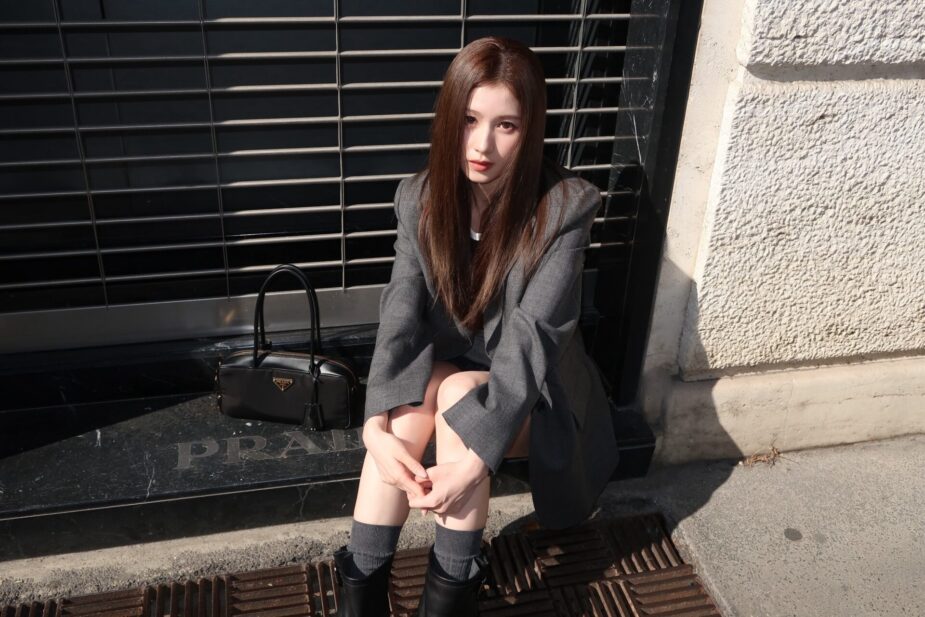
The release of the latest Season’s Greetings promotional material for the K-pop girl group TWICE has triggered a significant wave of criticism directed at JYP Entertainment. Central to the controversy are specific photographs featuring member Sana, which have been widely criticized by fans and industry observers for their suggestive nature. The incident has intensified an ongoing discourse regarding the creative direction, marketing strategies, and the protection of female idols within the South Korean entertainment industry.
The Nature of the Controversy
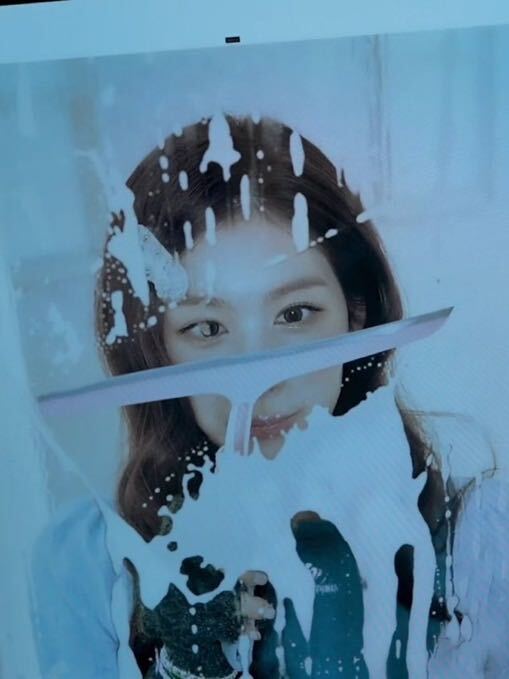
The Season’s Greetings product, an annual staple in the K-pop industry that typically features calendars, planners, and pictorials, was intended to showcase a "spotless" or cleaning-themed concept. However, the inclusion of images depicting Sana engaged in household cleaning activities—specifically window washing—has drawn sharp backlash. Critics argue that the staging, camera angles, and framing of these specific shots carry sexualized undertones that are inappropriate for the marketing of a mainstream idol group.
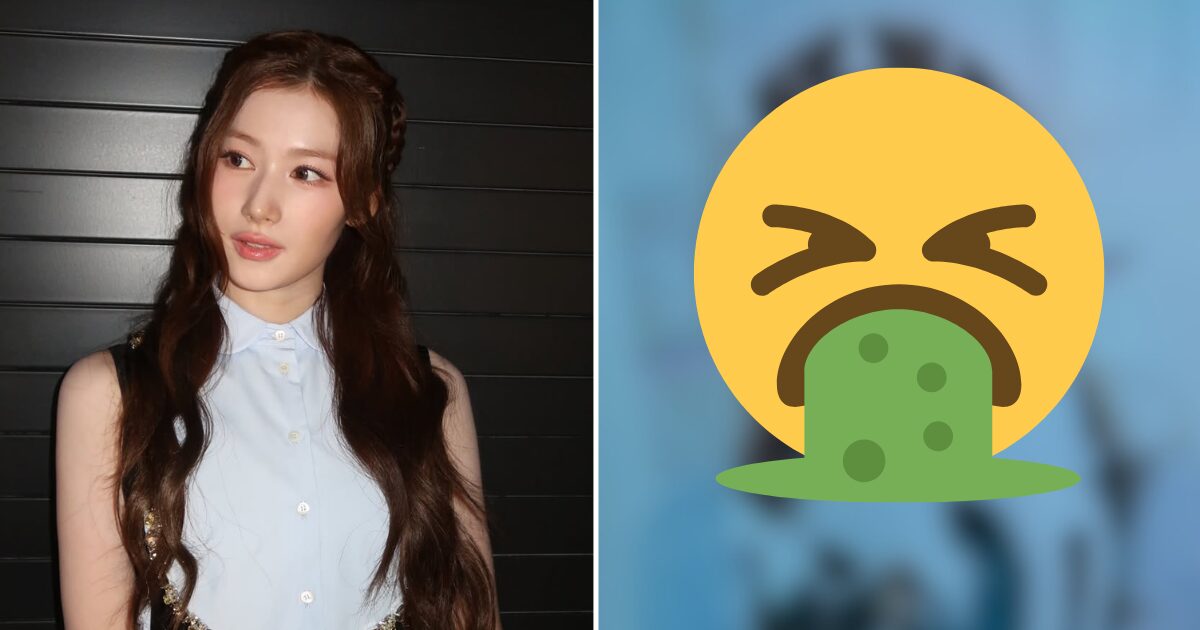
Social media platforms, particularly X (formerly Twitter), have become the primary venue for this public outcry. Fans have expressed concern that the imagery, while presented under a domestic "cleaning" motif, invites malicious interpretations and serves to sexualize the idol. Many argue that the production team, in their pursuit of a specific aesthetic, neglected to consider how these images would be perceived by the public and subsequently utilized by third parties for non-consensual content creation.
Chronological Development of the Incident
The tension surrounding JYP Entertainment’s recent creative decisions did not emerge in a vacuum. The timeline of this incident reflects a mounting frustration among the fanbase:
- Late September 2026: Initial teasers for the 2027 Season’s Greetings were released, setting a tone that some fans noted as unconventional.
- Early October 2026: As more preview images were distributed to retailers and subscribers, the specific "cleaning" concept became the subject of intense scrutiny.
- October 12, 2026: Public criticism reached a breaking point as high-resolution images of Sana from the collection began circulating on social media. Fans began tagging JYP Entertainment, demanding an explanation and a re-evaluation of the promotional materials.
- October 13, 2026: The discourse expanded beyond the immediate fanbase, leading to broader industry discussions regarding the responsibility of talent agencies in managing the public image and digital safety of their artists.
Contextualizing the Backlash: A Pattern of Concern
The outrage regarding Sana’s photos is the latest in a series of grievances held by supporters of JYP Entertainment’s female artists. Over the past year, the agency has faced recurring allegations of "misogynistic" marketing. Previous campaigns for other groups under the label have faced similar, albeit less intense, scrutiny for prioritizing aesthetic concepts that lean into objectification rather than focusing on the musical or performance-based strengths of the artists.

Industry analysts suggest that this pattern indicates a disconnect between the agency’s creative department and the evolving sensibilities of the global K-pop audience. While K-pop has historically utilized "concept-driven" marketing to differentiate groups, the shift toward more digital-native, hyper-engaged fandoms means that any imagery susceptible to negative appropriation is identified and challenged almost instantaneously.
Data and Consumer Sentiment Analysis
Quantifiable data from social media monitoring platforms indicates that the negative sentiment surrounding this specific campaign is statistically significant. On the date of the release, the volume of negative mentions regarding "JYP" and "Sana" surged by over 400% compared to the previous week.
Furthermore, community-driven petitions and collective messaging campaigns have been organized to urge the agency to adopt a stricter vetting process for visual assets. The primary concern among the fanbase is the "f4p" (fap) culture, where images of idols are repurposed on forums for explicit, non-consensual use. Fans argue that by placing an idol in a suggestive pose—even if the intent was to fit a domestic "cleaning" theme—the company inadvertently facilitates this behavior.
The Role of Agency Responsibility
When evaluating the implications of this incident, it is essential to consider the role of the agency’s creative and marketing departments. A talent agency serves as both a promoter and a guardian of its artists’ intellectual property and personal safety.
In the modern digital landscape, the "image" of an idol is their most valuable asset. When that image is compromised by controversial or suggestive marketing, it can lead to long-term reputational damage. Industry experts argue that there is a fine line between "concept art" and "sexualized imagery," and that agencies must employ stricter internal checks. This includes focus groups that represent the diverse demographic of the fandom and a review process that specifically screens for potential malicious appropriation.
Broader Industry Implications
The situation involving TWICE’s Sana serves as a case study for the K-pop industry at large. As agencies look to expand into Western and diverse markets, the cultural expectations regarding the portrayal of women in media are becoming increasingly stringent.
- Creative Oversight: The demand for more rigorous oversight of photography and styling teams is growing. Agencies are being urged to involve talent management representatives earlier in the creative process to prevent concepts that could be deemed inappropriate.
- Digital Safety: The rise of deepfake technology and AI-assisted image manipulation has made the public more sensitive to how source material is generated. Images that might have been considered "harmless" five years ago are now viewed as potential liabilities.
- Transparency: Fans are increasingly demanding transparency. When a controversy occurs, silence from the agency is often interpreted as a lack of concern. Proactive communication, or even a statement acknowledging the feedback, is often requested to de-escalate tensions.
Conclusion and Future Outlook
As of this writing, JYP Entertainment has not issued an official response to the specific criticism regarding the Season’s Greetings photos. The absence of a formal statement has left a vacuum filled by speculative commentary and further criticism from the fanbase.
The incident highlights a critical juncture for the industry. K-pop agencies are tasked with the difficult balance of maintaining a competitive, trend-setting visual identity while ensuring the safety and dignity of their artists. For JYP Entertainment, the path forward likely involves a re-evaluation of their creative directives to ensure that their marketing strategies do not alienate their core support base.
Moving forward, stakeholders in the K-pop industry will likely observe this situation as a benchmark for how fan feedback can influence corporate decision-making. Whether the agency chooses to pull the remaining stock, issue a public apology, or adjust their future campaign strategies, the event underscores the reality that in the age of social media, the fans are now active participants in the management of their favorite artists’ careers. The "major fury" displayed by the public is not merely a reaction to a set of photos; it is a demand for a more respectful and protective standard of professional conduct within the high-stakes world of K-pop entertainment.