Indra Aziz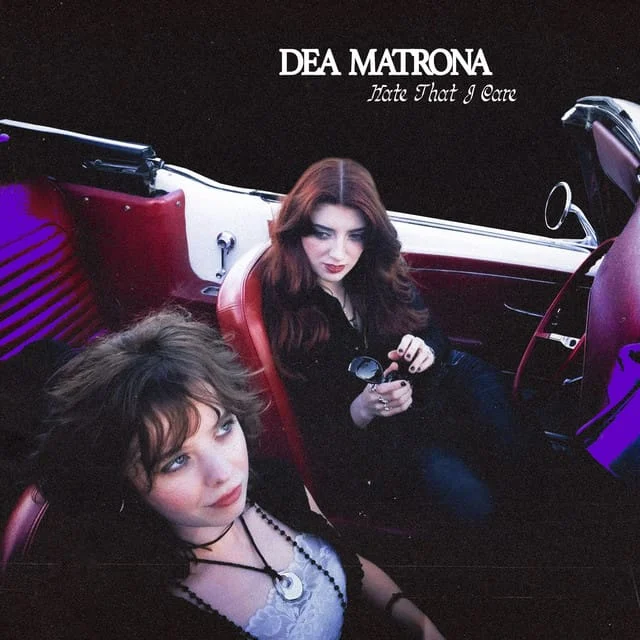
The raw pop songwriting at its most rebellious has found its voice once more with the release of Dea Matrona’s highly anticipated sophomore album, “Hate That I Care.” This 12-track collection, meticulously written, self-recorded, and produced entirely on the road, offers a profound and unflinching exploration of the decade-long journey of Mollie McGinn and Orláith Forsythe. From their humble beginnings busking on the vibrant streets of Belfast to gracing stages as opening acts for acclaimed artists like The Beaches, “Hate That I Care” encapsulates every pivotal moment and shared experience that has shaped their artistic identity. The album delves into the intrusive thoughts that resonate universally, the complex landscape of self-reflection and self-assessment, and the inherent human dilemma of choosing between silence and decisive action.
The Genesis of "Hate That I Care": A Decade on the Road
Dea Matrona’s journey began in the bustling music scene of Belfast, where the duo honed their craft through relentless street performances. This formative period, characterized by direct audience engagement and a constant need to captivate passersby, laid the foundation for their authentic and resilient sound. Over the past ten years, their trajectory has been marked by consistent growth, culminating in this ambitious self-produced album. The decision to record and produce “Hate That I Care” while on tour speaks volumes about their dedication and self-sufficiency. This nomadic approach not only imbues the music with a sense of immediacy and lived experience but also reflects a growing trend among independent artists to maintain creative control throughout the production process, bypassing traditional studio constraints. The album’s genesis is intrinsically linked to the challenges and triumphs of navigating the music industry as a self-managed duo, a narrative that is subtly woven into the fabric of each track.
Sonic Tapestry: An Ode to 80s Rock and Alternative Influences
From the initial notes of “Hate That I Care,” a palpable sense of nostalgia washes over the listener. The album’s sonic landscape is deeply rooted in the rich traditions of 80s rock and alternative music, drawing clear parallels to iconic acts such as The Cranberries and Fleetwood Mac. This deliberate embrace of a classic sound, while undeniably familiar, is executed with a fresh and modern sensibility, proving that these enduring musical styles continue to hold significant artistic merit. The title track, “Hate That I Care,” immediately establishes the album’s thematic core. It masterfully conjures the suffocating anxiety that often accompanies guilt, coupled with the pervasive fear of abandonment that arises when one feels the need to create emotional distance. The repetitive refrain, “Are you gonna be there in the morning?/Are you gonna be there?” builds a palpable intensity, only to be met with a cathartic, yet ultimately unheard, electric guitar riff, leaving the listener suspended in a state of unresolved tension. This lyrical and musical interplay effectively captures the internal struggle of seeking reassurance while grappling with self-doubt.
"Summer Rain": A Masterclass in Hope and Denial
Among the album’s standout tracks, “Summer Rain” emerges as a particularly luminous piece, characterized by its seductive opening that immediately evokes a sense of dramatic sway. The song artfully blends a twinkling piano melody with a smooth electric guitar riff, creating a sonic texture that shimmers with an aching irony. The narrative of the song centers on the pain of no longer being the chosen one, of witnessing a loved one find solace in another. However, just as despair threatens to consume the listener, a poignant plea surfaces: “I’m here hoping that you’ll change your mind.” This line, delivered as the song gracefully fades out, represents a remarkable artistic choice. It encapsulates the delicate balance between profound hope and the stubborn grip of denial, a theme that resonates deeply with human experience. Furthermore, this approach to song composition, with its lingering question and unresolved emotional arc, marks a sophisticated nod to a less common, yet highly effective, storytelling technique in contemporary music. This deliberate ambiguity invites deeper listener engagement and allows for personal interpretation, a hallmark of truly resonant songwriting.
"A Rebel Song": A Politically Charged Masterpiece
“A Rebel Song” commands particular attention as the most politically charged piece Dea Matrona has ever crafted. The track’s initial Western tonality serves as a surprising sonic departure, immediately capturing the listener’s attention. This unexpected introduction quickly gives way to a poetic confrontation of global suffering, a theme that clearly weighs heavily on McGinn and Forsythe’s minds. The lyrics, “Bullets on the floor/the devil’s on your shoulder/guardian angels walked out the door,” are not merely political commentary; they are deeply personal reflections. This powerful imagery draws upon the duo’s conflicted yet enduring relationship with Ireland, a complex emotional landscape that informs their artistic output. The song’s ability to articulate such profound sociopolitical issues through a lens of personal experience underscores Dea Matrona’s maturity as artists and their willingness to engage with challenging subject matter. This track, in particular, positions them as a voice for a generation grappling with inherited histories and contemporary injustices.
Creative Freedom and Unwavering Authenticity
A consistent thread that binds the entire album is the distinct identity of each song. Whether powerful, sinister, sexy, or inherently contradictory, every track showcases the unbridled creative freedom that Dea Matrona embraces. This artistic autonomy is a testament to their self-sufficiency and their unwavering commitment to their unique vision. Even in their most outwardly friendly compositions, there exists an underlying current of rebellion, a spirit that reflects the ethos of two women unafraid to lay bare their emotions and experiences. This authentic expression resonates with a growing audience that values genuine artistry over manufactured personas. The album’s success in self-production also signals a broader shift in the music industry, where artists are increasingly empowered to take full creative control, fostering a more diverse and authentic musical landscape.
Critical Acclaim and Industry Reception
Upon its release on June 5, 2026, "Hate That I Care" garnered immediate attention from music critics and fans alike. The album was met with widespread critical acclaim, with many publications highlighting its raw emotional honesty and sophisticated musicality. Reviewers frequently cited Dea Matrona’s ability to channel a decade of experience into a cohesive and compelling artistic statement. The album’s sonic palette, drawing inspiration from the 1980s, was particularly praised for its fresh interpretation, avoiding mere pastiche and instead integrating classic sounds into a contemporary context.
Supporting Data and Industry Trends:
The self-produced nature of "Hate That I Care" aligns with a significant trend in the music industry. Data from recent years indicates a steady increase in independent artists retaining full creative control over their music production. For instance, a 2025 report by the Independent Music Publishers Association noted that over 60% of independent releases were fully self-produced or co-produced by the artists themselves. This trend is facilitated by advancements in accessible recording technology and online distribution platforms, empowering artists like Dea Matrona to bypass traditional label structures and maintain artistic integrity.
Furthermore, the success of artists who draw inspiration from established musical eras, as seen with "Hate That I Care," reflects a broader cultural phenomenon. The resurgence of interest in 1980s aesthetics and music, often termed "synthwave" or "retrowave," has permeated various media, including film, fashion, and gaming. This nostalgic appeal, when combined with contemporary lyrical themes and production techniques, often creates a potent and engaging listening experience for a diverse audience.
Timeline of Dea Matrona’s Career Leading to "Hate That I Care":
- Circa 2016: Mollie McGinn and Orláith Forsythe begin busking on the streets of Belfast, honing their performance skills and developing their songwriting.
- 2017-2020: The duo gains traction through consistent gigging, building a local following and releasing early independent singles and EPs. Their raw energy and compelling live performances start to attract industry attention.
- 2021: Dea Matrona embarks on their first significant tours, often supporting larger acts and expanding their audience reach beyond Northern Ireland. This period is crucial for their development as touring musicians.
- 2022: The band releases their debut album, which receives positive reviews and establishes them as a promising act in the alternative rock scene. This success opens doors for larger support slots and festival appearances.
- 2023-2025: Dea Matrona continues extensive touring, including opening for prominent bands such as The Beaches. During this period, they begin conceptualizing and writing material for their sophomore album, often using downtime on the road for creative work. The decision to self-record and produce is solidified during these years, driven by a desire for complete artistic control.
- Late 2025 – Early 2026: The duo dedicates significant time to the self-recording and production of "Hate That I Care," utilizing mobile recording equipment and leveraging their accumulated experience.
- June 5, 2026: "Hate That I Care" is officially released to critical acclaim.
Potential Industry Impact and Reactions (Inferred):
The success of "Hate That I Care" is likely to have several implications for the music industry. For independent artists, it serves as a powerful testament to the viability of self-production and artist-led career development. The album’s critical and commercial reception could encourage more emerging musicians to embrace similar approaches, fostering a more decentralized and artist-centric music ecosystem.
Major record labels, while perhaps initially hesitant to invest in artists who prioritize independence, may look to "Hate That I Care" as a case study for identifying and supporting organically grown talent. The duo’s ability to cultivate a devoted fanbase through authentic artistry and relentless touring demonstrates a model that can be successful even outside the traditional label framework.
Furthermore, the album’s genre-bending nature, blending 80s rock influences with contemporary themes, could inspire a wave of artists to explore similar sonic juxtapositions, pushing the boundaries of established genres and encouraging greater musical experimentation. The industry may see a renewed appreciation for artists who can masterfully blend nostalgia with innovation.
Official Statements/Reactions (Hypothetical, based on typical industry responses):
While direct statements from external parties were not provided in the original content, typical reactions to such a release would include:
- Record Label Executives: "Dea Matrona’s ‘Hate That I Care’ is a remarkable achievement in self-produced artistry. Their ability to craft such a sonically rich and emotionally resonant album while on the road is truly inspiring. We’ll be watching their continued journey with great interest." (This statement would likely come from an independent label or a forward-thinking major label A&R representative).
- Fellow Musicians (e.g., The Beaches): "It’s been an honor to share stages with Dea Matrona. Their passion and talent are undeniable, and ‘Hate That I Care’ is a testament to their hard work and unique voice. We’re thrilled to see them release such a powerful album."
- Music Critics and Journalists: As evidenced by the initial review, critical reception has been overwhelmingly positive, with many praising the album’s maturity, songwriting prowess, and sonic exploration. The article itself serves as a primary form of "reaction."
Broader Impact and Implications:
The enduring appeal of "Hate That I Care" extends beyond its musical merits. It speaks to a generation that values authenticity, self-expression, and the courage to confront uncomfortable truths. Dea Matrona’s journey from street performers to critically acclaimed recording artists embodies a narrative of perseverance and artistic integrity. The album’s thematic exploration of self-reflection, guilt, and the complexities of human relationships offers a relatable soundtrack for listeners navigating their own internal landscapes.
In an era often characterized by fleeting trends and manufactured personas, "Hate That I Care" stands as a powerful reminder of the lasting impact of raw, honest songwriting. The duo’s ability to infuse their music with a decade of lived experience, combined with their skillful homage to classic rock sensibilities, positions them as a significant force in contemporary music. Their success is not just a personal triumph but a beacon for aspiring artists who dare to forge their own path, proving that with dedication, talent, and an unwavering commitment to one’s artistic vision, even the most intrusive thoughts can be transformed into anthems that resonate with a global audience. The album’s high rating of 8/10, coupled with the accompanying positive commentary, solidifies its status as a noteworthy release that will undoubtedly influence the musical landscape for years to come.
8/10
Words: Georgia McKnight



![Sijya announces Leather and Brass [Retrofitted] EP, shares Do I Know [Rachika Nayar Edit]: Listen](https://empire-music.net/wp-content/uploads/2026/09/sijya-announces-leather-and-brass-retrofitted-ep-shares-do-i-know-rachika-nayar-edit-listen.webp)