 Mia Khoirunisa
Northern Italy – Today marks a significant moment in the digital audio landscape with the official launch of "every something plug-ins," the creative imprint of engineer and artist Jelle Akkerman. The debut is heralded by the release of two innovative software tools: Glosso, designed for experimental vocal synthesis, and Artikulation, a powerful engine for precise rhythmic and groove shaping. These plug-ins, available in AU and VST3 formats for macOS and Windows, represent Akkerman’s commitment to pushing sonic boundaries, building upon a foundation of hardware and software innovation.
Akkerman, an artist who famously opened for the Vengaboys at the age of 14, has cultivated a unique creative identity under the "every something" banner. This umbrella encompasses his diverse artistic outputs, including music, hardware, and now, software. His previous foray into hardware with the "every division and duration" Eurorack module, a collaboration with esteemed figures Dr. Nicolas Bougaïeff and Johannes Lohbihler, has already garnered attention for its sophisticated approach to modular synthesis. The release of Glosso and Artikulation signifies an expansion of this innovative spirit into the realm of accessible digital tools for producers and sound designers worldwide. The launch is further contextualized by the upcoming release of two additional plug-ins: perp, a Risset-powered live looper, and otophon, a dedicated synthesizer, slated for release next month, indicating a robust roadmap for the "every something" brand.
Glosso: Exploring the Chaotic Beauty of "Speaking in Tongues"
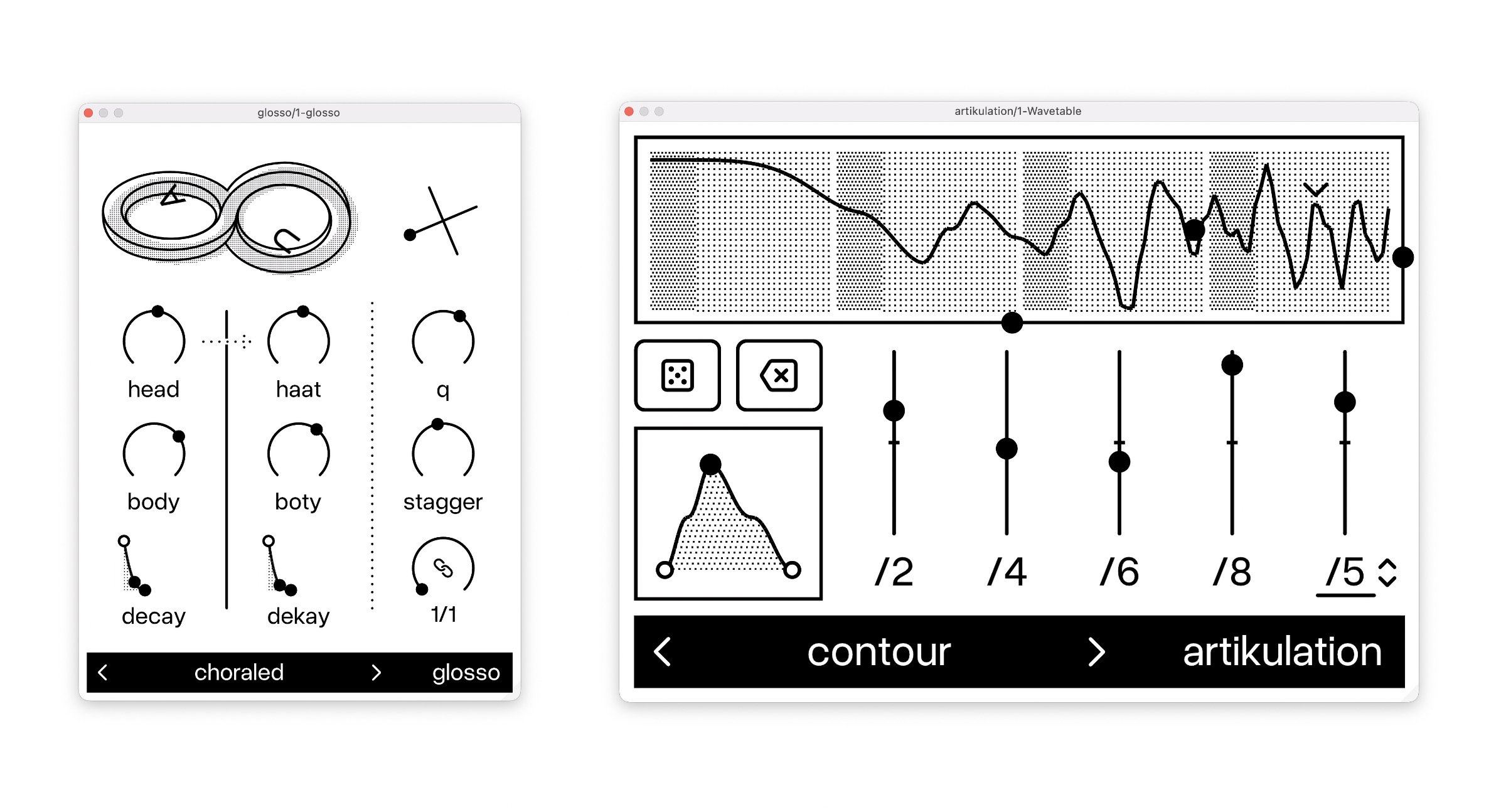
At the core of Glosso lies the concept of "glossolalia," or speaking in tongues, a term that aptly describes the plug-in’s ability to generate intricate and evolving vocal textures. This tool is designed to create a sonic experience where vocal synthesis circuits intertwine and interact in a manner akin to spontaneous, unscripted speech. The inspiration for Glosso is deeply rooted in the groundbreaking work of Rob Hordijk, particularly his legendary "rungler" circuit found within the Benjolin. Hordijk’s rungler is a pseudorandom generator where two oscillators engage in a complex interplay, with one oscillator’s output acting as a clock for a shift register that is fed by the other. The resulting output is then fed back into the circuit as a control voltage, fostering a dynamically chaotic and unpredictable feedback loop.
Glosso translates this circuit-bending philosophy into a software environment, featuring two distinct chaotic rhythmic circuits that drive two independent vocal voices. The inherent pseudorandom nature of these circuits ensures that each sonic iteration is unique, with constant variations emerging from the interplay between the two voices. This design principle moves away from static or predictable vocal synthesis, instead embracing a more organic and emergent form of sound generation. The visual representation within the user interface further enhances this concept, showcasing the shifting vowel filter shapes in tandem with the sonic output, offering a visual metaphor for the "speaking in tongues" phenomenon.
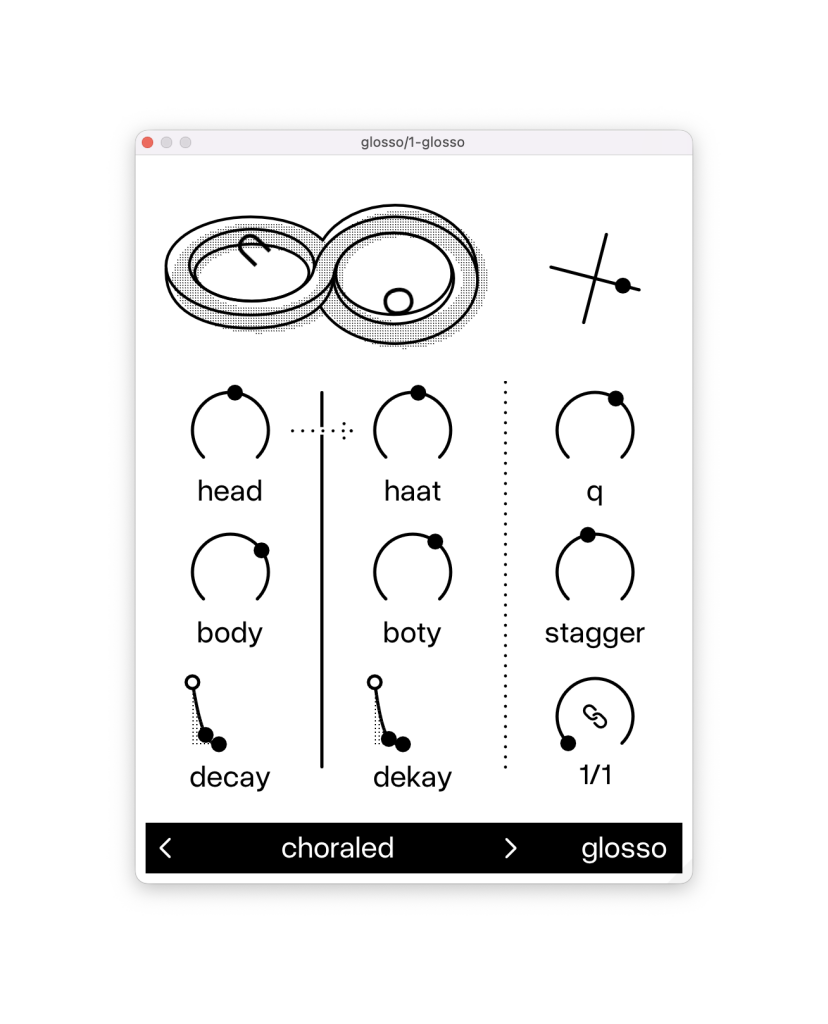
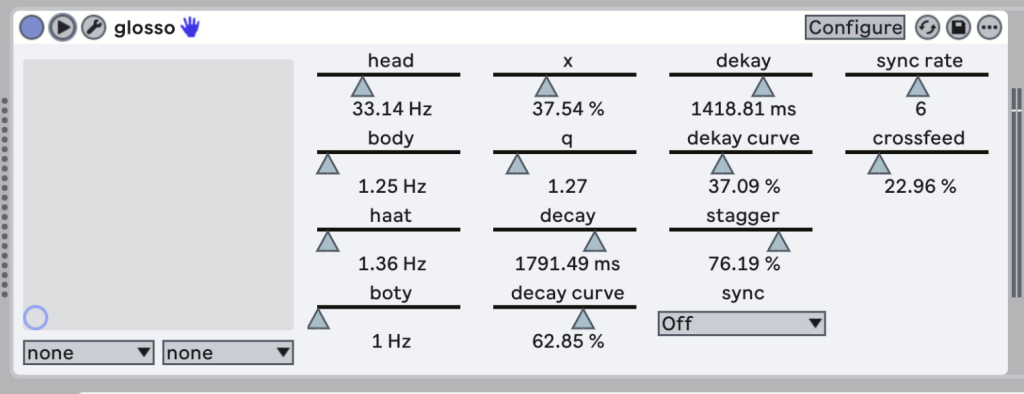
Key controls within Glosso allow users to sculpt these emergent vocalizations. The "Head/body" and "Haat/boty" parameters offer precise tuning for each voice’s fundamental frequencies, providing a degree of control over the harmonic relationships between the two entangled sources. The "Q" control plays a crucial role in emphasizing phonemes by accentuating the vowel filter, allowing for more discernable vocalistic qualities within the chaotic output. Perhaps one of the most engaging controls is "stagger," which governs the temporal separation between the two voices. This parameter enables users to dial in anything from subtly shuffling rhythms to distinctly separated percussive vocal patterns, adding a rhythmic dimension to the sonic chaos.
The "clock" control offers further flexibility, allowing users to synchronize the plug-in to their Digital Audio Workstation (DAW) tempo or operate in a free-running mode. The free-running mode, devoid of external tempo constraints, unleashes the full chaotic potential of the underlying circuits, epitomizing the "rungler-style chaos" that inspired Glosso. At the top right of the interface, a "cross-modulation" control, described as having "some physics," allows for dynamic interaction between the two voices. This feature, along with the ability to directly adjust "crossfeed" from hard panning to central overlay, offers a granular level of control over how the two vocal sources blend and interact, a feature specifically requested by early testers and implemented by Akkerman. This level of nuanced control allows Glosso to transcend its experimental roots, capable of generating not only bizarre vocalizations but also rich drones, atmospheric textures, and entirely novel sonic palettes. The plug-in’s capacity to venture into "Benjolin-style territory" further highlights its potential for deep sound design exploration.
Artikulation: Mastering Rhythmic Precision and Temporal Manipulation
In contrast to the organic chaos of Glosso, Artikulation presents a meticulously engineered approach to rhythm and groove manipulation. While the market offers numerous envelope shaping tools, Artikulation distinguishes itself by focusing on precise rhythmic definition and the ability to sculpt complex polymetric structures with an intuitive, analog-inspired interface. Traditional envelope shapers often rely on drawing binary shapes or step sequences, or offer complex curves that lack clear rhythmic intent. Artikulation, however, empowers users to precisely define and manipulate rhythms, from simple structures to intricate polymeters, with unprecedented flexibility.
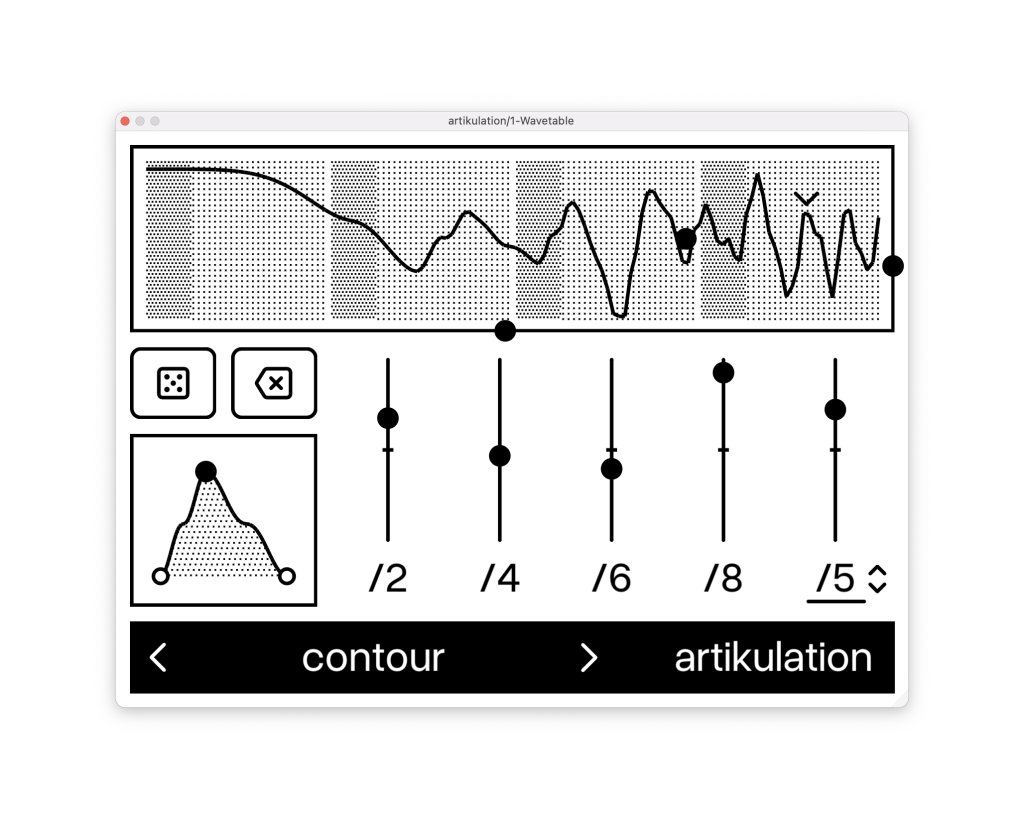
The plug-in’s innovative approach begins with its division controls, allowing users to subdivide their DAW’s grid into fractions such as /2, /4, /6, and /8. This foundational step enables the creation of rhythmic patterns that deviate from standard metronomic divisions. The "depth" control, particularly when set to /2 and /4 divisions, facilitates the creation of simple, duple rhythmic structures. From this starting point, users can then employ the "shape" and "skew" controls, which govern the overall envelope contour, to transition from crisp, on-beat patterns to more fluid, pumping "ducked" values and a spectrum of dynamic articulations in between.
For crafting more complex rhythmic tapestries, Artikulation introduces "tuplets" settings. This feature allows for the overlaying of tuplets patterns atop an existing rhythm, introducing swing, accents, and the potential for intricate combined patterns that can generate sophisticated polymetric effects. The intuitive, analog-like interface makes the process of dialing in these complex rhythmic interactions remarkably straightforward.
Further temporal manipulation is afforded by the "phase" control, which shifts the entire envelope pattern left or right within the rhythmic grid. The "scale" control on the right-hand side offers further refinement, with smaller scales proving invaluable for introducing subtle and nuanced rhythmic embellishments. The "Timing warp" control is where Artikulation truly shines, allowing users to compress or expand the entire rhythmic pattern forward or backward in time. This capability unlocks the potential for highly expressive effects, including rapid ratcheting, rubato passages, and controlled acceleration and deceleration within a musical phrase, all while maintaining an underlying connection to the grid. This ability to manipulate time while preserving rhythmic integrity makes Artikulation a compelling tool for composers and sound designers interested in temporal fluidity.
To illustrate the power of Artikulation, demonstrations showcase its application in conjunction with Ableton’s Wavetable synthesizer. The examples highlight how the plug-in can add dynamic and evolving rhythmic contours to synthesized sounds, transforming a static instrument into a dynamic compositional element. The use of additional modulation from Max for Cats’ Modulators Plus and Ableton Live themes by Studio Brootle in these demonstrations underscores the plug-in’s seamless integration into established production workflows. For users new to the plug-in’s capabilities, a comprehensive library of presets offers a starting point for exploration and provides a clear demonstration of the sonic possibilities. Tweaking these presets further allows users to develop an intuitive understanding of Artikulation’s sophisticated rhythmic engine.
Availability and Future Outlook
Both Glosso and Artikulation are available for immediate purchase on the "every something" website, with a complimentary trial period offered for users to explore their unique functionalities. This release signifies the ambitious entry of "every something plug-ins" into the competitive audio software market, positioning itself as a provider of tools that encourage sonic experimentation and precise creative control. The planned releases of "perp" and "otophon" in the coming month suggest a sustained commitment to expanding this innovative product line, catering to a diverse range of electronic music production needs. The presence of tuplets and polymeters across both released and upcoming plug-ins indicates a thematic focus on complex rhythmic and temporal manipulation, a distinguishing characteristic of Akkerman’s design philosophy. The integration of concepts from modular synthesis and experimental electronics into user-friendly software formats suggests a broader trend towards democratizing access to advanced sound design techniques. The initial reception from the audio production community is anticipated to be strong, given the plug-ins’ unique feature sets and the pedigree of their creator. The successful implementation of feedback from early collaborators, such as the inclusion of the direct "crossfeed" adjustment in Glosso, points to a development process that is both responsive and user-centric. This strategic launch, backed by Akkerman’s established creative vision and the promising roadmap, positions "every something plug-ins" as a noteworthy new player in the software instrument and effects arena.