Indra Aziz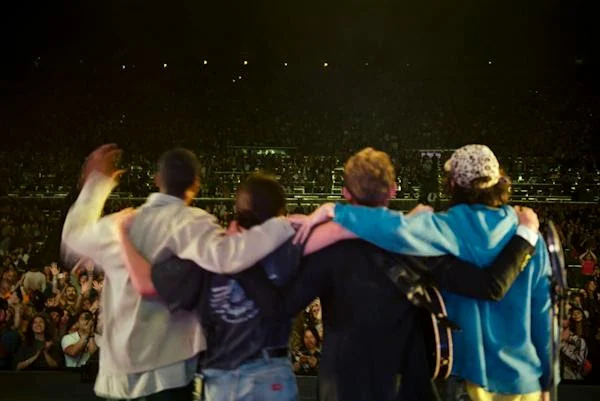
Indie-folk outfit Big Thief has officially launched an expansive, immersive live music archive, offering listeners an unprecedented look into the band’s continuous sonic evolution. The platform, which went live in October 2026, is designed to chronicle the group’s journey across global stages, capturing the fluidity and dynamic experimentation that define their live performances. Known for treating their recorded material as a flexible blueprint rather than a definitive product, Big Thief has embraced a performance philosophy rooted in perpetual reinvention.
The initial rollout features ten professionally mixed and mastered concerts recorded during recent touring cycles. Alongside the audio experience, the archive introduces an interactive element that invites fans to curate personalized setlists and compile custom playlists from an ever-expanding catalog of live takes. This launch marks a significant milestone in the band’s digital strategy, providing a structured yet open-ended repository that honors the ephemeral nature of concert tours while making archival audio permanently accessible to the public.
The Genesis of the Project and Grateful Dead Influences
The conception of the Big Thief Live Archive stems largely from drummer James Krivchenia’s deep-seated appreciation for archival culture, most notably the historical precedent set by the Grateful Dead. The legendary rock band revolutionized the music industry decades ago by encouraging concertgoers and audio bootleggers to record, trade, and archive their live performances. This culture of documentation not only fostered a fiercely loyal community but also preserved the historic fluctuations of a band whose setlists and arrangements never remained static from one night to the next.
Translating this philosophy into the modern digital era, Krivchenia and his bandmates sought to establish a dedicated, high-fidelity platform that honors the organic growth of their own discography. For Big Thief—comprising Adrianne Lenker, Buck Meek, Max Oleartchik, and James Krivchenia—live shows serve as a laboratory where studio arrangements are stretched, deconstructed, and rebuilt. Improvisation remains a cornerstone of their stage presence, transforming familiar album tracks into sprawling, emotionally resonant departures. By creating a centralized hub for these performances, the band ensures that these singular, fleeting moments are preserved for historical documentation and fan engagement alike.
Technical Production and Engineering Team
While the spirit of the archive borrows from the grassroots, DIY culture of traditional gig-taping, the technical execution of the Big Thief Live Archive reflects high-end contemporary studio standards. The initial ten shows included in the platform’s launch were meticulously captured on the road by the band’s dedicated front-of-house engineer, Alice Wilder, and monitor engineer, Aleda Deroche. Capturing multi-track audio in diverse acoustic environments—ranging from cavernous arenas to historic theaters—requires precise technical execution to balance ambient crowd noise with instrument clarity.
Following the live recording process, the audio underwent extensive post-production and mixing by Fabian Prynn, the in-house engineer for the band’s record label, 4AD. Prynn’s involvement ensures that while the rawness and immediacy of the live performances are preserved, the sonic quality meets the expectations of listeners accustomed to pristine studio releases. This careful collaboration between road crew and studio technicians bridges the gap between bootleg culture and official discography curation, offering fans a listening experience that is both authentic to the room it was played in and polished enough for repeated home listening.
Chronology and the First Public Track Release
The official rollout of the archive began with the publication of a standout live recording of the track "Incomprehensible." The performance was captured during the band’s appearance at Dublin’s 3Arena earlier in the year on April 29, 2026. As the inaugural offering on the platform, the track serves as an immediate demonstration of the archive’s audio fidelity and the subtle ways Big Thief reinterprets their catalog in front of large-scale audiences.
The release of the Dublin recording was accompanied by the simultaneous activation of the platform’s web interface at archive.bigthief.net. According to the project’s development schedule, the initial batch of ten shows will be supplemented periodically by subsequent recordings from past and ongoing tours. This phased rollout strategy is intended to allow the platform’s infrastructure to scale effectively while giving users time to explore the nuances of each newly added concert.
Interactive Fan Integration and Custom Playlists
One of the defining features of the Big Thief Live Archive is its interactive functionality, which diverges from traditional, static live album releases. Rather than presenting shows strictly as immutable chronological albums, the platform empowers users to interact with the material on a granular level. Fans navigating the site can build custom sets, blending renditions of songs recorded across different cities, venues, and years.
This user-generated curation model mirrors the participatory culture historically associated with jam bands and archival music communities. By allowing listeners to sequence their own playlists of live takes, Big Thief acknowledges that their audience often develops deep attachments to specific stylistic variations of individual songs. Whether a listener prefers an acoustic-heavy rendition from an intimate theater or a soaring, extended electric arrangement from a major arena tour, the archive provides the structural flexibility to accommodate those individual preferences.
Industry Implications and the Shift Toward Direct-to-Fan Archival
The launch of Big Thief’s live archive arrives at a time when independent artists are increasingly seeking innovative ways to deepen audience connections while navigating the economic realities of modern streaming and touring. In an era where traditional album sales have been largely overshadowed by algorithmic playlisting, artist-owned archival platforms offer a sustainable alternative for monetizing and preserving back catalogs.
By bypassing third-party aggregators and hosting the archive on a dedicated, band-controlled domain, Big Thief retains complete curatorial and administrative control over their live recordings. This direct-to-fan model not only strengthens the band’s direct relationship with their core demographic but also creates a valuable historical record of contemporary indie music performance practice. Musicologists, cultural historians, and dedicated followers alike now have access to a primary-source database tracking the trajectory of one of the most acclaimed alternative acts of the twenty-first century.
As the archive continues to expand with additional recordings from Wilder, Deroche, and Prynn, it is expected to serve as a blueprint for other contemporary touring acts exploring similar direct-to-consumer archival models. For now, Big Thief invites listeners to log on, explore the growing catalog of recorded performances, and experience the shifting, unpredictable nature of their music as it unfolds across the globe.